Costa Rica, Central America
Costa Rica
Two coasts, a spine of volcanoes, and wildlife that turns up before breakfast.
Illustration: Spike Travel (AI-assisted)

By Spike Travel Editorial Desk, Editorial team
Published Oct 12, 2026
Disclosure: Researched briefing compiled from official and published sources. No business named here hosted, paid or reviewed this dossier.
- Best time
- Jan–Mar
- Daily budget
- $60–600
- Safety
- 3/5
- Strongest for
- Nature & scenery, Adventure, Family-friendly
Costa Rica makes wildlife easy: sloths, monkeys, turtles and whales within a few hours of San José. It is not cheap, with near-US prices for tours and lodges, mandatory rental-car insurance and online-only park tickets. The Pacific dry season runs from December to April, while the Caribbean is driest in September and October, when the rest of the country is at its wettest.
Why go
You come to Costa Rica for animals, and the country produces them with almost unfair ease. Howler monkeys wake you before the alarm. The dark lump in the tree outside the soda where you eat breakfast turns out to be a sloth. On the right night in Tortuguero, a green turtle the size of a coffee table drags herself up the sand to lay eggs while a guide keeps a red torch low.
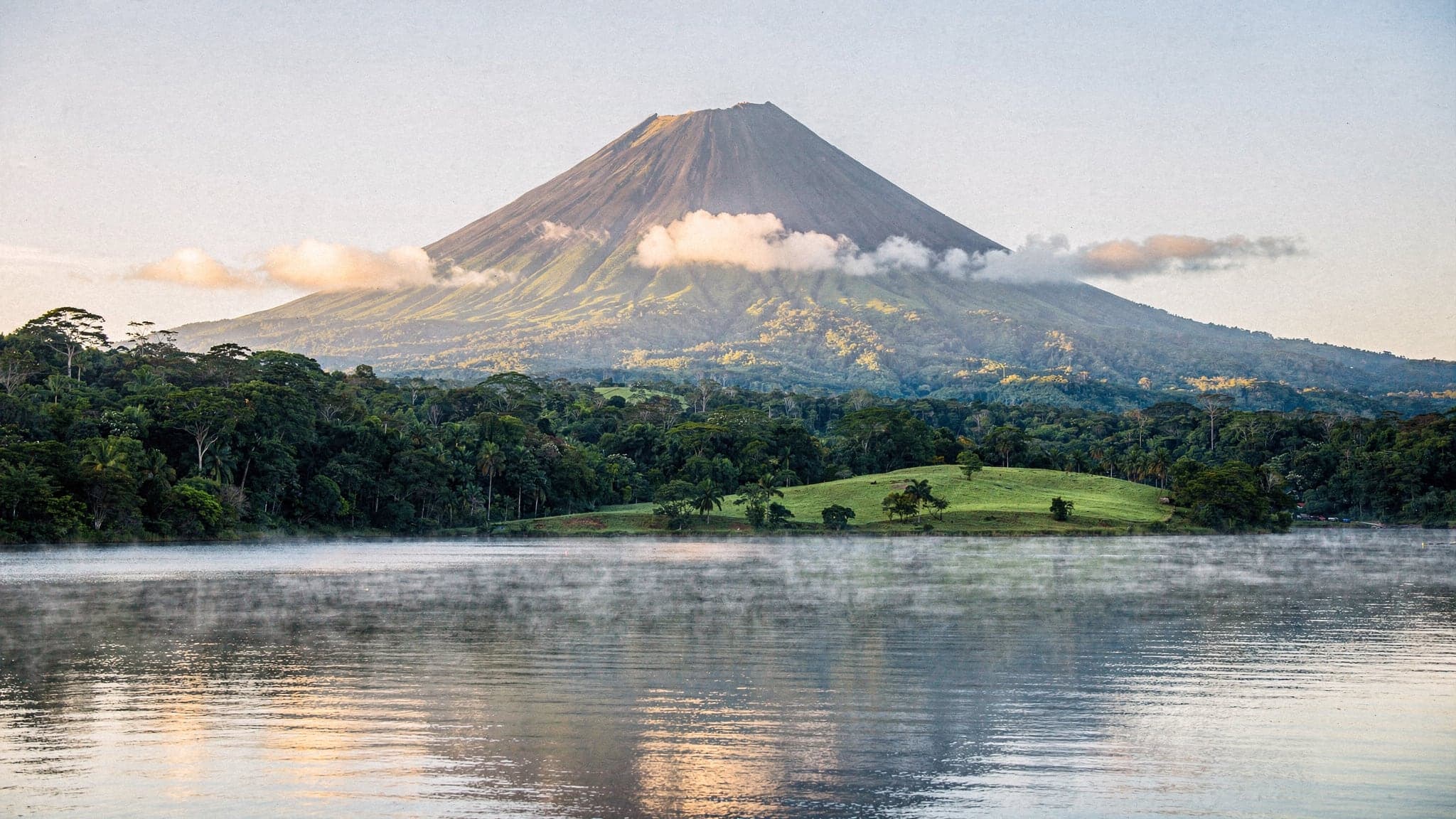
Arenal's cone rises over lava fields from an eruption that lasted until 2010, and Monteverde's cloud forest drips with moss and orchids. On the Osa Peninsula, Corcovado protects some of the wildest lowland rainforest left on the Pacific side of the Americas.
It is not a bargain. Tours, lodges and restaurant meals cost close to what they would in the United States, and the colón has firmed to about ₡450 to the dollar. What you pay for is ease: paved roads between the main hubs, shared shuttles with hotel pick-up, and naturalist guides who spot what you would walk straight past.
The lay of the land
Costa Rica runs north-west to south-east between Nicaragua and Panama, with the Pacific on one side and the Caribbean on the other. Volcanic ranges form the spine. In the middle sits the Central Valley, a high basin of coffee farms and suburbs around San José, where most Costa Ricans live and almost every visitor passes through.
The main circuits fan out from the capital. La Fortuna and Arenal lie about three hours north-west by road. Monteverde sits on a ridge in the Tilarán mountains, three to four hours away. Manuel Antonio, on the Central Pacific coast, is about three hours south-west. Guanacaste, the dry north-west, has the second international airport at Liberia and the beach towns of the Nicoya Peninsula. The Caribbean coast, four to five hours east, runs from Tortuguero's canals down to Puerto Viejo near the Panama border. The Osa Peninsula, with Corcovado National Park, is the far south-west: six hours or more by road, or under an hour by small plane.
Distances look short on the map and take longer than you expect. Mountain roads, trucks and afternoon rain turn a 150-kilometre trip into a three-hour drive, so two or three bases suit a ten-day trip.
Areas at a glance
San José and the Central Valley$$$$
Coffee farms, volcano day trips and the country's main museums; most visitors pass through rather than linger.
Best for: First and last nights, coffee tours, Poás
Arenal and La Fortuna$$$$
A cone volcano, hot springs, hanging bridges and waterfalls, with a busy tour town at its foot.
Best for: First-timers, families, soft adventure
Monteverde$$$$
Cool, misty cloud forest on a ridge at about 1,400 m; bring a jacket and hire a guide.
Best for: Birding, night walks, hiking
Manuel Antonio and the Central Pacific$$$$
A small, busy national park with beaches inside it, above the fishing town of Quepos.
Best for: Families, easy wildlife, beaches
Guanacaste and the Nicoya Peninsula$$$$
Dry-forest coast with the most reliable sun, from Papagayo resorts to the surf towns of Tamarindo, Nosara and Santa Teresa.
Best for: Beaches, surfing, dry-season sun
Southern Caribbean (Puerto Viejo and Cahuita)$$$$
Afro-Caribbean cooking, reggae bars, cycling between beaches and a donation-entry national park.
Best for: Independent travellers, culture, snorkelling
Tortuguero$$$$
Canal-laced rainforest reached only by boat or small plane; nesting turtles from July to October.
Best for: Wildlife, turtles
Osa Peninsula and Corcovado$$$$
The wildest corner: Drake Bay and Puerto Jiménez, rough roads and guide-only park entry.
Best for: Serious wildlife watchers
When to go
Seasons depend on which coast you are on. On the Pacific side and in the Central Valley, the dry season runs from December to April. That is high season: sun on the Guanacaste beaches, full hotels and prices at their peak over Christmas, New Year and Holy Week (21 to 28 March 2027), when Costa Rican families head for the coast too.
May to November is the green season. Mornings are often clear, afternoons bring heavy showers, and prices fall. September and October are the wettest months on the Pacific side; the weather station at Juan Santamaría airport averages 355 mm of rain in September against 6 mm in January. Each October, SINAC closes Corcovado's Sirena sector for maintenance and rain.
The Caribbean breaks the pattern. The national tourism board describes two relatively dry spells on that coast, in February and March and again in September and October. Puerto Viejo and Tortuguero are at their best exactly when the Pacific is at its wettest.
Green turtles nest at Tortuguero from July to October. Humpback whales gather off Uvita and Marino Ballena from July to October, when southern-hemisphere whales arrive, and again from December to April. Independence Day on 15 September brings school bands to every town, with lantern parades the evening before.
Costa Rica month by month
Best: Jan–Mar. Bars show our 1–5 rating; numbers are average daily highs in °C. The outlined bar is this month.
Month-by-month table
| Month | Rating | High / low °C | Rain mm | Note |
|---|---|---|---|---|
| January | 5/5 | 28 / 19 | 6 | Pacific dry season and high season; Costa Rican school holidays fill the beaches. |
| February | 5/5 | 29 / 19 | 10 | Driest weeks on the Pacific side; the Caribbean also has a drier spell in February and March. |
| March | 5/5 | 30 / 19 | 14 | Hot and dusty in Guanacaste; Holy Week (21–28 March 2027) packs beaches and buses. |
| April | 4/5 | 30 / 19 | 80 | Last of the dry season and the hottest month; prices ease after Easter. |
| May | 3/5 | 29 / 19 | 268 | Green season begins: clear mornings, afternoon downpours, lower prices. |
| June | 3/5 | 28 / 19 | 280 | Wet afternoons and lush forest; quiet trails and low-season rates. |
| July | 4/5 | 28 / 19 | 182 | A short drier spell on the Pacific; green turtles start nesting at Tortuguero and humpbacks arrive off Uvita. |
| August | 3/5 | 28 / 19 | 277 | Turtle nesting continues and whales feed off Marino Ballena; heavy afternoon rain returns. |
| September | 2/5 | 28 / 18 | 355 | Wettest Pacific month but one of the Caribbean's driest; Independence Day lantern parades on the 14th. |
| October | 2/5 | 27 / 19 | 331 | Very wet on the Pacific; Corcovado's Sirena sector closes for the month; the Caribbean is often calm and sunny. |
| November | 3/5 | 27 / 18 | 136 | Pacific rains ease late in the month; good-value shoulder season, wetter on the Caribbean. |
| December | 4/5 | 28 / 18 | 34 | Dry season returns to the Pacific; Christmas and New Year bring peak prices and the Festival de la Luz parade in San José. |
December to April is the dry season on the Pacific side and in Guanacaste, with the most reliable beach weather and the highest prices; book Christmas, New Year and Holy Week early. May to November is the green season, cheaper and wet, with the heaviest rain in September and October. Those two months are the Caribbean coast's driest, so they suit Puerto Viejo and Tortuguero.
What it costs
Most of your money goes on tours and transport. On partner sites, a two-hour guided walk in Manuel Antonio starts at about $35 a person, and a shared shuttle seat from San José to La Fortuna costs about $55. Park entry is modest by comparison: $18.08 at Manuel Antonio, $16.95 at Arenal Volcano and about $15 plus tax at Poás and Corcovado, all bought online from SINAC.
A casado at a soda, the family-run lunch counters found in every town, costs roughly ₡4,500–6,500 and brings rice, beans, salad, plantain, a protein and often a fruit drink. Restaurant bills already include 13% VAT and a 10% service charge required by law, so you need not tip on top; guides and drivers who earn it are another matter.
Cars cost more than the quote suggests. Online rental prices often leave out the mandatory third-party liability insurance, which agencies such as Vamos add at $15.95–17.95 a day.
Loading tool…
What a day costs
Shoestring
$60
per person, per day, no flights
Mid-range
$180
per person, per day, no flights
Luxury
$600
per person, per day, no flights
Shoestring buys a hostel dorm, casados at sodas, public buses and one park fee most days. Mid-range covers half of a 3-star double or a lodge, shared shuttles or a small rental car with mandatory insurance, and a guided tour most days. Luxury means eco-lodges and resorts, private transfers, domestic flights and private guides.
| Item | Local price | ≈ USD | Note |
|---|---|---|---|
| Coffee at a soda or café | ₡1,200–2,000 | $3 | Specialty cafés in San José's Barrio Escalante charge more. |
| Local beer (Imperial) | ₡1,500–2,500 | $4 | Per bottle in an ordinary bar; beach bars charge more. |
| Street-food or soda meal (casado) | ₡4,500–6,500 | $12 | Rice, beans, salad, plantain, a protein and often a drink. |
| Mid-range dinner for two | ₡35,000–55,000 | $100 | Estimate with drinks; 13% VAT and 10% service already on the bill. |
| Intercity bus, San José to La Fortuna | About ₡4,000 | $9 | Direct service, four hours or more; cash. |
| Taxi from SJO airport to San José | ₡15,000–18,000 | $36 | Official orange Taxi Aeropuerto; Uber is usually cheaper. |
| Shared shuttle, San José to La Fortuna | About ₡25,000 ($55) | $55 | Interbus and similar, with hotel pick-up. |
| Hostel dorm bed | ₡9,000–16,000 ($20–35) | $25 | Expect the top of the range in high season. |
| 3-star double room | From about ₡56,000 ($125) | $125 | ICT's 2023 average for 3-star hotels; treat it as a floor, since rates have risen. |
| Manuel Antonio National Park ticket | $18.08 (about ₡8,100) | $18 | Foreign adults; online only via SINAC; closed Tuesdays. |
| Prepaid SIM data (kölbi) | ₡4,062 for 2 GB, 30 days | $9 | Plus the SIM; Claro and Liberty sell similar packs. |
| Mandatory rental-car liability insurance | $15.95–17.95 a day | $17 | Vamos Rent-A-Car's rates; often missing from online quotes. |
Prices verified Oct 12, 2026. Exchange rates move; treat USD as a guide.
Build a budget for Costa RicaGetting there and around
Most flights land at Juan Santamaría International (SJO) in Alajuela, 20 to 40 minutes from central San José. Liberia's Daniel Oduber Quirós airport (LIR) sits closer to the Guanacaste beaches and saves a day of driving if you are heading to Tamarindo, Nosara or the Papagayo resorts. The US$29 air departure tax is almost always built into your fare.
From SJO, the official orange Taxi Aeropuerto cabs charge roughly ₡15,000–18,000 to San José, and Uber works too. Shared shuttles such as Interbus link the main hubs with hotel pick-up. Public buses are cheap and slow: the direct bus from San José to La Fortuna costs about ₡4,000 and takes four hours or more, and services to each coast leave from different terminals around the capital.
Sansa flies small planes from SJO to Drake Bay, Puerto Jiménez, Quepos, Tortuguero, La Fortuna, Tamarindo, Nosara and Cobano, the strip for Santa Teresa. The flights save most of a day on the long legs to the Osa and Tortuguero. Baggage limits are tight, and carry-on is capped at 4.5 kg.
Driving gives you freedom and some stress. The main routes are paved, but you want a 4x4, or at least high clearance, on the roads around Monteverde, in the Osa, on the southern Nicoya Peninsula and anywhere a river crosses the road in the rainy season. Rental contracts exclude water damage, so a river crossing is at your own risk. Use Waze, finish driving before dark, which falls around 5:30 to 6 pm all year, and never leave anything in the car.
Arriving and moving around
- SJOJuan Santamaría International (Alajuela, for San José). To the centre: 20–40 min to central San José; orange Taxi Aeropuerto about ₡15,000–18,000, or Uber. Shared shuttles reach La Fortuna in about 3 hours and Manuel Antonio in about 3–3.5 hours.
- LIRDaniel Oduber Quirós International (Liberia, Guanacaste). To the centre: For the Guanacaste beaches: about 1 hour to Tamarindo, 2 hours to Nosara and 3 hours to La Fortuna by shuttle or rental car.
Shared shuttles such as Interbus link the main hubs (San José, La Fortuna, Monteverde, Manuel Antonio, Guanacaste, Puerto Viejo) with hotel pick-up, about $55 a seat for San José to La Fortuna. Public buses are cheap but slow and leave from different San José terminals for each region. Sansa's small planes save most of a day to Drake Bay, Puerto Jiménez and Tortuguero, with tight baggage limits. Renting a car gives the most freedom: budget for mandatory liability insurance, use Waze, avoid driving after dark and take a 4x4 for Monteverde's side roads, the Osa and the southern Nicoya Peninsula. Red licensed taxis use meters; Uber works in the Central Valley and larger towns. Walking is pleasant within towns but rarely between them.
Where to stay
Sleep in the regions, not the capital. San José works for a first or last night, and Alajuela or Heredia, closer to SJO, are easier still for early flights.
In La Fortuna, stay in town for walkable restaurants and tour pick-ups, or on the road toward the volcano for hot springs and views. Monteverde's hotels cluster around the village of Santa Elena; nights are cool and damp, so look for good blankets or heating. In Manuel Antonio, the road from Quepos climbs a ridge lined by ocean-view hotels, and families do best near the park entrance.
Guanacaste ranges from all-inclusive resorts on the Papagayo Peninsula to surf towns. Tamarindo is the most developed. Nosara and Santa Teresa are smaller, on unpaved roads that are dusty in the dry season and muddy in the wet.
On the Caribbean side, Puerto Viejo has hostels and cabinas along the coast road toward Cocles and Punta Uva, while Cahuita, about 15 km north, is quieter. In the Osa, choose between Drake Bay, reached by boat from Sierpe and closest to Corcovado's San Pedrillo sector, and Puerto Jiménez, the road town for the La Leona entrance. Remote lodges there often include meals because there is nowhere else to eat.
Places we'd book
- Check rates
Arenal Backpackers ResortBudgetLa Fortuna
A social hostel in central La Fortuna with a pool, dorms, private rooms and safari tents.
- Check rates
Rocking J'sBudgetPuerto Viejo de Talamanca
A long-running beachside hostel with dorms, private rooms, camping and hammocks.
- Check rates
Hotel Grano de OroMid-rangeSan José
A small hotel of courtyards, patios and gardens with a well-regarded restaurant, about 25 minutes from SJO.
- Check rates
Hotel BelmarMid-rangeMonteverde
A family-run hillside hotel with forest views, plus larger Artista Villas for longer stays.
- Check rates
Sí Como No Resort and Wildlife RefugeMid-rangeManuel Antonio
A hillside resort between Quepos and the national park, with its own wildlife refuge and family-friendly pools.
- Check rates
Lapa Rios LodgeLuxuryOsa Peninsula
Thatched bungalows on a private rainforest reserve south of Puerto Jiménez, a base for the wild end of the Osa.
- Check rates
Finca Rosa Blanca Coffee Farm and InnLuxurySanta Bárbara de Heredia
A boutique inn on an organic coffee farm in the hills above the Central Valley, handy for the first or last night near SJO.
- Check rates
Pacuare LodgeSomething differentPacuare River
A riverside lodge with no road to the door, reached by raft or by 4x4 and footpath.
What to do
Arenal comes first for most visitors. The national park's trails cross the old lava flows to viewpoints facing the cone, which is clearest early in the morning; entry costs $16.95. Afternoons are for hot springs, the La Fortuna waterfall and hanging-bridge parks in the forest canopy, and nights for guided walks, when frogs and snakes are easier to find.
The Monteverde Cloud Forest Biological Preserve sells timed tickets online and caps visitors per slot. Recent buyers report $29 per adult for each trail circuit, though the preserve's own site did not list prices when we checked. Walk with a guide in the morning for birds, including the resplendent quetzal, and come back for the 6 pm night walk. The Santa Elena reserve and the hanging-bridge parks take the overflow when the preserve is full.
Manuel Antonio is small and busy. Tickets ($18.08) are sold only through SINAC's online system, the park is closed on Tuesdays and open 7 am to 3 pm on other days, and food is banned on the beaches and trails, a rule that keeps capuchin monkeys and raccoons out of your bag. A guide with a spotting scope finds sloths you would never see alone.
Corcovado is the wild one. Entry requires a certified guide, costs about $15 a day plus tax, and starts from Drake Bay or Puerto Jiménez. The Sirena ranger station, the best place to see tapirs, is closed through 31 October 2026; San Pedrillo and La Leona stay open.
On the Caribbean, Cahuita National Park's Kelly Creek entrance asks only for a donation. The beach trail toward Punta Cahuita passes sloths and monkeys, and guided snorkel trips visit the reef offshore. Tortuguero, reached by boat from La Pavona or by small plane, is a village of canals; guided canoe trips leave at dawn, and turtle watching from July to October happens only at night with a certified guide.
From San José, Poás Volcano is an easy morning drive, but after an eruption in August 2026 the park halved daily capacity to 1,064 visitors, made helmets compulsory on the crater trail and limited time at the viewpoint to 20 minutes, so book a slot early. Closer still, coffee farms in the hills of Heredia and Alajuela run tours that are best during the harvest, roughly November to February. For adrenaline, the Pacuare River's class III and IV rapids run through forested gorges on day trips from the capital.
The shortlist
Arenal Volcano National ParkSee
Trails across old lava flows to viewpoints facing Arenal's cone, which erupted continuously from 1968 to 2010 and is clearest early in the morning.
$16.95 for foreign adults, tax included, sold online via SINAC; arrive at opening for the best chance of a clear summit.
Book ticketsMonteverde Cloud Forest Biological PreserveSee
Mossy, orchid-hung cloud forest on the continental divide, with hummingbirds at the visitor centre and quetzals for the patient.
Timed tickets online, capped per slot; buyers report $29 per adult per trail circuit (the preserve's site did not list prices when checked); night walk at 6 pm.
Book ticketsManuel Antonio National ParkSee
Small, busy coastal park where forest trails end on white-sand beaches, with sloths, capuchins and howler monkeys along the way.
$18.08 adults, online only via SINAC; closed Tuesdays; 7 am–3 pm; no food on beaches or trails; hire a guide with a scope.
Book ticketsCorcovado National ParkDo
Lowland rainforest on the Osa Peninsula with tapirs, scarlet macaws and all four of Costa Rica's monkey species.
Certified guide required; about $15 a day plus tax; Sirena sector closed through 31 October 2026, San Pedrillo and La Leona open.
Book ticketsTortuguero canals and turtle nestingExperience
Dawn canoe trips through flooded forest, and at night the chance to watch green turtles nest on the beach.
Boat from La Pavona or a Sansa flight; turtle watching July to October, at night with a certified guide only, no flash.
Book ticketsCahuita National ParkDo
A flat beach trail through coastal forest from Cahuita village toward Punta Cahuita, with sloths and monkeys overhead and a coral reef offshore.
Kelly Creek entrance by donation; the Puerto Vargas sector charges a fee; reach the reef on a guided snorkel trip.
Whale watching at Marino BallenaDo
Boat trips from Uvita to watch humpbacks, plus the whale's-tail sandbar at Punta Uvita that you can walk at low tide.
Humpbacks July to October and December to April; go out in the morning, when the sea is calmer.
Rafting the Pacuare RiverDo
Class III and IV rapids through forested gorges, run as a day trip from San José or with a night at a riverside lodge.
Book a licensed operator that includes transport and lunch; the river is fullest in the green season.
Mercado Central, San JoséEat
The capital's covered market since 1880, a full block of spice, leather and produce stalls with sodas serving casados at the counter.
Go before 1 pm for the lunch counters at their best; keep your bag in front of you in the crowded aisles.
Poás VolcanoDay trip
An active crater with an acid lake, an hour or so from San José, best combined with coffee farms or strawberry stalls on the way up.
Reserve a timed slot online; since August 2026 capacity is 1,064 a day, helmets are required and the viewpoint is limited to 20 minutes; go early before cloud rolls in.
Eat and drink
Costa Rican food is plain and filling. Breakfast is gallo pinto, rice and black beans fried together with onion, sweet pepper and Salsa Lizano, served with eggs, fried plantain and natilla, a mild soured cream. Lunch is the casado.
Sodas serve both, cheaply and fast. San José's Mercado Central, trading since 1880 and filling a whole city block, hides many of them among the spice and leather stalls. Soda Tapia, near La Sabana park, is a long-running classic for a plate of gallo pinto or a casado.
The Caribbean coast cooks differently. In Puerto Viejo and Cahuita, Afro-Caribbean cooks make rice and beans with coconut milk, red beans, thyme and hot pepper, and rondón, a coconut stew of fish or seafood with root vegetables. Lidia's Place and Restaurante Tamara in Puerto Viejo are long-standing places to try both. Look also for patí, a spiced meat pastry sold by bakeries.
Chifrijo, a bowl of rice, beans, fried pork and pico de gallo, arrives with a cold beer, and Cordero's Bar in Tibás claims to have invented it. Imperial is the default lager, around ₡1,500–2,500 a bottle in most bars. Coffee is the national crop, yet many sodas serve it weak and sweet; for specialty beans, try the cafés of Barrio Escalante in San José or buy at the farms.
Order this
Gallo pinto
Rice and black beans fried with onion, sweet pepper and Salsa Lizano, served at breakfast with eggs, plantain and natilla.
Try it at: Soda Tapia, by La Sabana park in San José, or any soda in the country
Casado
The lunch plate: rice, beans, salad, fried plantain and a protein, usually with a fresh fruit drink.
Try it at: The sodas inside San José's Mercado Central (trading since 1880)
Chifrijo
A bar bowl of rice, beans, fried pork and pico de gallo with tortilla chips, eaten with a beer.
Try it at: Cordero's Bar in Tibás, whose owner claims to have invented it
Caribbean rice and beans
Rice cooked in coconut milk with red beans, thyme and hot pepper, usually with chicken or fish.
Try it at: Lidia's Place and Restaurante Tamara in Puerto Viejo
Rondón
A coconut stew of fish or seafood with yuca, plantain and other root vegetables, from the Afro-Caribbean coast.
Try it at: Puerto Viejo and Cahuita kitchens; ask a day ahead at smaller places
Patí
A turnover of spiced ground meat in a flaky pastry, the Caribbean coast's grab-and-go snack.
Try it at: Bakeries in Puerto Viejo, Cahuita and Limón
Practicalities
The currency is the colón (₡), and US dollars are widely accepted in tourist areas. Use ATMs inside banks or busy malls and shield your PIN, since card fraud occurs. Cards work in hotels, restaurants and most tour offices; carry colones for buses, sodas, park parking and roadside fruit stalls.
For data, kölbi, the state carrier, sells prepaid SIMs, and its 2 GB pack valid for 30 days costs ₡4,062. Claro and Liberty also sell prepaid plans. Coverage is good in towns and patchy in the Osa and parts of the Caribbean.
Tap water is drinkable in San José and much of the country, but in some rural and beach areas locals filter or buy bottled water, so ask your hotel. Plugs are types A and B at 120 V, 60 Hz, as in the US.
Theft is the common problem: from cars, from bags left on beaches and from passengers on buses. Canada's advice lists downtown San José, Manuel Antonio, Jacó, Puerto Limón and Puerto Viejo as hotspots. Rip currents drown swimmers every year and very few beaches have lifeguards, so swim where locals swim, never alone, and swim parallel to the shore if a current pulls you out.
Same-sex marriage has been legal since May 2020, the first in Central America, and San José has a small gay scene; rural areas are more conservative. Accessibility is limited outside larger hotels, though a few parks, Manuel Antonio among them, have stretches of accessible boardwalk.
Pura vida works as hello, thanks and all good. Mae means mate. Tuanis means cool. To order politely, say "me regala un café, por favor", and answer thanks with "con mucho gusto".
Entry rules by passport
| Passport | Rule | Max stay | Notes | Checked |
|---|---|---|---|---|
| United States | Visa-free (tourist) | Up to 180 days, set by the officer on arrival | The US State Department says no visa is needed for stays under 180 days but a return ticket is required. Costa Rica can also ask for proof of funds of US$100 per month of stay. Your passport must be valid for at least one day beyond the stay you are granted. The US$29 air departure tax is usually included in your fare. | Oct 12, 2026 |
| United Kingdom | Visa-free (tourist) | Up to 180 days at the officer's discretion | Your passport must be valid for at least one day after the day you leave Costa Rica. Bring a return or onward ticket. Overstays are fined US$100 a month and can lead to refusal of future entry. | Oct 12, 2026 |
| EU/Schengen | Visa-free (tourist) | Up to 180 days, non-extendable | All 27 EU states plus Iceland, Liechtenstein, Norway and Switzerland are in Costa Rica's first visa group. Passport valid for at least one day beyond the stay granted, a return or onward ticket, and proof of funds (US$100 per month) if asked. | Oct 12, 2026 |
| Canada | Visa-free (tourist) | Up to 180 days, set by the officer on arrival | Customs officers ask for a return or onward ticket and proof of sufficient funds. Your passport must be valid for the length of your stay. Overstaying can lead to deportation and a re-entry ban of 5 to 10 years. | Oct 12, 2026 |
| Australia | Visa-free (tourist) | Up to 180 days, set by the officer on arrival | Australia is in Costa Rica's first visa group. Carry an onward ticket and a passport valid for at least one day beyond the stay granted. Smartraveller notes that Australia's consulate in Costa Rica can give only limited help. | Oct 12, 2026 |
Entry rules change without notice. Confirm with the official source linked in the Checked column before you travel.
Safety: 3/5
Costa Rica is generally safe for visitors who take ordinary precautions, but crime has risen. The judicial police recorded 873 homicides in 2025, the third-highest total on record, and the US rates the country Level 2 (exercise increased caution). Most violence is linked to drug gangs. For travellers the everyday risks are theft from rental cars, bag snatching in downtown San José and busy beach towns, and rip currents: very few beaches have lifeguards, and several people drown every year.
- The flat-tyre set-up: a rental car loses a tyre near the airport or a viewpoint, helpers appear and an accomplice empties the car. Drive on slowly to a petrol station before stopping.
- Unofficial taxis and touts in the SJO arrivals hall; use the orange Taxi Aeropuerto desk, a red licensed taxi with a working meter, Uber or a pre-booked shuttle.
- Rental quotes that leave out mandatory third-party liability insurance, added at the counter at about $16–18 a day.
- Roadside wildlife 'sanctuaries' charging to hold sloths or monkeys; handling and captivity are what Costa Rica's wildlife laws prohibit.
- Third-party sites reselling national park tickets at a mark-up; SINAC sells them only at serviciosenlinea.sinac.go.cr.
- Card machines offering to charge in US dollars at a poor exchange rate; choose colones.
Fast facts
- Currency
- Costa Rican colón (CRC)
- Languages
- Spanish, English (widely spoken in tourism), Mekatelyu (Limonese Creole), Bribri, Cabécar
- Plugs
- Type A, B, 120 V, 60 Hz
- Time zone
- Costa Rica (GMT-6)
- Tap water
- Generally safe; locals often filter
- Tipping
- Restaurant bills include a 10% service charge by law plus 13% VAT; tip guides and drivers separately if they earned it.
- Driving
- On the right
- Emergency
- 911
- Dialing code
- +506
- Safety
- 3/5
What nobody tells you
The famous places are busy. Manuel Antonio caps daily visitors and sells out in the dry season, La Fortuna is a tour town of agencies and souvenir shops, and Monteverde's main preserve can sell out its time slots in high season.
Wildlife is never guaranteed. Cloud can hide Arenal and Poás for days at a time, quetzals appear when they please, and Tortuguero's turtles keep their own timetable.
Sloths are everywhere in the marketing and hard to see in the trees. Paying to hold one at a roadside "sanctuary" funds the captivity the law forbids. A guide with a scope is the honest shortcut.
The rain is serious. A single September afternoon can drop more water than San José gets in all of January, and roads wash out. In return you get empty trails and low prices.
Prices surprise people. A sit-down dinner for two with drinks in Manuel Antonio or Tamarindo can cost what it would at home, and a week of tours adds up fast. Budget for the experiences, then save on sodas and buses.
Insider tips
- Buy park tickets only at serviciosenlinea.sinac.go.cr, and book Manuel Antonio days ahead in the dry season; nothing is sold at the gate.
- Start at 6 am. Wildlife is most active early, and green-season rain usually arrives after lunch.
- Hire a guide with a spotting scope for your first park visit; you learn what to look for, and the sloths stop being lumps.
- Use Waze for driving; it is the local default and handles closures and detours best.
- Sansa caps carry-on at 4.5 kg, so pack a soft bag you can repack at the counter.
- Pay in colones at sodas, buses and small shops, and keep some coins for park parking and toilets.
- Pack a light rain jacket and a warm layer even in the dry season; Monteverde and Poás are cold and wet.
Skip it
- Roadside 'sanctuaries' that let you hold or feed sloths and monkeys; feeding wildlife is illegal and captivity is punishable.
- Swimming at unpatrolled beaches with strong surf or red flags; rip currents drown visitors every year.
- Driving after dark: unlit roads, potholes, pedestrians and animals. Plan to arrive by 5:30 pm.
- Booking a cheap rental quote without checking that mandatory liability insurance is included.
- Leaving anything in a parked car, even for ten minutes at a waterfall or beach.
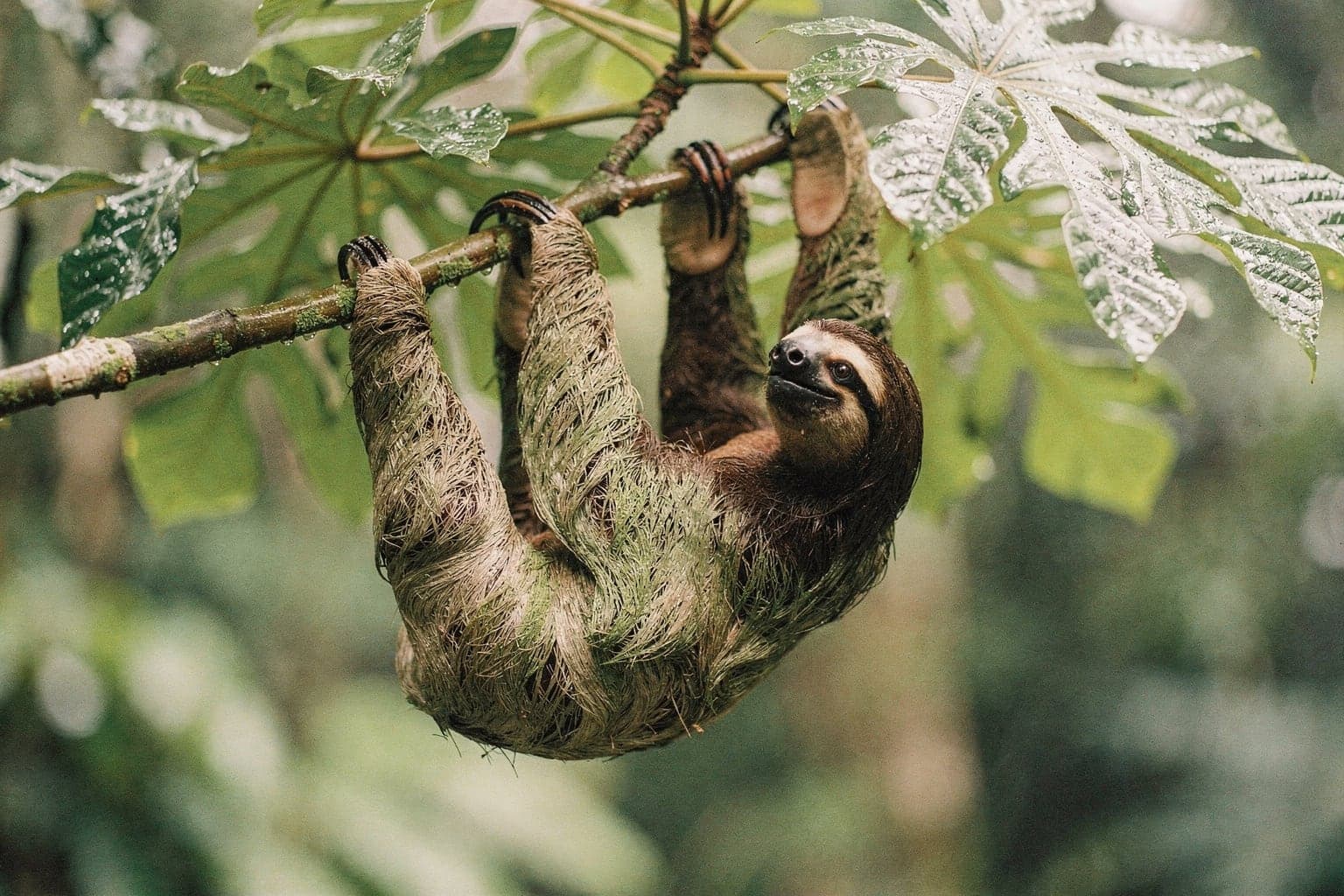
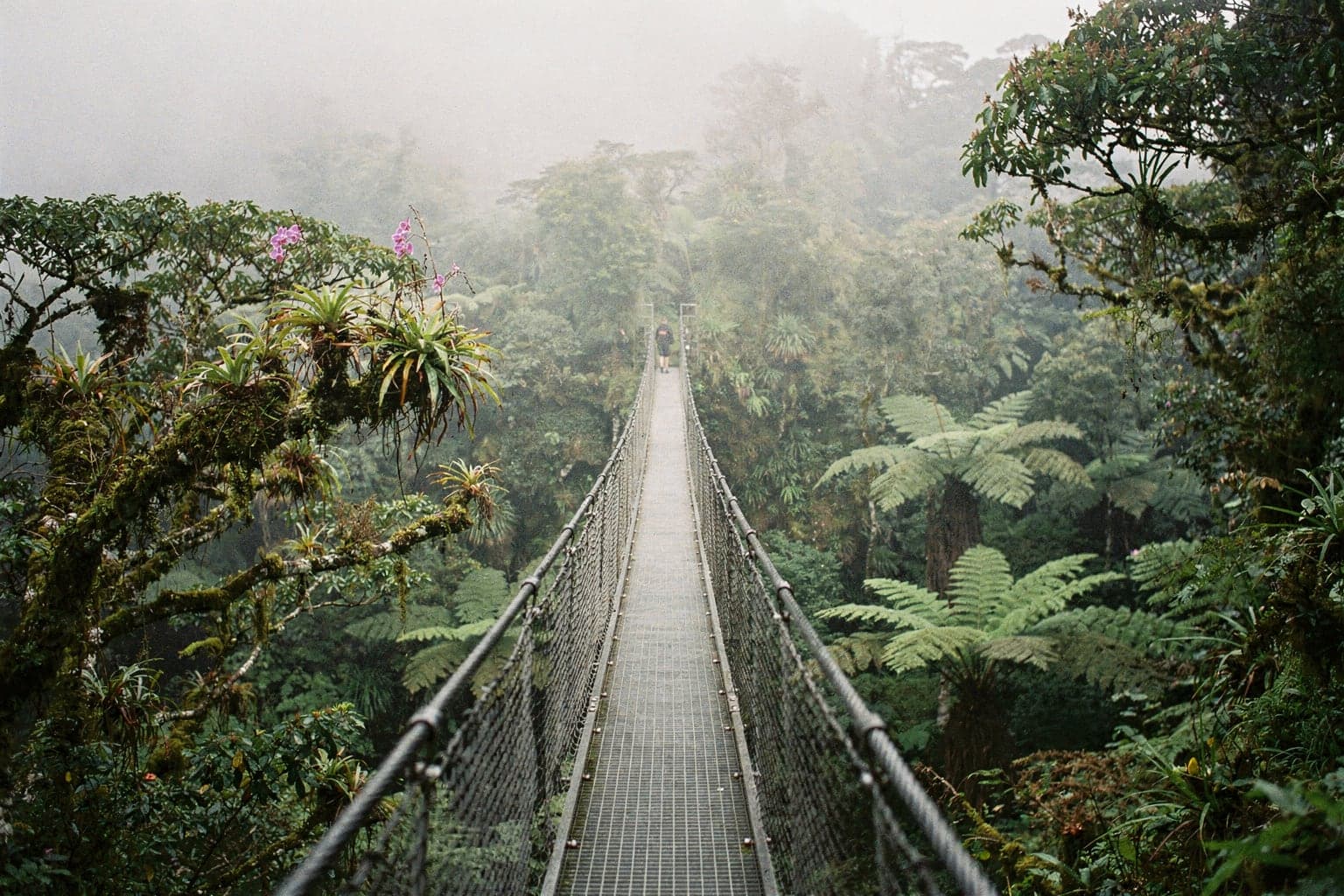
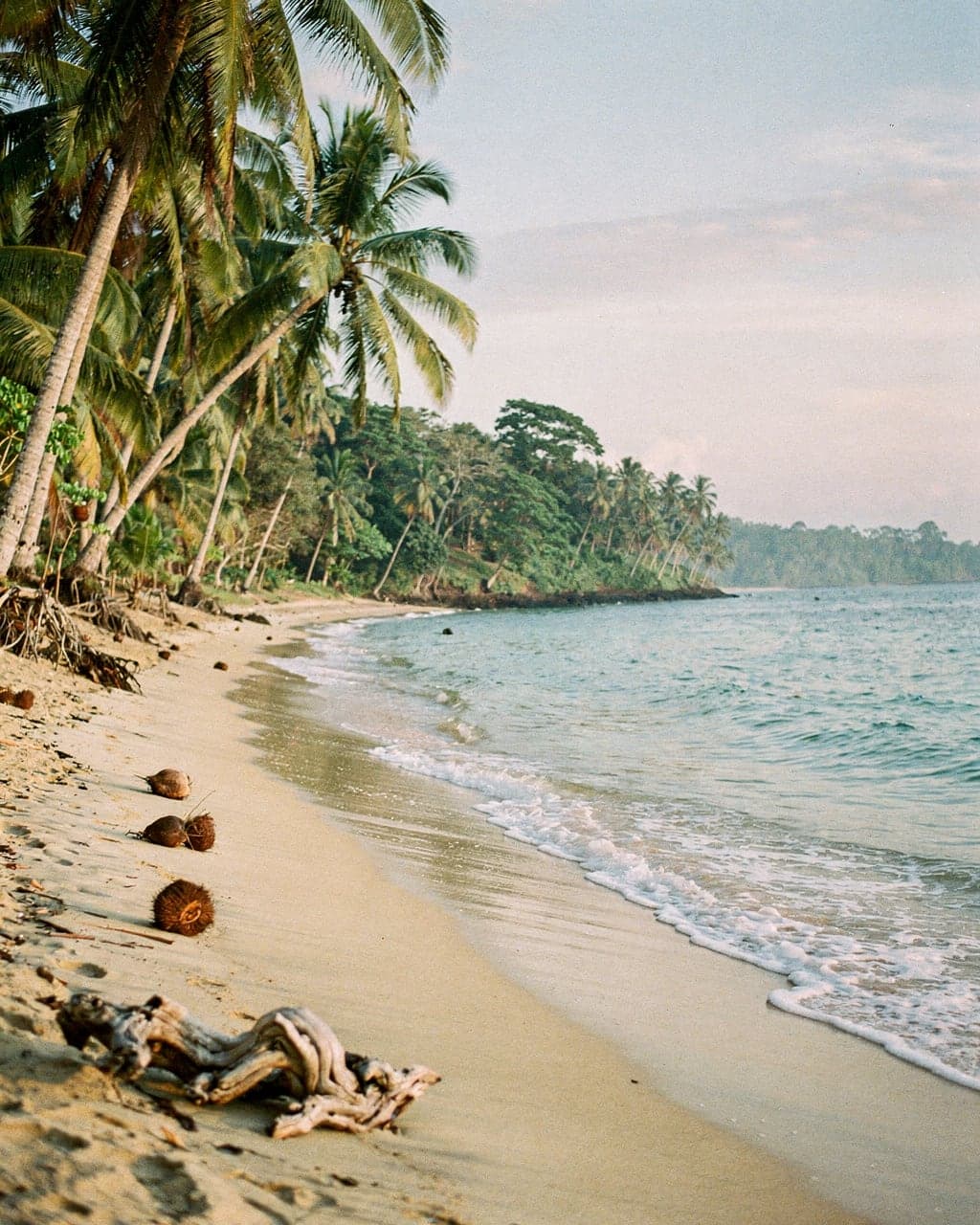
Illustration: Spike Travel (AI-assisted)
Questions people ask
Do I need a 4x4 in Costa Rica?
Not for the paved main routes between San José, La Fortuna, Manuel Antonio and Guanacaste. You do want a 4x4, or at least high clearance, for Monteverde's side roads, the Osa Peninsula, the southern Nicoya Peninsula and any road with a river crossing, especially in the green season. Rental contracts exclude water damage.
Can I use US dollars in Costa Rica?
Yes, widely in tourist areas, and many hotels and tours quote in dollars. Buses, sodas and small shops prefer colones, and change usually comes in colones. On 12 October 2026 the central bank's reference rate was about ₡450 to the dollar.
When is the rainy season in Costa Rica?
On the Pacific side and in the Central Valley, roughly May to November, with the heaviest rain in September and October. The Caribbean coast follows a different pattern, with drier spells in February and March and again in September and October.
Is Costa Rica safe for tourists?
Generally, with care. The US rates it Level 2 (exercise increased caution) because of crime, and 2025 brought 873 homicides, most linked to drug gangs. For visitors the real risks are car break-ins, petty theft and rip currents.
Do I need proof of onward travel to enter Costa Rica?
Yes. Immigration can ask for a ticket out of the country dated within your permitted stay and for proof of funds of US$100 per month. Airlines often check before you board a one-way flight.
How many days do you need in Costa Rica?
Ten days covers three regions comfortably, such as Arenal, Monteverde and one coast. Add four or five days for the Osa Peninsula or the Caribbean.
Is there a departure tax when leaving Costa Rica?
Yes, US$29 when you leave by air, which is almost always included in your ticket. Check your fare breakdown if you booked a cheap or unusual ticket.
Sources
Where the facts on this page come from. Dates show when we last checked each one.
- Embassy of Costa Rica in the UK: Visa-exempt countries (first and second groups)accessed Oct 12, 2026
- Visit Costa Rica (ICT): Entry requirementsaccessed Oct 12, 2026
- US Department of State: Costa Rica travel advisory and entry requirementsaccessed Oct 12, 2026
- GOV.UK: Costa Rica travel advice, entry requirementsaccessed Oct 12, 2026
- Government of Canada: Travel advice for Costa Ricaaccessed Oct 12, 2026
- Smartraveller: Costa Ricaaccessed Oct 12, 2026
- Fragomen: Costa Rica increases period of stay for group one visitors (September 2023)accessed Oct 12, 2026
- Banco Central de Costa Rica: Reference exchange ratesaccessed Oct 12, 2026
- SINAC: Parque Nacional Manuel Antonio, hours and ratesaccessed Oct 12, 2026
- SINAC: Parque Nacional Volcán Arenal, ratesaccessed Oct 12, 2026
- SINAC: Poás Volcano National Park, entrance ratesaccessed Oct 12, 2026
- SINAC: Online ticket purchaseaccessed Oct 12, 2026
- The Tico Times: Costa Rica tightens Poás Volcano visitation rules after eruption (28 August 2026)accessed Oct 12, 2026
- Yahoo Travel: Corcovado's Sirena sector closed through October 2026 (7 October 2026)accessed Oct 12, 2026
- Monteverde Cloud Forest Preserve: Visit the preserveaccessed Oct 12, 2026
- Visit Costa Rica (ICT): Weather and seasonsaccessed Oct 12, 2026
- Wikipedia: San José, Costa Rica climate table (Juan Santamaría airport, citing Deutscher Wetterdienst)accessed Oct 12, 2026
- Sansa Airlines: Destinationsaccessed Oct 12, 2026
- Sansa Airlines: Baggage FAQaccessed Oct 12, 2026
- Interbus Costa Rica: Shared shuttlesaccessed Oct 12, 2026
- Vamos Rent-A-Car: Rental insurance explainedaccessed Oct 12, 2026
- Adobe Rent a Car: Road restrictions and river crossingsaccessed Oct 12, 2026
- Swissinfo/EFE: Costa Rica recorded 873 homicides in 2025 (January 2026)accessed Oct 12, 2026
- World Animal Protection: Costa Rica urges tourists not to take wildlife selfiesaccessed Oct 12, 2026
- INEC: Demographic estimates and projections 2025accessed Oct 12, 2026
- kölbi: Prepaid internet packagesaccessed Oct 12, 2026
- The Rio Times: Costa Rica travel costs, citing ICT 2023 hotel price monitoringaccessed Oct 12, 2026
- The Tico Times: Cordero's Bar and the chifrijo (2018)accessed Oct 12, 2026
- Tripadvisor: Terminal 7-10 bus to La Fortuna (traveller-reported fare, sanity check)accessed Oct 12, 2026
If you like Costa Rica
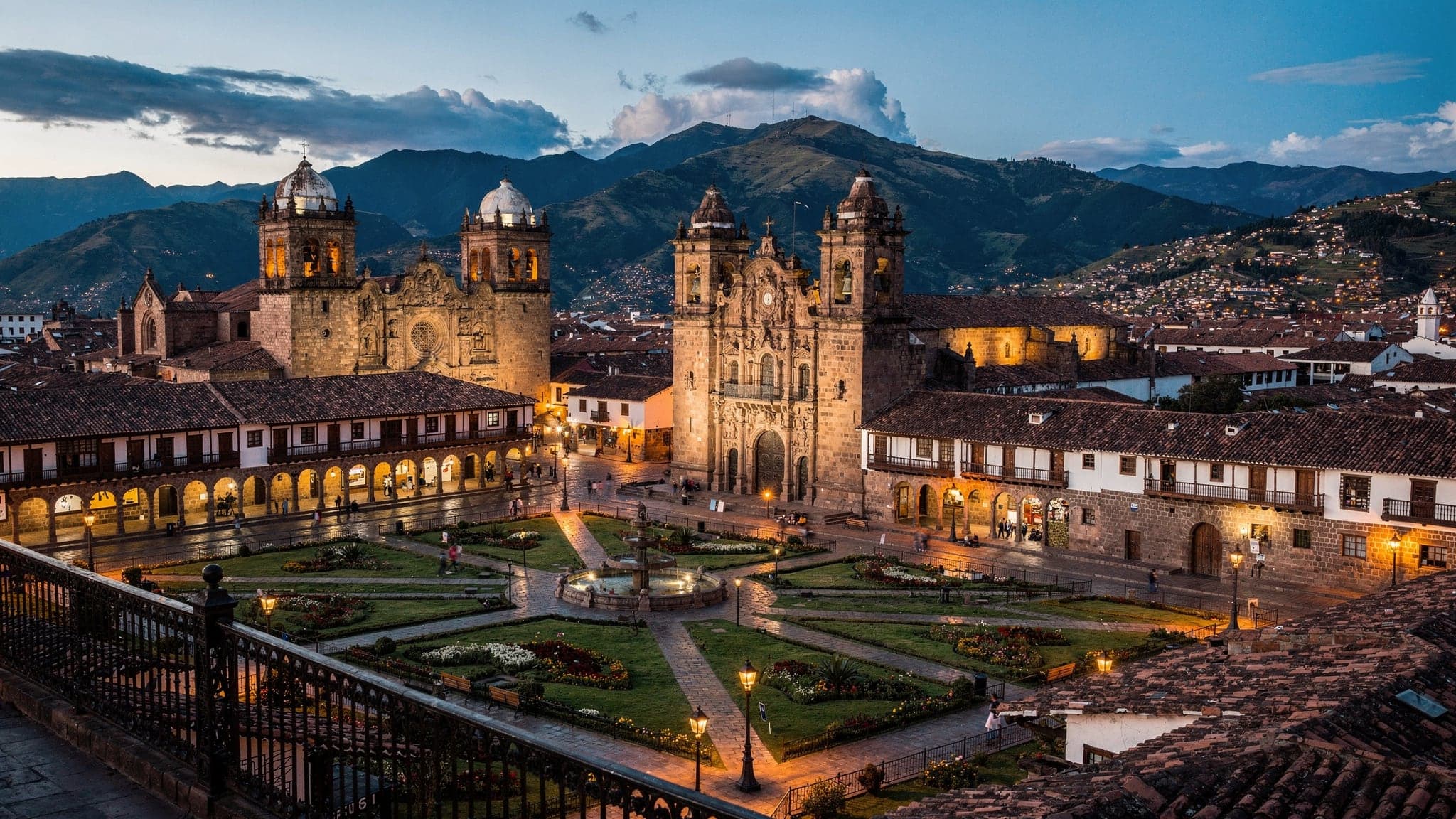
Peru
Cusco
Inca stone under Spanish balconies at 3,400 metres, with Machu Picchu a train ride down the valley.
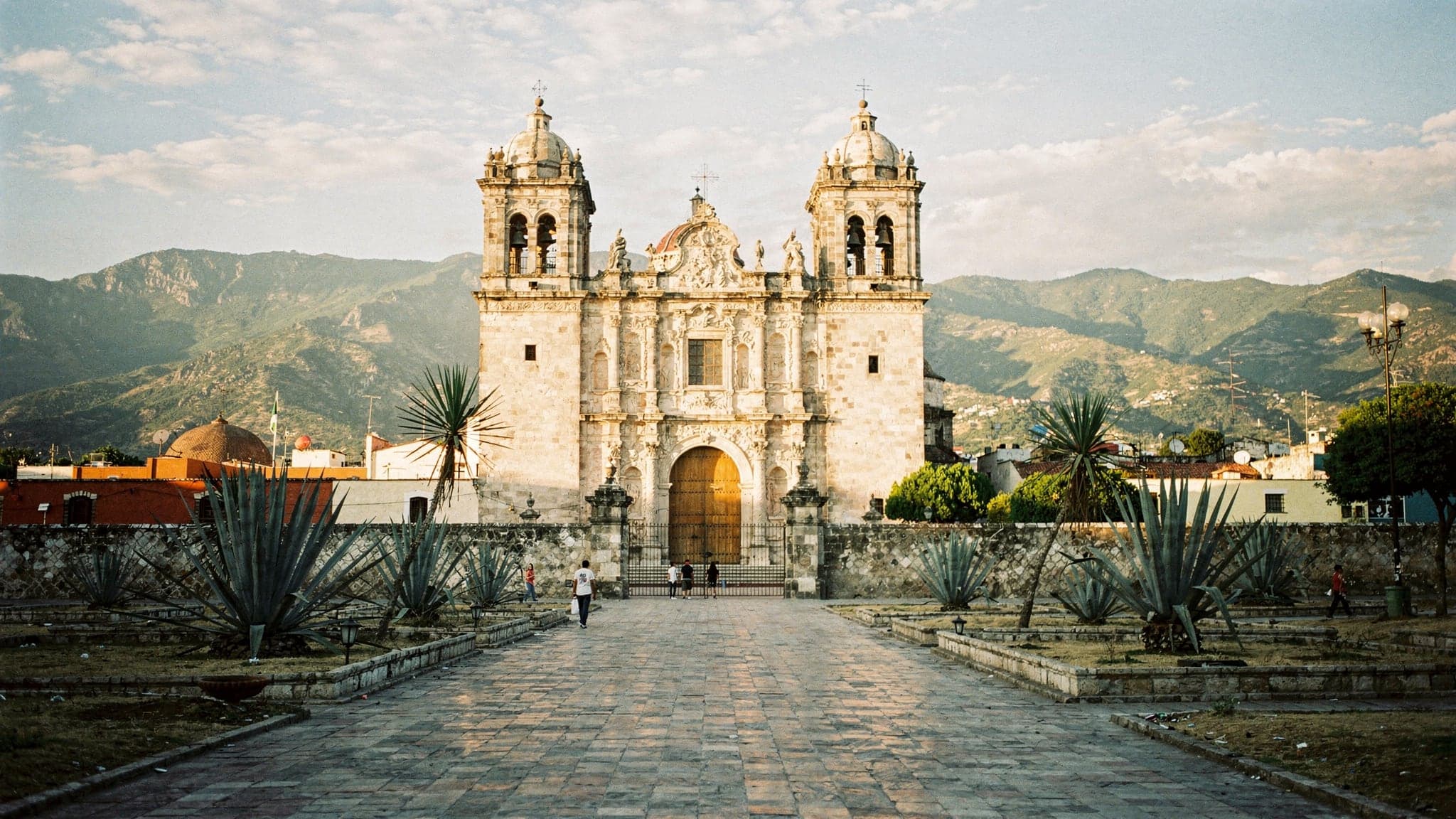
Mexico
Oaxaca
Mole, mezcal and Zapotec stone in a highland valley that still keeps its market days.
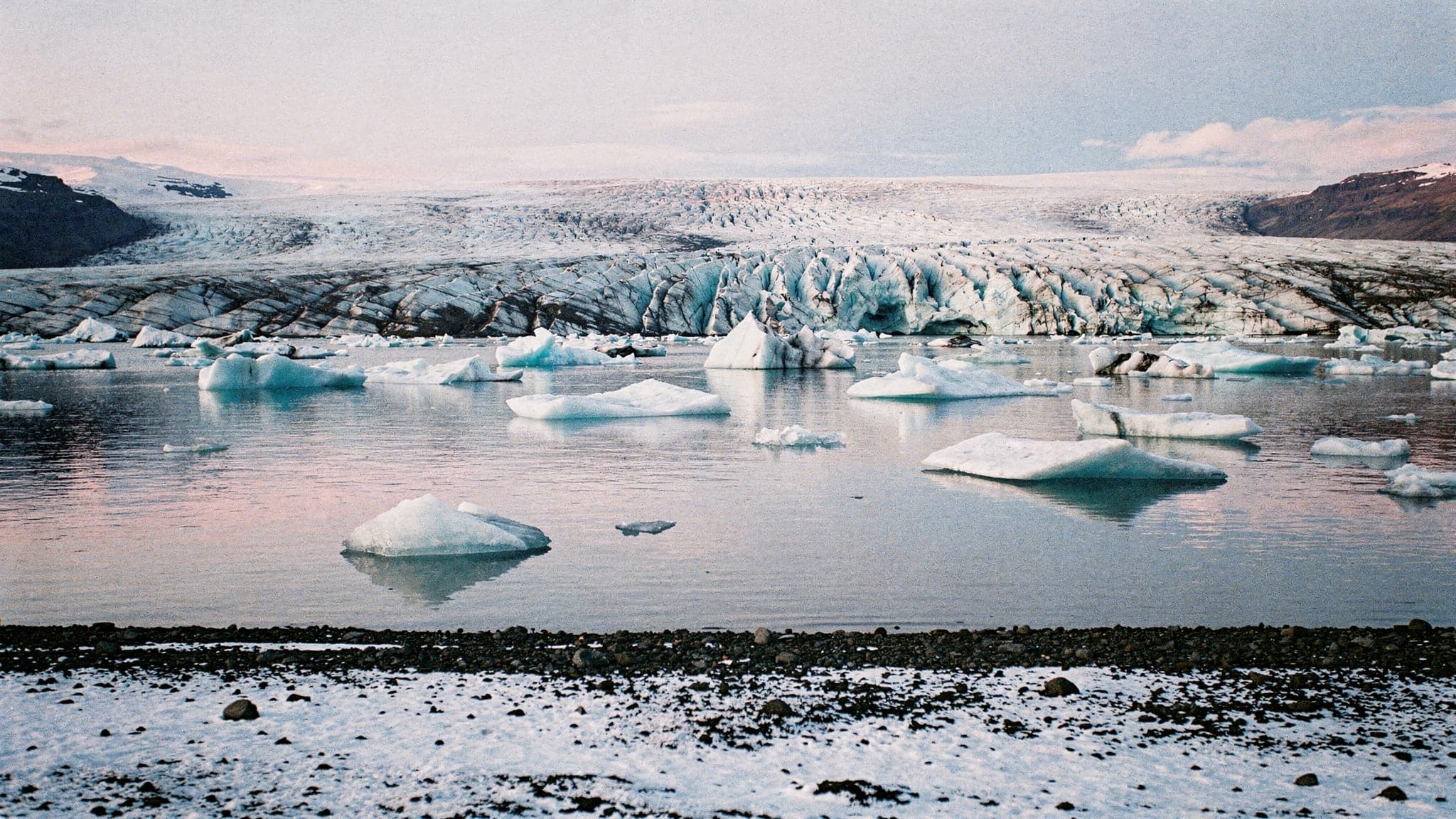
Iceland
Iceland
A country where the weather sets the itinerary, and the reward for patience is a sky that moves.
Book Costa Rica
These links go to the booking sites we would use ourselves. Nothing here is currently sponsored.
Fast facts
- Currency
- Costa Rican colón (CRC)
- Languages
- Spanish, English (widely spoken in tourism), Mekatelyu (Limonese Creole), Bribri, Cabécar
- Plugs
- Type A, B, 120 V, 60 Hz
- Time zone
- Costa Rica (GMT-6)
- Tap water
- Generally safe; locals often filter
- Tipping
- Restaurant bills include a 10% service charge by law plus 13% VAT; tip guides and drivers separately if they earned it.
- Driving
- On the right
- Emergency
- 911
- Dialing code
- +506
- Safety
- 3/5
When to go
Best: Jan–Mar.
Good for
- Culture & history2/5
- Food & drink3/5
- Nature & scenery5/5
- Adventure5/5
- Beaches4/5
- Nightlife2/5
- Romance4/5
- Family-friendly5/5
- Value for money2/5
- Big-city energy1/5
- Slow & restorative4/5
- Wildlife5/5