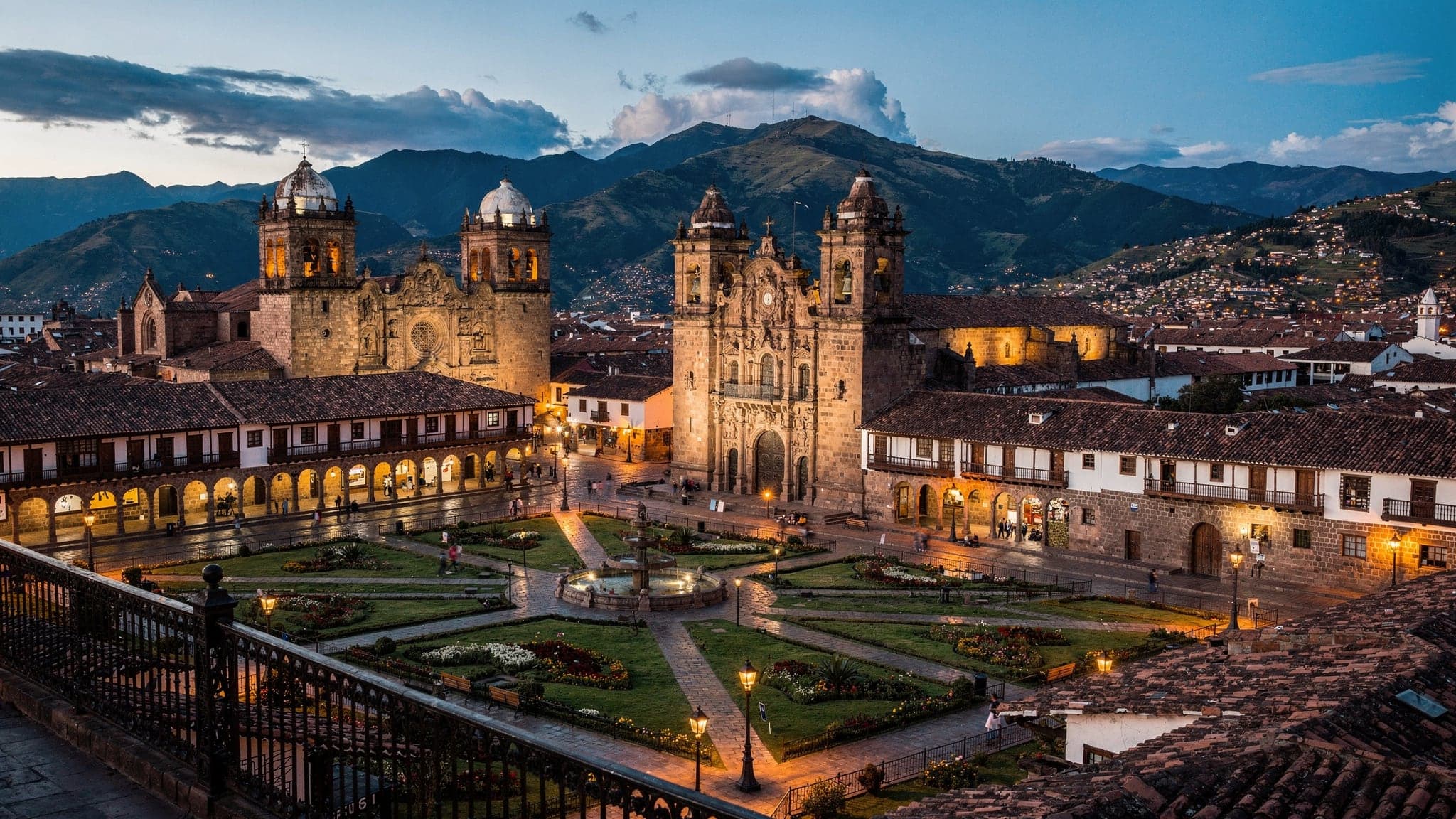
Peru, Southern Peruvian Andes
Cusco
Inca stone under Spanish balconies at 3,400 metres, with Machu Picchu a train ride down the valley.
Illustration: Spike Travel (AI-assisted)

By Spike Travel Editorial Desk, Editorial team
Published Oct 12, 2026
Disclosure: A researched briefing compiled from official sources and published reporting. No press trip, hosted stay or free service was involved, and no business named here saw the copy before publication.
- Best time
- May, Sep
- Daily budget
- $40–450
- Safety
- 3/5
- Strongest for
- Culture & history, Nature & scenery, Adventure
Cusco was the Inca capital, and its streets still run on Inca foundations with Spanish churches on top. At 3,399 metres it is the base for the Sacred Valley, Rainbow Mountain, the Inca Trail and Machu Picchu, which now sells timed, circuit-based tickets under daily caps. Plan for the altitude, book trains and permits early, and leave a spare day for strikes and weather.
Why go
Walk up Hatun Rumiyoc, the lane that climbs from Calle Triunfo towards San Blas, and look closely at the walls. The lower courses are Inca: grey stone blocks cut to fit one another without mortar, including one with twelve angles that draws a steady crowd of cameras. Above them sit whitewashed colonial storeys with carved wooden balconies. The Spanish built their city directly on top of the Inca capital, and the seam between the two empires runs through almost every street in the centre.
That layering is the reason to come, even before Machu Picchu. The Qorikancha, the Incas' Temple of the Sun, still carries the Dominican convent that was built over it. Quechua is spoken across the counters of San Pedro market. Religious processions, folk dancers and Andean brass bands fill the Plaza de Armas through the year, and in June the city stages Inti Raymi, the Inca sun festival, on the terraces of Sacsayhuamán above town.
The Sacred Valley lies below to the north, and Machu Picchu is a bus and train ride further down the Urubamba gorge. The striped ridges of Vinicunca are three hours away by road. All of it starts here, at 3,399 metres, where the first lesson is to walk slowly and breathe.
The lay of the land
Cusco fills a bowl in the mountains. The Plaza de Armas is the centre of everything, with the cathedral and the Jesuit church of La Compañía on two of its sides. San Blas, the artisans' quarter, climbs the slope to the north-east. San Cristóbal sits on the hill directly above the plaza, and Sacsayhuamán spreads across the ridge above that, a 25 to 30 minute uphill walk from the centre. To the south-west are San Pedro market and the station of the same name. Avenida El Sol runs south-east past the Qorikancha towards Wanchaq and the airport.
North of the city the land drops into the Sacred Valley of the Urubamba, roughly 600 metres lower. Pisac sits at its eastern end and Ollantaytambo at the western end, the main railhead for Machu Picchu. The tracks follow the river down to Aguas Calientes, officially Machu Picchu Pueblo, which has no road connection to Cusco. The citadel itself sits at 2,430 metres on the ridge above it.
Rainbow Mountain lies in the opposite direction, about three hours' drive south-east, near the glaciers of Ausangate. The walk starts at around 4,600 metres.
Areas at a glance
Centro Histórico$$$$
Plaza de Armas, the cathedral and Inca walls, with the widest choice of hotels
Best for: First-timers and short stays
San Blas$$$$
Artisan quarter on a steep hillside of workshops, cafés and staircases
Best for: Couples and slow wanderers who don't mind climbing
San Pedro$$$$
Market district by San Pedro station, cheaper, noisier and more local
Best for: Budget travellers and early trains
Wanchaq$$$$
Flat, modern and residential, near the airport and the bimodal bus station
Best for: Early flights and rainy-season train connections
Ollantaytambo$$$$
Inca-planned Sacred Valley town around 600 metres lower than Cusco, with the main station for Machu Picchu
Best for: Acclimatising, trekkers and early trains
When to go
Cusco has two seasons. From May to September it is dry: June gets around 3 mm of rain on average, days reach 21°C and nights fall close to freezing, with lows around 1°C in July. From December to March the rain arrives, peaking at about 153 mm in January, and afternoon storms, mud and landslides become part of the planning. Daytime highs barely change all year, so pack for both sun and frost.
The Ministry of Culture allows 5,600 visitors a day into Machu Picchu in high season, from 19 June to 2 November plus New Year and Easter dates, and 4,500 a day the rest of the year. PeruRail's summary of the ministry calendar lists some routes, including the Huayna Picchu climb, as closed from 16 October to 29 December, so check before you book a late-year visit. The Inca Trail closes every February for maintenance.
The dry season is not a guarantee. On 18 August 2026 the ministry halted entry to the Inca Trail network after unusual storms caused landslides and flooded campsites, and the main routes stayed shut until early September.
Events worth planning around: Inti Raymi on 24 June, which fills hotels for a week either side; Corpus Christi, when the saints of Cusco's parishes are carried through the plaza, on 27 May 2027; Easter week, with processions in late March 2027; and Santurantikuy, the Christmas Eve craft market in the Plaza de Armas.
Cusco month by month
Best: May, Sep. Bars show our 1–5 rating; numbers are average daily highs in °C. The outlined bar is this month.
Month-by-month table
| Month | Rating | High / low °C | Rain mm | Note |
|---|---|---|---|---|
| January | 2/5 | 21 / 8 | 153 | Wettest month; Machu Picchu runs its high-season cap on 1 January |
| February | 2/5 | 20 / 8 | 132 | Inca Trail closed all month for maintenance; Carnival water fights |
| March | 3/5 | 21 / 8 | 106 | Rains easing; Easter week processions (Easter Sunday is 28 March 2027) |
| April | 4/5 | 21 / 6 | 38 | Green hills, fewer showers, shoulder-season prices |
| May | 5/5 | 21 / 4 | 7 | Dry season begins; Corpus Christi procession on 27 May 2027 |
| June | 4/5 | 21 / 2 | 3 | Inti Raymi on 24 June; Machu Picchu's 5,600-a-day high-season cap starts 19 June |
| July | 4/5 | 21 / 1 | 6 | Coldest nights and biggest crowds; clear skies for trekking |
| August | 4/5 | 22 / 3 | 7 | Dry and windy, though a freak storm shut the Inca Trail for weeks in August 2026 |
| September | 5/5 | 22 / 5 | 18 | Warm days, cold nights, thinner crowds than July |
| October | 4/5 | 22 / 7 | 55 | Afternoon showers return; some Machu Picchu routes close from 16 October |
| November | 3/5 | 22 / 8 | 77 | Low-season cap of 4,500 a day from 3 November |
| December | 2/5 | 21 / 8 | 125 | Wet; the Santurantikuy craft market fills the Plaza de Armas on 24 December |
May to September is dry and sunny with near-freezing nights, the best season for trekking and the busiest. April, May and September are the sweet spot. December to March is wet, and the Inca Trail closes every February.
What it costs
Cusco itself is good value. A menú del día set lunch of soup, main and a drink costs S/15–20, a city bus ride S/1.20, and a taxi from the airport S/20–30. Dorm beds run S/35–60. Booking.com's average for a 3-star room on an October 2026 weekend was about US$105, and heated rooms cost more. At the time of writing US$1 bought about S/3.44.
The Boleto Turístico del Cusco is the city's best deal: S/130 covers 16 sites over 10 days, including Sacsayhuamán, Pisac, Ollantaytambo, Moray and Chinchero, and partial circuit tickets cost S/70. The Qorikancha and the cathedral sell their own tickets.
Machu Picchu is where budgets break. Entry for foreign adults is S/152 for the standard circuits, plus an S/11 conservation fee collected since May 2026, so S/163 in total, or S/211 with Huayna Picchu or Machu Picchu Mountain. The bus from Aguas Calientes costs US$24 return. Trains price dynamically, and the basic Expedition and Voyager classes typically cost US$60–90 each way from Ollantaytambo, more from Cusco and for the panoramic carriages.
Loading tool…
What a day costs
Shoestring
$40
per person, per day, no flights
Mid-range
$120
per person, per day, no flights
Luxury
$450
per person, per day, no flights
Shoestring buys a dorm bed, menú del día lunches, city buses and the Boleto Turístico sites. Mid-range covers a heated 3-star room, a sit-down dinner and a guided Sacred Valley day. Luxury means a heritage hotel, private guides and drivers. A Machu Picchu day (train, bus, ticket and guide) adds roughly US$200–300 per person to any tier.
| Item | Local price | ≈ USD | Note |
|---|---|---|---|
| Espresso in a café | S/7 | $2 | Coca tea (mate de coca) costs less and is offered free in many hotels |
| Cusqueña beer, 620 ml, in a bar | S/10–14 | $3.5 | About half that from a corner shop |
| Menú del día set lunch | S/15–20 | $5 | Soup, main and a drink; market stalls run cheaper |
| Mid-range dinner for two with drinks | S/180–260 | $65 | |
| City bus ride | S/1.20 | $0.35 | Fare rose in 2026; pay in coins |
| Taxi from the airport | S/20–30 | $7 | 15–25 minutes to the Plaza de Armas; Uber also operates |
| Hostel dorm bed | S/35–60 | $13 | |
| 3-star double | S/250–360 | $90 | Booking.com's weekend average for 3-star rooms was about US$105 in October 2026 |
| Machu Picchu entry, standard circuits | S/163 | $47 | S/152 ticket plus the S/11 SERNANP fee since May 2026; mountain routes S/211 |
| Boleto Turístico del Cusco (16 sites, 10 days) | S/130 | $38 | |
| Bus from Aguas Calientes to Machu Picchu, return | US$24 | $24 | Consettur's fare; the rival Torontoy buses charge US$22 |
| Travel eSIM, 5 GB | About US$16 | $16 | Local SIMs are hard for tourists to buy since late 2025 |
Prices verified Oct 12, 2026. Exchange rates move; treat USD as a guide.
Build a budget for CuscoGetting there and around
Most international travellers connect through Lima for the short flight to Cusco's Alejandro Velasco Astete airport. The airport sits in the city itself, 15 to 25 minutes from the Plaza de Armas. Use the official taxis inside the terminal or Uber, and expect S/20–30. A new airport at Chinchero, in the hills above the Sacred Valley, was expected to be completed in late 2027 at last report.
In the centre you walk. The streets are steep and narrow, and pavements shrink to a single slab in places. Uber works well for longer hops and at night. City buses cost S/1.20 but are crowded and hard to read for visitors.
For Machu Picchu, PeruRail and Inca Rail both run trains from Ollantaytambo to Aguas Calientes, which takes about 1 hour 30 minutes. From May to December PeruRail also runs from San Pedro station in central Cusco (about four hours) and Poroy (about three hours). From January to April, PeruRail's Cusco departures become bimodal: a bus from Wanchaq to the valley, then the train. PeruRail limits hand luggage to 8 kg, so leave big bags in Cusco. PeruRail opened sales for 2027 travel on 22 September 2026.
From Aguas Calientes, buses climb the switchbacks to the citadel in about 30 minutes. Two companies currently share the road, Consettur and San Antonio de Torontoy, while the local council reruns a disputed tender. The walk up takes 1.5 to 2 hours on steep stone steps.
Arriving and moving around
- CUZAlejandro Velasco Astete International Airport, Cusco. To the centre: 15–25 minutes to the Plaza de Armas by taxi (S/20–30) or Uber
- LIMJorge Chávez International Airport, Lima. To the centre: The usual international gateway; connect to a domestic flight to Cusco of about 1 hour 20 minutes
The historic centre is compact and best walked, but it is steep, cobbled and at 3,399 metres, so go slowly on day one. Uber works in Cusco and is the safest way to take a taxi after dark; avoid hailing cars on the street. City buses cost S/1.20. For Machu Picchu, trains run from Ollantaytambo (about 1 hour 30 minutes) with PeruRail and Inca Rail; PeruRail also runs from San Pedro and Poroy stations in Cusco from May to December, while January to April Cusco departures become bus-plus-train services from Wanchaq. From Aguas Calientes, buses climb to the citadel in about 30 minutes, or you can walk the steep stone stairs in 1.5 to 2 hours.
Where to stay
First-timers should stay in the Centro Histórico, within a few blocks of the Plaza de Armas, where you can walk to most sights and restaurants. The top end is here: Monasterio, A Belmond Hotel, occupies a former monastery dating from 1592, and Inkaterra La Casona is a small colonial mansion hotel on Plaza Nazarenas. Casa Andina Premium Cusco on Limacpampa square is a dependable mid-range choice with courtyard rooms.
San Blas suits couples and anyone who likes quiet lanes and artisans' workshops, but every return trip involves stairs. Antigua Casona San Blas is a family-run boutique hotel with radiant heating. Around San Pedro market prices drop and the streets get busier and noisier; Tierra Viva Cusco Centro is a solid base there, and Pariwana Hostel Cusco is the sociable budget pick near the main square. Wanchaq is flat and characterless but handy for early flights and rainy-season trains.
Consider splitting your stay. Ollantaytambo sits about 600 metres lower, which helps with acclimatisation, and it puts you on the platform for early trains. El Albergue Ollantaytambo is a long-running inn right beside the station. If you want to be at Machu Picchu for an early slot, spend one night in Aguas Calientes; most people find one is enough.
Ask any hotel about heating before you book. Cusco nights hover near freezing from June to August, and many cheaper rooms have none.
Places we'd book
- Check rates
Monasterio, A Belmond HotelLuxuryCentro Histórico
A former monastery dating from 1592, with rooms around a stone courtyard a few minutes from the Plaza de Armas.
- Check rates
Inkaterra La CasonaLuxuryCentro Histórico, Plaza Nazarenas
A small Relais & Châteaux hotel in a colonial mansion with fireplaces and a quiet square outside.
- Check rates
Antigua Casona San BlasSomething differentSan Blas
A family-run boutique hotel of 50 rooms with radiant heating, which matters on July nights.
- Check rates
Casa Andina Premium CuscoMid-rangeCentro Histórico, Limacpampa
Courtyard rooms in an old townhouse from Peru's biggest home-grown hotel chain.
- Check rates
Tierra Viva Cusco CentroMid-rangeSan Pedro
A reliable mid-range base a few blocks from San Pedro market and station, with a buffet breakfast.
- Check rates
Pariwana Hostel CuscoBudgetCentro Histórico
A big, social hostel with its own restaurant and bar, about 400 metres from the main square.
- Check rates
El Albergue OllantaytamboSomething differentOllantaytambo
A long-running inn beside the Ollantaytambo station, ideal before an early train to Machu Picchu.
What to do
Machu Picchu tickets now come with a circuit, a route and an entry hour, and you move one way through the site. Circuit 1 stays high for the panoramic views and includes the Machu Picchu Mountain and Sun Gate routes. Circuit 2 is the classic walk through the citadel. Circuit 3 covers the lower royal sector and is the one that pairs with the Huayna Picchu climb, capped at 400 people a day. Most routes allow up to two and a half hours inside. Since 22 September 2026 the ministry's site sells tickets instantly, with no held reservations, and in-person sales continue in Cusco and Aguas Calientes. Licensed guides wait at the entrance or can be booked ahead; the stones explain very little on their own.
In Cusco, start at the Qorikancha, where Inca walls run through the convent cloister, then climb to Sacsayhuamán in the late afternoon when the light hits the zigzag walls. The Boleto Turístico also opens Qenqo, Puka Pukara and Tambomachay on the same ridge, an easy downhill sequence by taxi and foot.
Give the Sacred Valley at least a day. Pisac's terraces and Ollantaytambo's temple are the headline sites, while Moray's circular terraces and the salt pans of Maras make a good half-day from Chinchero. If you have the lungs for it, Rainbow Mountain is a long day for a short walk: around six hours in a van and up to three hours on foot to a 5,036-metre viewpoint. Canada's travel advice notes that access is regularly disrupted by disputes between local communities, so confirm with your operator the day before.
The classic Inca Trail is the best way to arrive at Machu Picchu. Permits are tied to a named passport holder and sold only through licensed operators, and for 2026 they went on sale the previous November. At 9 October 2026 the 2027 release date had not been announced.
The shortlist
Machu PicchuDay trip
The Inca citadel on its ridge above the Urubamba gorge, now visited on fixed one-way circuits with timed entry. Circuit 1 stays high for the panoramic views, Circuit 2 covers the classic citadel routes, and Circuit 3 works the lower royal sector and includes the Huayna Picchu climb.
S/152 for foreign adults plus an S/11 SERNANP fee (S/211 with Huayna Picchu or Machu Picchu Mountain). Buy on tuboleto.cultura.pe: 15 minutes to pay, ticket tied to your passport, no date changes. Caps are 5,600 a day from 19 June to 2 November and 4,500 otherwise.
Book ticketsQorikanchaSee
The Incas' Temple of the Sun, its curved and fitted walls now carrying the Dominican convent of Santo Domingo. The best single place to see how the two cities were stacked.
Separate ticket of about S/15 at the door; allow an hour and go mid-morning for light in the courtyard.
Book ticketsSacsayhuamánSee
Zigzag terraces of enormous fitted boulders on the hill above the city, and the stage for the Inti Raymi re-enactment every 24 June.
On the Boleto Turístico (S/130 for 16 sites over 10 days, or S/70 for a partial circuit). A stiff 25 to 30 minute uphill walk from the Plaza de Armas.
Book ticketsMercado Central de San PedroEat
Cusco's main market since 1925: juice stalls, soup counters, giant breads, potatoes in dozens of varieties and a meat hall that is not for the squeamish.
Roughly 6:30am to 6pm Monday to Saturday, shorter hours on Sunday. Keep bags in front of you.
Sacred Valley, Pisac and OllantaytamboDay trip
The Urubamba valley below Cusco, with Pisac's agricultural terraces and Sunday market at one end and the fortress-temple and living Inca town of Ollantaytambo at the other.
Pisac, Ollantaytambo, Chinchero and Moray are on the Boleto Turístico. Go with a driver or tour, or stay a night in Ollantaytambo before your train.
Book ticketsMoray and the Maras salt pansDay trip
Concentric Inca terraces sunk into the plateau at Moray, and a few minutes away the white and ochre salt terraces of Maras, still worked by local families.
Moray is on the Boleto Turístico; the salt pans charge their own community entry. Combine both with Chinchero in a half-day.
Book ticketsVinicunca (Rainbow Mountain)Day trip
Mineral-striped ridges about three hours' drive from Cusco. The walk is only 1 to 1.5 hours each way, but it climbs from a 4,600-metre trailhead to a 5,036-metre viewpoint.
Community entry about S/25 in cash. Tours leave Cusco around 4am. Only go once acclimatised, and ask your operator whether access is open; disputes between communities have closed it.
Book ticketsThe classic Inca TrailDo
The four-day trek over Dead Woman's Pass (Warmiwañusca) and through cloud forest to the Sun Gate. Daily permits are capped at 500, guides and porters included, which leaves roughly 200 places for trekkers.
Only licensed operators can buy permits, names can't be changed, and the trail closes every February. At 9 October 2026 the ministry had not announced when 2027 permits go on sale.
Book ticketsInti RaymiExperience
The Inca sun festival, staged on 24 June with morning ceremonies at the Qorikancha and the Plaza de Armas before the main performance at Sacsayhuamán.
Seats in the Sacsayhuamán stands sell out months ahead for around US$150–200 through agencies; the morning acts can be watched from the street.
Eat and drink
Cusco eats its big meal at lunch. Menú del día places fill from noon to 3pm, and many traditional quintas and picanterías close by early evening. For the old Cusco table, Quinta Eulalia has been serving since 1941; order the rocoto relleno, a baked stuffed pepper with real heat. Pachapapa, in a San Blas courtyard, roasts cuy (guinea pig) in a clay oven, and it is the place to try it if you are curious.
La Chomba, a picantería on Avenida Tullumayo dating to around 1960, pours chicha de jora, the sour, cloudy maize beer that predates the Spanish. For chicharrón, locals drive about 40 minutes south-east to Saylla, where pork-frying chicharronerías line the roadside; go at weekend lunchtime. At Corpus Christi, look out for chiri uchu, a cold festival platter of guinea pig, chicken, sausage, seaweed, fish roe and corn.
The Mercado Central de San Pedro, built in 1925, is the city's pantry. Sit at the juice aisle and you get a glass and a refill from the jug; the soup counters do lunches for less than any restaurant.
For modern Andean cooking, Chicha por Gastón Acurio on Plaza Regocijo serves regional dishes daily from noon, Cicciolina on Calle Palacio has been a favourite for years, and MAP Café sits in a glass pavilion inside the Museo de Arte Precolombino. MIL Centro, Virgilio Martínez's restaurant beside the Moray terraces, serves a lunch-only tasting menu that Food & Wine priced at US$360 a head in 2026.
Coca tea is offered everywhere and is the local remedy for altitude. Go easy on pisco for the first days: Canada's travel advice lists drinking before you acclimatise as a risk factor for altitude illness.
Order this
Cuy al horno
Guinea pig roasted whole in a wood or clay oven until the skin crackles, usually with potatoes and stuffed rocoto. A festival dish in Andean homes for centuries.
Try it at: Pachapapa, a clay-oven restaurant in a San Blas courtyard
Rocoto relleno
A fiery rocoto pepper stuffed with spiced beef, topped with cheese and baked.
Try it at: Quinta Eulalia, a traditional quinta open since 1941
Chicharrón
Chunks of pork simmered then fried in their own fat, served with mote (giant-kernel corn), mint and onion.
Try it at: The chicharronerías of Saylla, a town about 40 minutes south-east of Cusco known for little else
Chicha de jora
Lightly fermented maize beer, cloudy and sour, poured in huge glasses in traditional picanterías.
Try it at: La Chomba, a picantería on Avenida Tullumayo running since about 1960
Market juices and set lunches
Blended fruit juices served with a refill from the jug, and soups thick with quinoa, potatoes and corn.
Try it at: The juice aisle and lunch counters of Mercado Central de San Pedro
Modern Andean cooking
Alpaca, trout, native potatoes and Andean grains reworked by Peru's leading chefs.
Try it at: Chicha por Gastón Acurio on Plaza Regocijo, Cicciolina on Calle Palacio, or MAP Café in the Museo de Arte Precolombino courtyard
Practicalities
Money. The sol is the currency. Cards work in hotels, better restaurants and for trains, but markets, colectivos and community entry gates run on cash. Withdraw from ATMs inside banks and keep small notes.
Data. Buy an eSIM before you travel; 5 GB costs about US$16. Since late 2025 Peru's telecoms regulator has required foreigners to buy prepaid lines in person with fingerprint verification against immigration records, and Claro's January 2026 restart of sales covered only foreigners with residence cards.
Water and power. Don't drink the tap water; refill from hotel filters. Sockets are types A and C at 220 V and 60 Hz, so check that your chargers are dual-voltage.
Health. Altitude sickness is the main medical risk; descend if symptoms get worse, and talk to your doctor before you travel about preventive medication. Yellow fever vaccination is not recommended for a trip limited to Cusco, the Inca Trail and Machu Picchu, but it is recommended if you continue to Amazon areas below 2,300 metres.
Entry. Airports no longer stamp passports. After you land, download your TAM Virtual record from Migraciones; it proves your legal entry and the length of stay you were given.
Safety. Watch your bag in the plaza, at the market and at bus stations, and use Uber or hotel-booked taxis after dark. Avoid demonstrations, which can turn violent quickly. For emergencies, call 105 (police), 106 (ambulance) or 116 (fire).
Etiquette. Ask before photographing people, and expect people in traditional dress who pose with llamas to ask for a tip. Dress in layers for churches and keep shoulders covered.
LGBTQ+ travellers. Same-sex relationships are legal in Peru but not recognised in law, and attitudes in the Andes are conservative. Discretion in public is the norm; Cusco's tourist centre is relaxed.
Accessibility. Cusco is hard going for wheelchairs and anyone with limited mobility: cobbles, steep gradients, narrow pavements and altitude. Machu Picchu's circuits involve many uneven stone steps. Ask train and tour operators about assistance well in advance.
Phrases. "Buenos días" (good morning), "¿Cuánto cuesta?" (how much?), "La cuenta, por favor" (the bill, please). In Quechua, "allillanchu" asks how someone is, and "sulpayki" means thank you.
Entry rules by passport
| Passport | Rule | Max stay | Notes | Checked |
|---|---|---|---|---|
| United States | Visa-free | 90 days, extendable once for another 90 within 365 days | Peru's Foreign Ministry table (updated 16 July 2026) lists US citizens as visa-exempt tourists for 90 days. Airport arrivals are logged digitally on the virtual Andean Migration Card (TAM), which you can download free from Migraciones; land crossings still need a stamp. | Oct 12, 2026 |
| United Kingdom | Visa-free | Normally 90 days in 180; maximum 183 days in 365 | Passport must be valid for at least six months from arrival. Entry by air is registered on the virtual TAM; at a land border get a passport stamp, as you cannot leave without one. Overstays are fined. | Oct 12, 2026 |
| EU/Schengen | Visa-free | 90 days in any 180 | Covers EU and Schengen-associated passports under the Peru–EU short-stay visa waiver, per the Foreign Ministry table of 16 July 2026. Ireland is listed on the 90-day, extendable-once rule. | Oct 12, 2026 |
| Canada | Visa-free | Less than 90 days per 365-day period | Passport valid six months after arrival. Airports no longer stamp passports, so check your authorised stay online. Overstaying is a criminal offence with a daily fine payable on exit. | Oct 12, 2026 |
| Australia | Visa-free | Up to 90 days, granted on arrival | Smartraveller says tourists don't need a visa and receive a permit of up to 90 days on arrival; overstays are fined on departure. | Oct 12, 2026 |
Entry rules change without notice. Confirm with the official source linked in the Checked column before you travel.
Safety: 3/5
Most trouble in Cusco is petty: pickpocketing and bag grabs in the centre, markets and bus stations, and robberies by criminals posing as taxi drivers. The US rates Peru Level 2 (exercise increased caution); Canada and Australia say exercise a high degree of caution. The bigger risks are altitude sickness, strikes and protests that close roads and the railway with little notice, and community disputes that periodically block Rainbow Mountain.
- Unlicensed taxis hailed on the street, especially at night; use an app or a cab booked by your hotel
- Cut-price Machu Picchu packages that leave out the train, bus or entry ticket
- Lookalike ticket sites with markups; the Ministry of Culture sells Machu Picchu entry on tuboleto.cultura.pe
- Rainbow Mountain tours that skip acclimatisation and push guests to 5,000 m on their second day
- Costumed women with baby llamas who expect payment for photos; agree a price first or decline
Fast facts
- Currency
- Peruvian sol (PEN)
- Languages
- Spanish, Quechua
- Plugs
- Type A, C, 220 V, 60 Hz
- Time zone
- Lima (GMT-5)
- Tap water
- Drink bottled or filtered
- Tipping
- About 10% in sit-down restaurants if service isn't included; tip guides, drivers and trek crews in soles.
- Driving
- On the right
- Emergency
- 105 police, 106 ambulance (SAMU), 116 fire
- Dialing code
- +51
- Safety
- 3/5
What nobody tells you
The altitude humbles fit people. You may sleep badly, get a dull headache and lose your breath on the stairs to your room, and running for a train at 3,399 metres is a bad idea. Plan your first day in Cusco as a rest day, with a slow walk and an early night.
Machu Picchu is a managed site now. You enter at a fixed hour, follow a one-way route and get two and a half hours on most circuits, with staff steering anyone who strays from the path. Morning slots in high season feel busy, and cloud can sit on the ridge for hours. It is still extraordinary. Expect a timetable and plenty of company.
Strikes and blockades are part of life here. Protest days, called paros, can close roads and the railway with little warning, and in 2025 and 2026 a fight over the bus concession, a rockslide, a fire and a train collision all disrupted the Machu Picchu line. Keep a spare day.
Rainbow Mountain looks empty in photographs. In reality, many tour vans arrive at the trailhead at the same hour, the path is crowded, and the colours are softer than on social media. Some people turn back from the altitude. If you go, choose an operator that does not rush the hike, carry cash for the entry fee, and pack for sun, wind and cold.
Aguas Calientes is a functional town built around a railway station and restaurant touts. One night there is plenty.
Insider tips
- Sleep low first. Spend your first two nights in the Sacred Valley at about 2,800 metres, then move up to Cusco, and save Rainbow Mountain for the end of your trip.
- Buy Machu Picchu tickets on tuboleto.cultura.pe and nowhere else. Since September 2026 sales are instant, you have 15 minutes to pay, and the name must match your passport.
- If online tickets are gone, the Ministry of Culture sells up to 1,000 next-day tickets in Aguas Calientes from 3pm, subject to availability. Bring your passport.
- Download your free TAM Virtual record from Migraciones after you land. Hotels registered with SUNAT can drop the 18% IGV for tourists in Peru under 60 days who show their passport and migration record.
- Buy a travel eSIM before you fly. Since late 2025 foreigners can only buy prepaid lines in person with fingerprint checks, and Claro's restart of sales covered foreign residents only.
- Carry small notes. S/100 notes are hard to break in markets, on colectivos and at Rainbow Mountain's cash-only gate.
- From January to April, start your Machu Picchu train in Ollantaytambo. Cusco departures then become bus-plus-train services that add hours.
- Leave a spare day at the end of any Machu Picchu plan. Strikes, landslides and rail incidents all disrupted the line in 2026.
Skip it
- Same-day Machu Picchu round trips from Cusco, which mean seven or more hours of transport for a visit capped at two to three hours on most routes.
- Bargain Rainbow Mountain tours on your first or second day at altitude; the viewpoint is at 5,036 metres.
- Hailing taxis on the street at night. Criminals posing as drivers rob tourists; use Uber or a cab your hotel books.
- Machu Picchu tickets from lookalike websites or street resellers. Names are checked against passports at the gate.
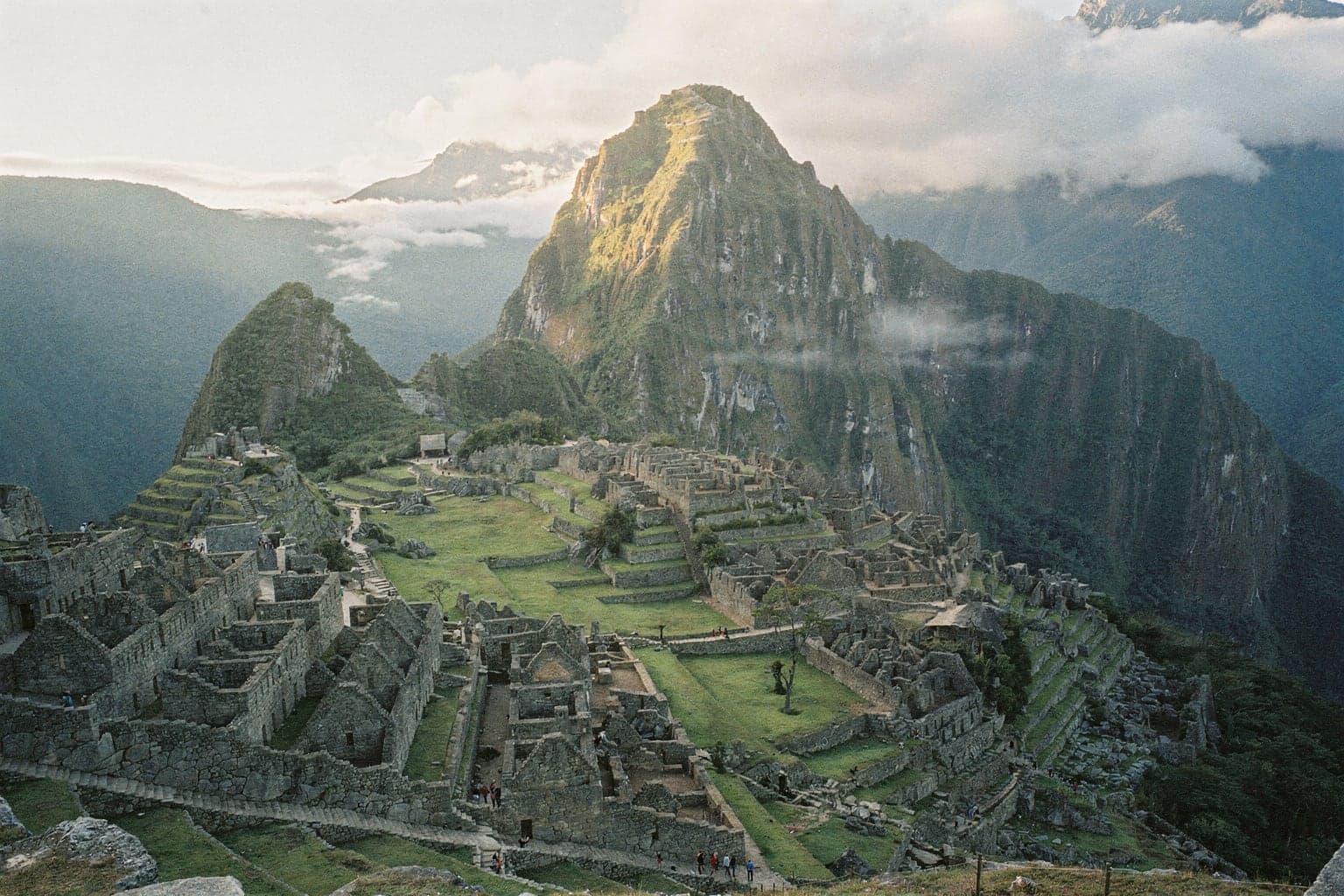
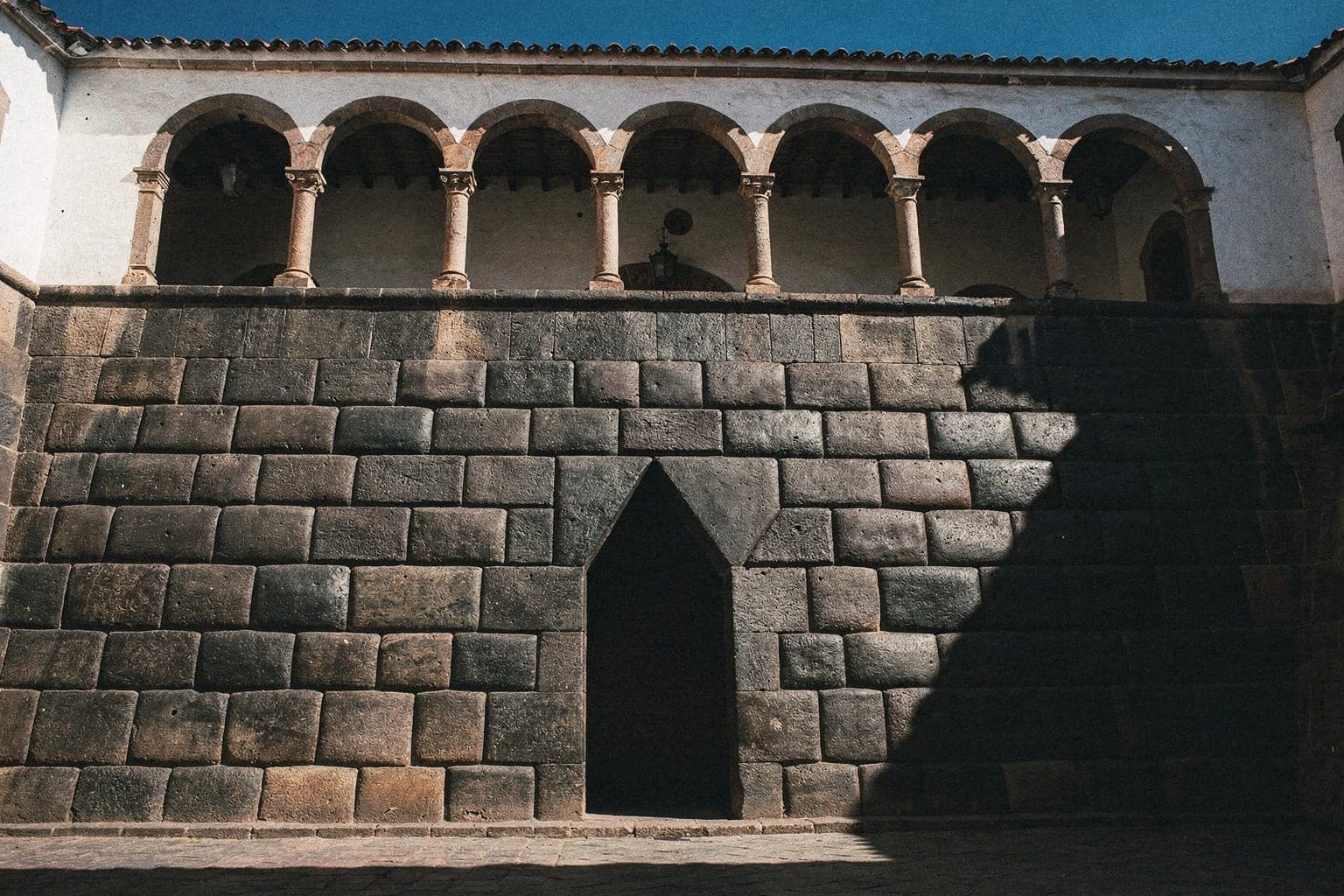
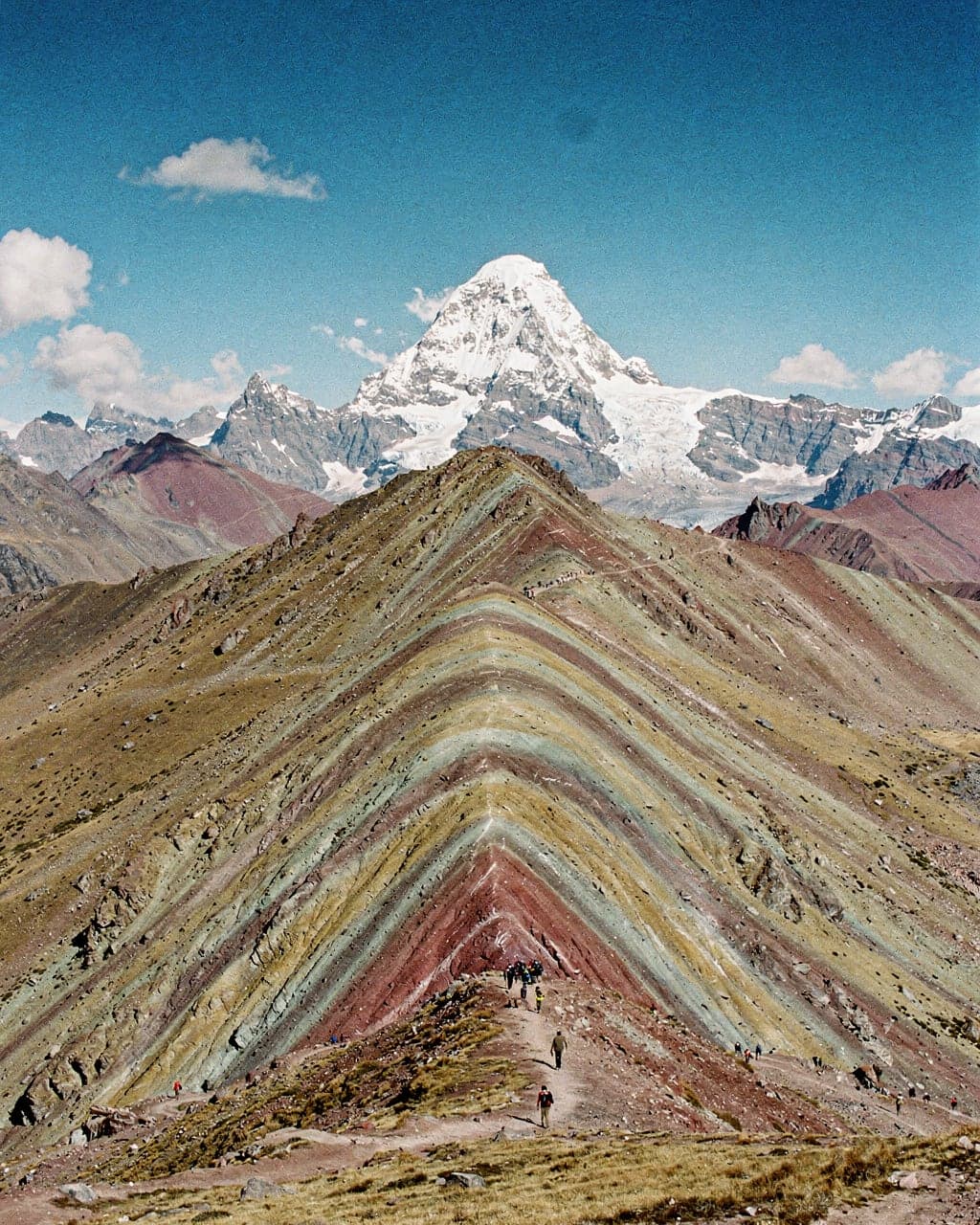
Illustration: Spike Travel (AI-assisted)
Questions people ask
How many days do I need in Cusco?
Plan five to seven days: two to acclimatise and see the city, one or two in the Sacred Valley, one for Machu Picchu with a night in Aguas Calientes or Ollantaytambo, and a spare day for weather or strikes. Add four days for the classic Inca Trail.
Do I need to book Machu Picchu tickets in advance?
Yes. Daily caps are 5,600 in high season (19 June to 2 November) and 4,500 otherwise, and popular dates sell out weeks ahead. Buy on tuboleto.cultura.pe. If you miss out, up to 1,000 next-day tickets are sold in person in Aguas Calientes.
How bad is the altitude in Cusco?
Cusco sits at 3,399 metres, above the 2,500-metre level where altitude illness becomes a risk. Most people get breathless and some get headaches or poor sleep for a day or two. Go up gradually, skip alcohol early on, and ask your doctor about preventive medication before you travel.
Can I hike the Inca Trail without a tour?
No. Permits are sold only to licensed agencies for named clients, capped at 500 people a day including staff, and independent trekking is not allowed. The trail closes every February.
Is Cusco safe for tourists?
Generally yes, with care. Pickpocketing and bag snatching are the common problems, and fake taxis are the serious one, so use Uber or hotel-booked cabs at night. Strikes and roadblocks can strand travellers, so watch local news and keep your plans flexible.
Do I need a yellow fever vaccine for Cusco and Machu Picchu?
Not for a trip limited to Cusco, the Inca Trail and Machu Picchu, and Peru does not require proof of vaccination to enter. The CDC and TravelHealthPro recommend it if you continue to lower Amazon areas below 2,300 metres.
Is Rainbow Mountain worth it?
It is a long day for a short walk: about six hours on the road for one to two hours of hiking to 5,036 metres, often in crowds. Go only once acclimatised, and check that access is open before you pay.
Sources
Where the facts on this page come from. Dates show when we last checked each one.
- Ministerio de Relaciones Exteriores del Perú: Requerimientos y exoneración de visas (table updated 16 July 2026)accessed Oct 12, 2026
- GOV.UK: Peru entry requirementsaccessed Oct 12, 2026
- Government of Canada: Peru travel advice and advisoriesaccessed Oct 12, 2026
- Smartraveller: Peru travel adviceaccessed Oct 12, 2026
- U.S. Department of State: Peru Travel Advisoryaccessed Oct 12, 2026
- Superintendencia Nacional de Migraciones: TAM Virtualaccessed Oct 12, 2026
- CDC Travelers' Health: Peru (yellow fever and altitude)accessed Oct 12, 2026
- TravelHealthPro: Peruaccessed Oct 12, 2026
- SERNANP: MINAM y Cultura modernizan el sistema de ingreso de Machupicchu (24 July 2026)accessed Oct 12, 2026
- Infobae: Machu Picchu, cómo comprar entradas con el nuevo sistema virtual (11 October 2026)accessed Oct 12, 2026
- Infobae: Suben tarifas de ingreso a Machu Picchu (9 February 2026)accessed Oct 12, 2026
- PeruRail: Tickets to Machu Picchu and new visit circuits 2026accessed Oct 12, 2026
- PeruRail: Expedition routes, stations and luggage rulesaccessed Oct 12, 2026
- PeruRail: Rail operations update (5 August 2026)accessed Oct 12, 2026
- Adios Adventure Travel: Machu Picchu trains suspended August 4, 2026accessed Oct 12, 2026
- PeruRail: Temporary changes to operations effective October 8th (2026)accessed Oct 12, 2026
- U.S. Embassy Lima: Security alert, train collision near Machu Picchu (2 October 2026)accessed Oct 12, 2026
- Ministerio de Cultura: suspensión temporal de la Red de Caminos Inka (18 August 2026)accessed Oct 12, 2026
- Infobae: Relanzan licitación de buses en la ruta Hiram Bingham (23 September 2026)accessed Oct 12, 2026
- COSITUC: Boleto Turístico del Cusco pricesaccessed Oct 12, 2026
- Wikipedia: Cusco climate table (Alejandro Velasco Astete station; cites NOAA WMO climate normals)accessed Oct 12, 2026
- Claro Perú: venta de líneas móviles a extranjeros con validación biométrica (9 January 2026)accessed Oct 12, 2026
- SUNAT Orientación: hotel services to non-domiciled foreign touristsaccessed Oct 12, 2026
- BBC Travel: A controversial airport comes to Peru's Sacred Valley (February 2026)accessed Oct 12, 2026
- Wise: USD to PEN mid-market rate historyaccessed Oct 12, 2026
If you like Cusco
Book Cusco
These links go to the booking sites we would use ourselves. Nothing here is currently sponsored.
Fast facts
- Currency
- Peruvian sol (PEN)
- Languages
- Spanish, Quechua
- Plugs
- Type A, C, 220 V, 60 Hz
- Time zone
- Lima (GMT-5)
- Tap water
- Drink bottled or filtered
- Tipping
- About 10% in sit-down restaurants if service isn't included; tip guides, drivers and trek crews in soles.
- Driving
- On the right
- Emergency
- 105 police, 106 ambulance (SAMU), 116 fire
- Dialing code
- +51
- Safety
- 3/5
When to go
Best: May, Sep.
Good for
- Culture & history5/5
- Food & drink4/5
- Nature & scenery5/5
- Adventure5/5
- Beaches1/5
- Nightlife3/5
- Romance4/5
- Family-friendly3/5
- Value for money4/5
- Big-city energy2/5
- Slow & restorative2/5
- Wildlife2/5