United Kingdom, Northern Europe
London
Free national museums, two thousand years of layered streets and a Tube map you'll stop needing by day three.
Illustration: Spike Travel (AI-assisted)

By Spike Travel Editorial Desk, Editorial team
Published Oct 12, 2026
Disclosure: This dossier is a researched briefing compiled from the official and published sources listed below. No travel, accommodation or tickets were hosted or paid for by a third party.
- Best time
- May–Jun, Sep
- Daily budget
- $120–850
- Safety
- 4/5
- Strongest for
- Culture & history, Nightlife, Big-city energy
London rewards a plan. The big national museums are free, the Thames links two millennia of landmarks, and pubs, markets and West End theatres fill the evenings. It is expensive, rooms above all, and visa-exempt visitors, Americans and Europeans included, now need a £20 ETA before they can board. Here are the rules, fares, neighbourhoods, costs and day trips.
Why go
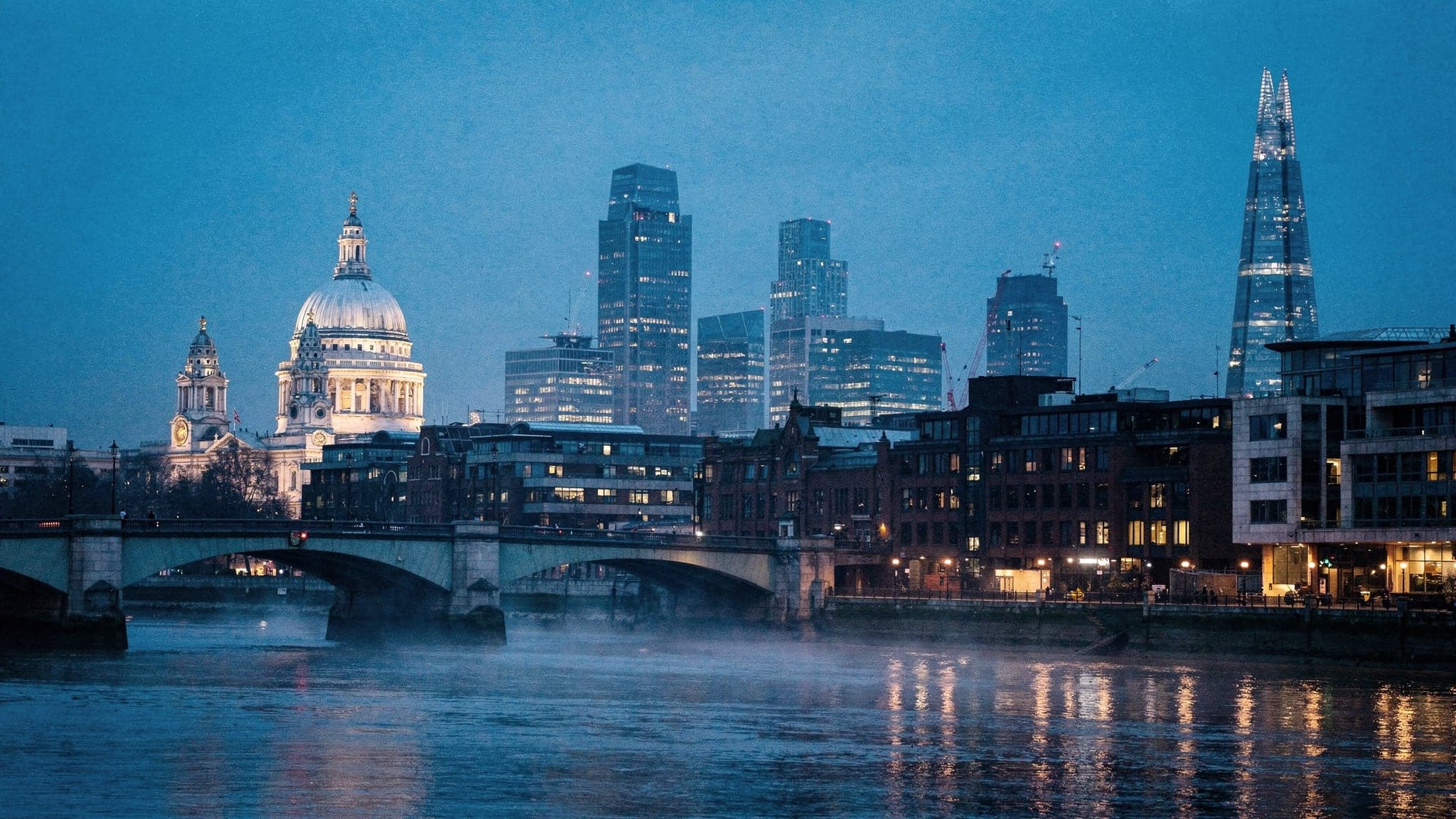
Stand on Waterloo Bridge at dusk and most of London's story is in front of you. The dome of St Paul's, which Christopher Wren built after the Great Fire of 1666, sits among the glass towers of the City. Upriver, the Houses of Parliament catch the last light. Downstream, past Tower Bridge, the Tower of London has guarded the eastern approach since William the Conqueror.
London is expensive and often grey, but much of the best of it is free. The British Museum, the National Gallery, Tate Modern, the V&A and the Natural History Museum charge nothing to walk in. You can spend a morning with the Rosetta Stone and an afternoon with Turner, and pay only for coffee. The parks run for miles: Hyde Park into Kensington Gardens, Regent's Park up to Primrose Hill, the long grass of Hampstead Heath. From the top of Parliament Hill you can pick out St Paul's, nearly seven kilometres away.
Evenings belong to the theatre and the pub. West End shows play Monday to Saturday, and same-day seats exist if you are flexible. At 6pm the pavements outside City pubs fill with office workers holding pints, even in October. About 9.1 million people live here, and the food follows them: Punjabi grills in Whitechapel, salt beef bagels on Brick Lane at 3am, pie and mash on Tower Bridge Road.
The lay of the land
The Thames loops through the city from west to east, and most of what you will want to see sits on or near it. Fares are set by zones, numbered 1 to 9 from the centre outwards. Almost every major sight is in Zone 1. Heathrow is in Zone 6.
Westminster holds Parliament, the Abbey and Downing Street, with Trafalgar Square and the National Gallery at its northern edge. North of that is the West End: Soho's restaurants and bars, Covent Garden's piazza and theatres, and Mayfair's hotels and galleries. East of the West End, the City of London is the Roman and medieval core, now the financial district. It is packed on weekdays and close to empty at weekends, which makes Saturday the best day to walk it.
South of the river, the South Bank and Bankside form one riverside path from the London Eye past the Southbank Centre, Tate Modern and Shakespeare's Globe to Borough Market and Tower Bridge. West of the centre, South Kensington gathers the V&A, the Natural History Museum and the Science Museum on Exhibition Road, beside Hyde Park. East London means Shoreditch, Spitalfields and Whitechapel, with Hackney beyond. King's Cross and St Pancras, home of the Eurostar terminal, sit at the northern edge of Zone 1. Camden and Hampstead lie further north, and Greenwich is downriver to the south-east.
Distances are shorter than the Tube map suggests: Covent Garden to Trafalgar Square is a ten-minute walk.
Areas at a glance
Covent Garden and Soho$$$$
Theatres, late bars, Chinatown and crowds; the busiest square mile for evenings.
Best for: First-timers and theatre-goers who want to walk home
Bloomsbury$$$$
Georgian squares, the British Museum and university calm, a short walk from the West End.
Best for: First visits on a slightly lower budget
South Bank and Bankside$$$$
The riverside walk, Tate Modern, the Globe and Borough Market; quieter at night.
Best for: Couples, walkers and food lovers
King's Cross$$$$
Rebuilt railway lands, canal-side restaurants and the Eurostar terminal at St Pancras.
Best for: Rail connections and a direct Piccadilly line to Heathrow
Shoreditch and Spitalfields$$$$
Street art, cocktail bars, Brick Lane curry houses and Sunday markets; loud at weekends.
Best for: Nightlife and younger travellers
South Kensington$$$$
Stucco terraces and the museum quarter on Exhibition Road, with Hyde Park next door.
Best for: Families and museum marathons
When to go
London's weather is mild and changeable more than it is wet. At Heathrow, the Met Office's 1991–2020 averages run from 39 mm of rain in March to 67 mm in November, with average highs of 8°C in January and 24°C in July. Daylight matters more than rain. In late June it stays light past 9pm. In December the sun sets before 4pm.
Late April to June is the strongest stretch, with parks in flower and long evenings. September is nearly as good: days stay warm, and the crowds thin once schools return. July and August bring the warmest weather, school holidays and the year's highest room rates.
Events worth planning around include the Chelsea Flower Show in May, Trooping the Colour (the King's birthday parade) in June and Wimbledon from late June into July. The BBC Proms fill the Royal Albert Hall from mid-July to mid-September. Notting Hill Carnival takes over west London on the August bank holiday weekend, which falls on 29–30 August in 2027. Open House London opens normally private buildings in September. Bonfire Night fireworks happen around 5 November, Christmas lights go up on Regent Street and Oxford Street in November, and the New Year's Eve fireworks on the Thames are ticketed.
One date matters for budgets. The bus and tram fare, frozen at £1.75, is expected to rise to £1.85 after 1 November 2026.
London month by month
Best: May–Jun, Sep. Bars show our 1–5 rating; numbers are average daily highs in °C. The outlined bar is this month.
Month-by-month table
| Month | Rating | High / low °C | Rain mm | Note |
|---|---|---|---|---|
| January | 2/5 | 8 / 3 | 59 | Short, grey days; post-Christmas hotel prices are among the year's lowest. |
| February | 2/5 | 9 / 3 | 45 | Half-term week brings families into museums mid-month. |
| March | 3/5 | 12 / 4 | 39 | The driest month on average; clocks go forward on the last Sunday. |
| April | 4/5 | 15 / 6 | 42 | Blossom in the parks; the London Marathon usually runs in late April. |
| May | 5/5 | 18 / 9 | 46 | Chelsea Flower Show; long evenings and pub gardens open up. |
| June | 5/5 | 22 / 12 | 47 | Daylight past 9pm; Trooping the Colour; Wimbledon starts late in the month. |
| July | 4/5 | 24 / 14 | 46 | The Proms begin at the Royal Albert Hall; school holidays push up prices. |
| August | 3/5 | 23 / 14 | 53 | Peak crowds; Notting Hill Carnival on the bank holiday weekend; a hot Tube. |
| September | 5/5 | 20 / 12 | 50 | Open House London opens private buildings; crowds thin after the first week. |
| October | 4/5 | 16 / 9 | 65 | Autumn colour on the Heath and at Kew; half-term in the last week. |
| November | 3/5 | 12 / 5 | 67 | The wettest month; Bonfire Night fireworks around 5 November; Christmas lights go up. |
| December | 3/5 | 9 / 3 | 57 | Dark before 4pm, festive and expensive; New Year's Eve fireworks need a ticket. |
Late April to June and September give the best mix of daylight, highs of 15–22°C and manageable crowds. July and August are the warmest and busiest months, with school holidays and peak room rates. November to February is grey and dark by 4pm, but the museums, theatres and pubs carry a winter trip, and January rooms are cheaper.
What it costs
Rooms are where the money goes. VisitBritain put the average daily hotel rate across England at £165 in August 2026, and central London runs above that. Budget £140–£220 for a plain three-star double in Zones 1 or 2, more around big events, and £25–£50 for a hostel dorm bed. Budget hotel rooms can be tiny, and some cheaper rooms have no window, so read the description before you pay.
Getting around costs less than people expect, thanks to capping. Pay-as-you-go travel in Zones 1 and 2 stops charging at £8.90 a day, and the caps are frozen until March 2027. A single Zone 1 Tube ride is £3.10 at peak times and £3.00 off-peak. Bus-only days cap at £5.25.
Food and drink run high. A flat white costs £3.80–£4.40, a pint of lager £6–£7.50 in a central pub and a mid-range dinner for two with wine £90–£130. Many restaurants add a 12.5% discretionary service charge. Supermarket meal deals and market stalls keep lunch under control.
The free museums, the £5.90 Piccadilly line from Heathrow and the buses are bargains. Black cabs (£70–£120 from Heathrow), hotel breakfasts and premium theatre seats are not. There is no tourist tax yet; the mayor has said a planned visitor levy will be capped at 5% of the accommodation cost.
Loading tool…
What a day costs
Shoestring
$120
per person, per day, no flights
Mid-range
$320
per person, per day, no flights
Luxury
$850
per person, per day, no flights
Shoestring is a dorm bed (£25–£50), market and supermarket food, free museums and a capped contactless day (£8.90 in Zones 1–2). Mid-range is half of a £140–£220 three-star double, a sit-down dinner, one paid sight such as the Tower of London (£38) and transport. Luxury covers a five-star room, tasting menus, good theatre seats and taxis.
| Item | Local price | ≈ USD | Note |
|---|---|---|---|
| Flat white | £3.80–£4.40 | $5.4 | Chain cafés charge more to sit in; Numbeo's crowd-sourced cappuccino average is £4.25. |
| Pint of lager in a central pub | £6–£7.50 | $8.9 | Wetherspoon pubs and outer-zone locals are cheaper. |
| Street-food lunch at a market | £10–£15 | $16.5 | |
| Mid-range dinner for two with wine | £90–£130 | $145 | Check for the 12.5% service charge before tipping. |
| Tube ride in Zone 1 (contactless) | £3.10 peak, £3.00 off-peak | $4.1 | Daily cap in Zones 1–2 is £8.90; the cash single is £7.00. |
| Bus ride | £1.75 | $2.3 | Unlimited bus changes within an hour; expected to rise to £1.85 after 1 November 2026. |
| Black cab, Heathrow to central London | £70–£120 | $125 | TfL's estimate for 30–60 minutes. The Piccadilly line costs £5.90, the Elizabeth line £14.60–£15.50 and the Heathrow Express £26 (£10 booked 30+ days ahead). |
| Hostel dorm bed | £25–£50 | $50 | Midweek winter nights are cheapest; Fridays and Saturdays cost the most. |
| Three-star double room | £140–£220 | $238 | VisitBritain put England's average daily hotel rate at £165 in August 2026; central London runs higher. |
| Tower of London ticket | £38 | $50 | £41.80 with the optional donation. |
| Westminster Abbey ticket | £32 | $42 | Attending a service is free. |
| Prepaid SIM with data | £10 for 20GB (30 days) | $13.2 | giffgaff's monthly plan; eSIMs start at about $4. |
Prices verified Oct 12, 2026. Exchange rates move; treat USD as a guide.
Build a budget for LondonGetting there and around
Most long-haul flights land at Heathrow. The Piccadilly line takes about 50 minutes to Zone 1 for £5.90, the Elizabeth line 30–40 minutes for £14.60–£15.50, and the Heathrow Express 15 minutes to Paddington for £26. Gatwick has trains to Victoria and London Bridge in 30–45 minutes, and Southern and Thameslink services take contactless at £10.70 off-peak. The Stansted Express, the Luton DART and the DLR to London City cover the other airports, and Eurostar trains from Paris and Brussels arrive at St Pancras.
Inside the city, tap a contactless bank card or phone on the yellow readers. That works on the Tube, buses, DLR, Overground, Elizabeth line, trams, the river bus and most National Rail services within London. Peak fares apply from 06:30 to 09:30 and from 16:00 to 19:00 on weekdays, and Tube or Elizabeth line journeys to and from Heathrow through Zone 1 are always charged at peak rates. Buses do not take cash, and the Hopper fare gives you unlimited bus and tram changes within an hour.
The Night Tube runs on Friday and Saturday nights on the Central, Jubilee, Northern, Piccadilly and Victoria lines, plus the Overground's Windrush line, and night buses cover the rest. Citymapper and TfL Go are the apps locals use for routes and live disruption. Black cabs can be hailed in the street and take cards. Ride-hailing apps use licensed private-hire drivers, who cannot pick up passengers who flag them down.
Walk whenever the trip is under 20 minutes; changing lines underground can take longer than the walk. The Uber Boat by Thames Clippers river bus takes contactless and is the most scenic way to Greenwich. Do not drive: the Congestion Charge is £18 a day, the Ultra Low Emission Zone covers all of Greater London and parking is scarce.
Arriving and moving around
- LHRHeathrow. To the centre: Piccadilly line to Zone 1 in about 50 minutes for £5.90; Elizabeth line to central London in 30–40 minutes for £14.60–£15.50; Heathrow Express to Paddington in 15 minutes for £26; black cab £70–£120
- LGWGatwick. To the centre: Southern or Thameslink trains to Victoria or London Bridge in 30–45 minutes (£10.70 off-peak, £19.20 peak by contactless); Gatwick Express to Victoria £24 and not included in caps
- STNStansted. To the centre: Stansted Express to Liverpool Street in about 48 minutes, from £9.90 booked ahead; walk-up fares cost more
- LTNLuton. To the centre: Luton DART shuttle (£4.90, included if your rail ticket is to "Luton Airport") to Luton Airport Parkway, then Thameslink or East Midlands Railway to St Pancras
- LCYLondon City. To the centre: DLR from the terminal to Bank in about 25 minutes, £3.90 peak or £3.30 off-peak by contactless
- SENSouthend. To the centre: Greater Anglia trains from the airport's own station to Liverpool Street in about 55 minutes; few flights, so check before you book
Tap a contactless bank card or phone at the yellow readers on the Tube, buses, DLR, Overground, Elizabeth line and most rail services in London. Use the same card or device all day and touch out on rail, or the daily cap (£8.90 in Zones 1–2, frozen until March 2027) will not apply. Peak fares run 06:30–09:30 and 16:00–19:00 on weekdays. Buses take no cash and cost £1.75 with free changes for an hour. Citymapper and TfL Go handle routes and disruption. Black cabs take cards; ride-hailing apps use licensed private-hire drivers. Walk more than you think: many Zone 1 stations are a few minutes apart on foot, and the South Bank path from Westminster to Tower Bridge takes about an hour.
Where to stay
For a first visit, stay inside Zone 1 and walk. Covent Garden and Soho put you among the theatres and late restaurants, at a price and with noise. Bloomsbury, around the British Museum, is calmer and a little cheaper. King's Cross adds the Eurostar, trains to the north and a direct Piccadilly line to Heathrow.
Couples who want the river should look at the South Bank and Bankside, where evenings are quieter once the offices empty. Families do well in South Kensington, close to the three big museums and Hyde Park, although rooms are pricey. Shoreditch and Spitalfields suit nightlife, with cocktail bars, Brick Lane curry houses and Sunday markets, and weekend noise to match.
On a tighter budget, look in Zone 2 near an Elizabeth line or Overground station, which saves money without adding much travel time. Be wary of bargain rooms in the outer zones. An hour each way on the Tube eats the saving, and late trips home get slow outside Friday and Saturday nights.
Places we'd book
- Check rates
Generator LondonBudgetBloomsbury and King's Cross
A big, social hostel on Tavistock Place with dorms and private rooms, a walk from King's Cross St Pancras and the British Museum.
- Check rates
The Hoxton, ShoreditchMid-rangeShoreditch
A design-led hotel with a busy lobby bar and compact rooms, in the middle of Shoreditch's restaurants and nightlife.
- Check rates
St Pancras London, Autograph CollectionSomething differentKing's Cross
The restored Victorian Gothic hotel built into St Pancras station, steps from the Eurostar platforms.
- Check rates
The SavoyLuxuryStrand, Covent Garden
The riverside grande dame on the Strand, open since 1889, with the Thames on one side and the West End theatres on the other.
What to do
Start with the Tower of London when it opens, at 09:00 from Tuesday to Saturday and 10:00 on Sundays and Mondays. Go to the Crown Jewels first, before the queue builds, then join a Yeoman Warder tour. Adult tickets are £38. From there, take the Tube west to Westminster Abbey (£32), the coronation church since 1066, where sightseeing runs Monday to Saturday. St Paul's (£27, or £24 in high summer) lets you climb to galleries around the dome. On Sundays both churches are given over to worship.
The British Museum is free, open from 10:00 and until 20:30 on Fridays; book a timed slot for weekends. Across the river, Tate Modern's collection is free too, and the Bankside walk links it to Shakespeare's Globe and Borough Market, which closes on Mondays except in December. For space, take the Overground to Hampstead Heath and climb Parliament Hill, or give a day to Kew Gardens, where adult tickets start around £25 and drop to £10 on Tuesdays until 29 December 2026. In the evening, the TKTS booth in Leicester Square sells same-day theatre seats at a discount.
For a day trip, Windsor Castle is under an hour by train from Waterloo, or from Paddington with a change at Slough. Tickets cost £32 booked ahead or £36 on the day, and the castle is closed on Tuesdays and Wednesdays. Oxford is about an hour from Paddington or Marylebone. Walk the college quads, the Bodleian's courtyards and the covered market, and expect some colleges to close at short notice. Closer in, Greenwich makes a half-day by river bus: the Cutty Sark, the Royal Observatory on the meridian and a hilltop park looking back at Canary Wharf.
The shortlist
Tower of LondonSee
A royal fortress begun by William the Conqueror, with the Crown Jewels, the White Tower's armour collection and Yeoman Warder tours that run all day.
£38 adult (£41.80 with donation), under-5s free. Opens 09:00 Tuesday to Saturday and 10:00 Sunday and Monday; last entry 16:30. Head for the Crown Jewels first.
Book ticketsBritish MuseumSee
Two million years of objects under one roof, including the Rosetta Stone and the Parthenon sculptures, all free to see.
Free. Daily 10:00–17:00, Fridays until 20:30; book a free timed slot online for weekends and school holidays.
Westminster AbbeySee
Coronation church since 1066, with Poets' Corner, royal tombs and the Queen's Diamond Jubilee Galleries high in the triforium.
£32 adult; sightseeing Monday to Saturday, with Sundays given over to worship. Attending a service costs nothing.
Book ticketsSt Paul's CathedralSee
Wren's domed cathedral, with the Whispering Gallery and two outdoor galleries that look across the City and the river.
£27 adult (£24 from 25 June to 1 September 2026), including the dome galleries and a multimedia guide. No sightseeing on Sundays; services are free.
Tate Modern and the Bankside walkDo
A former power station turned modern art museum, set on the riverside path between the Millennium Bridge, Shakespeare's Globe and Borough Market.
Free for the collection; major exhibitions are ticketed. Walk over the Millennium Bridge from St Paul's to arrive.
Borough MarketEat
London's best-known food market, under the railway arches by London Bridge, with cheese, bread, oysters and hot food stalls.
Tuesday to Friday 10:00–17:00, Saturday from 09:00; closed Mondays except in December. Arrive before noon on Saturdays.
Hampstead Heath and Parliament HillDo
Rough meadows and woods in north London, with a protected view from Parliament Hill across the city to St Paul's.
Free. Overground to Hampstead Heath or Gospel Oak. Pair it with a pub lunch in Hampstead village.
Kew GardensSee
The Royal Botanic Gardens: Victorian glasshouses, a treetop walkway and an arboretum that runs down to the Thames, west of the centre.
Adult tickets from about £25; £10 on Tuesdays until 29 December 2026. District line or Overground to Kew Gardens.
West End theatreExperience
Long-running musicals and new plays around Shaftesbury Avenue, Covent Garden and the Strand, with performances Monday to Saturday.
The TKTS booth in Leicester Square sells same-day discounted seats. Many theatres release cheap day seats in the morning.
Windsor CastleDay trip
The oldest and largest occupied castle in the world, with the State Apartments and St George's Chapel, under an hour west of London by train.
£32 booked ahead, £36 on the day. Open Thursday to Monday, closed Tuesdays and Wednesdays. Trains from Waterloo or Paddington (change at Slough).
Book ticketsOxfordDay trip
College quadrangles, the Bodleian Library and the covered market, about an hour from Paddington or Marylebone.
Book rail tickets ahead for the cheapest fares. Some colleges charge entry and close at short notice for exams and events.
GreenwichDo
Maritime Greenwich: the Cutty Sark, the Royal Observatory on the meridian and a park with a long view back to Canary Wharf.
The park is free. Arrive by Uber Boat by Thames Clippers river bus, which takes contactless, or by DLR to Cutty Sark.
Eat and drink
A few dishes are London's own. The full English breakfast is best at a working café such as the Regency Café in Westminster, open since 1946. Rock & Sole Plaice in Covent Garden has fried fish and chips since 1871. For the East End's oldest fast food, M. Manze on Tower Bridge Road has served pie and mash with parsley liquor since 1902. Beigel Bake on Brick Lane never closes, and its hot salt beef bagel with mustard is the classic order at 3am. Tayyabs in Whitechapel, open since 1972, is known across London for its lamb chops; expect a queue and a loud room.
Markets are the easiest way to eat well for £10–£15. Borough Market is the famous one, and Brick Lane and Spitalfields are busiest on Sundays.
In pubs you order and pay at the bar, and nobody tips there. Many pub kitchens stop serving around 9pm or 10pm, and last orders often come around 11pm. Sunday roasts are served from lunchtime and sell out at popular gastropubs, so book. Restaurants frequently add a 12.5% service charge. It is discretionary, and you can ask for it to be removed if the service was poor. Reserve for dinner from Thursday to Saturday.
Order this
Full English breakfast
Eggs, bacon, sausages, beans, toast and black pudding, served in a no-frills café.
Try it at: Regency Café, Regency Street, Westminster (since 1946)
Fish and chips
Battered cod or haddock with thick chips, mushy peas and a pickled onion.
Try it at: Rock & Sole Plaice, Covent Garden (established 1871)
Pie and mash
Minced beef pie with mashed potato and green parsley "liquor", the old East End staple.
Try it at: M. Manze, Tower Bridge Road (since 1902)
Salt beef bagel
Hot salt beef piled into a bagel with mustard, served around the clock.
Try it at: Beigel Bake, Brick Lane (open 24 hours)
Punjabi grill
Sizzling lamb chops, seekh kebabs and karahi dishes from the East End's Punjabi kitchens.
Try it at: Tayyabs, Whitechapel (since 1972)
Sunday roast
Roast beef, lamb or chicken with Yorkshire pudding, roast potatoes and gravy, served in pubs from Sunday lunchtime until it runs out.
Try it at: Most gastropubs; book ahead for Sunday lunch
Practicalities
Money and cards. Cards and phone payments are accepted almost everywhere, and some cafés and pubs are card-only. When a card machine offers to charge you in your home currency, choose pounds; the rate offered at the till is usually worse. Free cash machines are common, but a few charge a fee and say so on screen.
Data. EU roaming rules do not cover the UK, so check your plan before you land. A giffgaff SIM gives 20GB for £10 a month, and travel eSIMs start at about $4.
Water and power. Tap water is safe to drink. Plugs are Type G, with three rectangular pins, on 230 V and 50 Hz.
Safety. Petty theft is the main risk. Keep your phone away from the kerb, never hang a bag on the back of a pub chair and walk past the three-cup games on Westminster Bridge. The US rates the UK at Level 2 for terrorism, and Australia notes the national threat level is "severe", so expect bag searches at big venues. Dial 999 or 112 in an emergency and 111 for urgent medical advice.
Etiquette. Stand on the right on escalators and walk on the left. Queue for buses and let passengers off the Tube before you board. At the bar, the staff keep track of who was next, so wait your turn.
LGBTQ+ travellers. Same-sex marriage is legal and equality law protects LGBTQ+ people. Old Compton Street in Soho is still the centre of gay nightlife, and Pride in London takes place each summer.
Accessibility. Every London bus has a ramp and a wheelchair space. Step-free access on the Tube is patchy, so use TfL's step-free maps; Elizabeth line stations are step-free from street to platform. Older pubs, theatres and townhouse hotels often have stairs and no lift.
A few phrases. "Cheers" means thanks as often as it means a toast. A "quid" is a pound. "Mind the gap" is the warning you will hear on the Tube, and you should take it literally at curved platforms such as Bank.
Entry rules by passport
| Passport | Rule | Max stay | Notes | Checked |
|---|---|---|---|---|
| United States | ETA required | Up to 6 months per visit | Apply in the UK ETA app or on GOV.UK. It costs £20 (raised from £16 on 8 April 2026), most decisions arrive within minutes, but allow three working days. It covers multiple trips for two years or until your passport expires. Since 25 February 2026 airlines refuse boarding without one. Your passport must be valid for the whole stay. | Oct 12, 2026 |
| United Kingdom | No visa or ETA needed | No limit | British and Irish citizens cannot apply for an ETA and do not need one. Dual nationals must travel on a valid British or Irish passport or carry a certificate of entitlement; since enforcement began, carriers can refuse boarding on a foreign passport alone. | Oct 12, 2026 |
| EU/Schengen | ETA required (Irish citizens exempt) | Up to 6 months per visit | EU, EEA and Swiss visitors have needed the £20 ETA since 2 April 2025. Bring a passport: national ID cards are accepted only if you hold EU Settlement Scheme status, an EUSS family permit, a Frontier Worker permit or a few other documents. People with settled or pre-settled status do not need an ETA. | Oct 12, 2026 |
| Canada | ETA required | Up to 6 months per visit | Canada's travel advice confirms the ETA has been strictly enforced since 25 February 2026 and that you must travel on the passport you applied with. Your passport must be valid for the length of the stay. Dual Canadian-British citizens must use a British or Irish passport. | Oct 12, 2026 |
| Australia | ETA required | Up to 6 months per visit | Smartraveller says tourists and transit passengers staying under six months need an ETA (£20 on GOV.UK or the UK ETA app). Dual Australian-British and Australian-Irish citizens need a British or Irish passport or a certificate of entitlement to board. | Oct 12, 2026 |
Entry rules change without notice. Confirm with the official source linked in the Checked column before you travel.
Safety: 4/5
London is a low-risk city for visitors, and most trouble is petty theft. Phone theft is frequent in tourist areas, so step back from the kerb before checking a map. Pickpockets and bag snatchers work Piccadilly Circus, Trafalgar Square, Leicester Square, busy pubs and crowded Tube carriages. The US rates the UK at Level 2 for terrorism and Australia notes the national threat level is "severe", so expect bag checks and visible police at big events. In an emergency call 999 or 112.
- Lookalike ETA websites that charge more than the official £20. Apply only on GOV.UK or in the UK ETA app.
- Three-cup "find the ball" games on Westminster Bridge and the South Bank, where the winners are part of the team.
- Unlicensed minicabs touting outside clubs and stations. Licensed private hire is booked by app or phone, never hailed.
- Phones lifted from café tables and pub chairs, or snatched at the kerbside, sometimes from passing bikes.
- Clipboard petitions and charity approaches that cover a pickpocket's hand.
Fast facts
- Currency
- Pound sterling (GBP)
- Languages
- English
- Plugs
- Type G, 230 V, 50 Hz
- Time zone
- London (GMT+1)
- Tap water
- Safe to drink
- Tipping
- Restaurants often add a 12.5% discretionary service charge, so check the bill before tipping again. Nobody tips at the pub bar. Round up in black cabs.
- Driving
- On the left
- Emergency
- 999 or 112 for police, ambulance and fire; 111 for urgent NHS medical advice; 101 for non-emergency police
- Dialing code
- +44
- Safety
- 4/5
What nobody tells you
Changing the Guard at Buckingham Palace draws a crowd several people deep in summer, and most visitors see the tops of bearskin hats. The guard change at Horse Guards is easier to see and less of a crush. Leicester Square and Piccadilly Circus are loud, crowded and full of chain restaurants; better food is five minutes away in Soho and Chinatown.
The Tube is hot in summer. Most deep lines, the Central and Bakerloo among them, have no air conditioning, while the Elizabeth line and the Circle, District, Hammersmith & City and Metropolitan lines do. Carry water. Strikes hit the Tube and national rail from time to time, usually announced days ahead, so check TfL's status page before a big day.
The ETA still catches people out at check-in. It is per person, children included, and lookalike websites charge more for the same £20 permit.
Shops keep shorter hours on Sundays. Large stores in England may open for only six consecutive hours between 10:00 and 18:00, so a Sunday shopping plan can fall flat.
Big events, from Wimbledon to stadium concerts, push room rates sharply higher. Book early and check the room size: a room in Zone 2 beside a fast line often beats a Zone 1 box.
Insider tips
- Use one contactless card or phone for every journey in a day. Switching from phone to card, or touching out with a different device, stops the cap from working.
- From Heathrow, the Piccadilly line costs £5.90 at any time, against £14.60–£15.50 on the Elizabeth line and £26 on the Heathrow Express. Tube and Elizabeth line trips to Heathrow through Zone 1 are now always charged at peak rates.
- The bus fare covers unlimited bus and tram changes within an hour, and the daily bus cap is £5.25, so a day of sightseeing by bus costs less than three Tube rides.
- Evensong at Westminster Abbey and St Paul's is free and lets you hear the choir in spaces that otherwise cost £27–£32 to enter.
- Arriving by National Rail? Keep your train ticket: Westminster Abbey and other sights sell 2-for-1 entry at the door to visitors who show a valid rail ticket.
- Book free timed slots at the British Museum and other big free museums for weekends and school holidays; walk-ins queue longer.
- Large shops in England may open for only six consecutive hours on Sundays, between 10:00 and 18:00, so plan serious shopping for Saturday.
Skip it
- Watching Changing the Guard from the Buckingham Palace railings in summer. The crowd is several people deep; the guard change at Horse Guards is easier to see.
- Eating around Leicester Square and Piccadilly Circus. Soho, Covent Garden's side streets and Chinatown are minutes away and better value.
- Hailing a "minicab" from someone touting on the street. It is illegal and unlicensed; use a black cab or a booked app ride.
- Buying an ETA on any site except GOV.UK or the official app. Lookalike sites charge extra for the same £20 authorisation.
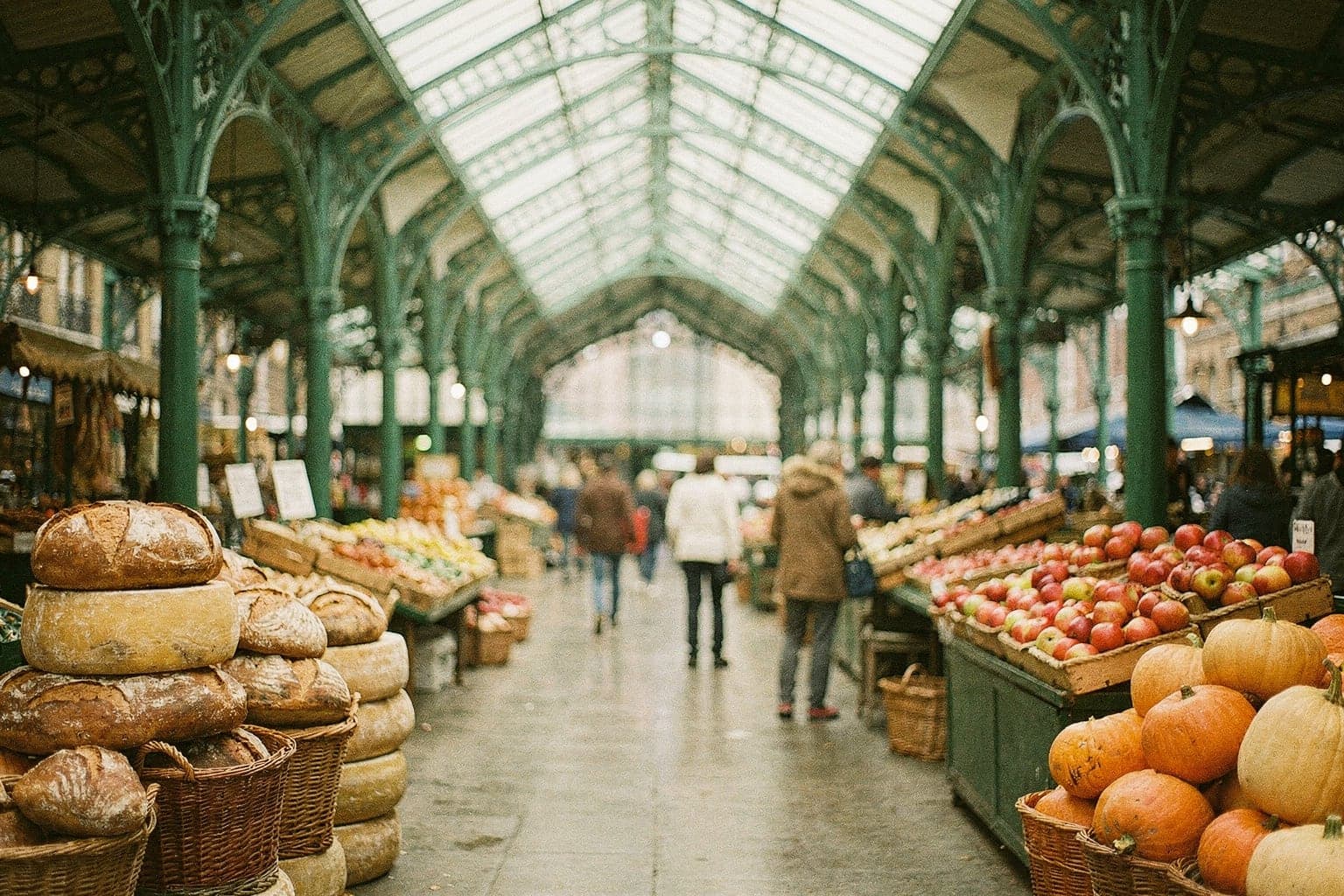
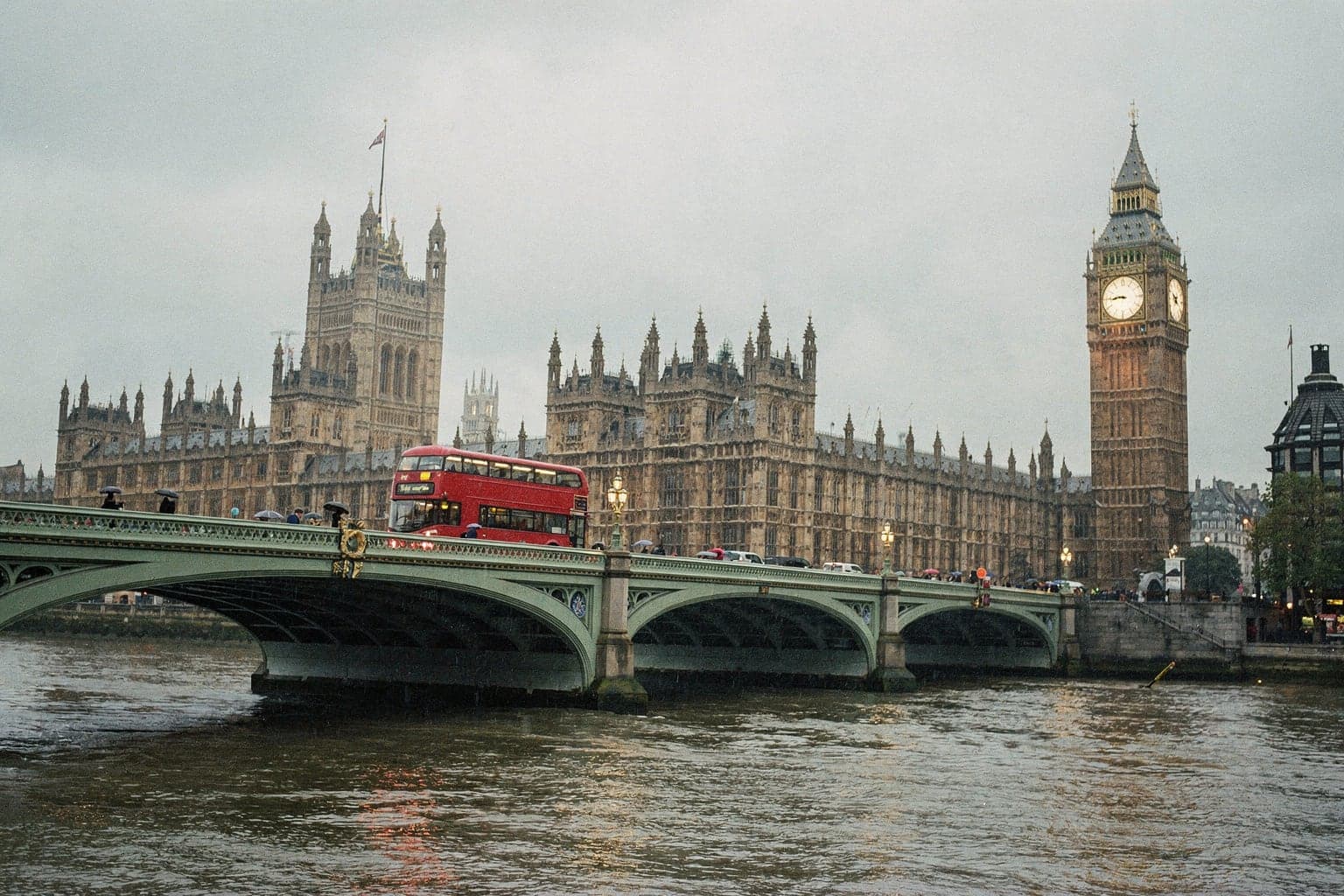
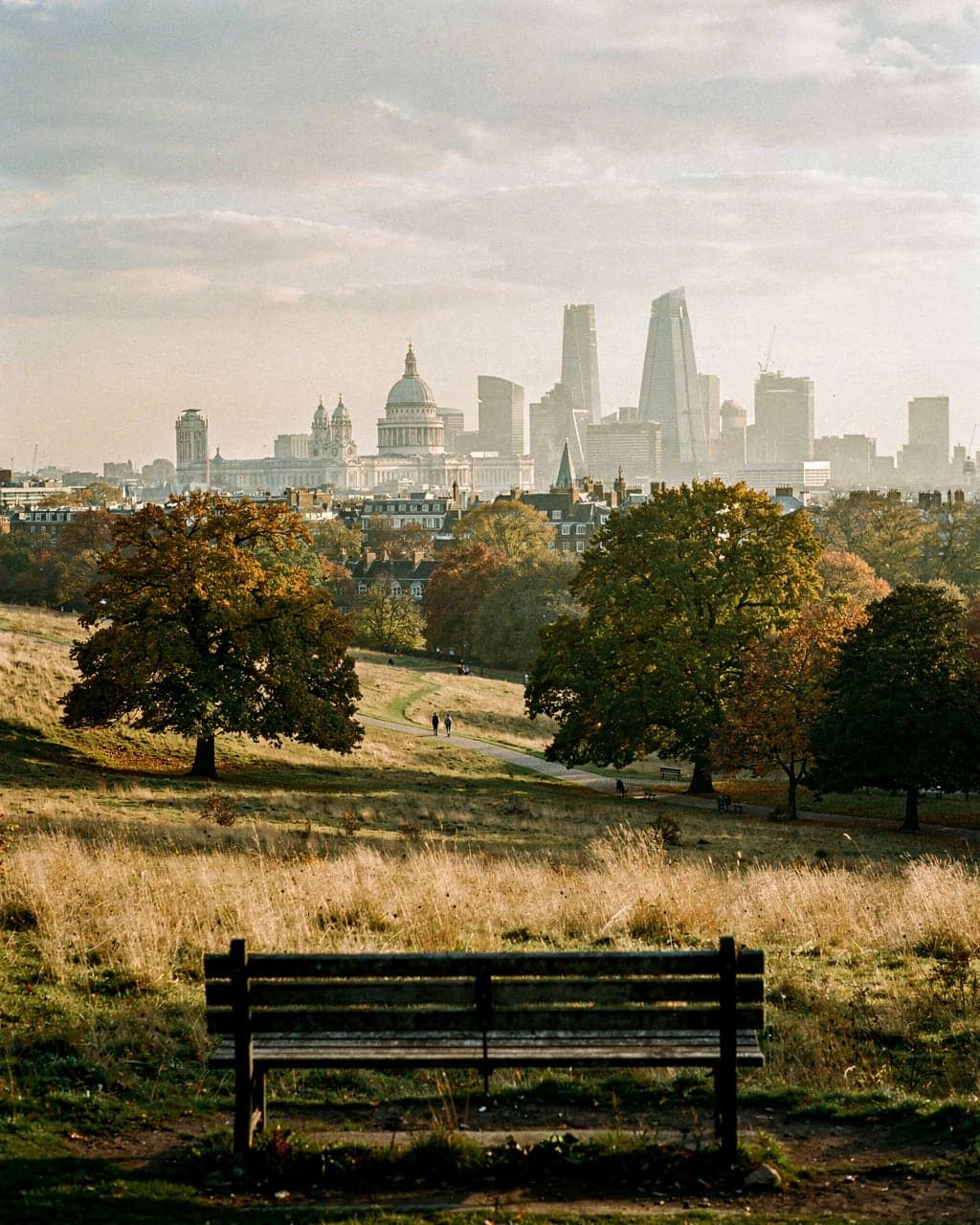
Illustration: Spike Travel (AI-assisted)
Questions people ask
Do I need an ETA to visit London?
Yes, if you are a visa-exempt visitor such as an American, Canadian, Australian or EU citizen. It costs £20 on GOV.UK or the UK ETA app, lasts two years or until your passport expires, and has been strictly enforced since 25 February 2026. British and Irish citizens do not need one.
How many days do I need in London?
Four full days covers the Tower, Westminster, two big museums, the South Bank and a show. Add a fifth day for a trip to Windsor or Oxford, and a sixth if you want Greenwich, Kew or Hampstead at an easy pace.
Is Oyster or contactless cheaper in London?
Adult pay-as-you-go fares and the daily and Monday-to-Sunday caps are the same on both. Contactless saves buying an Oyster card, which carries a non-refundable fee. If your bank charges a fee on every foreign transaction, an Oyster card topped up once can work out cheaper.
How much is the Tube per day?
In Zones 1 and 2, pay-as-you-go travel is capped at £8.90 a day, frozen until March 2027. A single Zone 1 ride is £3.10 at peak times and £3.00 off-peak. Bus-only days cap at £5.25.
Is London safe at night?
Central London is busy and generally safe late into the night, but phone snatching and pickpocketing are common in tourist areas. Stick to black cabs or booked app rides, keep your phone away from the kerb and use the Night Tube on Fridays and Saturdays.
Do I need cash in London?
Rarely. Cards and phones are accepted almost everywhere, buses take no cash and some cafés and pubs are card-only. A little cash helps at a few market stalls.
Sources
Where the facts on this page come from. Dates show when we last checked each one.
- GOV.UK: Get an electronic travel authorisation (ETA)accessed Oct 12, 2026
- GOV.UK: When you do not need an ETAaccessed Oct 12, 2026
- Home Office: Electronic Travel Authorisation factsheet, April 2026accessed Oct 12, 2026
- GOV.UK: No permission, no travel: UK set to enforce ETA schemeaccessed Oct 12, 2026
- GOV.UK: Home Office immigration and nationality fees, 8 April 2026accessed Oct 12, 2026
- GOV.UK: Entering the UK, before you leave (identity cards)accessed Oct 12, 2026
- US State Department: United Kingdom travel advisory (Level 2, 9 September 2026)accessed Oct 12, 2026
- Government of Canada: Travel advice for the United Kingdomaccessed Oct 12, 2026
- Smartraveller: United Kingdom travel adviceaccessed Oct 12, 2026
- TfL: Fare capping (2026 caps)accessed Oct 12, 2026
- TfL: Tube and rail fares, peak and off-peak timesaccessed Oct 12, 2026
- TfL single fares queried via the TfL Unified API (Zone 1, Heathrow, Gatwick, City Airport)accessed Oct 12, 2026
- TfL: Changes to Tube and rail fares from 1 March 2026accessed Oct 12, 2026
- TfL: Mayor's bus and tram fare freeze extended (July 2026)accessed Oct 12, 2026
- TfL: The Night Tubeaccessed Oct 12, 2026
- TfL: Congestion Chargeaccessed Oct 12, 2026
- TfL: Taxi faresaccessed Oct 12, 2026
- Heathrow: Heathrow Express faresaccessed Oct 12, 2026
- Stansted Express: Ticket typesaccessed Oct 12, 2026
- Luton DART: Tickets and faresaccessed Oct 12, 2026
- Met Office climate averages, London Heathrow 1991–2020 (via Wikipedia's London weatherbox)accessed Oct 12, 2026
- Historic Royal Palaces: Tower of London tickets and pricesaccessed Oct 12, 2026
- Westminster Abbey: Opening times and pricesaccessed Oct 12, 2026
- St Paul's Cathedral: Tickets and pricesaccessed Oct 12, 2026
- British Museum: Visitaccessed Oct 12, 2026
- Royal Collection Trust: Windsor Castleaccessed Oct 12, 2026
- Royal Borough of Windsor and Maidenhead tourism: Windsor Castle prices 2026accessed Oct 12, 2026
- Kew Gardens: Tickets and pricesaccessed Oct 12, 2026
- Borough Market: Visit usaccessed Oct 12, 2026
- VisitBritain: England hotel occupancy, August 2026accessed Oct 12, 2026
- ONS: Population estimatesaccessed Oct 12, 2026
- BBC News: London tourism levy will be capped at 5%accessed Oct 12, 2026
- The Guardian: Coffee prices and the £6.50 flat white (July 2026)accessed Oct 12, 2026
- Numbeo: Cost of living in London (crowd-sourced, sanity check only)accessed Oct 12, 2026
- giffgaff: £10 monthly planaccessed Oct 12, 2026
- Wise: GBP to USD rate (12 October 2026, about 1.32)accessed Oct 12, 2026
- BBC News: Tourists scammed in the three-cup trick on Westminster Bridgeaccessed Oct 12, 2026
- TfL: River fares (contactless on Uber Boat by Thames Clippers)accessed Oct 12, 2026
- GOV.UK: Trading hours for retailers, the lawaccessed Oct 12, 2026
If you like London
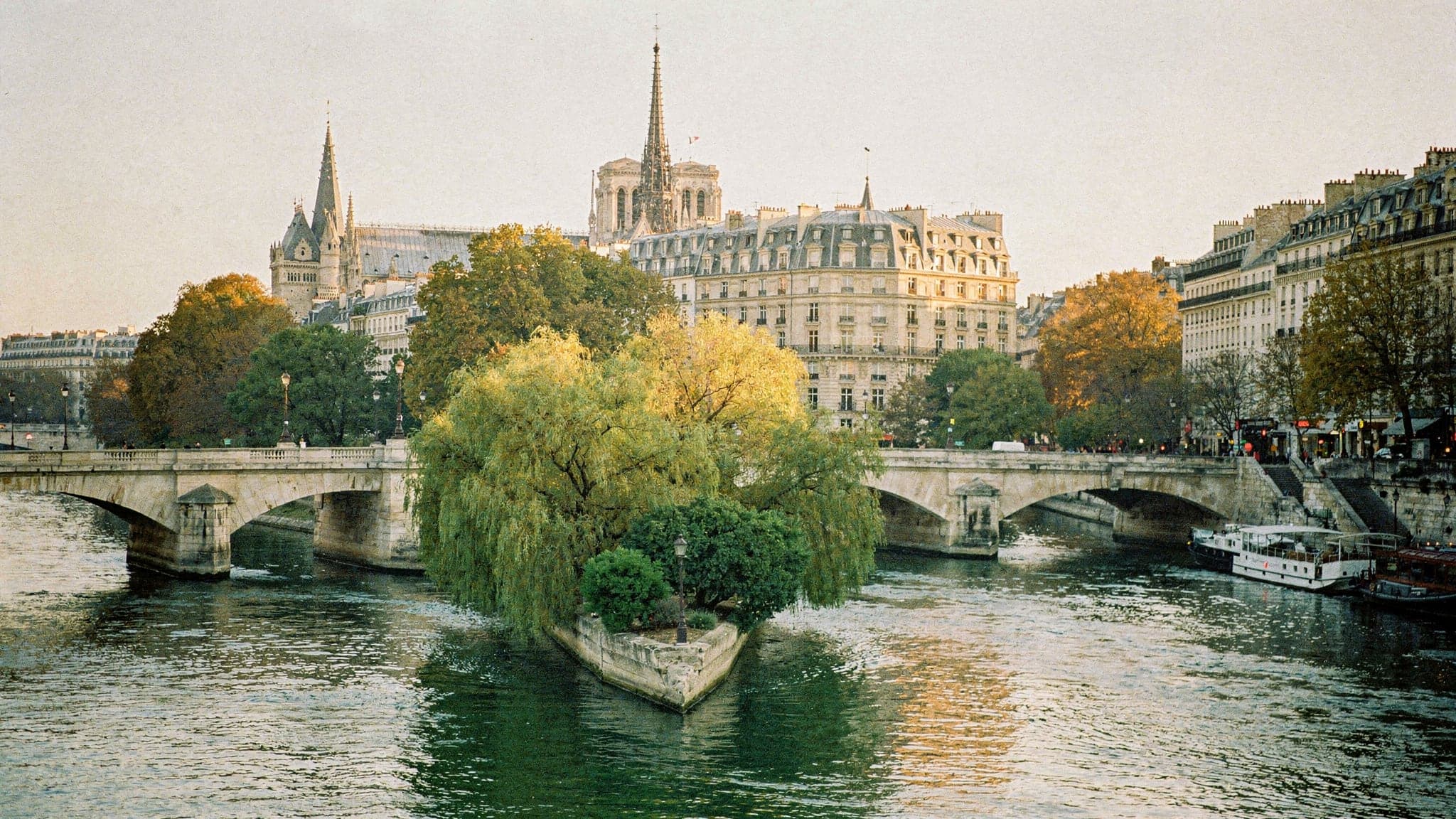
France
Paris
One river, twenty arrondissements and a city that rewards the walker far more than the queue.
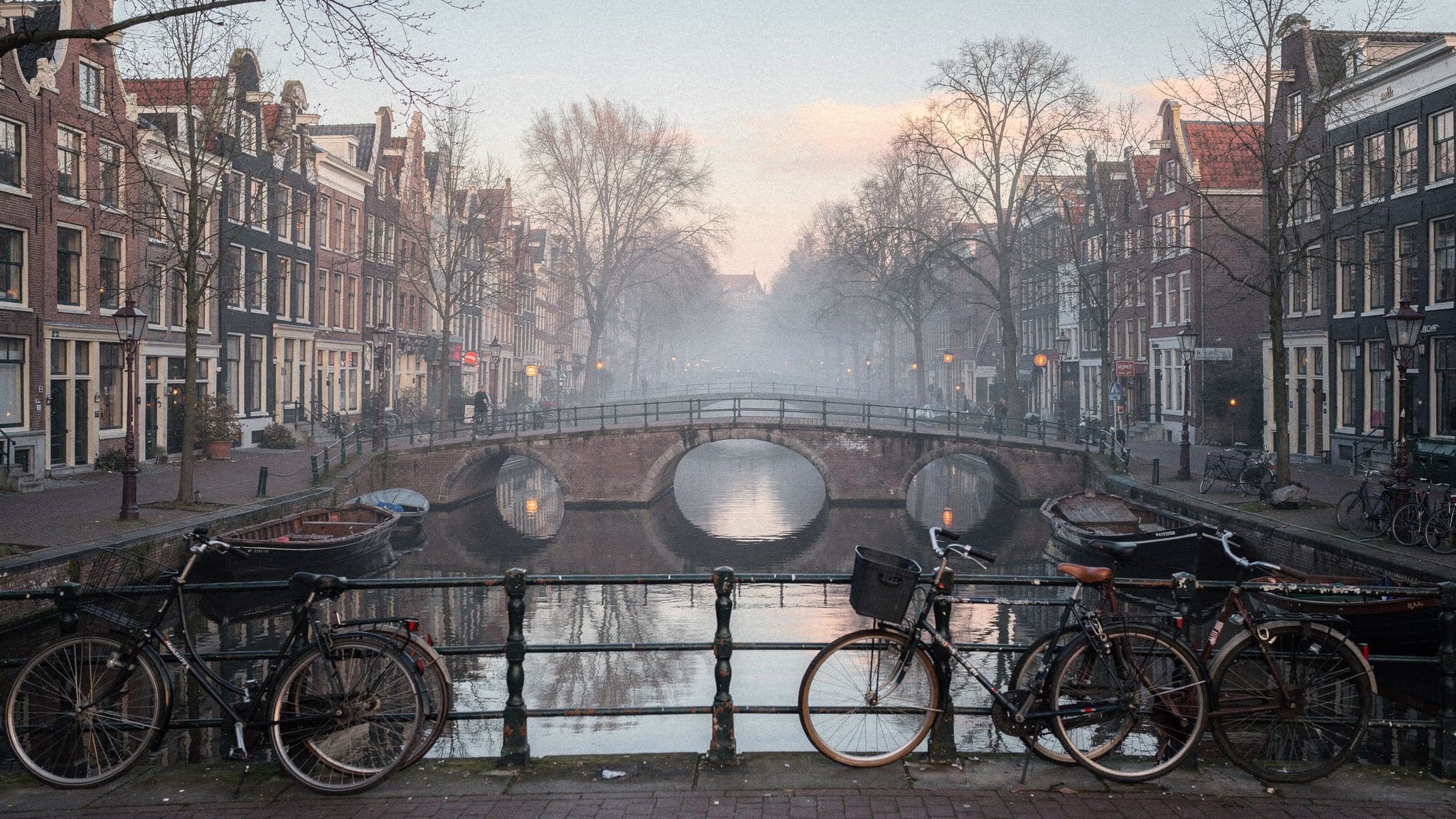
Netherlands
Amsterdam
Gabled canal houses, world-class museums and a city that moves at the speed of a bicycle bell.
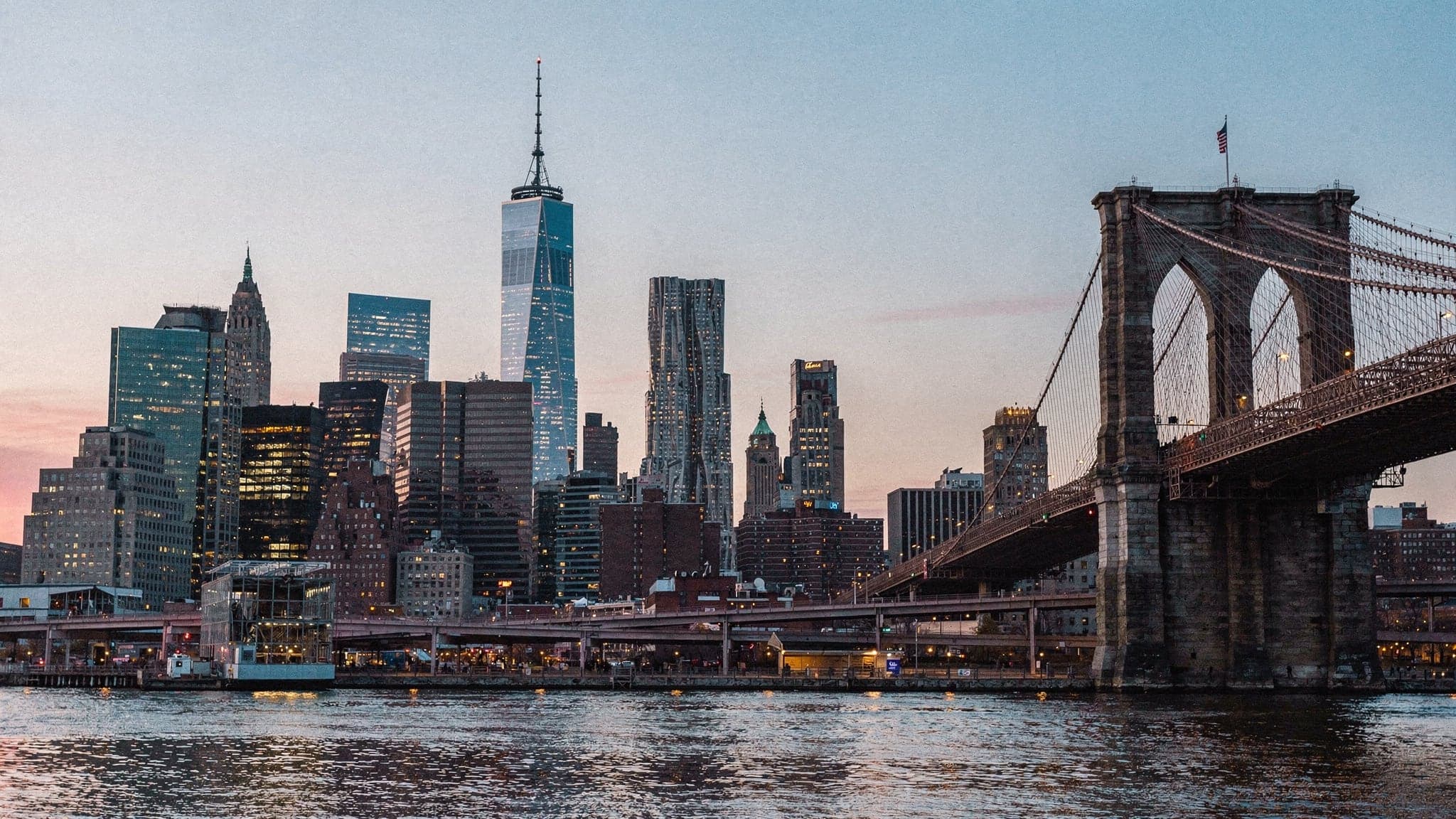
United States
New York City
Learn it on foot and underground: every block changes the mood, and the subway runs all night.
Book London
These links go to the booking sites we would use ourselves. Nothing here is currently sponsored.
Fast facts
- Currency
- Pound sterling (GBP)
- Languages
- English
- Plugs
- Type G, 230 V, 50 Hz
- Time zone
- London (GMT+1)
- Tap water
- Safe to drink
- Tipping
- Restaurants often add a 12.5% discretionary service charge, so check the bill before tipping again. Nobody tips at the pub bar. Round up in black cabs.
- Driving
- On the left
- Emergency
- 999 or 112 for police, ambulance and fire; 111 for urgent NHS medical advice; 101 for non-emergency police
- Dialing code
- +44
- Safety
- 4/5
When to go
Best: May–Jun, Sep.
Good for
- Culture & history5/5
- Food & drink4/5
- Nature & scenery3/5
- Adventure2/5
- Beaches1/5
- Nightlife5/5
- Romance3/5
- Family-friendly4/5
- Value for money2/5
- Big-city energy5/5
- Slow & restorative2/5
- Wildlife1/5