Netherlands, Western Europe
Amsterdam
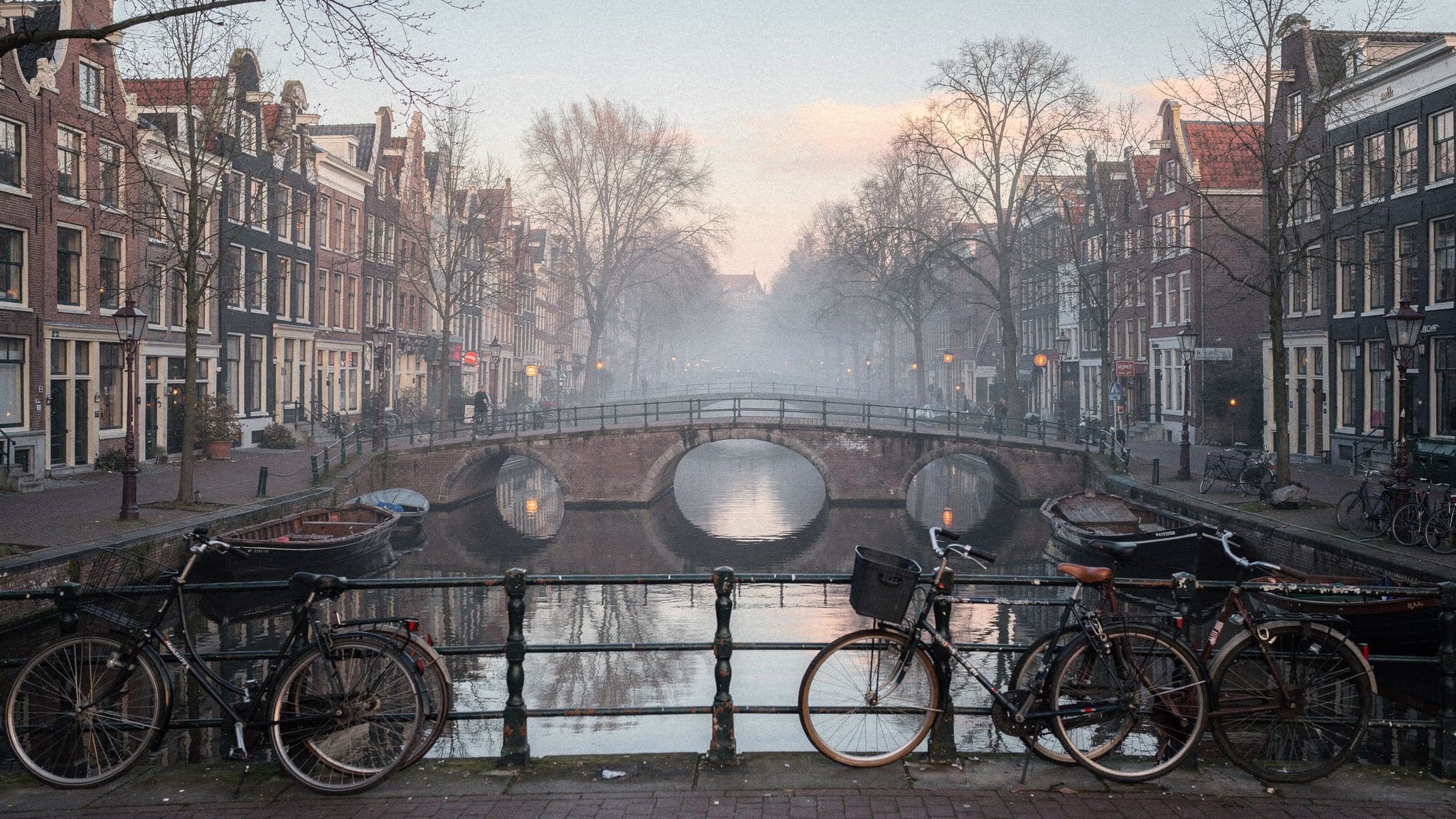
Gabled canal houses, world-class museums and a city that moves at the speed of a bicycle bell.
Illustration: Spike Travel (AI-assisted)

By Spike Travel Editorial Desk, Editorial team
Published Oct 12, 2026
Disclosure: This is a researched briefing compiled from official and primary sources, with prices, rules and opening hours checked on 12 October 2026. No press trips, complimentary stays or free products were involved.
- Best time
- Apr–May
- Daily budget
- $120–850
- Safety
- 4/5
- Strongest for
- Culture & history, Nightlife, Romance
Amsterdam packs three great museums and a UNESCO-listed ring of 17th-century canals into a centre you can cross on foot in under an hour. This briefing covers the 12.5% tourist tax, Anne Frank House booking rules, what the city now allows on cannabis and street drinking, when to go, what it costs and where to stay.
Why go
Amsterdam is a 17th-century city still in daily use. The ring of canals that merchants dug in the Golden Age is a UNESCO World Heritage site, and it is also the route people take to work, to school and to the shops. You hear the city before you see it: bicycle bells, tram bells, a bike rattling over a brick bridge. Then the light comes off the water and onto the gables, the same light the Dutch painters made famous.
The Rijksmuseum hangs Rembrandt's Night Watch and Vermeer's Milkmaid, and the Van Gogh Museum holds the largest collection of his work anywhere. The Anne Frank House preserves the Secret Annex where Anne Frank hid and wrote her diary. For all that, the city is small. You can cross the centre on foot in under an hour, and a free ferry takes you to the old shipyards of Noord in a few minutes.
The city has also tightened its rules. Amsterdam taxes overnight stays at 12.5%, bans smoking cannabis and drinking alcohol on the streets of the centre, and closes the Red Light District's bars at 2am. None of that touches a morning at the Rijksmuseum or a long evening on a canal-side terrace.
The lay of the land
Amsterdam grew around Centraal Station, which sits on the IJ, the broad waterway to the north, and the city spreads south from it in half-rings. The medieval core, with Dam Square, the Royal Palace and the Red Light District (De Wallen), lies closest to the station. Around it curve the Golden Age canals: Singel, Herengracht, Keizersgracht and Prinsengracht, in that order outwards.
West of the Prinsengracht is the Jordaan, once a workers' quarter and now one of the most sought-after addresses in the city. South of the canal ring is Museumplein, with the Rijksmuseum, the Van Gogh Museum and the Concertgebouw. South-east is De Pijp and its market. North across the IJ is Amsterdam-Noord, a former industrial district reached by free ferries from behind Centraal. East is Oost, with the Oosterpark and the old harbour islands.
The city is smaller than its reputation, with about 942,000 residents on 1 January 2026. Much of it sits at or below sea level, about 2 metres below at Dam Square. The canal ring is easy to get turned around in, so use the canals as your guide: the ring canals curve around the centre, and the radial streets cut across them towards the station.
Areas at a glance
Canal Ring and the Nine Streets$$$$
The UNESCO-listed canal ring of merchants' houses, with boutique-lined cross streets and the best canal walks.
Best for: First-timers
Jordaan$$$$
Narrow canals, brown cafés, the Noordermarkt and the Anne Frank House on its edge.
Best for: Walkers and couples
De Pijp$$$$
The Albert Cuyp Market, cheap food from everywhere and a young, loud café scene.
Best for: Food and value
Oud-West and Vondelpark$$$$
Residential streets around the city's favourite park, with the Foodhallen and good local bars.
Best for: Families and longer stays
Museum Quarter (Oud-Zuid)$$$$
Museumplein, the Rijksmuseum, the Van Gogh Museum and the Concertgebouw; elegant and quiet at night.
Best for: Museum-focused trips
Amsterdam-Noord$$$$
Former shipyards across the IJ, with the NDSM wharf, the EYE film museum and free ferries from Centraal.
Best for: Repeat visitors and budget stays
De Wallen (Red Light District)$$$$
The oldest part of the city, with the Oude Kerk, the windows, coffeeshops and weekend stag crowds.
Best for: A daytime walk rather than a night's sleep
When to go
Amsterdam has a cool, wet maritime climate. At the KNMI weather station at Schiphol, average highs run from about 6 °C in January to 23 °C in July (1991–2020 normals), and rain falls in every month. April is the driest month, at about 40 mm. August is the wettest, at nearly 100 mm, and autumn brings wind and storms.
April to early June is the best window. Tulip season peaks in mid-April, and Keukenhof will be open from 18 March to 9 May in 2027. King's Day on 27 April turns the whole city orange, with street markets and parties on every canal. Remembrance Day on 4 May and Liberation Day on 5 May follow. In June the light lasts until after 10pm.
July and August are warm and busy, with the highest hotel prices of the year, and Pride Amsterdam's Canal Parade usually takes place in early August. September is a calmer second choice. October brings the Amsterdam Dance Event, which runs from 21 to 25 October in 2026 and fills hotels across the city.
From November to February the days are short, cold and damp. The Amsterdam Light Festival brightens them: its 15th edition runs from 26 November 2026 to 17 January 2027, with artworks along the canals lit every evening from 4:30pm. Museums are quieter, and room rates fall after New Year.
Amsterdam month by month
Best: Apr–May. Bars show our 1–5 rating; numbers are average daily highs in °C. The outlined bar is this month.
Month-by-month table
| Month | Rating | High / low °C | Rain mm | Note |
|---|---|---|---|---|
| January | 2/5 | 6 / 1 | 67 | Short, damp days; the Amsterdam Light Festival runs until 17 January 2027. |
| February | 2/5 | 7 / 1 | 55 | Coldest nights of the year; quiet museums and low hotel rates. |
| March | 3/5 | 10 / 3 | 52 | Keukenhof opens on 18 March 2027; early bulbs and cold winds. |
| April | 5/5 | 14 / 5 | 40 | Driest month and tulip peak; King's Day on 27 April turns the city orange. |
| May | 5/5 | 18 / 9 | 54 | Long days; Remembrance Day on 4 May and Liberation Day on 5 May; Keukenhof closes 9 May 2027. |
| June | 4/5 | 20 / 11 | 65 | Light until after 10pm; the new season's herring arrives; busy weekends. |
| July | 4/5 | 23 / 14 | 82 | Warmest month, with peak crowds and hotel prices. |
| August | 3/5 | 22 / 13 | 99 | Wettest month on average; Pride Amsterdam's Canal Parade is usually in early August. |
| September | 4/5 | 19 / 11 | 84 | Calmer after the summer peak and still mild. |
| October | 3/5 | 15 / 8 | 87 | Amsterdam Dance Event, 21–25 October 2026, fills hotels; autumn storms begin. |
| November | 2/5 | 10 / 5 | 85 | Dark and wet; the Amsterdam Light Festival opens on 26 November 2026. |
| December | 3/5 | 7 / 2 | 82 | Light Festival evenings and Christmas markets; hotels fill for New Year. |
April to early June is the best window, with tulip season, King's Day and the driest month of the year, and highs of 14–20 °C. September is a calmer second choice. Summer is warm but crowded and increasingly wet, and from November to February the days are short, cold and damp, though the Light Festival helps.
What it costs
Amsterdam is one of Europe's most expensive cities to sleep in, and 2026 made it more so. A 3-star double typically costs €180–280 a night before tourist tax, and a hostel dorm bed €40–75.
Eating and drinking is easier to control. Coffee runs €3–3.50, a small glass of beer in a brown café €4–6, and a herring sandwich or a cone of fries €5–9. A mid-range dinner for two with drinks costs €90–130. Lunch is the Dutch light meal, so a sandwich and soup at a café is the cheap way to eat well.
Transport is reasonable. A GVB 1-hour ticket costs €3.40, and the train from Schiphol starts at €5.50. Museums are the big line item, at €25 each for the Rijksmuseum and the Van Gogh Museum, though under-18s enter both free. A day's bike hire from MacBike costs €17.95.
Food and drink prices here are typical ranges compiled from menus and price surveys, not official figures. Transport, tax and museum prices come from the operators and the city and were checked on 12 October 2026.
Loading tool…
What a day costs
Shoestring
$120
per person, per day, no flights
Mid-range
$290
per person, per day, no flights
Luxury
$850
per person, per day, no flights
Shoestring buys a hostel dorm with tourist tax, market and bakery meals, a GVB day ticket and one museum. Mid-range buys half of a 3-star double with both taxes, a café lunch and a sit-down dinner, transport and two museums. Luxury buys a five-star canal-side room, tasting menus, taxis and a private boat tour.
| Item | Local price | ≈ USD | Note |
|---|---|---|---|
| Coffee in a café | €3–3.50 | $3.6 | Typical range for an espresso or koffie. |
| Local beer | €4–6 for a small glass | $5.6 | A fluitje or vaasje of lager in a brown café. Typical range. |
| Street-food meal | €5–9 | $7.8 | A herring sandwich, a cone of fries or a portion of kibbeling. Typical range. |
| Mid-range dinner for two | €90–130 | $123 | Two courses each with a drink. Typical range. |
| Tram, bus or metro ride | €3.40 | $3.8 | GVB 1-hour ticket (2026); or tap in and out with a contactless bank card. |
| Train from Schiphol | from €5.50 | $6.2 | NS e-ticket to Amsterdam Centraal, about 15–20 minutes. |
| Taxi from the airport | €55–65 | $67 | Metered; 2026 legal maximum €4.31 start, €3.17 per km and €0.52 per minute. |
| Hostel bed | €40–75 | $64 | Dorm bed; summer weekends cost more. Typical range. |
| 3-star double | €180–280 | $258 | Plus tourist tax of 12.5% of the room price excluding VAT; VAT on rooms is 21% from 2026. |
| Anne Frank House ticket | €16.50 | $18.5 | Adults; €7 ages 10–17, €1 under 10. Online only. |
| Rijksmuseum ticket | €25 | $28 | Free for visitors aged 18 and under. |
| Bike hire | €17.95 a day | $20 | MacBike day rate; €14.95 for each extra day. |
| eSIM | US$34 for 10 days | $34 | Airalo Netherlands plan, checked 12 October 2026. EU SIMs roam at home rates. |
Prices verified Oct 12, 2026. Exchange rates move; treat USD as a guide.
Build a budget for AmsterdamGetting there and around
Schiphol is one of the easiest big airports in Europe to leave. NS trains run up to eight times an hour to Amsterdam Centraal in 15 to 20 minutes, with e-tickets from €5.50, and you can also tap in and out with a contactless bank card. Taxis are metered under a legal maximum, which in 2026 is €4.31 to start, €3.17 per kilometre and €0.52 per minute; expect €55–65 to the centre. Some low-cost airlines use Eindhoven (EIN), about 1 hour 20 minutes away by bus and train. Eurostar trains from London, Brussels and Paris arrive at Centraal.
GVB runs the city's trams, buses, metro and ferries. Under the OVpay system, the simplest ticket is your own bank card: tap in when you board and tap out when you leave, on every tram, bus, metro and train in the country. If you forget to tap out, GVB lets you correct it online. A GVB 1-hour ticket costs €3.40 and day tickets start at €10. The Amsterdam Travel Ticket (€20 for one day, €27 for two, €34 for three) adds trains to and from Schiphol, and the Amsterdam & Region Travel Ticket (€23 a day) extends to regional buses and trains for day trips.
Most visitors end up walking, and many rent bikes. The centre is flat and compact, and a bike makes the outer neighbourhoods easy. Ride on the right, signal with your arm, use lights at night, keep your wheels out of tram tracks and lock the frame to something solid. On foot, stay out of the red-surfaced bike lanes. Smartraveller warns that collisions between cyclists and pedestrians are common, and it notes that e-scooters are illegal.
Only take licensed taxis, which have blue number plates; Smartraveller says unlicensed taxis are a problem in Amsterdam. Ride-hailing apps are legal and easy to find.
Arriving and moving around
- AMSAmsterdam Airport Schiphol. To the centre: NS train to Amsterdam Centraal in about 15–20 min, from €5.50, up to eight trains an hour; metered taxi typically €55–65.
- EINEindhoven Airport (low-cost airlines). To the centre: Bus to Eindhoven station, then train to Amsterdam Centraal; about 1 h 20 min in total.
The centre is small and flat, so you will walk most of it. GVB runs the trams, buses, metro and the free ferries across the IJ to Noord. With OVpay you tap in and out with a contactless bank card or phone on every tram, bus, metro and train in the country; always tap out, and if you forget, GVB lets you correct it online. A GVB 1-hour ticket costs €3.40, day tickets start at €10, and the Amsterdam Travel Ticket (€20 for a day) adds trains to and from Schiphol. Locals cycle: rent a bike for about €18 a day, ride on the right, signal with your arm, keep off tram tracks and lock the frame to something solid. Pedestrians must stay out of the red bike lanes. Taxis are metered under a legal maximum; use ranks or apps, and look for blue number plates.
Where to stay
The canal ring and the Nine Streets are the classic base, walkable to everything, with canal views at canal prices. The Jordaan is quieter and more residential, with brown cafés on most corners. For a museum-heavy trip, the Museum Quarter around Museumplein is elegant and calm at night.
For better value, look at De Pijp, Oud-West or Oost, all a short tram ride from the centre. Amsterdam-Noord, across the IJ, has some of the city's most interesting budget and mid-range stays, a few minutes from Centraal by free ferry.
If you sleep lightly, avoid De Wallen. Its bars close at 2am and the window workplaces at 3am, and the streets stay loud until they do. Also check if your room is a canal-house walk-up. Steep, narrow Dutch stairs and small hotels without lifts make heavy luggage hard work.
Places we'd book
- Check rates
Stayokay Amsterdam VondelparkBudgetVondelpark, Oud-West
Large, modern hostel at the edge of the Vondelpark, a short walk from Leidseplein and the museums.
- Check rates
ClinkNOORDBudgetAmsterdam-Noord
Hostel in a 1920s Art Deco laboratory across the IJ, a few minutes by free ferry from Centraal.
- Check rates
VolkshotelMid-rangeOost
Creative hotel, bar and restaurant in a former newspaper building, a few metro stops from the centre.
- Check rates
Hotel EstheréaMid-rangeSingel, Canal Ring
Run by one family for more than 80 years, in 17th-century houses on the Singel.
- Check rates
De L'Europe AmsterdamLuxuryOn the Amstel at Muntplein
Grand hotel on the river with 107 rooms, 55 of them suites.
- Check rates
SWEETS hotelSomething differentBridge houses across the city
Twenty-eight former bridge-keepers' houses converted into individual suites, from about €125 a night.
What to do
Book three things before you fly: the Anne Frank House, the Van Gogh Museum and a time slot at the Rijksmuseum. Everything else can wait until you arrive.
The Rijksmuseum costs €25 (free for 18 and under) and opens daily from 9:00 to 17:00. Head first for the Gallery of Honour, with the Night Watch at its end, then let the rest of the building surprise you. The Van Gogh Museum, a few minutes across Museumplein, sells tickets online only for a fixed date and time, at €25 for adults until 31 December 2026 and €26 from January 2027.
Then get on the water. A canal cruise shows the canal ring from the angle it was built to be seen, and the small open electric boats are quieter than the big glass-roofed ones. For a free crossing, walk out the back of Centraal Station and take a GVB ferry over the IJ to the EYE film museum, the A'DAM Tower or the NDSM wharf, a former shipyard full of studios and bars.
Give an afternoon to the Jordaan and the Nine Streets. The Noordermarkt holds a farmers' market on Saturdays and a flea market on Monday mornings. At dusk, sit outside a brown café with a beer as the canal lights come on.
For day trips, Haarlem is about 15 minutes by train: a smaller Golden Age city with the Frans Hals Museum and a broad market square. The Zaanse Schans, a short train ride north, has working windmills and green wooden houses. The village stays free to enter in 2026 after Zaanstad postponed a planned entry fee, and a combined ticket (adults €29.50) covers the Zaans Museum. Arrive early, before the tour coaches. In spring, Keukenhof's seven million bulbs near Lisse peak in mid-April.
The shortlist
RijksmuseumSee
The Dutch national museum, with Rembrandt's Night Watch, Vermeer's Milkmaid and 800 years of Dutch art and history. A cycle path runs straight through the building's central passage.
€25 adults, free for 18 and under. Open daily 9:00–17:00. Book a time slot online.
Book ticketsVan Gogh MuseumSee
The world's largest collection of Van Gogh's paintings and drawings, hung so you can follow his short career from Nuenen to Auvers.
€25 adults until 31 December 2026, €26 from 1 January 2027; free under 18. Tickets online only, for a fixed date and time.
Anne Frank HouseSee
The canal-side house and Secret Annex where Anne Frank hid and wrote her diary. The visit is quiet, moving and tightly managed.
€16.50 adults, €7 ages 10–17, €1 under 10. Only on annefrank.org, released every Tuesday at 10:00 CEST for visits six weeks later; none at the door, no refunds. Steep stairs.
Canal cruiseDo
An hour on the water shows the 17th-century canal ring from the angle it was built to be seen, past merchants' houses and under low bridges.
About 75 minutes. Open electric boats are quieter than the big glass-roofed ones; book dusk sailings in summer.
Book ticketsFree ferry to Amsterdam-NoordDo
Walk out the back of Centraal Station and cross the IJ to the EYE film museum, the A'DAM Tower and the NDSM wharf, a former shipyard full of studios, street art and bars.
GVB ferries F1–F7 are free for pedestrians and cyclists.
Jordaan and the Nine Streets on footDo
Spend an afternoon in the Jordaan's narrow canals and the Nine Streets' independent shops, then sit outside a brown café as the canal lights come on.
Free. The Noordermarkt hosts a farmers' market on Saturdays and a flea market on Monday mornings.
Albert Cuyp MarketEat
The city's best-known street market, in De Pijp, for stroopwafels hot off the griddle, herring, cheese and cheap fabric.
Monday to Saturday, 9:30–17:00; closed Sundays.
Brown cafés and jeneverEat
Order a jenever and a plate of bitterballen in a brown café, the city's wood-panelled pubs, darkened by centuries of tobacco smoke.
Wynand Fockink's tasting room has poured jenever since 1679; Café Hoppe on the Spui is another old favourite.
Zaanse SchansDay trip
Working windmills, green wooden houses and the Zaans Museum on the River Zaan, a short train ride north of the city.
The village stays free to enter in 2026 after Zaanstad postponed a planned entry fee; the Zaanse Schans ticket (adults €29.50) covers the Zaans Museum and an audio tour. Arrive early to beat the coaches.
Book ticketsHaarlemDay trip
A smaller, calmer Golden Age city about 15 minutes away by train, with the Frans Hals Museum and a broad market square.
Frequent trains from Centraal; tap in and out with your bank card.
KeukenhofDay trip
The spring bulb park near Lisse, planted with about seven million bulbs, at its best in mid-April.
Open 18 March–9 May 2027, 8:00–19:00. Book a timed ticket with transport from Amsterdam.
Eat and drink
Breakfast and lunch are light and often bread-based, and dinner starts early, from about 6pm, and kitchens often close by 10pm.
Start with herring. Hollandse nieuwe, the new season's catch, arrives in early summer; eat it with chopped onion and pickles at a stall such as Stubbe's Haring on the Singel, near Centraal. For fries, Vleminckx de Sausmeester has served thick-cut friet with a wall of sauces from a hatch on the Voetboogstraat since 1957. Rudi's Original Stroopwafels bakes them fresh on the Albert Cuyp Market, which trades Monday to Saturday from 9:30 to 17:00.
Order bitterballen, crisp balls of beef ragout, with mustard and a small beer, at Café Hoppe on the Spui or any brown café with dark wood and candles. For jenever, the juniper spirit that came before gin, Wynand Fockink's tasting room near Dam Square has poured it since 1679.
A rijsttafel, the Indonesian spread of a dozen or more small dishes, is a colonial-era legacy, and Tempo Doeloe on the Utrechtsestraat is a long-standing address for it. For something sweet, Winkel 43 on the Noordermarkt is known for its apple pie, and The Pancake Bakery on the Prinsengracht has made pannenkoeken since 1973.
On etiquette, the Dutch are direct and won't take offence if you are too. Splitting the bill is normal. Service is included, so round up or leave 5–10% for good table service.
Order this
Hollandse nieuwe (raw herring)
Mild, fatty herring with chopped onion and pickles; the new season's catch arrives in early summer.
Try it at: Stubbe's Haring, Singel 8N, near Centraal Station.
Appeltaart
Deep-dish apple pie with cinnamon and a thick lattice crust, served with whipped cream (slagroom).
Try it at: Winkel 43, on the Noordermarkt in the Jordaan.
Bitterballen
Crisp, deep-fried balls of beef ragout, eaten with mustard alongside a beer.
Try it at: Café Hoppe on the Spui, or any brown café.
Friet with sauce
Thick-cut fries in a paper cone, with mayonnaise or one of a wall of other sauces.
Try it at: Vleminckx de Sausmeester, Voetboogstraat 33, since 1957.
Rijsttafel
An Indonesian 'rice table' of a dozen or more small dishes, a legacy of the Dutch colonial era.
Try it at: Tempo Doeloe, Utrechtsestraat 75.
Stroopwafel
Two thin waffles glued together with caramel syrup; eat one warm, straight off the griddle.
Try it at: Rudi's Original Stroopwafels, Albert Cuyp Market.
Pannenkoeken
Large, thin Dutch pancakes, sweet or savoury, with toppings baked in.
Try it at: The Pancake Bakery, Prinsengracht 191, since 1973.
Jenever
Dutch juniper spirit and the ancestor of gin, served brim-full in a tulip glass.
Try it at: Wynand Fockink tasting room, near Dam Square, since 1679.
Practicalities
Money and cards. Cards and phone payments work almost everywhere, and some cafés take no cash at all. The US State Department notes that most retailers need a chip-and-PIN card. Carry a few euros for market stalls.
Data. EU-issued SIM cards roam at home rates. An Airalo Netherlands eSIM cost US$34 for 10 days on 12 October 2026.
Water and power. Tap water is excellent. Plugs are types C and F, at 230 V.
Safety. The US rates the Netherlands at Level 2 (exercise increased caution) because of terrorism, while Australia rates it at its lowest level. Petty theft is the everyday risk, especially around Centraal and on trains to Schiphol. The UK Foreign Office warns of fake police who ask to check your cash or cards; real officers rarely do this, and you can call 0900 8844 to check.
ID. Carry your passport or ID card. Dutch police can ask anyone aged 14 or over to show ID, and those aged 16 or over who cannot are fined €100.
LGBTQ+ travellers. The Netherlands was the first country to legalise same-sex marriage, in 2001, and Amsterdam has long been one of Europe's most open cities. The Homomonument by the Westerkerk commemorates gay men and lesbians persecuted for their sexuality.
Accessibility. Cobbles, narrow pavements and steep canal-house stairs are the main obstacles. Older hotels often have no lift, and the Anne Frank House has steep stairs and a high step.
A few phrases. English is widely spoken, but these help: hallo or dag (hello), dank je wel (thank you), alstublieft (please, or here you are), proost (cheers), mag ik pinnen? (can I pay by card?).
Entry rules by passport
| Passport | Rule | Max stay | Notes | Checked |
|---|---|---|---|---|
| United States | Visa-free | 90 days in any 180 (Schengen area) | The State Department says your passport should be valid at least three months beyond your stay, and you may need proof of funds and a return ticket. Dutch authorities do not accept the 12-page US emergency passport for visa-free entry. Since 10 April 2026 the EU Entry/Exit System (EES) registers your fingerprints and photo on first entry instead of stamping your passport. ETIAS (€20) is not yet in operation and had no start date on 12 October 2026. | Oct 12, 2026 |
| United Kingdom | Visa-free | 90 days in any 180 (Schengen area) | Your passport must have been issued less than 10 years before you arrive and be valid at least 3 months after you leave the Schengen area. EES records fingerprints and a photo (children 11 and under give a photo only) and the digital record lasts 3 years. If you travel by Eurostar from St Pancras, the checks happen before you leave the UK. ETIAS is not yet in operation. | Oct 12, 2026 |
| EU/Schengen | No visa (free movement) | Unlimited | EU, EEA and Swiss citizens travel on a valid national ID card or passport and are not registered in the EES. Everyone aged 14 and over must be able to show ID to Dutch police on request. | Oct 12, 2026 |
| Canada | Visa-free | 90 days in any 180 (Schengen area) | Stays are cumulative across all Schengen countries. Your passport must be valid at least 3 months beyond the date you expect to leave the Schengen area. EES collects your facial image and fingerprints on entry. Canada says ETIAS applications are not yet open and warns of fraudulent sites claiming to sell them. | Oct 12, 2026 |
| Australia | Visa-free | 90 days in any 180 (Schengen area) | The Netherlands is one of the countries with a bilateral visa-waiver agreement with Australia that can allow a longer stay under specific conditions; you can use only one such agreement, and Smartraveller says to tell the border guard on your first Schengen entry. EES has caused delays of up to 4–6 hours at some European airports. ETIAS has no confirmed start date. | Oct 12, 2026 |
Entry rules change without notice. Confirm with the official source linked in the Checked column before you travel.
Safety: 4/5
Amsterdam is a low-crime city for visitors, and Australia rates the Netherlands at its lowest advice level. The everyday risks are pickpockets around Centraal Station and on trains and trams to Schiphol, collisions with bikes, and the canals, where people drown every year, mostly after heavy drinking or smoking cannabis. The US and Canada advise increased caution because of the terrorism threat.
- Fake plain-clothes police who ask to check your cash or cards for counterfeits; real Dutch police rarely do this and do not carry shiny badges.
- Pickpocket teams on trains and trams between Schiphol and Centraal, usually working a distraction.
- Street dealers offering drugs; buying outside a licensed coffeeshop is illegal and what they sell is often fake.
- Unlicensed taxis around Centraal and nightlife areas; licensed taxis have blue number plates.
- A bike offered for sale on the street for a few euros is almost certainly stolen.
- Drink spiking in bars, which the UK Foreign Office warns about.
Fast facts
- Currency
- Euro (EUR)
- Languages
- Dutch
- Plugs
- Type C, F, 230 V, 50 Hz
- Time zone
- Amsterdam (GMT+2)
- Tap water
- Safe to drink
- Tipping
- Service is included; round up or leave 5–10% for good table service, nothing extra at the bar.
- Driving
- On the right
- Emergency
- 112 (all emergencies); police non-emergency 0900 8844
- Dialing code
- +31
- Safety
- 4/5
What nobody tells you
The bikes are the real danger. Cyclists ride fast, in numbers, and expect pedestrians to know the rules. Step into a red lane while looking at your phone and you will hear about it, or worse.
The canals have no railings along most quays. Every year people drown in them, and the UK Foreign Office says most drownings follow heavy drinking or cannabis. Police fine anyone caught swimming in the city canals €160, and they also fine people for urinating into them.
The Red Light District is a crush on weekend nights. Guided tours there are banned, the bars close at 2am, and the women in the windows do not want to be photographed. See the Oude Kerk, the city's oldest building, in daylight.
Coffeeshop and café are different things. A coffeeshop sells cannabis and a café sells coffee. Edibles are much stronger than they look, so go slowly.
The cheapest-looking dinner is often the worst. The picture menus on the Damrak and around Dam Square cost more than better food a few streets away in the Jordaan or De Pijp.
Pack for rain that arrives sideways. Wind off the IJ turns umbrellas inside out, so a hooded waterproof works better.
Budget for the tax at check-out. If a booking site shows a price without the 12.5% tourist tax, the hotel will add it, and on a week's stay that is real money.
Insider tips
- Tap in and out with your contactless bank card on trams, buses, metros and trains, and always tap out when you get off.
- Set an alarm for Tuesday at 10:00 Amsterdam time, six weeks before your visit, to book the Anne Frank House.
- Walk out the back of Centraal Station and take the free GVB ferry to Noord for the EYE film museum and the NDSM wharf.
- Never stand or walk in the red bike lanes; cyclists have right of way and will not stop.
- Check whether a hotel price includes the 12.5% tourist tax; some sites collect it at the property.
- Under-18s enter the Rijksmuseum and the Van Gogh Museum free, but they still need a time-slot ticket.
- When the centre feels crowded, take the 15-minute train to Haarlem.
- Carry ID: Dutch police can ask anyone aged 14 or over to show it, with fines for those who cannot.
Skip it
- Smoking cannabis or drinking alcohol on the street in the city centre; both are banned and the police fine people for it.
- Photographing the women in the windows of De Wallen; they have not agreed to it, and guided tours of the area are banned.
- Buying drugs from street dealers; it is illegal and what they sell is often fake.
- Swimming in the city canals: police fine swimmers €160, and the water is busy with boats.
- Dinner on the Damrak and around Dam Square, where laminated picture menus cost more than better food a few streets away.
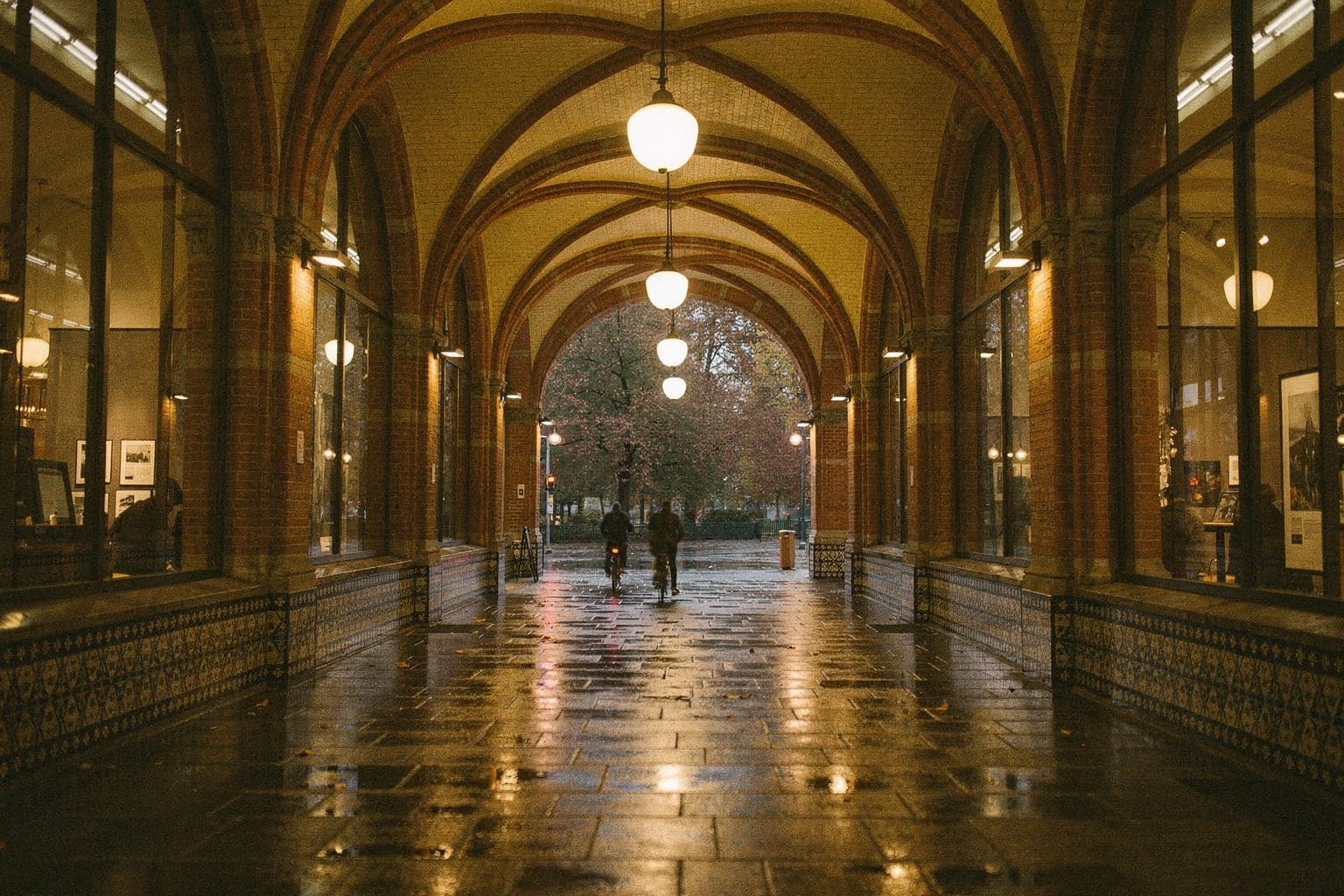
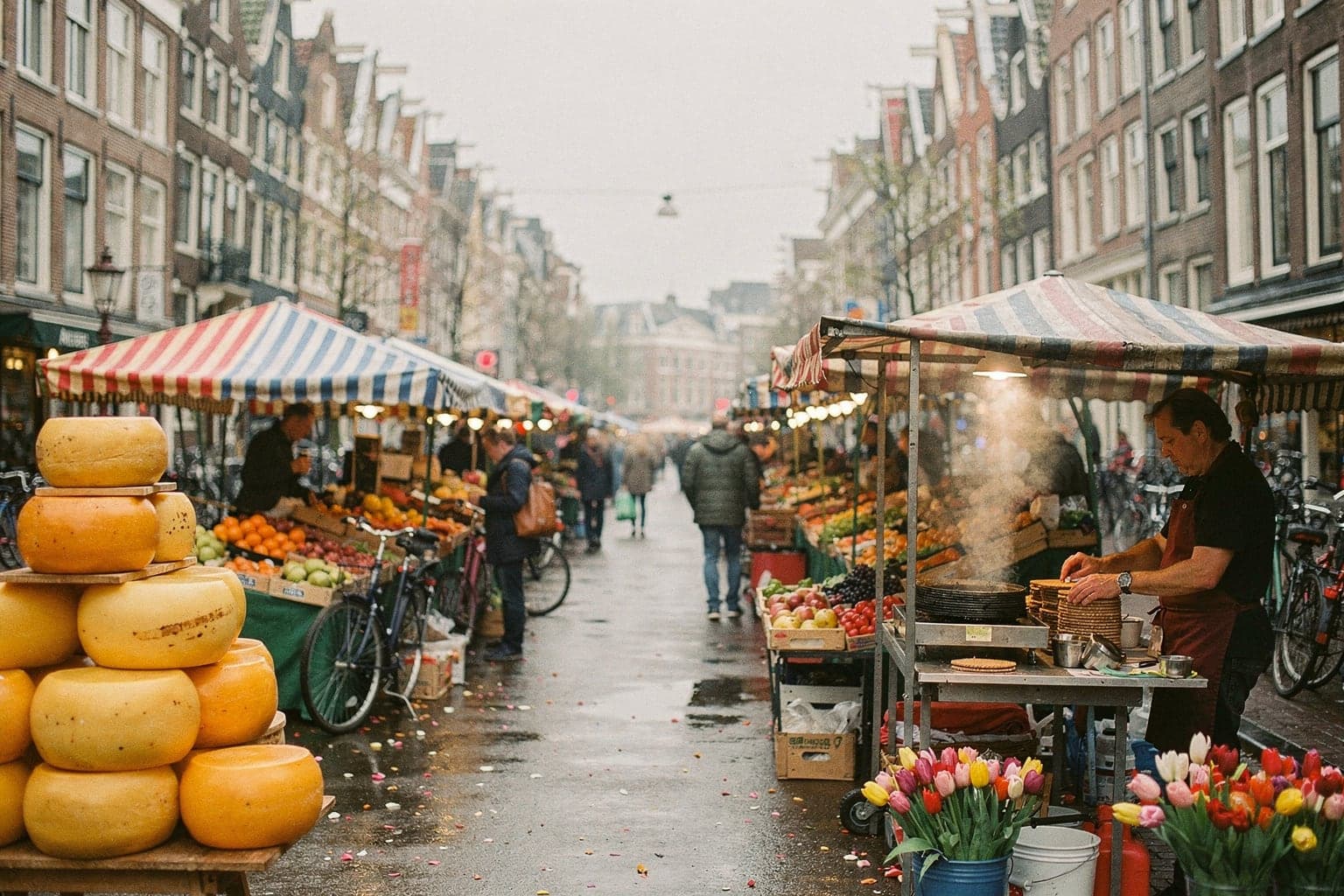
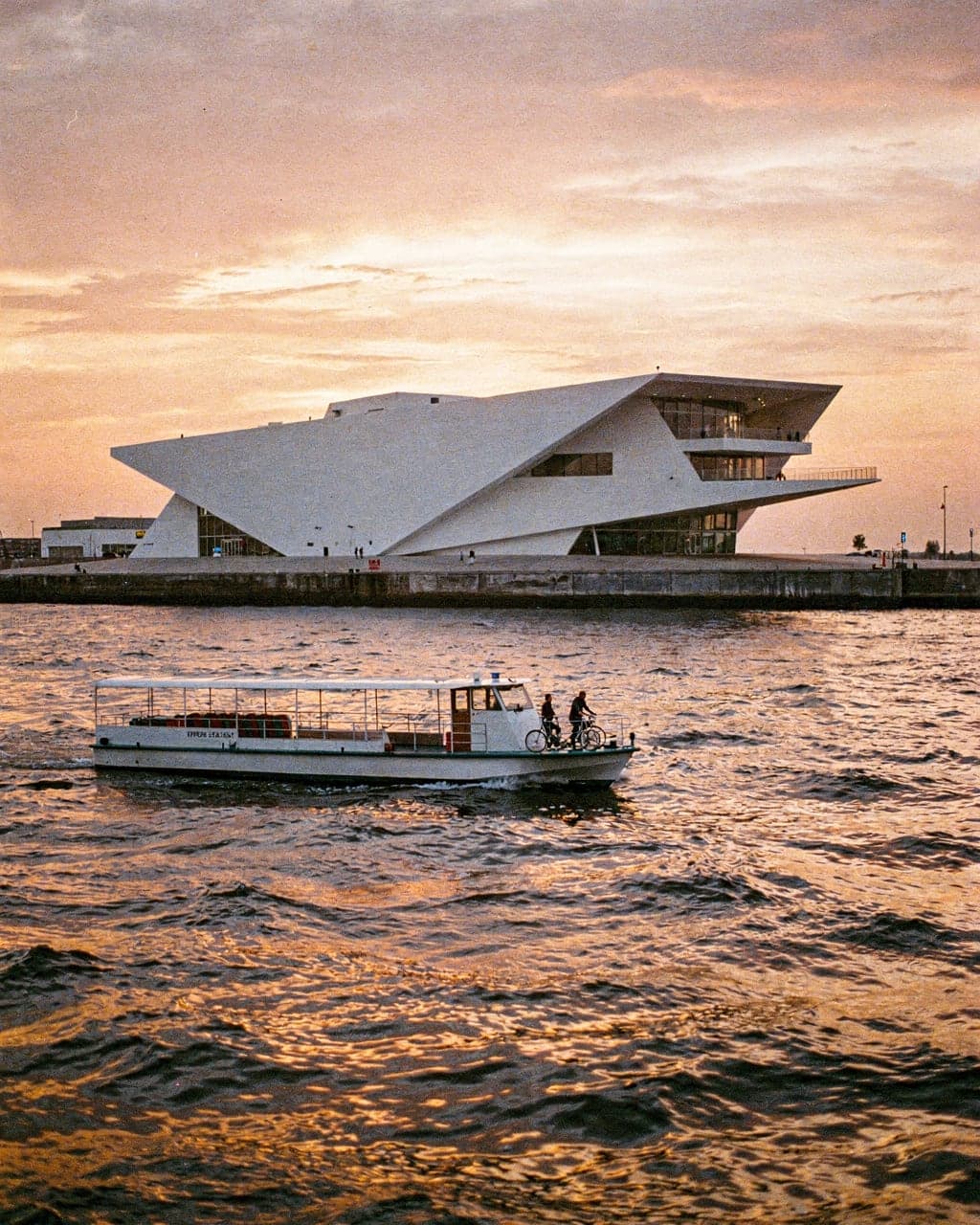
Illustration: Spike Travel (AI-assisted)
Questions people ask
Can tourists still buy cannabis in Amsterdam?
Yes, for now. Dutch national law includes a residents-only rule that each city may choose to enforce, and Amsterdam does not; its new coalition dropped a plan to ban tourists from coffeeshops in June 2026. Canada's travel advice still lists buying as a non-resident as an offence, so know the risk. Smoking on the street in the city centre is banned, and you cannot take cannabis across a border.
How do I get Anne Frank House tickets?
Only on annefrank.org. Every Tuesday at 10:00 Amsterdam time, all tickets for visits six weeks later go on sale. Adults pay €16.50, ages 10–17 €7 and under-10s €1. Nothing is sold at the door, and tickets cannot be exchanged or refunded.
How much is the tourist tax in Amsterdam?
In 2026 it is 12.5% of the room price excluding VAT, on top of the 21% VAT on accommodation that applies from 1 January 2026. The city's new coalition plans to raise the tourist tax to 16% from 2027 and then by one point a year to 20%. Check your booking for which taxes are included.
Do I need ETIAS to visit the Netherlands in 2026?
No. On 12 October 2026 ETIAS was not in operation and the EU had not set a start date. Since 10 April 2026, though, non-EU visitors register fingerprints and a photo at the border under the Entry/Exit System, so allow extra time at Schiphol.
Do I need cash in Amsterdam?
Rarely. Cards and phone payments work almost everywhere, and some cafés no longer take cash at all. The US State Department notes that most retailers need a chip-and-PIN card, so bring one, plus a few euros for market stalls.
How many days do I need in Amsterdam?
Three days covers the big museums, a canal cruise, the Jordaan and a ferry to Noord. Add a fourth for Haarlem or the Zaanse Schans, or for Keukenhof in spring.
Is Amsterdam safe at night?
Generally, yes. The main risks are pickpockets around Centraal Station, drink spiking in bars, and the canals: people drown every year, mostly after heavy drinking or cannabis, so keep away from unrailed edges late at night.
Sources
Where the facts on this page come from. Dates show when we last checked each one.
- ETIAS official website (European Union)accessed Oct 12, 2026
- Entry/Exit System (EES), European Commission Migration and Home Affairsaccessed Oct 12, 2026
- Europe has officially delayed the roll-out of the ETIAS travel permit, Euronews (12 August 2026)accessed Oct 12, 2026
- Netherlands Travel Advisory, US Department of Stateaccessed Oct 12, 2026
- Netherlands entry requirements, GOV.UK foreign travel adviceaccessed Oct 12, 2026
- Netherlands safety and security, GOV.UK foreign travel adviceaccessed Oct 12, 2026
- Netherlands travel advice, Government of Canadaaccessed Oct 12, 2026
- Netherlands travel advice, Smartraveller (Australian Government)accessed Oct 12, 2026
- Travelling to Europe and the Schengen Area, Smartravelleraccessed Oct 12, 2026
- Travel documents for EU nationals, Your Europe (European Union)accessed Oct 12, 2026
- Tourist tax (toeristenbelasting), City of Amsterdamaccessed Oct 12, 2026
- New Amsterdam coalition planning parking and tourist tax hike, NL Times (3 June 2026)accessed Oct 12, 2026
- Amsterdam heeft straks bijna de hoogste toeristenbelasting ter wereld, NOS (23 August 2026)accessed Oct 12, 2026
- How to Amsterdam (visitor rules), City of Amsterdamaccessed Oct 12, 2026
- Amsterdam's red light district starts marijuana smoking ban, Reuters (25 May 2023)accessed Oct 12, 2026
- Tickets, Anne Frank Houseaccessed Oct 12, 2026
- Opening hours and prices, Rijksmuseumaccessed Oct 12, 2026
- Tickets and ticket prices, Van Gogh Museumaccessed Oct 12, 2026
- Tarieven 2026, GVBaccessed Oct 12, 2026
- How does OVpay work, GVBaccessed Oct 12, 2026
- Ferry tickets, GVBaccessed Oct 12, 2026
- Amsterdam & Region Travel Ticket, I amsterdamaccessed Oct 12, 2026
- Train Schiphol Airport to Amsterdam, NSaccessed Oct 12, 2026
- Wat zijn de tarieven voor een taxi?, Rijksoverheidaccessed Oct 12, 2026
- Zaanse Schans blijft in 2026 gratis toegankelijk, Noordhollands Dagbladaccessed Oct 12, 2026
- Tickets, De Zaanse Schansaccessed Oct 12, 2026
- Keukenhof official websiteaccessed Oct 12, 2026
- Dates and hours, Amsterdam Light Festivalaccessed Oct 12, 2026
- Attend ADE 2026, Amsterdam Dance Eventaccessed Oct 12, 2026
- Seventeenth-Century Canal Ring Area of Amsterdam inside the Singelgracht, UNESCO World Heritage Centreaccessed Oct 12, 2026
- Amsterdam climate table, Schiphol 1991–2020 normals (Wikipedia, citing KNMI)accessed Oct 12, 2026
- Albert Cuyp Market opening hoursaccessed Oct 12, 2026
- Bike rentals, MacBikeaccessed Oct 12, 2026
If you like Amsterdam
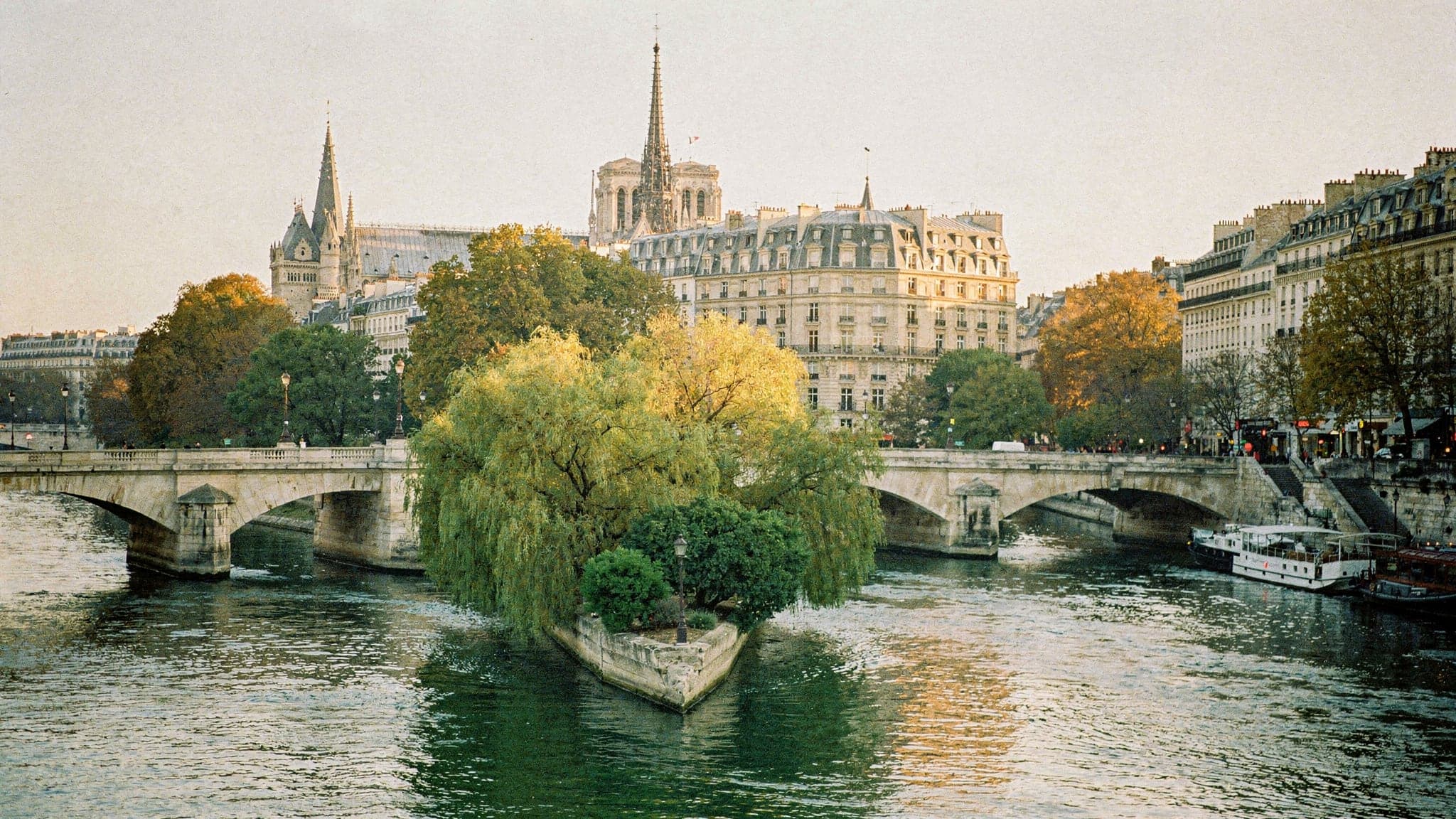
France
Paris
One river, twenty arrondissements and a city that rewards the walker far more than the queue.
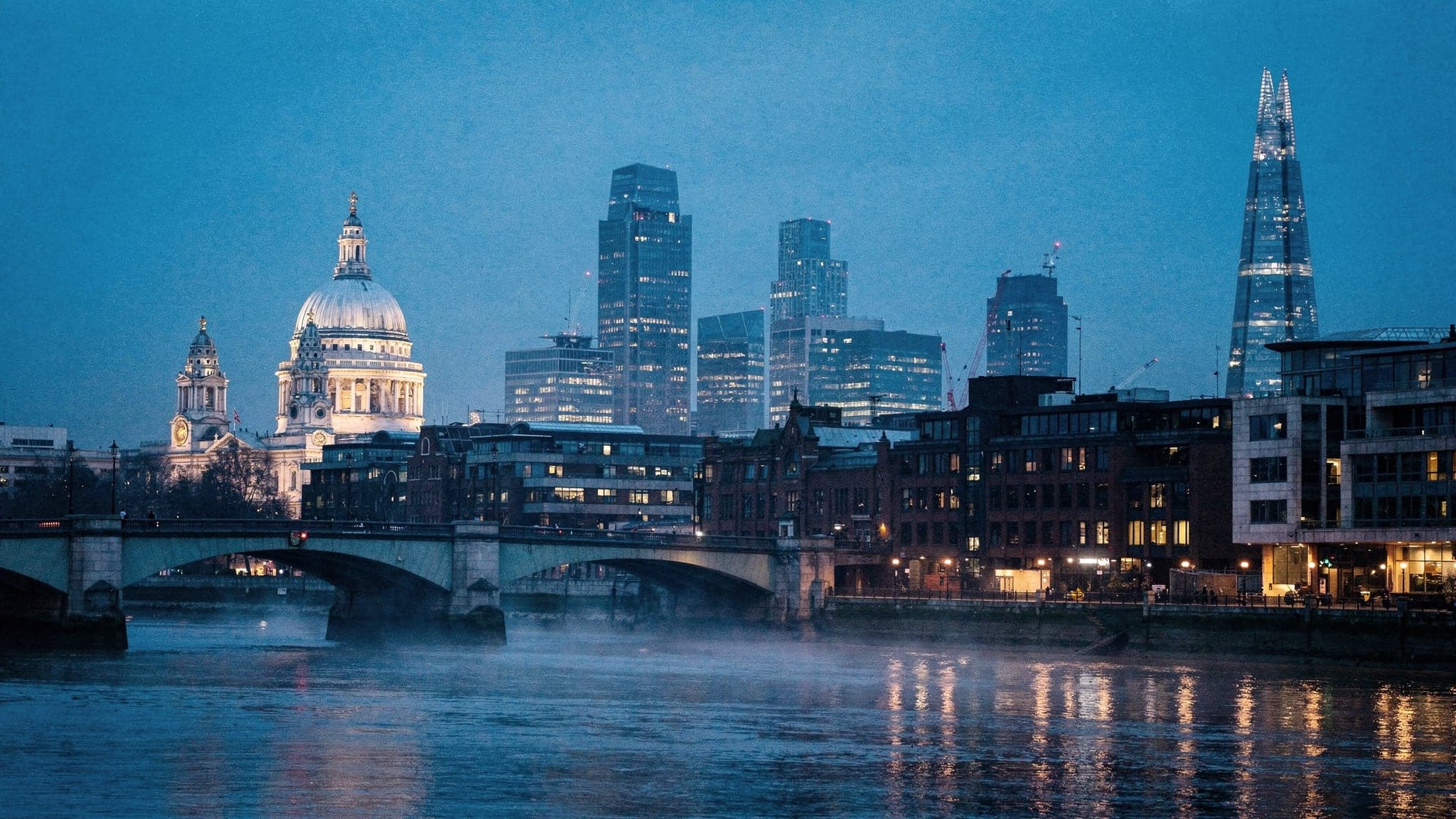
United Kingdom
London
Free national museums, two thousand years of layered streets and a Tube map you'll stop needing by day three.
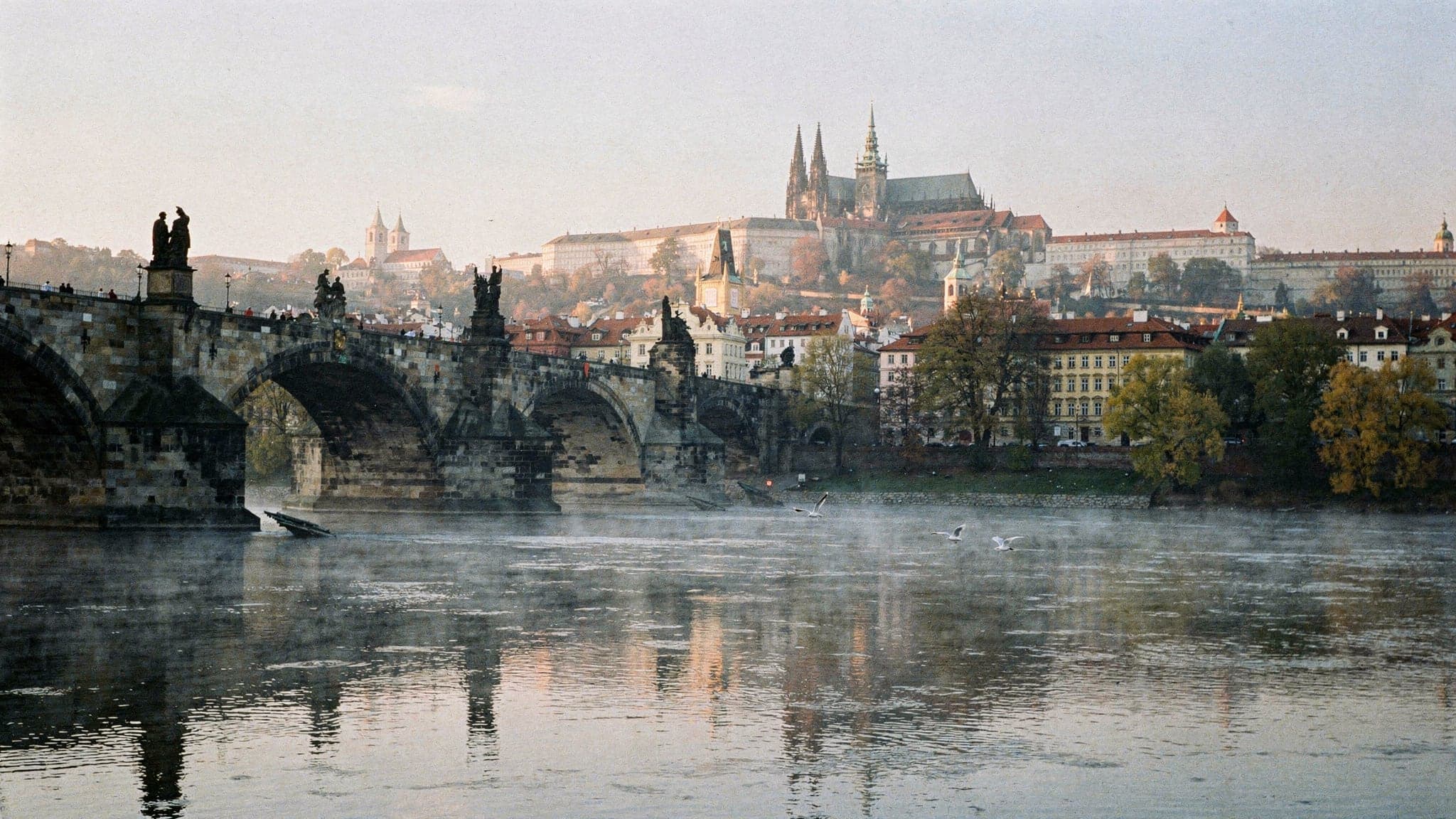
Czechia
Prague
Gothic towers, river light and tank Pilsner at pub prices, once you learn to sidestep the Old Town traps.
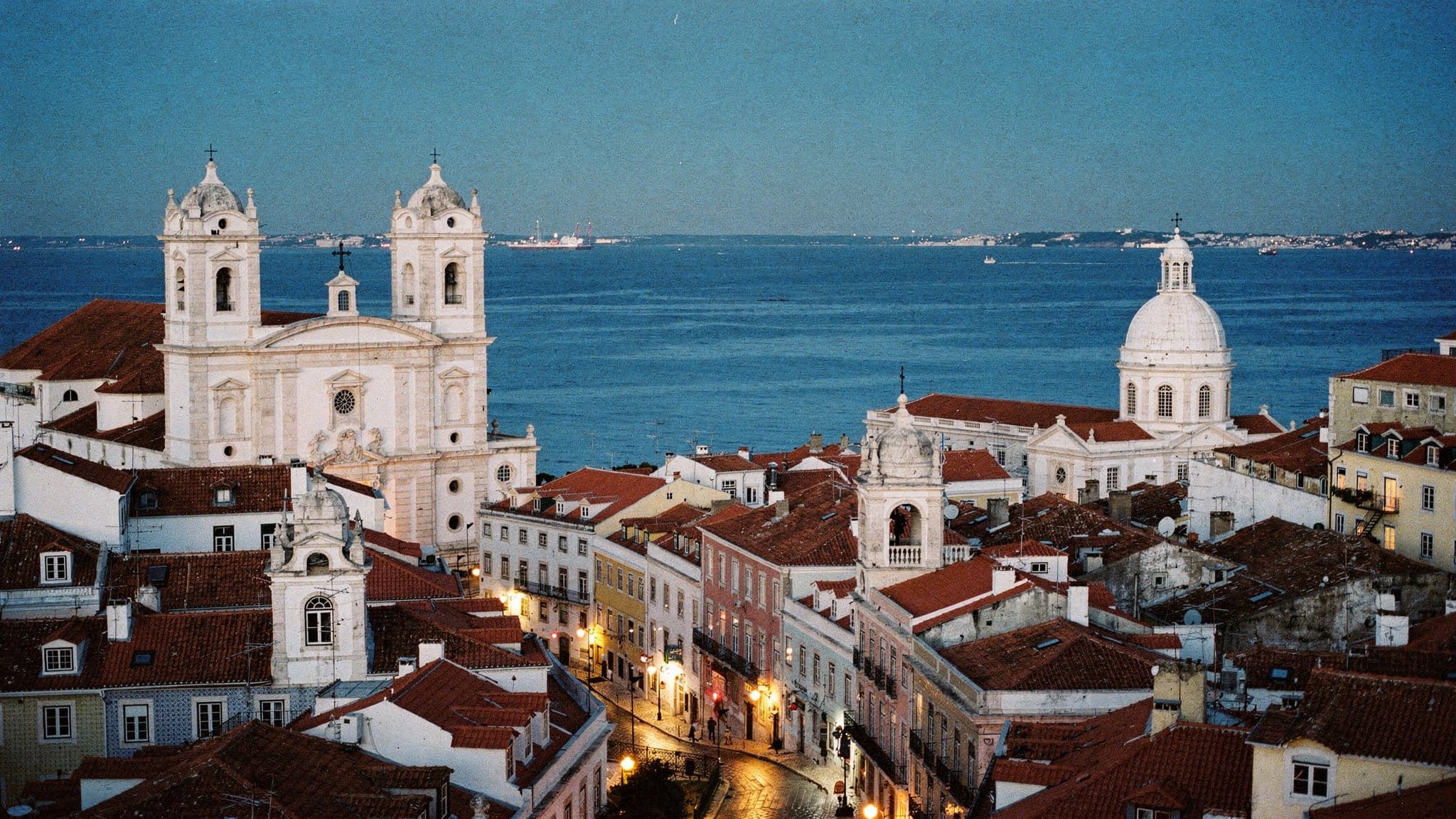
Portugal
Lisbon
Steep cobbled lanes, river light on tiled walls, and a counter espresso that still costs about a euro.
Book Amsterdam
These links go to the booking sites we would use ourselves. Nothing here is currently sponsored.
Fast facts
- Currency
- Euro (EUR)
- Languages
- Dutch
- Plugs
- Type C, F, 230 V, 50 Hz
- Time zone
- Amsterdam (GMT+2)
- Tap water
- Safe to drink
- Tipping
- Service is included; round up or leave 5–10% for good table service, nothing extra at the bar.
- Driving
- On the right
- Emergency
- 112 (all emergencies); police non-emergency 0900 8844
- Dialing code
- +31
- Safety
- 4/5
When to go
Best: Apr–May.
Good for
- Culture & history5/5
- Food & drink3/5
- Nature & scenery2/5
- Adventure2/5
- Beaches1/5
- Nightlife5/5
- Romance4/5
- Family-friendly4/5
- Value for money2/5
- Big-city energy4/5
- Slow & restorative3/5
- Wildlife1/5