Singapore, Southeast Asia
Singapore
A city of rules, rainforest and hawker stalls, where dinner is cheap and the beer is not.
Illustration: Spike Travel (AI-assisted)

By Spike Travel Editorial Desk, Editorial team
Published Oct 12, 2026
Disclosure: No press trips, comps or free products were involved. This dossier is a researched briefing compiled from official and published sources; Spike Travel did not visit for this edition.
- Best time
- Feb–Mar
- Daily budget
- $80–700
- Safety
- 5/5
- Strongest for
- Food & drink, Family-friendly, Big-city energy
Singapore is the easiest landing in Asia, with safe streets, fast trains, a hawker culture on UNESCO's heritage list and gardens that light up after dark. It is also expensive for beds and drinks, hot in every month, and strict about gum, vapes and litter. Give it three or four days, eat at hawker centres, and aim for February or March for the driest weather.
Why go
Singapore makes travel easy. Trains come every few minutes, the tap water is safe, English is the working language and the streets are among the safest anywhere. The airport even has a 40-metre waterfall under a glass dome.
Singapore's hawker culture is on UNESCO's list of the intangible cultural heritage of humanity, and one open-sided food hall shows you why. You can eat Hainanese chicken rice, Malay nasi lemak, murtabak from the Indian Muslim tradition and Teochew fishball noodles, each from a stall that has refined one dish for years, for S$5–8 a plate. A pork noodle stall on Crawford Lane holds a Michelin star.
In Chinatown, Little India and Kampong Glam, temples, mosques and shophouses sit a few blocks from the glass towers of Marina Bay. At night the Supertrees at Gardens by the Bay light up for free, and in the morning you can cross a suspension bridge through the rainforest canopy in the island's central nature reserve. Singapore is expensive for hotels and drinks, strict about rules and hot in every month. Plan for that, and allow three or four days.
The lay of the land
Singapore is an island city-state of 6.21 million people. Most of what visitors want lies in the south, around the mouth of the Singapore River.
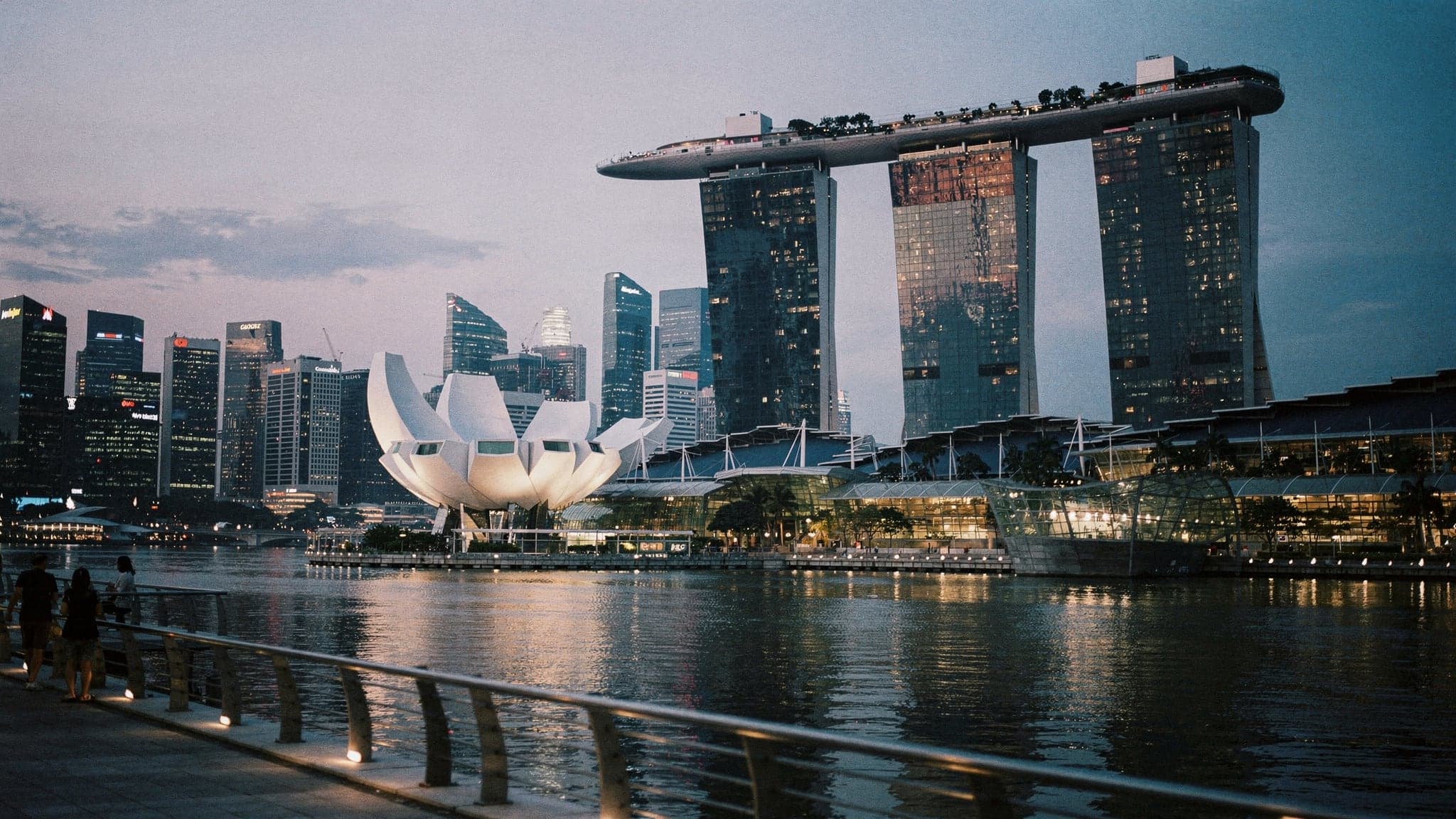
Marina Bay is the modern skyline: Marina Bay Sands, the ArtScience Museum, the Merlion and, behind them on reclaimed land, Gardens by the Bay. North of the river, the Civic District is the colonial core, with the Padang, the National Gallery, Raffles Hotel, the Asian Civilisations Museum and Fort Canning Park. Upriver, the quays change mood as you walk: Boat Quay for bars beneath the financial district, Clarke Quay for clubs, and Robertson Quay for quieter restaurants and serviced apartments.
Chinatown and Tanjong Pagar sit south-west of the river, with shophouse streets, temples, Maxwell Food Centre and bars along Keong Saik Road and Club Street. North of the centre are Little India, around Serangoon Road and Tekka Centre, and Kampong Glam, around the Sultan Mosque, Arab Street and Haji Lane. Orchard Road is the shopping spine, with the Botanic Gardens at its western end.
Further out: Sentosa, the resort island to the south; the Mandai wildlife parks in the north; the central nature reserves around MacRitchie Reservoir; Katong and Joo Chiat, with their Peranakan shophouses, in the east; and Changi and Pulau Ubin at the eastern tip.
Areas at a glance
Marina Bay and Civic District$$$$
The skyline, the museums, the Padang and the grand hotels; polished and pricey.
Best for: First-timers with a bigger budget
Chinatown and Tanjong Pagar$$$$
Shophouse streets, temples, Maxwell Food Centre and cocktail bars on Keong Saik Road.
Best for: Food lovers and couples
Kampong Glam and Bugis$$$$
The Sultan Mosque, Arab Street's textile shops and the bars and murals of Haji Lane.
Best for: Budget travellers and nightlife
Little India$$$$
Temples, spice shops, garland stalls and Tekka Centre; loud, colourful and good value.
Best for: Budget stays and food
Robertson Quay$$$$
Riverside restaurants and serviced apartments, calm after dark.
Best for: Families and longer stays
Katong and Joo Chiat$$$$
Pastel Peranakan shophouses, laksa and old bakeries in the east.
Best for: Repeat visitors and food
When to go
There is no bad season in Singapore and no cool one. Meteorological Service Singapore's 1991–2020 normals put average highs between 30.5°C in December and 32.4°C in April, and lows between 24.3°C and 25.7°C. Every month gets more than 100 mm of rain. February is the driest (about 105 mm), while November and December are the wettest (252 mm and 332 mm), during the northeast monsoon. Rain usually arrives as short, heavy thunderstorms, especially in the inter-monsoon months of April and May and of October and November, so an umbrella matters more than a plan B.
Haze is the wildcard. Smoke from land and forest fires in the region can drift over during the drier southwest monsoon, roughly June to October. In October 2026 readings sat in the unhealthy range for days, and the PSI peaked at 192 in the central region on 9 October. Check haze.gov.sg before you travel, and pack masks if you have asthma.
Chinese New Year falls on 6–7 February 2027, with Chinatown's street light-up and the Chingay parade; some family-run stalls close for a few days. Ramadan runs through February and early March, with a night bazaar at Geylang Serai, and Hari Raya Puasa falls on 10 March 2027. Deepavali on 8 November 2026 lights up Little India, and Orchard Road's Christmas lights run into December. National Day on 9 August and the Formula 1 night race, usually in late September or early October, fill hotels. School holidays in June and from late November crowd Sentosa and the zoo.
Singapore month by month
Best: Feb–Mar. Bars show our 1–5 rating; numbers are average daily highs in °C. The outlined bar is this month.
Month-by-month table
| Month | Rating | High / low °C | Rain mm | Note |
|---|---|---|---|---|
| January | 3/5 | 31 / 24 | 222 | Northeast monsoon; breezier, with occasional long rainy spells. |
| February | 4/5 | 32 / 25 | 105 | Driest month; Chinese New Year (6–7 Feb 2027) lights up Chinatown, though some family-run stalls close. |
| March | 4/5 | 32 / 25 | 152 | Often sunny; Hari Raya Puasa on 10 March 2027 ends Ramadan and the Geylang Serai night bazaar. |
| April | 3/5 | 32 / 25 | 164 | Hottest month on average, with afternoon thunderstorms. |
| May | 3/5 | 32 / 26 | 164 | Hot and humid; inter-monsoon storms most afternoons. |
| June | 3/5 | 32 / 26 | 135 | Southwest monsoon begins; school holidays fill Sentosa and the zoo. |
| July | 3/5 | 31 / 25 | 147 | Steady heat and early-morning squalls; haze possible in dry years. |
| August | 3/5 | 31 / 25 | 147 | National Day on 9 August brings parades, fireworks and full hotels. |
| September | 3/5 | 32 / 25 | 125 | Haze risk in bad fire years; the F1 night race usually falls in late September or early October. |
| October | 3/5 | 32 / 25 | 168 | Inter-monsoon thunderstorms; haze pushed the PSI into the unhealthy range in October 2026. |
| November | 3/5 | 31 / 25 | 252 | Deepavali (8 Nov 2026) lights up Little India; Orchard Road's Christmas lights go up; wetter. |
| December | 3/5 | 31 / 24 | 332 | Wettest month and school holidays; Christmas crowds on Orchard Road. |
Singapore is hot and humid all year, so choose your month by rain and events. February and March are the driest and sunniest, and November to January the wettest. Smoke haze from regional fires can make the air unhealthy between roughly June and October, as it did in October 2026.
What it costs
Singapore's costs split sharply. Hotels are the big expense: Booking.com's weekend average for a three-star room was about US$236 a night in October 2026, and Marina Bay rooms cost far more. Alcohol is the other. Beer carries customs and excise duties of S$76 per litre of alcohol, and wine and spirits S$88, so a pint in a bar often costs S$12–18. A Singapore Sling at the Raffles Long Bar is about S$37–39 before the 10% service charge and 9% GST.
Food and transport are cheap. A hawker meal costs S$5–8, kopi about S$1.50–2.20, and an MRT ride S$1.28–2.57. Many of the best sights are free: the outdoor gardens and Supertree light show at Gardens by the Bay, Spectra on Marina Bay, the Botanic Gardens, the TreeTop Walk and the Rain Vortex at Jewel.
Locals save by eating at hawker centres and coffee shops, which also sell big bottles of beer for well under bar prices, by drinking at happy hour, and by buying their duty-free allowance at Changi. Watch for "++" on menus: it means service charge and GST are added, nearly 20% in total.
Loading tool…
What a day costs
Shoestring
$80
per person, per day, no flights
Mid-range
$240
per person, per day, no flights
Luxury
$700
per person, per day, no flights
Shoestring buys a capsule or dorm bed, hawker meals, the MRT and the free sights, with no bar tabs. Mid-range buys a 3-star or boutique double, one paid attraction a day, a sit-down dinner and a couple of drinks. Luxury buys Marina Bay or Raffles, taxis everywhere, cocktails and tasting menus.
| Item | Local price | ≈ USD | Note |
|---|---|---|---|
| Kopi (local coffee) at a hawker stall | S$1.50–2.20 | $1.4 | A café cappuccino runs about S$6–7; Numbeo's crowd-sourced median is about S$6.60. |
| Pint of beer in a bar | S$12–18 | $11.7 | Numbeo's crowd-sourced median for domestic draught is about S$10.50; coffee shops and happy hours are cheaper. |
| Hawker meal (chicken rice, laksa, noodles) | S$5–8 | $5 | |
| Mid-range dinner for two | S$90–150 | $94 | Bills marked "++" add 10% service and 9% GST. |
| MRT or bus ride (adult card fare) | S$1.28–2.57 | $1.5 | Cheaper if you tap in before 7.45am on weekdays; foreign Visa and Mastercard cards add S$0.60 a day. |
| Taxi from Changi to the city | S$25–45 plus S$6–8 surcharge | $32 | |
| Singapore Tourist Pass, 1 day | S$17 | $13.3 | |
| Hostel or capsule bed | S$40–70 | $43 | |
| 3-star double | S$220–320 | $210 | Booking.com's October 2026 weekend average for a Singapore 3-star was about US$236. |
| Flower Dome and Cloud Forest, non-resident adult | S$46 | $36 | |
| Night Safari, non-resident adult | S$58 | $45 | |
| Singapore Sling at the Raffles Long Bar | About S$37–39 before service and GST | $30 | Visitor-reported 2026 price. |
| Tourist SIM or eSIM | S$12–15 | $10.5 |
Prices verified Oct 12, 2026. Exchange rates move; treat USD as a guide.
Build a budget for SingaporeGetting there and around
Changi Airport (SIN) is about 20 km east of the centre. Before you fly, submit the free SG Arrival Card on ica.gov.sg or in the MyICA app within three days of arrival, counting the arrival day; your permitted stay then arrives as an e-Pass by email, so check the date. Trains leave Changi Airport station, between Terminals 2 and 3, from 5.31am (5.59am on Sundays and public holidays). Change at Tanah Merah for the East West Line or at Expo for the Downtown Line; City Hall is around 45 minutes and about S$2 away. Taxis take about 30 minutes and cost S$25–45 on the meter, plus an airport surcharge of S$6, or S$8 between 5pm and 11.59pm. A 50% surcharge applies from midnight to 5.59am. Grab and other ride-hail apps pick up at every terminal. Seletar Airport (XSP), in the north-east, handles Firefly turboprop flights to Kuala Lumpur's Subang airport; there is no MRT, so take a taxi.
In the city, the MRT goes nearly everywhere. Tap in and out with a contactless Amex, Mastercard, Visa or NETS card or a phone wallet; there is no ticket to buy. Adult fares run from S$1.28 to S$2.57 by distance and are lower if you tap in before 7.45am on weekdays. Foreign-issued Visa and Mastercard cards incur a S$0.60 admin fee per day, so stick to one card per person. The Singapore Tourist Pass (S$17 for one day, S$24 for two, S$29 for three) only pays off if you ride a lot. Eating and drinking on trains is an offence.
Walking is the best way to see the heritage districts, but the heat limits it. Use underground links and covered walkways downtown, save long walks for early morning or after dark, and cross at crossings: jaywalking is illegal. The RTS Link train to Johor Bahru in Malaysia, once due by the end of 2026, is now expected in February 2027.
Arriving and moving around
- SINSingapore Changi Airport. To the centre: About 20 km east of the centre. MRT from Changi Airport station (change at Tanah Merah for the East West Line or at Expo for the Downtown Line), around 45 minutes and about S$2 to City Hall; first train 5.31am (5.59am Sundays and public holidays). Taxi about 30 minutes, S$25–45 on the meter plus a S$6–8 airport surcharge.
- XSPSeletar Airport. To the centre: In the north-east, used by Firefly turboprop flights to Kuala Lumpur's Subang airport. No MRT; a taxi or Grab to the centre takes about 30 minutes.
The MRT and bus network reaches almost everything. Tap in and out with a contactless Amex, Mastercard, Visa or NETS card or a phone wallet; adult fares run from S$1.28 to S$2.57 by distance, and foreign-issued Visa and Mastercard cards add a S$0.60 daily admin fee. The Singapore Tourist Pass (S$17 for one day) only pays off with heavy use. Eating and drinking on trains is an offence. Taxis are metered, with peak-hour and midnight surcharges, and Grab and other ride-hail apps work well. Walk in the early morning or after dark, and use underground links and covered walkways at midday.
Where to stay
Marina Bay and the Civic District suit first-timers with money. You can walk to the bay, the museums and Chinatown, at the city's highest prices. Raffles, the Fullerton and Marina Bay Sands are here.
Chinatown and Tanjong Pagar are better value, with restored shophouse hotels, Maxwell Food Centre and bars on Keong Saik Road and Club Street. Robertson Quay, upriver, is quieter, with riverside restaurants and serviced apartments that suit families. Orchard Road is convenient for shopping and transport but feels anonymous. Kampong Glam, Bugis and Little India have the cheapest central beds, including capsule hotels, and the most street life.
Sentosa's resorts work for a beach-and-theme-park family holiday, but every other sight means a transfer. Very cheap rooms in Geylang sit in the city's red-light district and one of its two Liquor Control Zones: great for late-night food, less good as a base.
Places we'd book
- Check rates
Raffles SingaporeLuxuryCivic District
The 1887 colonial landmark on Beach Road, now all suites, home of the Long Bar and the Singapore Sling.
- Check rates
The Fullerton Hotel SingaporeLuxuryMarina Bay
Grand rooms inside the 1928 Fullerton Building, a national monument at the mouth of the river.
- Check rates
Marina Bay SandsLuxuryMarina Bay
The three-tower icon; its rooftop infinity pool is open only to hotel guests.
- Check rates
The Warehouse HotelSomething differentRobertson Quay
A converted 1890s riverside warehouse with industrial design and a rooftop pool.
- Check rates
Hotel MonoMid-rangeChinatown
A 46-room monochrome boutique in six restored shophouses; rooms are compact.
- Check rates
Lloyd's InnMid-rangeOrchard and Somerset
A minimalist 34-room boutique on a quiet lane a few minutes' walk from Orchard Road.
- Check rates
The Pod Boutique Capsule HotelBudgetBeach Road, near Kampong Glam
Design-led capsule beds and small rooms within walking distance of Bugis and Kampong Glam.
What to do
At Gardens by the Bay, the outdoor gardens and the Supertree Grove are free. The two cooled conservatories, the Flower Dome and Cloud Forest, cost S$46 together for non-residents and are best on a hot afternoon. Stay for Garden Rhapsody, the free light-and-music show in the Supertree Grove at 7.45pm, then walk round the bay to Marina Bay Sands for Spectra, the free light-and-water show at 9pm (it also runs at 8pm, and at 10pm on Fridays and Saturdays). The SkyPark Observation Deck on top of Marina Bay Sands costs from S$35.
The Singapore Botanic Gardens, a UNESCO World Heritage Site, are free and open from 5am to midnight; the National Orchid Garden inside costs S$15. The National Gallery Singapore (S$20 for non-residents) fills the former Supreme Court and City Hall with Singaporean and Southeast Asian art. Walk Chinatown for the Buddha Tooth Relic Temple, Little India for the Sri Veeramakaliamman Temple and Tekka Centre, and Kampong Glam for the Sultan Mosque and Arab Street. Dress modestly. The mosque closes to visitors during Friday prayers.
The Night Safari (S$58) in Mandai is the zoo's nocturnal sibling, explored by tram and on walking trails. In the middle of the island, the TreeTop Walk crosses the rainforest canopy at MacRitchie Reservoir; it is free and closed on Mondays except public holidays. At Changi, the Rain Vortex at Jewel pours 40 metres through a glass dome. It is free, open 10am to 10pm, with light shows at 8pm and 9pm (and 10pm from Friday to Sunday), so time it for your arrival or departure.
Day trip to Pulau Ubin
Pulau Ubin, a village island off the north-east coast, is one of Singapore's last rural corners, with kampong houses, quarry lakes, mangroves and cycling trails. Bumboats leave Changi Point Ferry Terminal when they fill and cost S$4 each way, plus S$2 for a bike, in cash. Rent a bicycle on the island and ride to the Chek Jawa wetlands for the boardwalk through mangroves and coastal forest. Go on a weekday morning, carry water, and finish with nasi lemak at Changi Village Hawker Centre by the ferry terminal.
The shortlist
Gardens by the BaySee
Steel Supertrees wrapped in plants, two huge cooled conservatories and waterfront lawns on reclaimed land beside Marina Bay.
Outdoor gardens free. Flower Dome and Cloud Forest S$46 for non-residents (9am–9pm). Garden Rhapsody light show free at 7.45pm and 8.45pm.
Book ticketsHawker centre crawlEat
Maxwell Food Centre, Chinatown Complex and Lau Pa Sat serve dozens of specialist stalls under one roof, with shared tables and prices locals pay.
Dishes S$5–8. Many stalls take PayNow or NETS but not foreign cards, so carry cash.
Book ticketsMarina Bay at nightSee
Walk the promenade from the Merlion past the Esplanade's spiky domes to Marina Bay Sands for Spectra, a free light-and-water show over the bay.
Free. Spectra at 8pm and 9pm, plus 10pm on Fridays and Saturdays.
SkyPark Observation DeckSee
The viewing deck on top of Marina Bay Sands, 56 floors above the bay, looking over the Gardens, the port and the city.
From S$35 for general admission; sunset slots cost more and sell out.
Book ticketsSingapore Botanic Gardens and National Orchid GardenSee
A UNESCO-listed garden with rainforest, lakes and one of the world's largest displays of tropical orchids in the National Orchid Garden.
Gardens free, 5am–midnight. Orchid Garden S$15 for non-resident adults, last entry 6pm.
Chinatown, Little India and Kampong GlamDo
Three heritage districts within a short ride of each other: the Buddha Tooth Relic Temple, the Sri Veeramakaliamman Temple and the gold-domed Sultan Mosque.
Free. Dress modestly; the mosque closes to visitors during Friday prayers.
National Gallery SingaporeSee
Singaporean and Southeast Asian art in the restored former Supreme Court and City Hall, with a rooftop overlooking the Padang.
General admission S$20 for non-residents; free for citizens and permanent residents.
Night SafariExperience
The nocturnal wildlife park in Mandai, explored by tram and on walking trails through dimly lit habitats.
S$58 for non-resident adults; book a timed entry online, especially at weekends.
Book ticketsMacRitchie TreeTop WalkDo
A suspension bridge across the rainforest canopy in the Central Catchment Nature Reserve, reached by forest trails around MacRitchie Reservoir.
Free. Closed Mondays except public holidays; Tuesday to Friday 9am–5pm (last entry 4.45pm).
Jewel Changi Rain VortexSee
A 40-metre indoor waterfall pouring through a glass dome into a terraced forest at the airport.
Free, 10am–10pm. Light shows at 8pm and 9pm, plus 10pm Friday to Sunday and on public holidays.
Pulau UbinDay trip
One of Singapore's last rural corners: a village island of kampong houses, quarry lakes, mangroves and bike trails off the north-east coast.
Bumboat from Changi Point Ferry Terminal S$4 each way (S$2 extra for a bike), cash; boats leave when full.
Eat and drink
Eat at hawker centres. They are open-sided food halls with dozens of specialist stalls, shared tables and some of the best food in the city.
For Hainanese chicken rice, Tian Tian at Maxwell Food Centre in Chinatown has the famous queue. Hill Street Tai Hwa Pork Noodle on Crawford Lane holds a 2026 Michelin star for its bak chor mee, minced pork noodles with vinegar and chilli, so expect to wait. 328 Katong Laksa on East Coast Road serves the coconut curry noodle soup with the noodles cut short, so you eat it with a spoon. Ya Kun Kaya Toast at Far East Square has served kaya toast and soft-boiled eggs since 1944. Zam Zam on North Bridge Road has made murtabak, griddle bread stuffed with spiced meat, since 1908, and The Banana Leaf Apolo on Race Course Road has served fish head curry since 1974. For chilli crab, Jumbo Seafood has been a dependable name since 1987. For satay, Lau Pa Sat's Satay Street takes over Boon Tat Street from 7pm on weekdays and 3pm at weekends.
Order coffee in code. Kopi comes with condensed milk, kopi O is black with sugar and kopi C uses evaporated milk; add "kosong" for no sugar or "siew dai" for less sweet. Many stalls take PayNow or NETS but not foreign cards, so carry some cash.
The drinking rules are strict. Drinking in any public place is banned from 10.30pm to 7am, and shops cannot sell takeaway alcohol in those hours. In the Liquor Control Zones of Geylang and Little India, the public drinking ban also runs from 7am on Saturday to 7am on Monday, and over public holidays and their eves. Licensed bars and restaurants keep serving later.
Order this
Hainanese chicken rice
Poached chicken with rice cooked in chicken stock, chilli sauce and ginger.
Try it at: Tian Tian Hainanese Chicken Rice, Maxwell Food Centre
Bak chor mee
Minced pork noodles tossed in vinegar and chilli with pork slices and liver.
Try it at: Hill Street Tai Hwa Pork Noodle, Crawford Lane (2026 Michelin star)
Katong laksa
Coconut curry noodle soup with cockles and prawns, the noodles cut short to eat with a spoon.
Try it at: 328 Katong Laksa, 51 East Coast Road
Chilli crab
Mud crab in a sweet, tangy tomato and chilli gravy, mopped up with fried mantou buns.
Try it at: Jumbo Seafood, Riverside Point (since 1987)
Kaya toast and kopi
Toast with coconut-egg jam and butter, soft-boiled eggs and strong coffee with condensed milk.
Try it at: Ya Kun Kaya Toast, Far East Square (since 1944)
Murtabak
Griddle bread stuffed with spiced minced mutton or chicken and egg, with curry.
Try it at: Zam Zam, North Bridge Road (since 1908)
Fish head curry
A whole fish head stewed in tamarind curry with okra and aubergine, served on banana leaf.
Try it at: The Banana Leaf Apolo, 54 Race Course Road (since 1974)
Satay
Charcoal-grilled skewers of chicken, mutton and prawn with peanut sauce.
Try it at: Satay Street at Lau Pa Sat, Boon Tat Street (from 7pm weekdays, 3pm weekends)
Practicalities
Money. The currency is the Singapore dollar (S$). Cards and phone wallets work almost everywhere except some hawker stalls, and ATMs are easy to find. Tipping is not expected; bills marked "++" add a 10% service charge and 9% GST.
Data. Tourist SIMs and eSIMs are sold at Changi; Singtel's hi! Tourist plans start at around S$12–15.
Water and power. Tap water is safe to drink. The supply is 230 V, 50 Hz, with British-style three-pin Type G sockets.
Safety and the law. Petty theft and card fraud occur, but the real risks are legal. Drug offences carry caning and, for some trafficking offences, a mandatory death sentence; you can be tested on arrival, and drugs taken before you arrived count. Laws against outrage of modesty are strictly enforced. A first littering offence usually brings a S$300 fine, and courts can impose up to S$2,000. Importing chewing gum is prohibited, apart from approved dental and medicinal gum. Do not enter Changi's transit area with a boarding pass unless you are flying: misuse can bring a fine of up to S$20,000 and two years in jail.
LGBTQ+. Parliament repealed the law criminalising sex between men in 2022, but same-sex partnerships and marriages are not recognised, including for visas. The gay scene is visible but low-key, and public displays of affection of any kind draw looks.
Accessibility. Singapore is one of Asia's easiest cities with limited mobility. MRT stations have lifts and step-free routes, public buses are wheelchair-accessible, and most hawker centres are on one level.
Phrases. English works everywhere. In Singlish, "can" means yes or fine, "shiok" means delicious or great, "makan" means to eat and "tapau" or "dabao" means takeaway. For emergencies, dial 999 for police and 995 for an ambulance or the fire service.
Entry rules by passport
| Passport | Rule | Max stay | Notes | Checked |
|---|---|---|---|---|
| United States | Visa-free | Up to 90 days | Passport must have six months' validity beyond your date of departure and one blank page per stamp. Submit the free SG Arrival Card within three days before arrival; your permitted stay arrives as an emailed e-Pass. | Oct 12, 2026 |
| United Kingdom | Visa-free | Normally 30 to 90 days | The stay is at the immigration officer's discretion and shown on your e-Pass. Passport must be valid six months from arrival. Complete the SG Arrival Card in the three days before you arrive; overstaying can bring fines, jail or caning. | Oct 12, 2026 |
| EU/Schengen | Visa-free | Usually up to 90 days | No EU or Schengen country is on ICA's visa-required list. The stay is set at the checkpoint and emailed as an e-Pass (Germany's Foreign Office cites 90 days for its citizens). The SG Arrival Card is required and free. | Oct 12, 2026 |
| Canada | Visa-free | Up to 30 days | Passport must be valid six months beyond the date you enter, including in transit. Officers may ask for an onward ticket and proof of funds. ICA can extend the 30-day stay in some circumstances. | Oct 12, 2026 |
| Australia | Visa-free | Up to 90 days | For tourism and business meetings. At immigration you may need a passport valid for six months, proof of funds and an onward ticket. The SG Arrival Card is free; beware scam websites that charge for it. | Oct 12, 2026 |
Entry rules change without notice. Confirm with the official source linked in the Checked column before you travel.
Safety: 5/5
Singapore is one of the safest cities in the world to visit. The US rates it Level 1, Canada and Australia advise normal precautions, and violent crime against visitors is rare. The risks are mostly legal: tough penalties for vaping, drugs, littering, jaywalking and outrage of modesty are enforced on tourists too. Petty theft and card fraud do occur, and smoke haze can make the air unhealthy in some months.
- Lookalike SG Arrival Card websites that charge a fee; the official form on ica.gov.sg and the MyICA app is free.
- Electronics shops that inflate prices or push add-ons on foreigners; check prices before you pay.
- Online short-term rental listings for flats that do not exist or are not available.
- Crab and seafood sold at "seasonal price" by weight; get the price per kilogram and the weight before it is cooked.
- Card skimming; use ATMs inside banks or busy, well-lit areas.
Fast facts
- Currency
- Singapore dollar (SGD)
- Languages
- English, Malay, Mandarin, Tamil
- Plugs
- Type G, 230 V, 50 Hz
- Time zone
- Singapore (GMT+8)
- Tap water
- Safe to drink
- Tipping
- Not expected; restaurant bills marked "++" add a 10% service charge and 9% GST.
- Driving
- On the left
- Emergency
- 999 (police), 995 (ambulance and fire)
- Dialing code
- +65
- Safety
- 5/5
What nobody tells you
Average highs top 30°C every month, and the humidity soaks a shirt in minutes. Plan outdoor sights for early morning and evening, carry water and an umbrella for both sun and storms, and use air-conditioned malls and MRT links as shortcuts.
The haze can wreck a trip. In bad years, smoke from regional fires turns the sky white and the air unhealthy for days or weeks, as it did in October 2026. Check haze.gov.sg and be ready to swap outdoor plans for museums.
The bills add up. Hotels and drinks will dominate your budget. Read the "++", ask for the price per kilogram and the weight before ordering crab, and expect higher prices at the hawker centres closest to the big hotels.
The rules apply to you. Fines for littering, vaping and leaving trays are enforced, cameras are everywhere, and not knowing the law is no defence.
Sentosa's beaches are man-made, and the horizon is a line of anchored cargo ships. Go for the theme parks or a swim, not for wild coast.
Gardens by the Bay and Jewel are packed at weekends and in school holidays, so go on weekdays, and book timed tickets for the SkyPark and the Night Safari.
Insider tips
- Submit the SG Arrival Card free on ica.gov.sg or the MyICA app within three days of landing, and ignore sites that charge.
- Tap your own contactless card on the MRT; foreign Visa and Mastercard cards pay a S$0.60 admin fee once per day, not per ride.
- A packet of tissues on a hawker table means the seat is taken ("choped"); find another or chope your own.
- Return your tray and crockery after eating; first-time offenders get a warning and repeat offenders a S$300 fine.
- Buy your two-litre duty-free alcohol allowance on arrival at Changi if you have been away 48 hours and are not arriving from Malaysia.
- Time Gardens by the Bay for the 7.45pm Garden Rhapsody, then walk round the bay for Spectra at 9pm.
- Do the TreeTop Walk early on a weekday morning; it is closed on Mondays and the forest is hot by noon.
Skip it
- Bringing vapes or e-cigarettes, even in transit; first-time adult offenders face a S$700 fine and repeat visitors can be barred.
- Bringing chewing gum; importing it is prohibited apart from approved dental and medicinal gum.
- Drinking in public after 10.30pm, or trying to buy takeaway alcohol from shops then; both are against the law.
- Crossing midway along a road instead of at a crossing; jaywalking is an offence and enforced.
- Long walks between sights at midday; the heat and humidity are relentless, so ride the MRT.
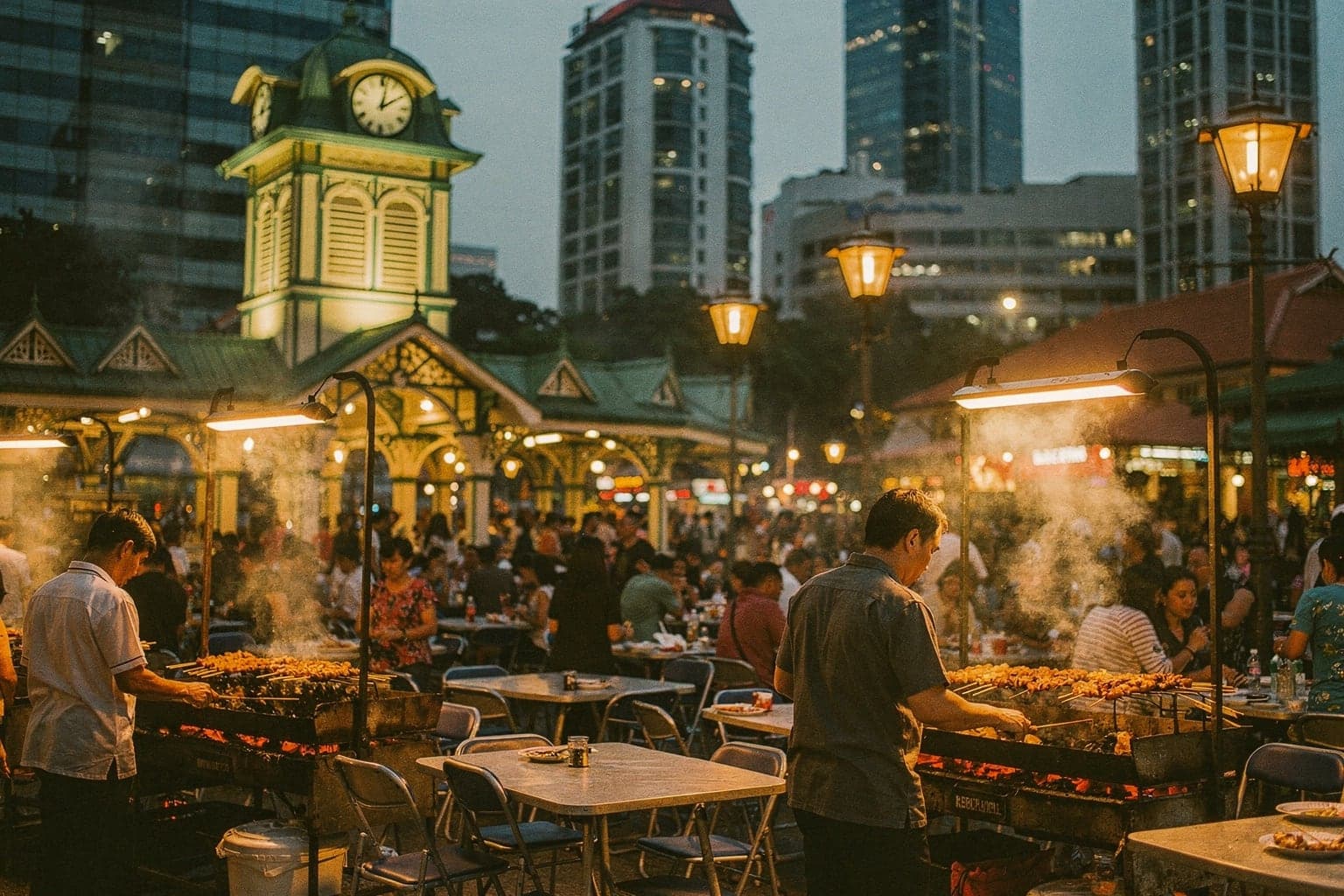
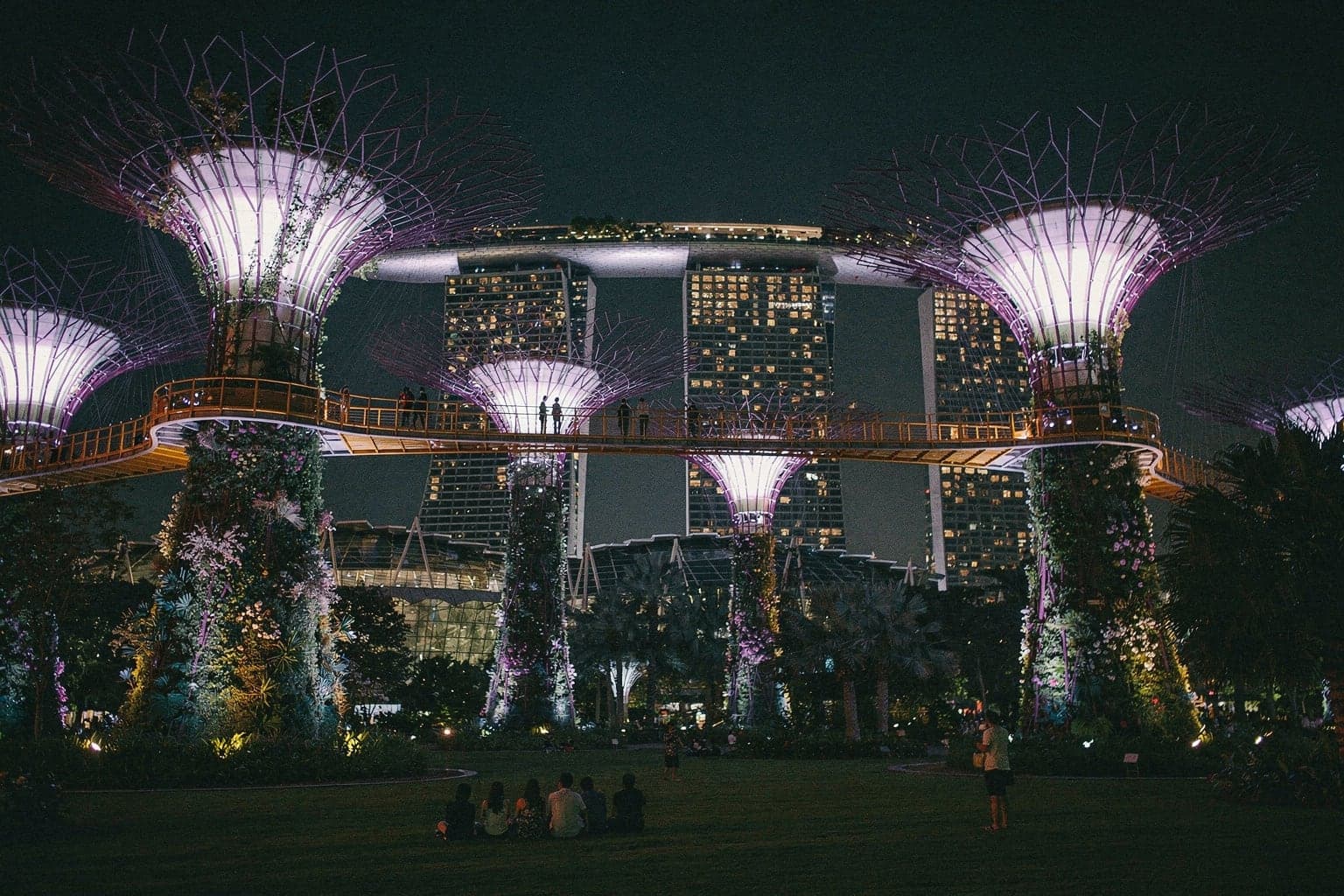
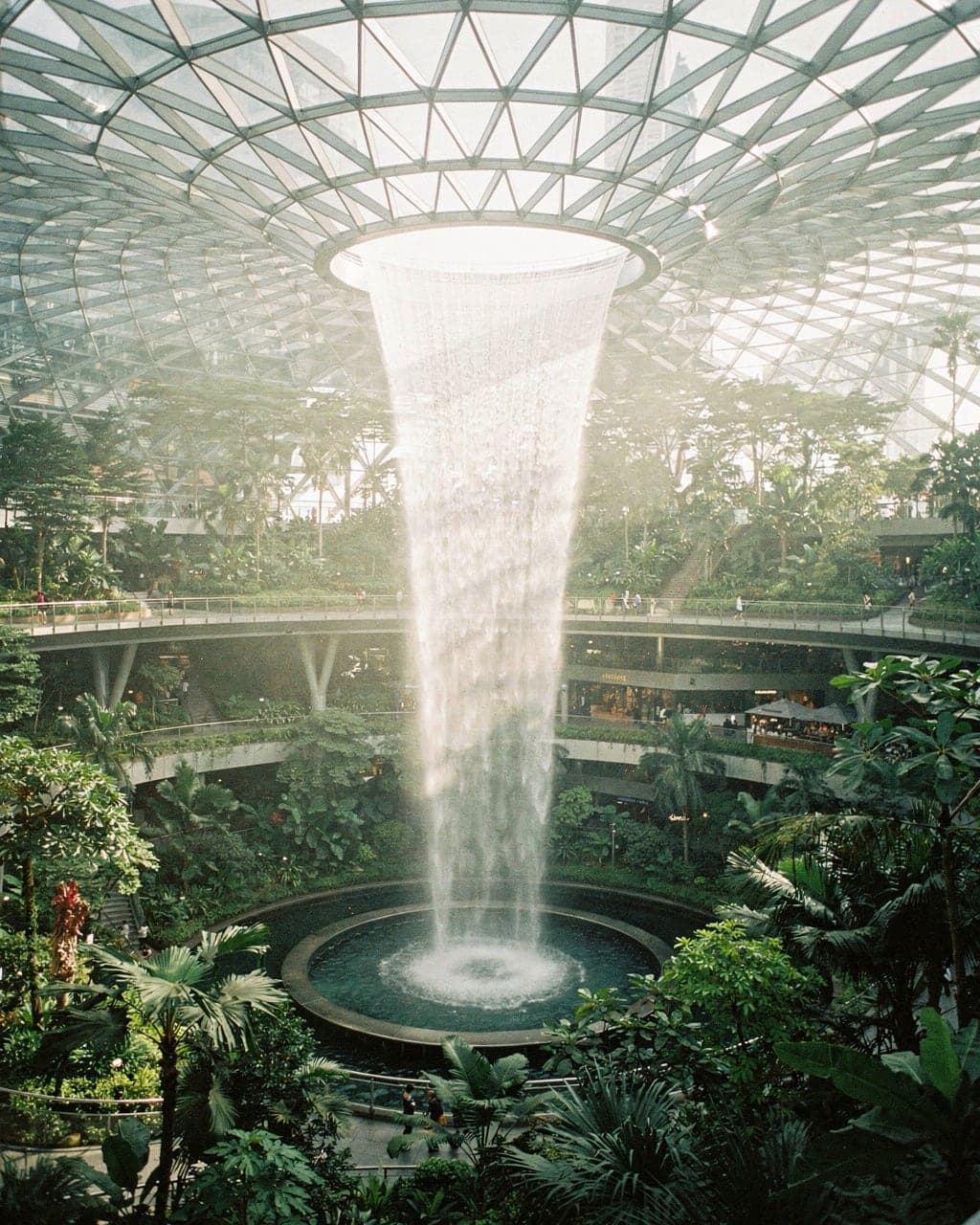
Illustration: Spike Travel (AI-assisted)
Questions people ask
Do I need a visa or an arrival card for Singapore?
Citizens of the US, UK, EU/Schengen countries, Canada and Australia do not need a visa for a short visit. Everyone must submit the free SG Arrival Card online or in the MyICA app within three days before arrival, and your permitted stay arrives as an emailed e-Pass.
Can you bring chewing gum into Singapore?
No. Importing chewing gum is prohibited, except dental and medicinal gum approved by the Health Sciences Authority. Vapes and e-cigarettes are also banned, with fines from S$700 for a first offence.
How many days do I need in Singapore?
Three or four days covers Marina Bay and Gardens by the Bay, the heritage districts, a museum, the Night Safari and plenty of hawker meals. Add a day for Pulau Ubin or Sentosa.
Is Singapore expensive?
Hotels and alcohol are expensive, and a 3-star room often costs over S$250 a night. Food and transport are cheap: hawker meals cost S$5–8 and MRT rides S$1.28–2.57, and many big sights are free.
Can I pay for the MRT with my contactless card?
Yes. Tap a contactless Amex, Mastercard, Visa or NETS card, or a phone wallet, at the gates. Foreign-issued Visa and Mastercard cards incur a S$0.60 admin fee per day.
What are the drinking rules in Singapore?
You cannot drink in public places between 10.30pm and 7am, and shops cannot sell takeaway alcohol in those hours. Licensed bars and restaurants can serve later. Geylang and Little India have stricter rules at weekends and on public holidays.
Is haze a problem in Singapore?
Sometimes. Smoke from regional fires can drift over in the drier months, roughly June to October; in October 2026 the PSI reached the unhealthy range. Check haze.gov.sg before you travel.
Sources
Where the facts on this page come from. Dates show when we last checked each one.
- Check if you need an entry visa (Immigration and Checkpoints Authority)accessed Oct 12, 2026
- SG Arrival Card with electronic health declaration (Immigration and Checkpoints Authority)accessed Oct 12, 2026
- Singapore travel advisory and entry requirements (US Department of State)accessed Oct 12, 2026
- Singapore entry requirements (GOV.UK foreign travel advice)accessed Oct 12, 2026
- Singapore travel advice (Government of Canada)accessed Oct 12, 2026
- Singapore travel advice (Smartraveller, Australian Government)accessed Oct 12, 2026
- Singapore climate normals 1991–2020 (WMO World Weather Information Service; data from Meteorological Service Singapore)accessed Oct 12, 2026
- Climate of Singapore (Meteorological Service Singapore)accessed Oct 12, 2026
- Adult public transport fares from 27 December 2025 (SimplyGo)accessed Oct 12, 2026
- FAQs for contactless bank cards (SimplyGo)accessed Oct 12, 2026
- Leaving Changi Airport, transport options and taxi surcharges (Changi Airport)accessed Oct 12, 2026
- Whole-of-government efforts to tackle vaping (Ministry of Health)accessed Oct 12, 2026
- Higher penalties for vaping offences (gov.sg)accessed Oct 12, 2026
- Controlled and prohibited goods for imports, including chewing gum (Singapore Customs)accessed Oct 12, 2026
- Duty-free concession and GST import relief (Singapore Customs)accessed Oct 12, 2026
- List of dutiable goods, liquor duty rates (Singapore Customs)accessed Oct 12, 2026
- Stepped-up enforcement against table littering from 1 June 2023 (National Environment Agency)accessed Oct 12, 2026
- NEA increases visibility of Corrective Work Order sessions, littering penalties (National Environment Agency)accessed Oct 12, 2026
- Hawker culture in Singapore (UNESCO Intangible Cultural Heritage)accessed Oct 12, 2026
- Flower Dome admission rates and hours (Gardens by the Bay)accessed Oct 12, 2026
- Garden Rhapsody show timings (Gardens by the Bay)accessed Oct 12, 2026
- Jewel Rain Vortex hours and light shows (Jewel Changi Airport)accessed Oct 12, 2026
- Night Safari admission tickets (Mandai Wildlife Reserve)accessed Oct 12, 2026
- Visitor information and admission (National Gallery Singapore)accessed Oct 12, 2026
- Singapore Botanic Gardens visitor information (National Parks Board)accessed Oct 12, 2026
- TreeTop Walk opening hours, Central Catchment Nature Reserve (National Parks Board)accessed Oct 12, 2026
- Visit Pulau Ubin, bumboat fares (National Parks Board)accessed Oct 12, 2026
- Public holidays for 2027 (Ministry of Manpower)accessed Oct 12, 2026
- Population in Brief 2026 (Strategy Group, Prime Minister's Office)accessed Oct 12, 2026
- Haze situation and PSI readings (National Environment Agency)accessed Oct 12, 2026
- Singapore haze forecast, PSI peak of 192 on 9 October 2026 (The Straits Times)accessed Oct 12, 2026
- RTS Link now expected to open in February 2027 (The Straits Times)accessed Oct 12, 2026
- Hill Street Tai Hwa Pork Noodle, one Michelin star (MICHELIN Guide Singapore 2026)accessed Oct 12, 2026
- hi! Tourist SIM and eSIM plans (Singtel)accessed Oct 12, 2026
- Cost of living in Singapore (Numbeo, crowd-sourced; used as a sanity check)accessed Oct 12, 2026
If you like Singapore
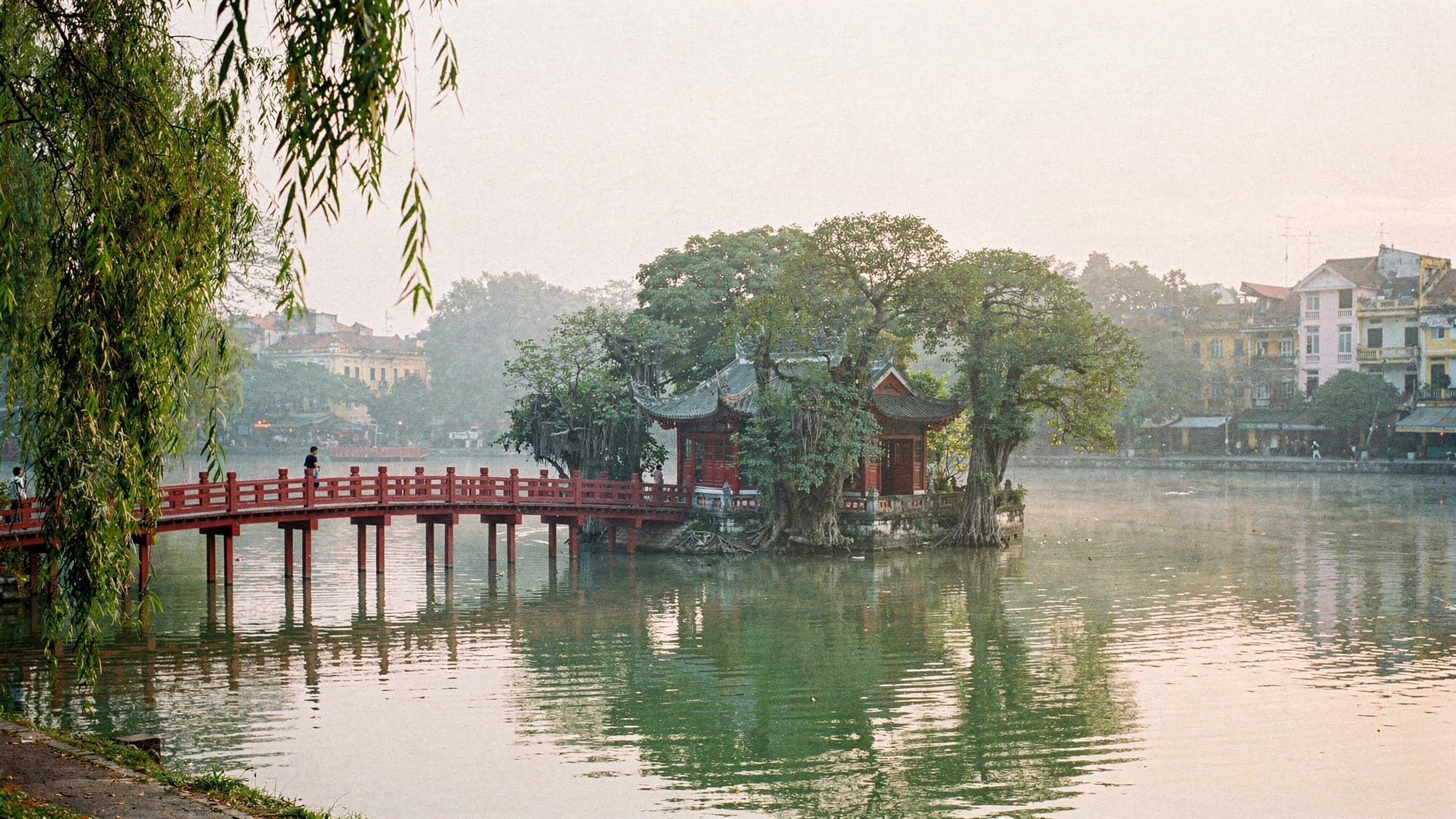
Vietnam
Hanoi
A thousand-year-old capital that still eats breakfast on the pavement.
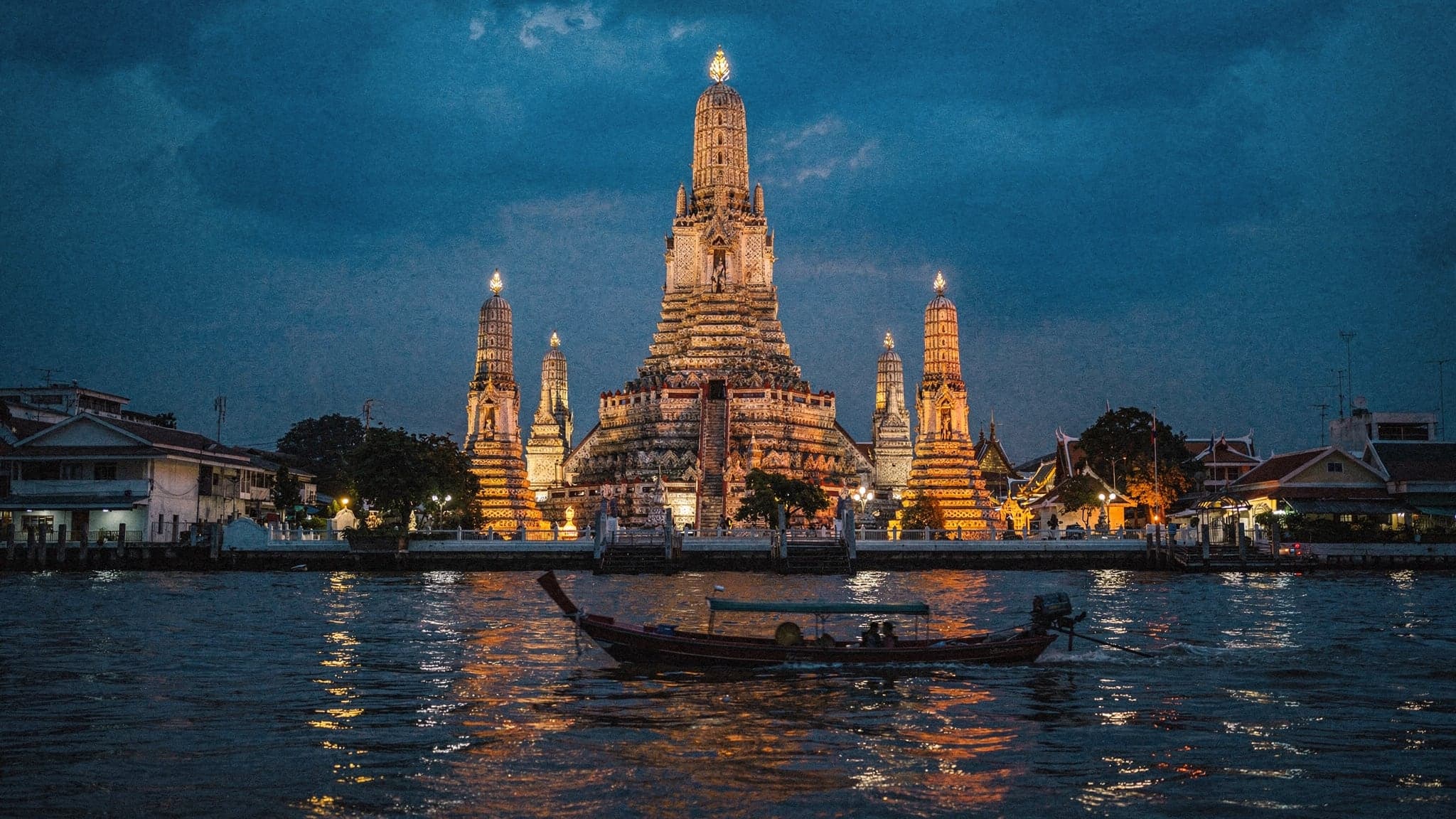
Thailand
Bangkok
Temples at dawn, noodles at midnight, and a river that still carries the city between them.
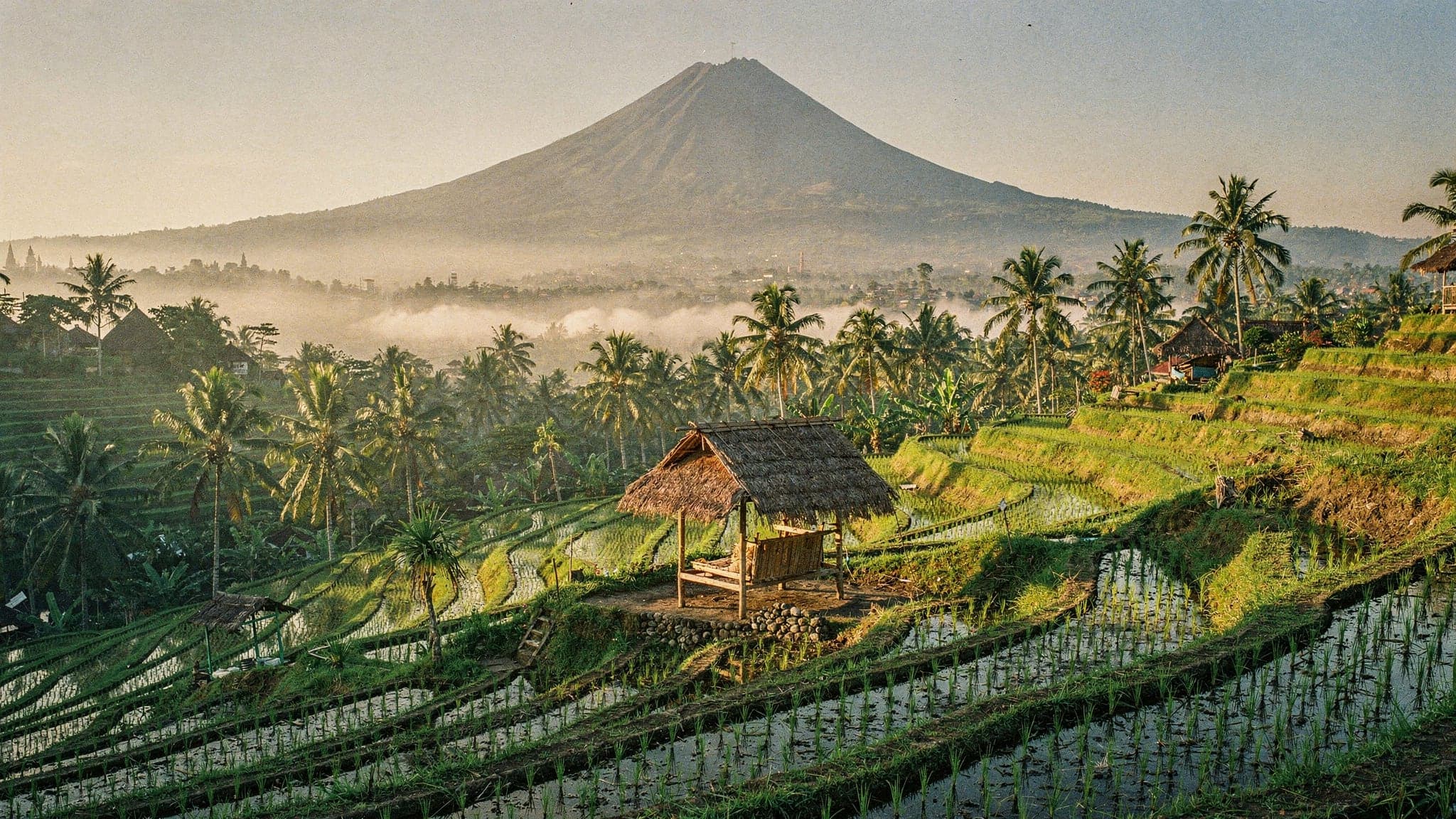
Indonesia
Bali
Offerings on every doorstep, surf below the cliffs, and an island that runs on its own Hindu calendar.
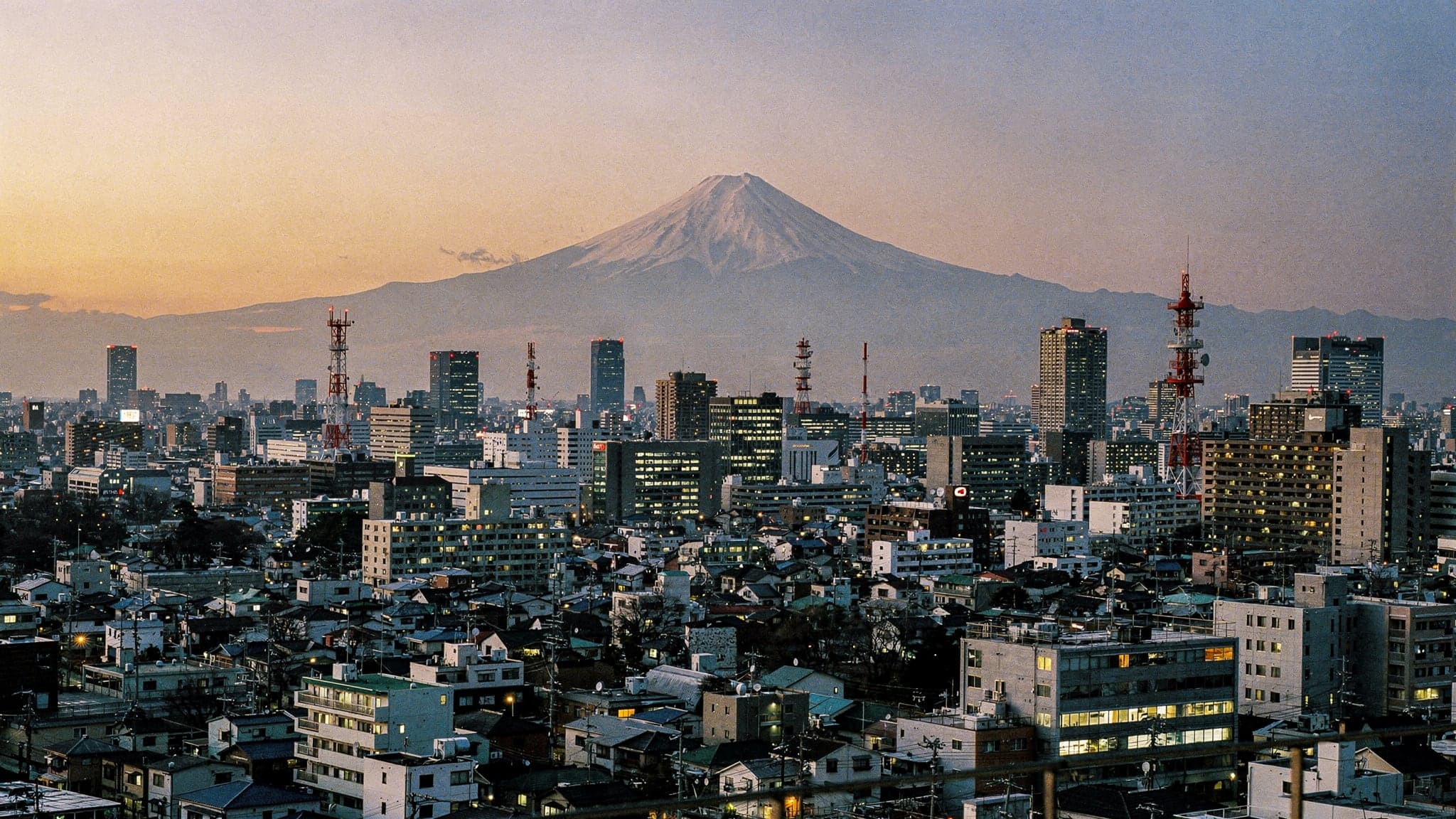
Japan
Tokyo
Fourteen million people, trains that leave on time, and dinner at a counter older than your grandparents.
Book Singapore
These links go to the booking sites we would use ourselves. Nothing here is currently sponsored.
Fast facts
- Currency
- Singapore dollar (SGD)
- Languages
- English, Malay, Mandarin, Tamil
- Plugs
- Type G, 230 V, 50 Hz
- Time zone
- Singapore (GMT+8)
- Tap water
- Safe to drink
- Tipping
- Not expected; restaurant bills marked "++" add a 10% service charge and 9% GST.
- Driving
- On the left
- Emergency
- 999 (police), 995 (ambulance and fire)
- Dialing code
- +65
- Safety
- 5/5
When to go
Best: Feb–Mar.
Good for
- Culture & history4/5
- Food & drink5/5
- Nature & scenery3/5
- Adventure2/5
- Beaches2/5
- Nightlife4/5
- Romance3/5
- Family-friendly5/5
- Value for money2/5
- Big-city energy5/5
- Slow & restorative3/5
- Wildlife3/5