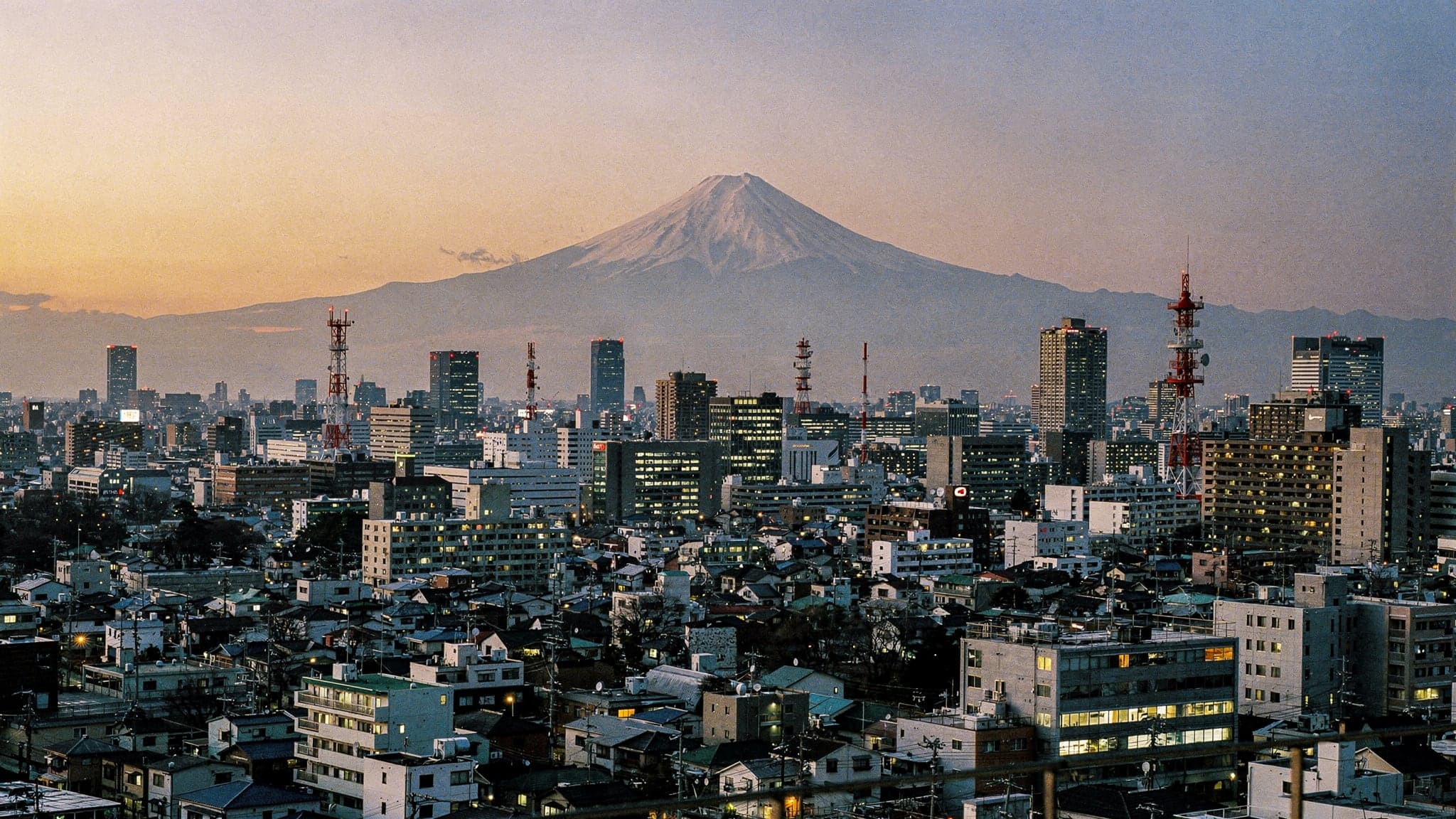
Japan, East Asia
Tokyo
Fourteen million people, trains that leave on time, and dinner at a counter older than your grandparents.
Illustration: Spike Travel (AI-assisted)

By Spike Travel Editorial Desk, Editorial team
Published Oct 12, 2026
Disclosure: A researched briefing compiled from official sources and reputable reporting. No press trip, hosted stay or free product was involved, and no business named here saw this copy before publication.
- Best time
- Apr, Nov
- Daily budget
- $70–600
- Safety
- 5/5
- Strongest for
- Culture & history, Food & drink, Nightlife
Tokyo is a city of distinct neighbourhoods stitched together by trains that run to the minute. This briefing covers when to go (late March and November), real costs at ¥158 to the dollar, the 2026 changes to tax-free shopping and departure tax, how Suica and card tap-to-ride work, where to stay, day trips, and the scams and crowds to sidestep.
Why go
Tokyo works. About 14.3 million people live in the Tokyo Metropolis, yet the subway is quiet enough to hear a page turn, trains leave when the timetable says they will, and a ride across town on the Tokyo Metro starts at ¥180 (about US$1.15). Prices in this dossier use ¥158 to US$1, the rate on 12 October 2026.
Tokyo is a few hundred neighbourhoods, each built around a station. Asakusa smells of incense and grilled rice crackers, and Yanaka keeps its wooden houses and temple lanes. Shimokitazawa runs on secondhand clothes and basement music venues. In one day you can stand in Sensō-ji's courtyard at dawn, drink hand-dripped coffee in a Ginza café that opened in 1948, and end the night at a yakitori counter in Shinjuku's Omoide Yokocho, an alley that grew out of a postwar black market.
The best meals are often the plainest: Tokyo-style shoyu ramen at Harukiya in Ogikubo, serving since 1949; cold soba at Kanda Matsuya, open since 1884; tempura fried to order at Tsunahachi, a Shinjuku fixture since 1923. A lunch at counters like these costs around ¥1,200, the crowd-sourced average for a cheap restaurant meal.
The lay of the land
Think of Tokyo as a loop with spokes. The JR Yamanote Line circles the centre through 30 stations, and most of what you will want sits on or inside that loop, with subway and private lines radiating out.
The west side is the Tokyo of neon and crowds. Shinjuku has the skyscrapers, the Kabukicho entertainment district and Golden Gai's warren of tiny bars. Harajuku and Shibuya sit just south, with the forest of Meiji Jingu between them and Yoyogi.
The east side is older and calmer. Tokyo Station and Marunouchi face the Imperial Palace gardens, Ginza's department stores run south from there, and Ueno's park holds the Tokyo National Museum and the zoo. Asakusa and Sensō-ji are a few stops further, on the Sumida River, with Tokyo Skytree across the water.
South of the loop, Roppongi and Azabudai mix art museums with late bars. Shinagawa is your hub for the Shinkansen and Haneda. On reclaimed land in Tokyo Bay, Toyosu holds the wholesale fish market and teamLab Planets.
Two orientation rules save hours. Addresses are numbered by block, so lean on a map app. At big stations, find your exit number before you start walking: Shinjuku and Tokyo stations are towns in their own right.
Areas at a glance
Shinjuku$$$$
Skyscrapers, neon, a vast station and Golden Gai's tiny bars
Best for: First-timers who want rail links and late food
Shibuya and Harajuku$$$$
Youth fashion, the scramble crossing and Meiji Jingu's forest next door
Best for: Shopping, nightlife and people-watching
Asakusa and Kuramae$$$$
Old downtown by the Sumida River, temple bells, craft workshops
Best for: Budget travellers, ryokan stays and early risers
Marunouchi and Ginza$$$$
Polished offices, department stores and the Imperial Palace gardens
Best for: Short stays, Shinkansen departures and business trips
Ueno and Yanaka$$$$
Museums in the park, wooden houses and temple lanes to the north
Best for: Culture-heavy itineraries and Narita arrivals
Shimokitazawa and Koenji$$$$
Secondhand clothes, small live-music venues and cheap bars
Best for: Repeat visitors and anyone who wants a local evening
When to go
Tokyo's best windows are late March to mid-April and November. The Japan Meteorological Agency's 1991–2020 normals put the first cherry blossoms around 24 March and full bloom around 31 March. Rooms fill and rates jump that fortnight, so book months ahead. November brings average highs of about 17°C, mostly clear skies and gold ginkgo trees from late in the month.
Summer is harder going. The rainy season usually starts in early June and lifts in mid to late July, and August averages a high of 31.3°C with heavy humidity. Typhoons arrive from late summer into autumn, which is why September (225 mm) and October (235 mm) are the wettest months on the JMA record. January and February are cold and dry, and January is the sunniest month of the year.
Plan around Japan's holiday peaks. Golden Week, from 29 April to 5 May, and Obon in mid-August send the whole country travelling. Over New Year, many shops and restaurants close from about 29 December to 3 January. Events worth timing a trip around include the Sanja Matsuri in Asakusa on the third weekend of May and the Sumida River fireworks on the last Saturday of July.
Treat Halloween with care. Shibuya bans drinking on its streets and in parks around the station from 6pm to 5am every night of the year, and in recent years the ward has asked visitors to stay away at Halloween, screened off the Hachikō statue and asked shops in the zone to stop selling alcohol.
If Mount Fuji is on your list, mind the calendar. The 2026 climbing season ended on 10 September. Every trail charged a ¥4,000 hiking fee in 2026, and gates closed from 2pm to 3am to anyone without a mountain-hut booking. The official site published the 2026 rules in March, so expect next season's details in spring.
Tokyo month by month
Best: Apr, Nov. Bars show our 1–5 rating; numbers are average daily highs in °C. The outlined bar is this month.
Month-by-month table
| Month | Rating | High / low °C | Rain mm | Note |
|---|---|---|---|---|
| January | 3/5 | 10 / 1 | 60 | Cold, dry and the sunniest month. Many businesses close for New Year until about 3 January. |
| February | 3/5 | 11 / 2 | 57 | The driest month and one of the quietest; plum blossom from late February. |
| March | 4/5 | 14 / 5 | 116 | Cherry blossoms open around 24 March on the JMA average; book rooms early. |
| April | 5/5 | 19 / 10 | 134 | Full bloom around 31 March to early April; Golden Week crowds from 29 April. |
| May | 4/5 | 24 / 15 | 140 | Golden Week runs to 5 May; Sanja Matsuri fills Asakusa on the third weekend. |
| June | 2/5 | 26 / 19 | 168 | Rainy season (tsuyu) usually starts in early June; hydrangeas, muggy days. |
| July | 2/5 | 30 / 22 | 156 | The rains lift in mid to late July; Sumida River fireworks on the last Saturday. |
| August | 1/5 | 31 / 24 | 155 | Hottest month, with heatstroke alerts; Obon holidays in mid-August; typhoon risk. |
| September | 2/5 | 28 / 20 | 225 | Still hot, and peak typhoon season. Mount Fuji's climbing season closed on 10 September in 2026. |
| October | 4/5 | 22 / 15 | 235 | Comfortable temperatures but the wettest month on average; Shibuya restricts Halloween crowds. |
| November | 5/5 | 17 / 9 | 96 | Clear, crisp days; ginkgo trees turn gold from late November. |
| December | 4/5 | 12 / 4 | 58 | Dry and sunny with winter illuminations; closures begin around 29 December. |
Late March to mid-April and November are Tokyo's best windows: cherry blossom in the first, clear 17°C days and golden ginkgo in the second. June to September brings rain, humid heat above 30°C and typhoons, while January and February are cold, dry and quiet.
What it costs
Tokyo is cheaper than its reputation for eating and getting around, and expensive for sleeping. A shoestring traveller can manage on about US$70 a day with a hostel bed (typically ¥3,500–6,000), konbini breakfasts and ramen lunches. Mid-range travellers should plan on about US$180, most of it the hotel: a plain 3-star double typically runs ¥15,000–25,000 a night, and more in blossom season. Luxury starts around US$600 a day once a five-star room, omakase dinners and taxis enter the picture.
The everyday things are cheap. Numbeo's crowd-sourced averages put a cappuccino at about ¥560, a pint of draft beer at ¥600 and an inexpensive restaurant meal at ¥1,200. Sensō-ji and Meiji Jingu are free, and so is browsing the department-store food halls.
Some costs rose in 2026. Japan's departure tax tripled to ¥3,000 per departure on 1 July 2026; it is added to your air ticket. The visitor-only Tokyo Subway Ticket now costs ¥1,000 for 24 hours, ¥1,500 for 48 hours and ¥2,000 for 72 hours after a 14 March price rise. JR East raised its fares the same day, and its minimum fare went from ¥150 to ¥160.
Tipping is not part of the culture. Service is included, and money left on the table may be returned to you.
Loading tool…
What a day costs
Shoestring
$70
per person, per day, no flights
Mid-range
$180
per person, per day, no flights
Luxury
$600
per person, per day, no flights
Shoestring covers a hostel dorm (typically ¥3,500–6,000), konbini breakfasts, ramen or set lunches around ¥1,200, metro rides and free sights. Mid-range is half of a ¥15,000–25,000 3-star double, sit-down dinners, a few paid attractions and the odd taxi. Luxury means a five-star room, omakase counters and taxis everywhere. Converted at ¥158 to US$1 (12 October 2026).
| Item | Local price | ≈ USD | Note |
|---|---|---|---|
| Cappuccino at a café | ¥560 | $3.5 | Numbeo crowd-sourced average, October 2026 |
| Draft beer (pint) | ¥600 | $3.8 | Numbeo average; reported range ¥330–850 |
| Ramen or set lunch | ¥1,200 | $7.6 | Numbeo average for an inexpensive restaurant meal |
| Mid-range dinner for two | ¥6,000 | $38 | Three courses without drinks (Numbeo); drinks add up quickly at an izakaya |
| Metro ride | ¥180 | $1.15 | Tokyo Metro base fare (¥178 by IC card); JR's minimum fare rose to ¥160 in March 2026 |
| Taxi from Haneda to Shinjuku | ¥9,000 plus tolls | $57 | Flat-rate fare; ¥10,700 from 10pm to 5am. The train costs ¥330–520. |
| Skyliner from Narita to Ueno | ¥2,470 | $15.6 | About 40 minutes; ¥2,465 by IC card |
| Hostel dorm bed | ¥3,500–6,000 | $30 | Typical range; rises sharply in cherry-blossom week and Golden Week |
| 3-star double room | ¥15,000–25,000 | $127 | Typical range; book early for late March and November |
| teamLab Planets ticket | From ¥3,800 | $24 | Adults; timed tickets with dynamic pricing |
| Tokyo Subway Ticket (72 hours) | ¥2,000 | $12.7 | Visitors only; ¥1,000 for 24 hours. Prices rose on 14 March 2026. |
| Travel eSIM | From US$4 | $4 | Airalo Japan packs; unlimited data about US$26.50 for seven days (October 2026) |
| Shinkansen to Kyoto | ¥14,170 | $90 | Nozomi reserved seat, regular season, one way |
Prices verified Oct 12, 2026. Exchange rates move; treat USD as a guide.
Build a budget for TokyoGetting there and around
Haneda is the easy airport. Keikyu trains reach Shinagawa in about 15 minutes for ¥330, and the Tokyo Monorail runs to Hamamatsucho for ¥520. A Haneda flat-rate taxi to Shinjuku costs ¥9,000 plus tolls, or ¥10,700 between 10pm and 5am. From Narita, the Keisei Skyliner reaches Ueno in about 40 minutes for ¥2,470, and the Narita Express runs to Tokyo Station in about an hour for roughly ¥3,100.
Sort out a transit card on arrival. iPhone users can add Suica or PASMO to Apple Wallet, or use JR East's Welcome Suica Mobile app, which is built for visitors. That app is iPhone-only, and most Android phones bought outside Japan cannot add Suica, so Android users should buy a physical card from a station machine. Ordinary Suica and PASMO cards went back on sale on 1 March 2025 after a chip shortage. Either card works on almost every train, subway and bus, and in konbini.
Since 25 March 2026 you can also tap a contactless credit card at the gates of 11 Kanto rail operators, including Tokyo Metro, Toei Subway and Keikyu, with transfers between them. JR lines, including the Yamanote loop, still need Suica, PASMO or a paper ticket.
Taxis are metered and start at ¥500. Rear doors open and close automatically, so leave them alone. Most people hail through the GO app; Uber in Tokyo also books licensed taxis.
For Kyoto, the Tokaido Shinkansen's Nozomi takes about two hours and fifteen minutes and costs ¥14,170 one way for a reserved seat in regular season (¥13,970 through JR Central's smartEX). A return is ¥28,340, well under the ¥50,000 price of a 7-day Japan Rail Pass, and pass holders also need a ¥4,960 special ticket each way to ride the Nozomi. The pass pays only if you add long legs such as Hiroshima or Kanazawa, so price your actual journeys first.
Book ahead for a big suitcase. On the Tokaido, Sanyo and Kyushu Shinkansen, bags whose length, width and height add up to 161–250 cm need a reserved seat with an oversized baggage area, which costs nothing extra. Board without one and you pay ¥1,000 and put the bag where the conductor says. Bags over 250 cm are not allowed. During the biggest holiday peaks, every Nozomi seat is reserved.
Arriving and moving around
- HNDHaneda Airport (Tokyo International). To the centre: About 15 minutes to Shinagawa on Keikyu (¥330) or to Hamamatsucho on the Tokyo Monorail (¥520); flat-rate taxi to Shinjuku ¥9,000 plus tolls
- NRTNarita International Airport. To the centre: Keisei Skyliner to Ueno in about 40 minutes (¥2,470); Narita Express to Tokyo Station in about an hour (around ¥3,100)
Tokyo's rail network does almost everything. Load a Suica or PASMO into Apple Wallet, use JR East's iPhone-only Welcome Suica Mobile app, or buy a physical card at a station machine (ordinary cards went back on sale on 1 March 2025); they work on trains, subways, buses and in konbini. Since 25 March 2026 you can also tap a contactless credit card at the gates of 11 operators including Tokyo Metro, Toei and Keikyu, but JR lines such as the Yamanote loop still need an IC card or paper ticket. The Tokyo Subway Ticket gives visitors unlimited Metro and Toei rides from ¥1,000 a day. Taxis are metered from ¥500 and hailed through the GO app or Uber. Avoid trains with luggage from about 7:30 to 9:30am, and walk short hops: stations are often closer on foot than the map suggests.
Where to stay
Shinjuku and Shibuya make the easiest first base, with rail links in every direction and food until late. Stay on the quieter side of Shinjuku Station or near Shinjuku-sanchome rather than deep in Kabukicho, where touts work the streets most of the night. Hotel Gracery Shinjuku, with the Godzilla head on its terrace, is the classic mid-range pick at the edge of Kabukicho.
Budget travellers get the most for their yen in Asakusa and Kuramae, along the Sumida River. Nui. Hostel and Bar Lounge in Kuramae has dorms upstairs and one of the area's livelier bars at street level. Ryokan Asakusa Shigetsu, a few minutes from Nakamise, has run as a Japanese inn for about 80 years and has a cypress-wood bath with a view towards Skytree.
If you want Tokyo Station on your doorstep for day trips and the Shinkansen, The Tokyo Station Hotel occupies the restored red-brick station building itself. Hotel Niwa Tokyo, near Suidobashi, is a quiet mid-range base for the east side.
Skip Narita-area hotels unless you have a dawn flight. And check how far a "Shinjuku" or "Shibuya" hotel really is from its station: ten minutes' walk with luggage feels longer than it sounds.
Places we'd book
- Check rates
Nui. Hostel and Bar LoungeBudgetKuramae
Dorms and private rooms in a converted warehouse by the Sumida River, with a busy ground-floor bar.
- Check rates
Ryokan Asakusa ShigetsuSomething differentAsakusa
A Japanese inn running for about 80 years, a few minutes from Nakamise, with a cypress-wood bath that looks towards Skytree.
- Check rates
Hotel Gracery ShinjukuMid-rangeShinjuku (Kabukicho edge)
Compact, efficient rooms a few minutes from Shinjuku Station, under the Godzilla head on the terrace.
- Check rates
Hotel Niwa TokyoMid-rangeSuidobashi
A quiet, Japanese-styled hotel near Suidobashi Station, handy for the east side and the JR Chuo-Sobu local line.
- Check rates
The Tokyo Station HotelLuxuryMarunouchi
Rooms inside the restored red-brick station building itself; the easiest possible Shinkansen departure.
What to do
Start early at Sensō-ji. The main hall opens at 6:00 (6:30 from October to March), entry is free, and before about 8am you share the courtyard with joggers and worshippers instead of tour groups. Walk to Yanaka afterwards, then down to Ueno for the Tokyo National Museum (¥1,000, closed Mondays).
Meiji Jingu is the other big free sight. The shrine sits in a planted forest between Harajuku and Yoyogi, opening at sunrise and closing at sunset. Carry on to Shibuya and see the scramble crossing from above. Shibuya Sky costs ¥2,700 online before 3pm and ¥3,400 after, and sunset slots go first, so book when tickets open about two weeks ahead.
For art, teamLab Planets in Toyosu (from ¥3,800) has you wade barefoot through water among light installations. teamLab Borderless at Azabudai Hills is the drier sibling. The Ghibli Museum in Mitaka costs ¥1,000, but tickets are sold only in advance through Lawson Ticket, released at 10am Japan time on the 10th of each month for the month after.
Breakfast at the Tsukiji Outer Market belongs on a first trip. The market's own calendar sets 9:00 to 14:00 as public buyers' hours, and many shops close on Sundays and some Wednesdays.
At night, Shinjuku is the show. Eat yakitori in Omoide Yokocho, then drink in Golden Gai, where many bars seat fewer than ten people and some add a cover charge. Ask before you sit.
Day trips are easy. Kamakura, about an hour south by JR, has the bronze Great Buddha (¥300, plus ¥50 to step inside) and Zen temples in the hills. Nikko is about two hours from Asakusa on Tobu's limited expresses, for the carved and gilded shrines of Tōshō-gū and the waterfalls above them. Hakone, about 90 minutes on Odakyu's Romancecar from Shinjuku, offers hot springs, a lake cruise and, on clear days, Mount Fuji.
The shortlist
Sensō-ji and Asakusa at dawnSee
Tokyo's oldest temple, reached along the Nakamise shopping street. Before 8am the courtyard belongs to worshippers and joggers; by late morning it is shoulder to shoulder.
Free. Main hall 6:00–17:00 (from 6:30 October to March); grounds always open.
Book ticketsMeiji JinguSee
A Shinto shrine set in a planted forest between Harajuku and Yoyogi, with a vast wooden torii and gravel paths that swallow the city noise within a few minutes' walk.
Free. Opens at sunrise and closes at sunset, so hours shift through the year.
Shibuya SkySee
The open-air rooftop on Shibuya Scramble Square, directly above the crossing. Go at sunset for the changeover from daylight to neon, and on clear days Mount Fuji to the west.
¥2,700 online before 15:00, ¥3,400 after; open 10:00–22:30. Sunset slots sell out, so book when sales open about two weeks ahead.
Book ticketsteamLab PlanetsDo
An immersive digital-art museum in Toyosu where you walk barefoot, in places through knee-deep water, among light and mirror installations. teamLab Borderless at Azabudai Hills is the drier option.
Adults from ¥3,800 for timed entry; wear trousers you can roll up.
Book ticketsTokyo National MuseumSee
Japan's oldest national museum, in Ueno Park: samurai armour, ink paintings, ceramics and Buddhist sculpture across several buildings. Pair it with a walk through Yanaka.
¥1,000 for the collection; closed Mondays (Tuesday when Monday is a holiday).
Tsukiji Outer Market breakfastEat
The retail streets that stayed behind when the wholesale market moved to Toyosu: tamagoyaki stalls, knife shops and sushi counters that open early.
Public buyers' hours 9:00–14:00; many shops close on Sundays and some Wednesdays.
Book ticketsShinjuku after darkExperience
Yakitori in Omoide Yokocho, then a drink in one of Golden Gai's tiny bars, many of which seat fewer than ten people. Some add a cover charge, so ask before you sit.
Pay as you go in cash; avoid touts on the Kabukicho side.
Ghibli Museum, MitakaDo
Studio Ghibli's own museum in the western suburbs, with original sketches, a short film shown only here and a rooftop robot from Laputa.
¥1,000 for adults. Advance tickets only, through Lawson Ticket at 10:00 Japan time on the 10th of each month for the following month.
KamakuraDay trip
The seaside former capital about an hour south by JR, with the bronze Great Buddha, Zen temples in the hills and a beach for the walk back to the station.
Great Buddha ¥300, plus ¥50 to step inside. Go on a weekday.
Book ticketsNikkoDay trip
The lavishly carved, gold-leafed shrines of Tōshō-gū in cedar forest, with Kegon Falls and Lake Chūzenji higher up the mountain road.
About two hours from Asakusa on Tobu limited expresses; leave early to fit in the lake.
Book ticketsHakoneDay trip
Hot springs, a volcanic valley, a lake cruise and, when the clouds allow, a full view of Mount Fuji. Better as an overnight stay at a ryokan than a rushed day.
About 90 minutes from Shinjuku to Hakone-Yumoto on Odakyu's Romancecar.
Book tickets
Eat and drink
Eat where locals queue. Lunch is the value play: many restaurants serve set lunches from about 11:30am to 2pm, then close until dinner. Ramen and soba shops often have a ticket machine by the door; pay there and hand the ticket to the cook.
Several of the best are also the oldest: Tsunahachi for tempura in Shinjuku (since 1923), Tonki for tonkatsu in Meguro (since 1939), Kanda Matsuya for soba (since 1884), Harukiya for Ogikubo ramen (since 1949) and Nodaiwa for charcoal-grilled eel, a business founded in the 1790s. For monjayaki, the runny griddle dish of the east side, go to Tsukishima's Monja Street. For coffee as ritual, Café de l'Ambre in Ginza has been hand-dripping since 1948.
Department-store food halls, the depachika, are some of the best free entertainment in the city. Start in the basement of Isetan Shinjuku, and come late in the day, when bento and sushi are often marked down before closing. Konbini such as 7-Eleven, Lawson and FamilyMart sell onigiri, hot snacks and decent coffee around the clock.
Etiquette is simple. Say "itadakimasu" before you eat. Slurping noodles is fine. Never pass food from chopstick to chopstick or stand chopsticks upright in rice, as both echo funeral rites. Izakaya usually bring a small paid starter, the otōshi, which works as a cover charge.
Order this
Tempura
Seafood and vegetables fried to order in a light batter, eaten piece by piece at the counter.
Try it at: Tsunahachi, Shinjuku (since 1923)
Tonkatsu
A thick breaded pork cutlet with shredded cabbage, rice and miso soup.
Try it at: Tonki, Meguro (since 1939)
Soba
Buckwheat noodles served cold with a dipping sauce or hot in broth.
Try it at: Kanda Matsuya, Kanda (since 1884)
Tokyo-style shoyu ramen
Clear soy-based broth with curly noodles, the style the city made its own after the war.
Try it at: Harukiya, Ogikubo (since 1949)
Unagi
Freshwater eel grilled over charcoal and glazed with a sweet soy sauce, served over rice.
Try it at: Nodaiwa, Azabu (a business founded in the 1790s)
Yakitori
Chicken skewers grilled over charcoal, with salt or tare sauce, best with a cold beer.
Try it at: Omoide Yokocho, Shinjuku (counters since the late 1940s)
Monjayaki
A runny griddle batter with cabbage and seafood, scraped up with tiny spatulas.
Try it at: Tsukishima Monja Street
Kissaten coffee
Slow, hand-dripped coffee in the old Japanese café tradition.
Try it at: Café de l'Ambre, Ginza (since 1948)
Practicalities
Money. Cards are widely accepted, including in taxis and most restaurants, but carry ¥10,000–20,000 in cash for small shrines, food stalls and older bars. 7-Eleven and Japan Post ATMs take most foreign cards.
Data. An eSIM is the easy route. Airalo's Japan packs start at about US$4, and unlimited data costs about US$26.50 for seven days (October 2026).
Water and power. Tap water is safe to drink. Sockets are Type A and B at 100 V, and Tokyo runs at 50 Hz. Phone and laptop chargers cope; check hair tools.
Entry. See the visa table above. JESTA, Japan's electronic travel authorisation, was written into law in May 2026 but is not running yet: the government will set its start date by cabinet order, no later than 31 March 2029. No official JESTA portal exists, so ignore sites selling "early registration". Visit Japan Web is free and optional, and gives you a single QR code for immigration and customs.
Medicines. Stimulant ADHD drugs such as Adderall are banned in Japan, and bringing more than a month's supply of some prescription drugs requires an import certificate from the health ministry. Check before you pack.
Safety. Earthquakes are a fact of life here. Install JNTO's Safety tips app, which pushes earthquake, tsunami and weather warnings in English, learn your hotel's exits, and call the Japan Visitor Hotline (050-3816-2787, 24 hours) if you need help. Police are 110; fire and ambulance are 119.
LGBTQ+. Tokyo is relaxed, and Shinjuku Ni-chome is the centre of gay nightlife. Japan does not recognise same-sex marriage, though the Tokyo Metropolitan Government has run a partnership certificate system since November 2022. Public displays of affection of any kind are uncommon.
Accessibility. Most central stations have lifts, and station staff will set up a boarding ramp for wheelchair users if you ask at the gate. Older bars and restaurants are often up or down steep stairs.
Phrases. Sumimasen (excuse me, sorry). Arigatō gozaimasu (thank you). Kore kudasai (this one, please). Okaikei onegaishimasu (the bill, please). Eigo no menyū wa arimasu ka (do you have an English menu)?
Entry rules by passport
| Passport | Rule | Max stay | Notes | Checked |
|---|---|---|---|---|
| United States | Visa-free | 90 days | No visa needed for tourism stays of up to 90 days; your passport must be valid for the whole stay. Officers photograph and fingerprint visitors on arrival. JESTA, Japan's planned pre-travel authorisation, became law in May 2026 but is not running: its start date will be set by cabinet order, no later than 31 March 2029. Visit Japan Web is free and optional. | Oct 12, 2026 |
| United Kingdom | Visa-free (permission granted on arrival) | 90 days, extendable once for a further 90 days | GOV.UK describes this as a visa on arrival for tourism or business of up to 90 days; you can apply at a regional immigration office for another 90 days. Your passport must be valid for the length of your stay, with one blank page for the landing stamp. JESTA is not yet in force. | Oct 12, 2026 |
| EU/Schengen | Visa-free | 90 days | Every EU member state is on Japan's visa-exemption list for short stays of up to 90 days. Austrian, German and Irish citizens may apply in Japan to extend their stay to a maximum of six months. Your passport must be valid for the whole stay. JESTA is not yet in force. | Oct 12, 2026 |
| Canada | Visa-free | 90 days | Tourist visa not required for stays of up to 90 days. Overstaying the 90-day limit is a criminal offence in Japan. Your passport must be valid for the expected duration of your stay; airlines may apply stricter rules. JESTA is not yet in force. | Oct 12, 2026 |
| Australia | Visa-free | 90 days | Smartraveller says Australians currently do not need a visa for visits of up to 90 days, and that entry and exit conditions can change at short notice. JESTA is not yet in force. | Oct 12, 2026 |
Entry rules change without notice. Confirm with the official source linked in the Checked column before you travel.
Safety: 5/5
Tokyo has low street crime, and most neighbourhoods are fine to walk late at night. The risks that do exist cluster in nightlife districts: Canada's travel advice reports drink spiking and overcharging at bars and clubs in Kabukicho, Roppongi and other entertainment areas, sometimes followed by visitors being taken to cash machines. The bigger hazards are natural. Japan has frequent earthquakes and a typhoon season from late summer, so learn your hotel's exits and save the 24-hour Japan Visitor Hotline (050-3816-2787).
- Street touts in Kabukicho and Roppongi steering you to bars that overcharge; disputes over bills have turned violent.
- Drinks spiked in nightlife districts, followed by card fraud or forced ATM withdrawals. Keep your drink in hand.
- Websites selling "early registration" for JESTA. No official JESTA portal exists yet.
- Copycat Visit Japan Web apps. The Digital Agency has warned about lookalikes; use vjw.digital.go.jp only.
Fast facts
- Currency
- Japanese yen (JPY)
- Languages
- Japanese
- Plugs
- Type A, B, 100 V, 50 Hz (western Japan, including Kyoto, runs at 60 Hz)
- Time zone
- Tokyo (GMT+9)
- Tap water
- Safe to drink
- Tipping
- Not done anywhere. Service is included, and money left on the table may be handed back to you.
- Driving
- On the left
- Emergency
- 110 police; 119 fire and ambulance; Japan Visitor Hotline 050-3816-2787 (24 hours, English)
- Dialing code
- +81
- Safety
- 5/5
What nobody tells you
Shibuya Crossing is a crossing. Crowds surge over it every few minutes, but at street level you mostly see the backs of other people filming. Watch from above, then move on.
From about 7:30 to 9:30am, inner-city trains are packed tight, and rolling a suitcase on board is miserable for everyone. Send bags between hotels with a luggage-forwarding service, which hotel front desks arrange.
Big stations will beat you at least once. Shinjuku and Tokyo stations have many exits on several levels. Use the exit numbers in your map app and add ten minutes.
Bins are scarce. Carry a small bag for rubbish and take it back to your hotel or a konbini.
Summer heat can make you ill. With August highs averaging 31°C and heavy humidity, carry water, rest in the shade and take heatstroke alerts seriously.
The nightlife scam is old and still works. Anyone who approaches you in Kabukicho or Roppongi with a cheap drinks deal is a tout. Canada's travel advice describes spiked drinks, overcharging and visitors taken to cash machines. Choose bars yourself and keep your drink in hand.
Insider tips
- Pick your airport by your hotel. Haneda is 15 to 20 minutes from Shinagawa or Hamamatsucho by train; Narita is 40 to 60 minutes out on the express trains.
- Credit-card tap-to-ride works on Tokyo Metro, Toei and nine other operators, but not on JR lines. Keep an IC card for the Yamanote loop.
- Shibuya Sky releases tickets about two weeks ahead. Book the slot that starts 30 minutes before sunset the day sales open.
- Ghibli Museum tickets go on sale at 10:00 Japan time on the 10th of the month before. Set an alarm in your own time zone.
- Ship big suitcases between hotels with a luggage-forwarding service at the front desk, and travel light on the trains.
- Carry a small bag for rubbish. Public bins are scarce, and konbini bins are the usual place to drop it.
- Lunch sets are the best-value meals in the city. Many restaurants close between about 2pm and dinner.
- The JR Pass now costs ¥50,000 for seven days. A Tokyo to Kyoto return is ¥28,340 on ordinary tickets, so do the maths first.
Skip it
- Accepting a bar invitation from a street tout in Kabukicho or Roppongi. Choose bars yourself.
- Shibuya on Halloween night. Street drinking is banned from 6pm to 5am, the ward asks visitors to stay away, and crowd controls are heavy.
- Climbing Mount Fuji outside the official season. Huts and first-aid stations close, and the official site calls it extremely dangerous.
- Buying a 7-day JR Pass for a simple Tokyo and Kyoto trip. Two ordinary tickets cost less.
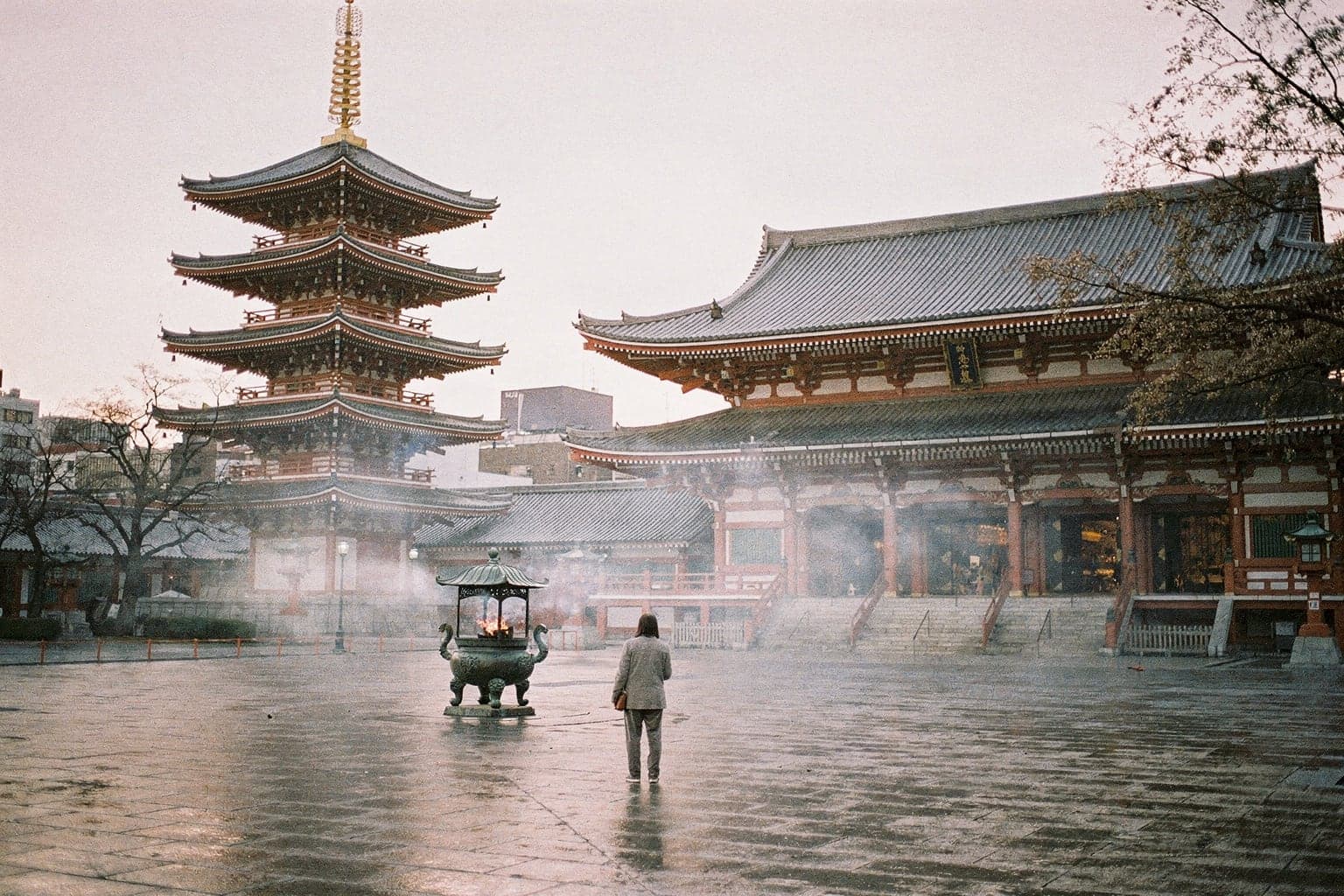
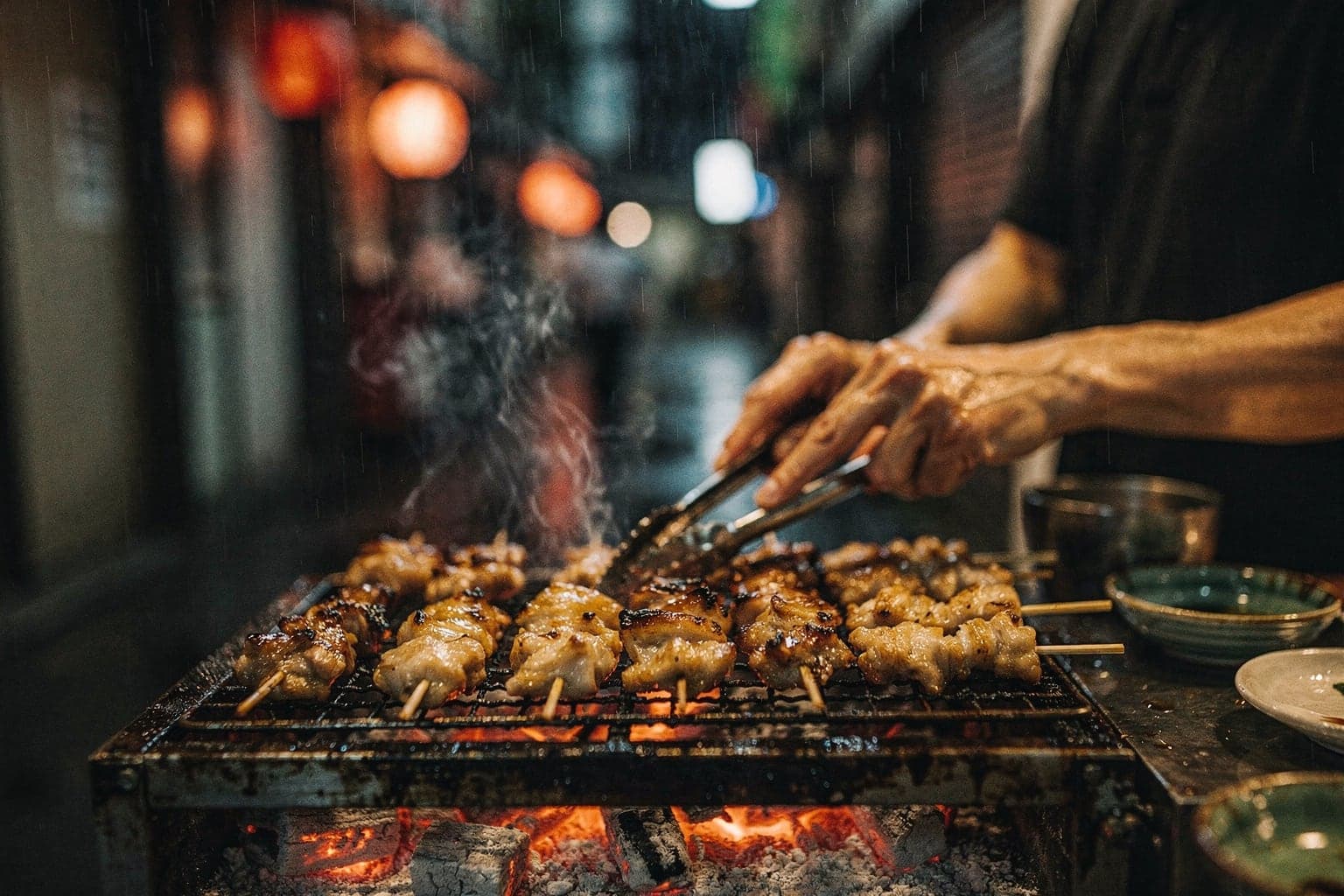
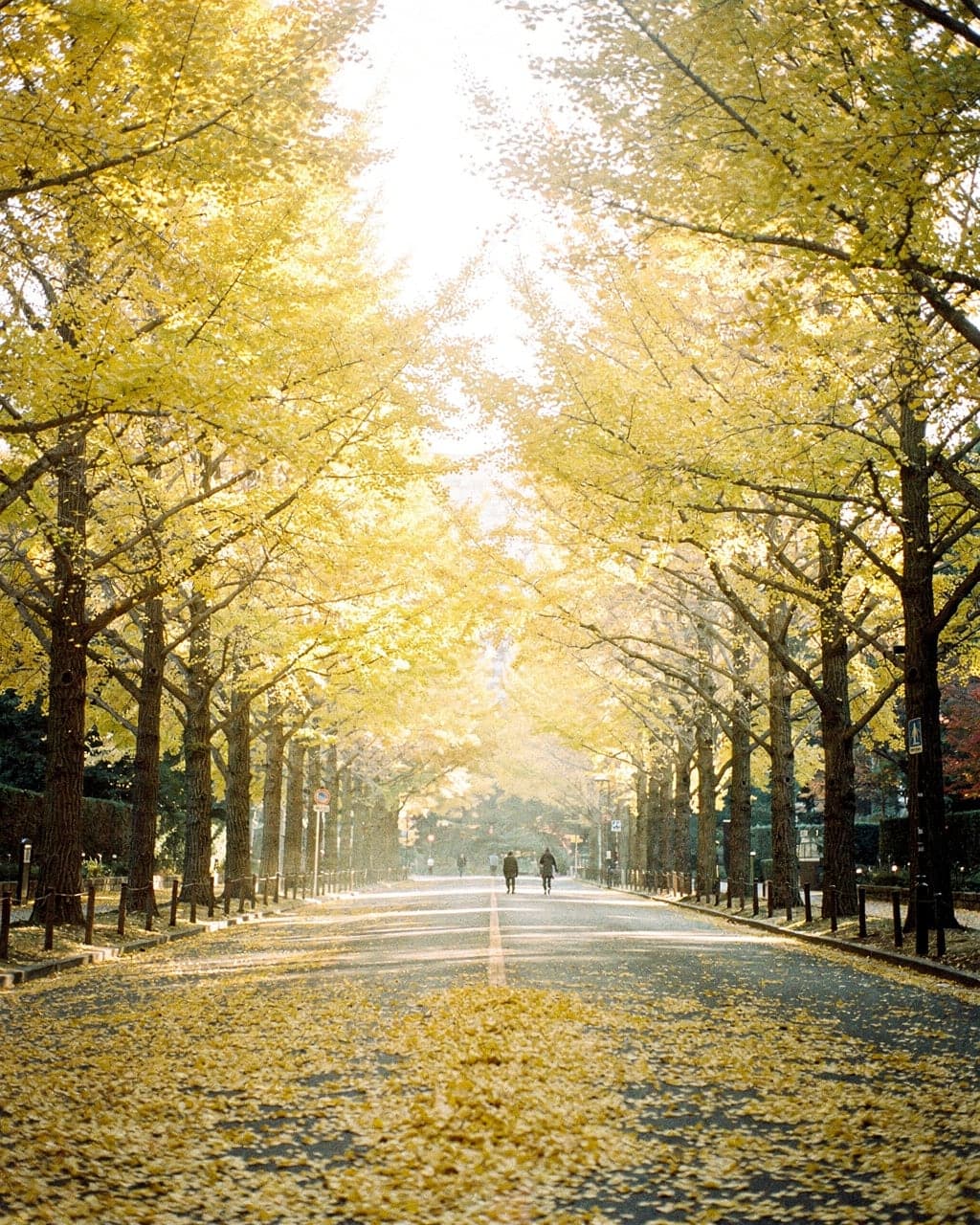
Illustration: Spike Travel (AI-assisted)
Questions people ask
Do I need a visa or JESTA to visit Tokyo in 2026?
Not if you hold a US, UK, EU, Canadian or Australian passport and are visiting for tourism for up to 90 days. JESTA, Japan's electronic travel authorisation, was written into law in May 2026, but it is not operating yet; the government will set the start date by cabinet order, no later than 31 March 2029. Visit Japan Web, for immigration and customs QR codes, is free and optional.
How many days do I need in Tokyo?
Four full days covers the east side (Asakusa, Ueno, Ginza), the west side (Shinjuku, Shibuya, Harajuku), a museum or art day and one day trip. Add a night in Hakone if you want hot springs and a chance of a clear view of Fuji.
Is the JR Pass worth it for Tokyo and Kyoto?
Usually not. A 7-day pass costs ¥50,000, while a Tokyo to Kyoto return on the Nozomi costs ¥28,340 on ordinary tickets, and pass holders must also buy a ¥4,960 special ticket each way to ride the Nozomi. It only pays if you add long journeys such as Hiroshima or Kanazawa.
Is Tokyo safe at night?
Yes for most visitors and most neighbourhoods. The main risks are in nightlife districts such as Kabukicho and Roppongi, where touts lure people into bars that overcharge and where drink spiking has been reported. Choose bars yourself and never leave a drink unattended.
Should I fly into Haneda or Narita?
Haneda if you can. Keikyu trains reach Shinagawa in about 15 minutes for ¥330. From Narita, the Skyliner takes about 40 minutes to Ueno for ¥2,470 and the Narita Express about an hour to Tokyo Station.
Can I use my credit card on Tokyo trains?
On many lines, yes. Since 25 March 2026, contactless cards work at the gates of 11 Kanto operators, including Tokyo Metro, Toei Subway and Keikyu. JR lines, including the Yamanote loop, still need a Suica or PASMO card or a paper ticket.
How does tax-free shopping work now?
From 1 November 2026 you pay the full price, tax included, and claim the consumption tax back after customs checks your goods at the airport, within 90 days of purchase. Do the customs check before you check in your bags, and carry every item listed on each receipt.
Sources
Where the facts on this page come from. Dates show when we last checked each one.
- Immigration Services Agency of Japan, 2026 amendments to the Immigration Control Act (JESTA)accessed Oct 12, 2026
- Immigration Services Agency of Japan, overview of the amended law, JESTA commencement deadline (PDF)accessed Oct 12, 2026
- Ministry of Foreign Affairs of Japan, Exemption of Visa (Short-Term Stay)accessed Oct 12, 2026
- US Department of State, Japan travel advisoryaccessed Oct 12, 2026
- GOV.UK, Japan travel advice, entry requirementsaccessed Oct 12, 2026
- Government of Canada, Travel advice and advisories for Japanaccessed Oct 12, 2026
- Smartraveller, Japan travel adviceaccessed Oct 12, 2026
- Digital Agency, Visit Japan Webaccessed Oct 12, 2026
- Japan Meteorological Agency, Tokyo climate normals 1991–2020accessed Oct 12, 2026
- National Tax Agency, move to the refund method for tax-free sales from 1 November 2026 (PDF)accessed Oct 12, 2026
- Japan Tourism Agency, Japan Tax-free Shop guidance for visitorsaccessed Oct 12, 2026
- National Tax Agency, International Tourist Tax (¥3,000 from 1 July 2026)accessed Oct 12, 2026
- Japan Rail Pass official site, pricesaccessed Oct 12, 2026
- Japan Rail Pass official site, Nozomi and Mizuho special ticketaccessed Oct 12, 2026
- JR Central, oversized baggage on the Tokaido, Sanyo and Kyushu Shinkansenaccessed Oct 12, 2026
- JR Central press release listing the Tokyo to Kyoto Nozomi fare of ¥14,170accessed Oct 12, 2026
- Tokyo Metro, Tap to Ride with 11 Kanto railway operators (25 March 2026)accessed Oct 12, 2026
- Toei Transportation, Tokyo Subway Ticket prices from 14 March 2026accessed Oct 12, 2026
- JR East, Welcome Suica Mobileaccessed Oct 12, 2026
- Toei Transportation, resumption of unregistered Suica and PASMO card sales from 1 March 2025accessed Oct 12, 2026
- Asahi Shimbun, JR East ends 39-year fare freeze (minimum fare ¥160)accessed Oct 12, 2026
- Keisei Electric Railway, Skyliner fares from major stationsaccessed Oct 12, 2026
- Tokyo Monorail, fare tableaccessed Oct 12, 2026
- Keikyu, tickets and fares (Shinagawa to Haneda Airport ¥330)accessed Oct 12, 2026
- Tokyo MK, Haneda Airport flat-rate taxi faresaccessed Oct 12, 2026
- Shibuya City, year-round ban on street drinking around Shibuya Station (from October 2024)accessed Oct 12, 2026
- Asahi Shimbun, Shibuya mayor's 2025 Halloween measures (Hachikō screened, alcohol sales restraint)accessed Oct 12, 2026
- Official Website for Mt. Fuji Climbing, 2026 Yoshida Trail restrictions and ¥4,000 feeaccessed Oct 12, 2026
- GO TOKYO, Shibuya Sky prices and hoursaccessed Oct 12, 2026
- teamLab Planets TOKYO official ticket storeaccessed Oct 12, 2026
- Ghibli Museum, Mitaka, ticketsaccessed Oct 12, 2026
- Tokyo National Museum, visitor informationaccessed Oct 12, 2026
- Tsukiji Outer Market official calendar and business hoursaccessed Oct 12, 2026
- Kotoku-in (Great Buddha of Kamakura), admissionaccessed Oct 12, 2026
- Meiji Jingu, how to visitaccessed Oct 12, 2026
- Japan National Tourism Organization, Japan Visitor Hotlineaccessed Oct 12, 2026
- JNTO, Safety tips app for travellersaccessed Oct 12, 2026
- Ministry of Health, Labour and Welfare, bringing medicines into Japanaccessed Oct 12, 2026
- Tokyo Metropolitan Government, population estimate (July 2026)accessed Oct 12, 2026
- Tokyo Metropolitan Government, Tokyo Partnership Oath System guideaccessed Oct 12, 2026
- Numbeo, cost of living in Tokyo (crowd-sourced, used as a sanity check)accessed Oct 12, 2026
- Airalo, Japan eSIM pricesaccessed Oct 12, 2026
If you like Tokyo
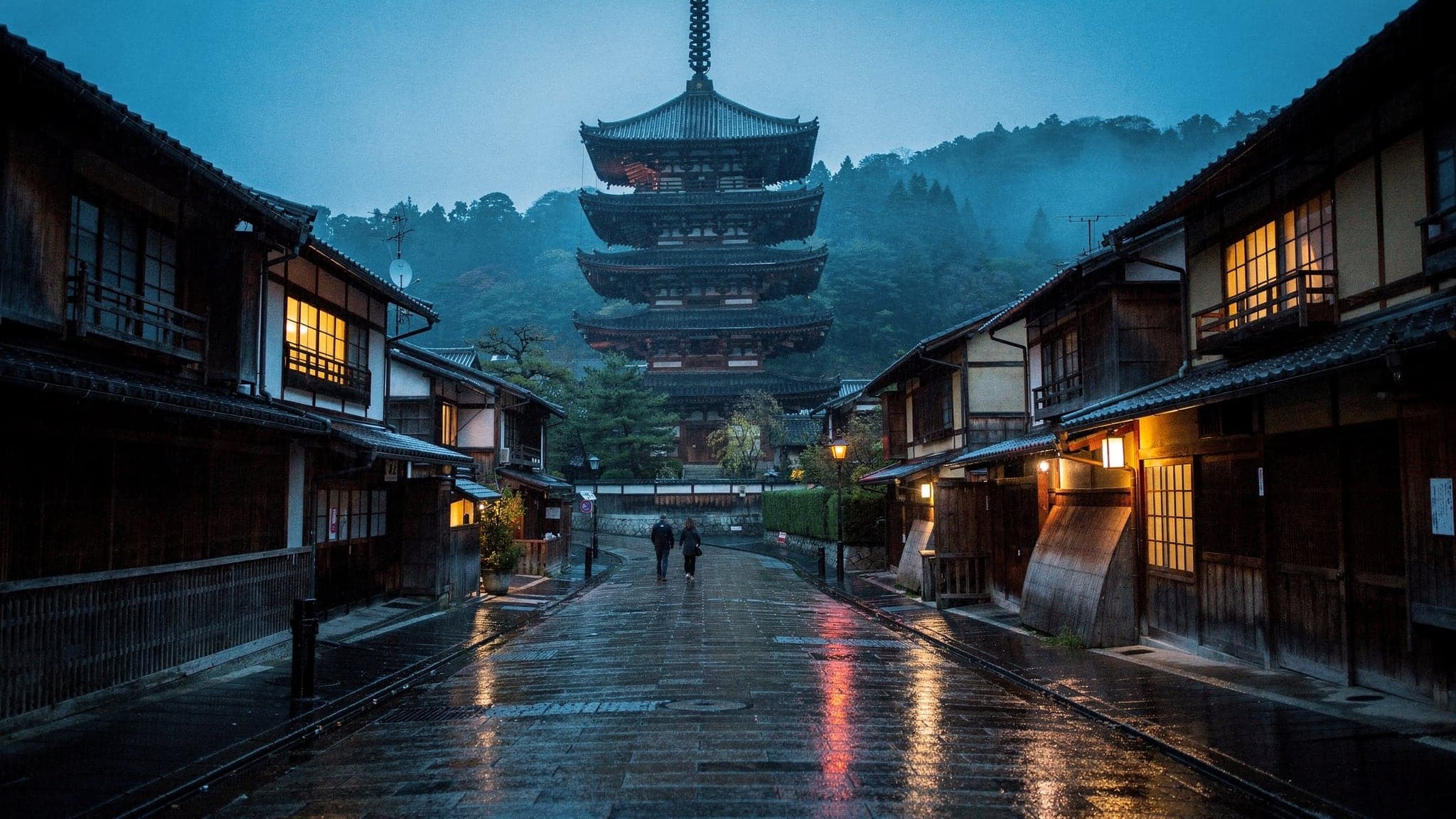
Japan
Kyoto
A thousand years of capital kept in wood, moss and gravel, and at its best before 8am.
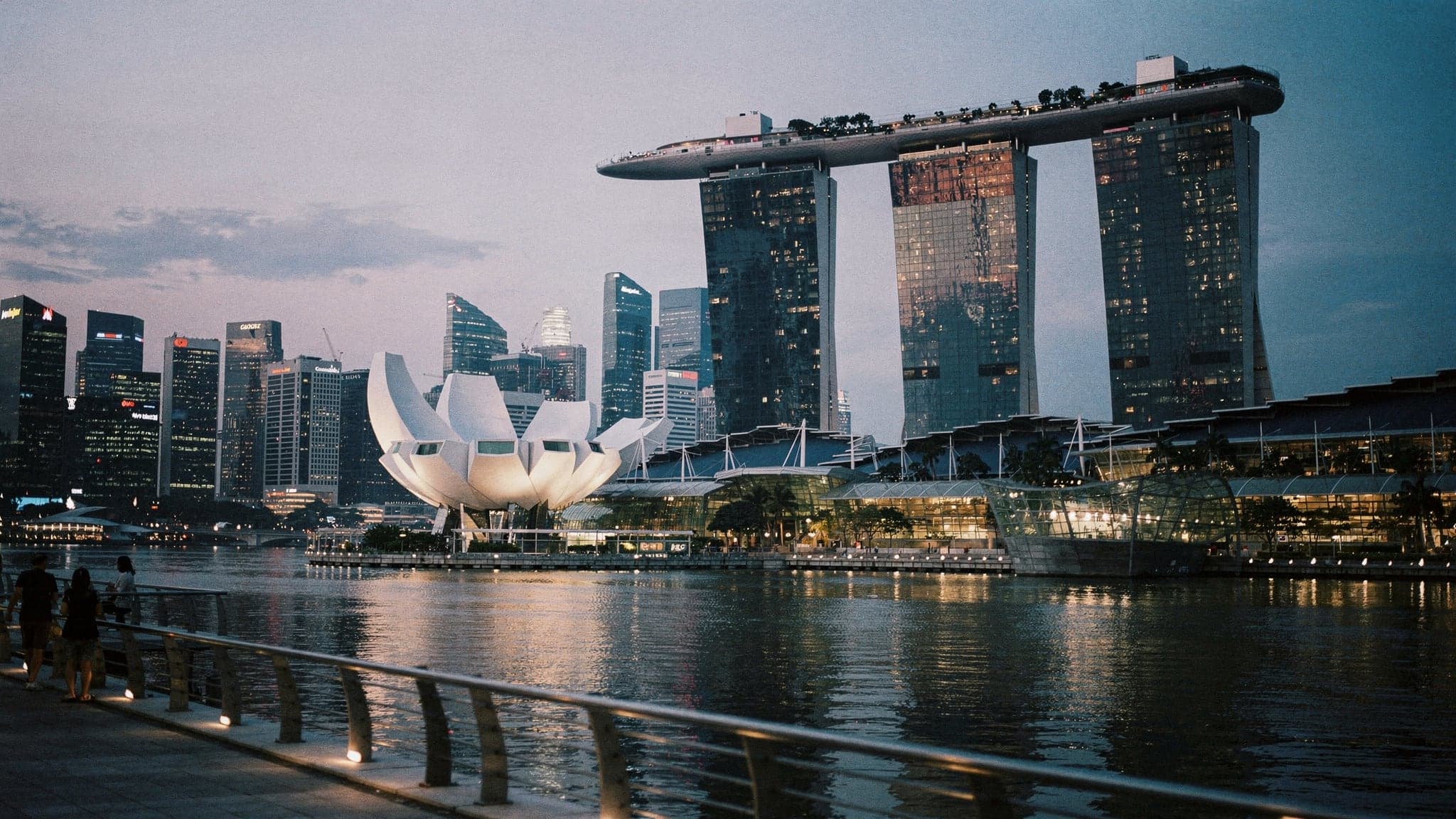
Singapore
Singapore
A city of rules, rainforest and hawker stalls, where dinner is cheap and the beer is not.
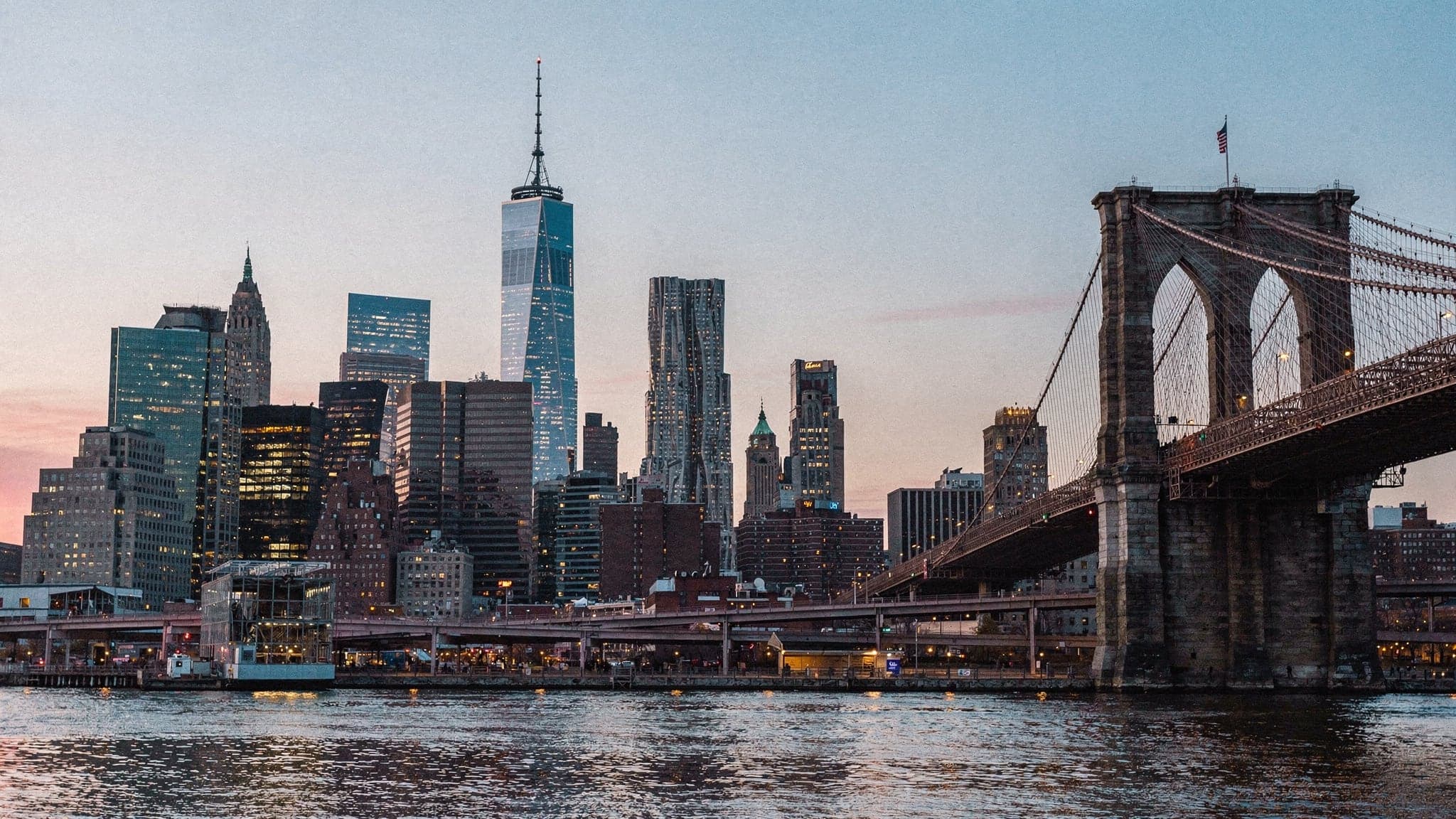
United States
New York City
Learn it on foot and underground: every block changes the mood, and the subway runs all night.
Book Tokyo
These links go to the booking sites we would use ourselves. Nothing here is currently sponsored.
Fast facts
- Currency
- Japanese yen (JPY)
- Languages
- Japanese
- Plugs
- Type A, B, 100 V, 50 Hz (western Japan, including Kyoto, runs at 60 Hz)
- Time zone
- Tokyo (GMT+9)
- Tap water
- Safe to drink
- Tipping
- Not done anywhere. Service is included, and money left on the table may be handed back to you.
- Driving
- On the left
- Emergency
- 110 police; 119 fire and ambulance; Japan Visitor Hotline 050-3816-2787 (24 hours, English)
- Dialing code
- +81
- Safety
- 5/5
When to go
Best: Apr, Nov.
Good for
- Culture & history5/5
- Food & drink5/5
- Nature & scenery3/5
- Adventure2/5
- Beaches1/5
- Nightlife5/5
- Romance3/5
- Family-friendly5/5
- Value for money4/5
- Big-city energy5/5
- Slow & restorative2/5
- Wildlife1/5