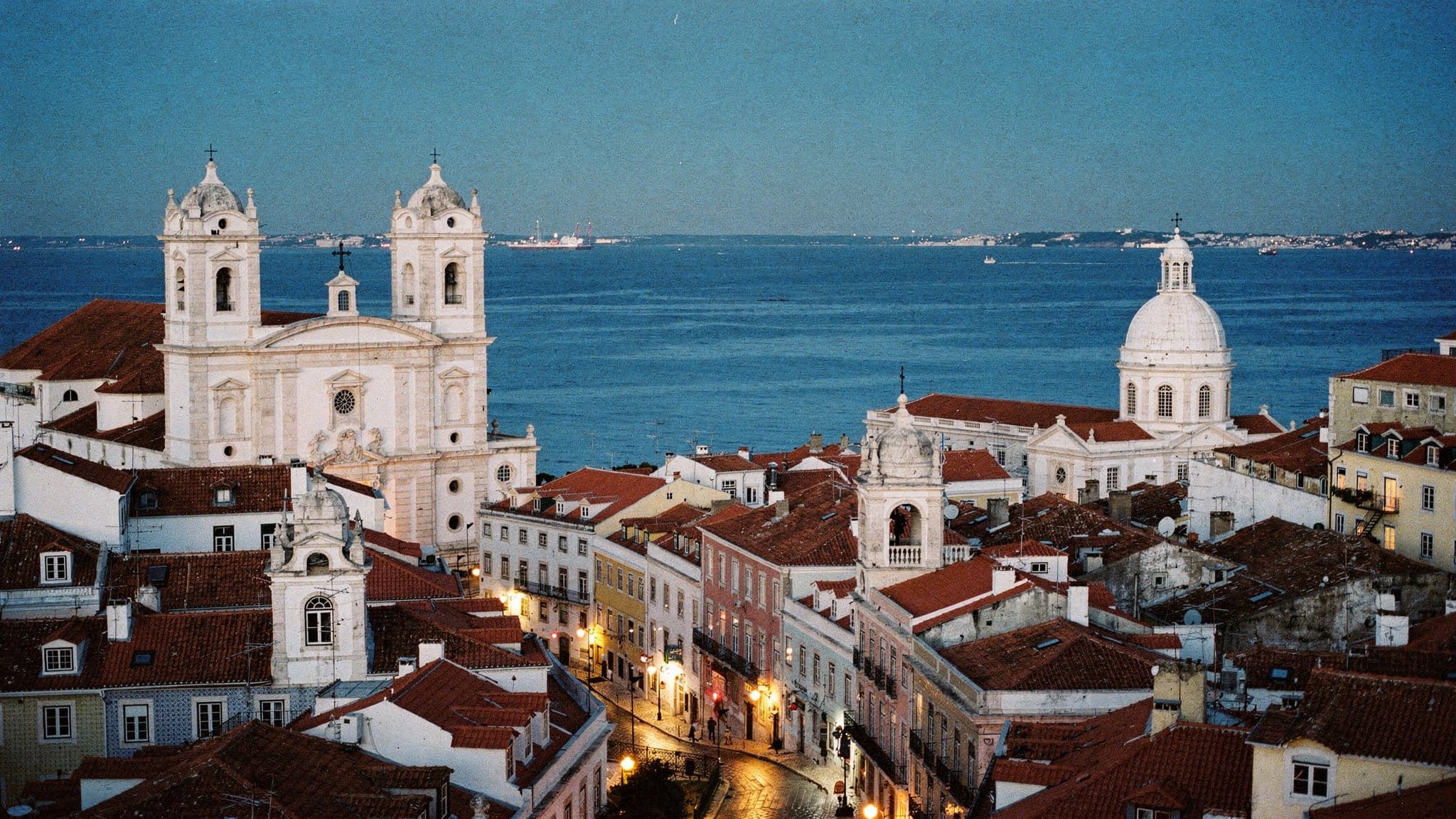
Portugal, Southern Europe
Lisbon
Steep cobbled lanes, river light on tiled walls, and a counter espresso that still costs about a euro.
Illustration: Spike Travel (AI-assisted)

By Spike Travel Editorial Desk, Editorial team
Published Oct 12, 2026
Disclosure: No press trips, free stays or comps were involved. This is a researched briefing compiled from the official and published sources listed below; prices, rules and opening hours were checked on 12 October 2026. USD figures use the ECB rate of that day (€1 = $1.118).
- Best time
- May, Sep
- Daily budget
- $80–500
- Safety
- 4/5
- Strongest for
- Culture & history, Food & drink, Nightlife
Lisbon climbs seven hills above the Tagus estuary: tiled façades, yellow trams and viewpoints over terracotta roofs. This dossier covers when to go, what things really cost in 2026, where to base yourself, and what has changed lately, including the closure of the historic funiculars after the 2025 Glória crash and the EU's new biometric border checks.
Why go
Lisbon is a city you climb. Its streets are paved with small limestone cubes, worn smooth by centuries of feet, and the light off the Tagus makes tiled façades look freshly washed. You walk uphill to a miradouro, sit on a warm wall, and Alfama falls away below you in terracotta steps toward the river. A yellow tram grinds past close enough to touch.
It is also a working capital. Office workers queue for a bifana at lunch, and old men play cards under the trees in Graça. At eight in the morning the ferry to Cacilhas fills with commuters reading the paper. Rents and room rates have climbed hard over the past decade, squeezing the people who live here. Still, an espresso at the counter costs about a euro, and a custard tart from the original Belém bakery is €1.60.
The lay of the land
Lisbon spreads along the north bank of the Tagus, where the river widens into an estuary before the Atlantic. The river is always to the south, which makes orientation simple: when lost, walk downhill.
The centre is compact. The Baixa, a flat grid of streets rebuilt after the 1755 earthquake, runs from the riverside Praça do Comércio up to Rossio and Praça da Figueira. Hills rise on both sides. East of the Baixa, the castle hill carries Alfama and Mouraria, the oldest quarters, with Graça on the ridge above. West of it, Chiado and Bairro Alto climb toward the gardens and antique shops of Príncipe Real.
Downstream, the city runs west along the water, past the docks of Alcântara and under the 25 de Abril suspension bridge, to Belém, about 6 km from Praça do Comércio. That is where the Jerónimos Monastery and the Belém Tower stand. North of Rossio, the Avenida da Liberdade rises gently to Marquês de Pombal and the office blocks of the Avenidas Novas. Far to the east, Parque das Nações, built for Expo '98, holds the Oceanário and a modern riverfront of glass towers and promenades.
Areas at a glance
Baixa and Chiado$$$$
The flat 18th-century grid by the river, with Chiado's cafés and theatres on the slope above
Best for: First-timers, short stays, transit access
Alfama and Mouraria$$$$
The oldest quarters: stepped lanes, fado, laundry lines and the castle above
Best for: Romantics and light packers who can handle stairs
Bairro Alto and Príncipe Real$$$$
Bar-crawl lanes on one side, gardens, antique shops and boutiques on the other
Best for: Nightlife (Bairro Alto) or a quieter, greener stay (Príncipe Real)
Cais do Sodré and Santos$$$$
Riverside transport hub with late bars on Rua Nova do Carvalho and the Time Out Market
Best for: Night owls and day-trippers using the Cascais line
Avenida da Liberdade$$$$
Tree-lined boulevard of flagship stores and five-star hotels
Best for: Luxury stays with easy metro access
Campo de Ourique and the Avenidas Novas$$$$
Residential districts with markets, bakeries and everyday prices
Best for: Families and longer stays
Belém$$$$
Monuments, gardens and the river, very quiet after dark
Best for: Sightseeing days rather than a base
When to go
IPMA's 1991–2020 normals for the Instituto Geofísico station put the average high at 15 °C in January and 28.8 °C in August. June to August are close to dry, with under 15 mm of rain a month. The wet season runs from October to January, and November is the wettest month at about 134 mm.
May and September are the sweet spots. Days sit in the low to mid 20s, evenings are long, and room rates fall below the July and August peak. June is festival month. The Festas de Lisboa peak on the night of 12 to 13 June, the eve of Santo António, when Alfama and Mouraria fill with charcoal grills, paper garlands and street parties (arraiais) that run until dawn. The 13th is a city holiday, so state monuments such as Jerónimos close. The Lisbon Book Fair takes over Parque Eduardo VII from late May, and on 25 April, Freedom Day, a popular march fills the Avenida da Liberdade with red carnations.
Summer is hot and crowded. The averages hide spikes: the Geofísico station logs about ten days above 30 °C in an average August, and its highest reading in the 1991–2020 series was 43.3 °C. Winter is the bargain. It is green and quiet, lows stay around 9 °C, and you trade some wet afternoons for a city at its emptiest.
Lisbon month by month
Best: May, Sep. Bars show our 1–5 rating; numbers are average daily highs in °C. The outlined bar is this month.
Month-by-month table
| Month | Rating | High / low °C | Rain mm | Note |
|---|---|---|---|---|
| January | 2/5 | 15 / 9 | 104 | Quietest and cheapest month; about one day in three brings rain |
| February | 3/5 | 16 / 9 | 78 | Mild, green and empty; Carnival brings a long weekend |
| March | 3/5 | 19 / 11 | 69 | Spring arrives; showers come and go |
| April | 4/5 | 20 / 12 | 72 | Easter crowds; 25 April Freedom Day march down the Avenida da Liberdade |
| May | 5/5 | 23 / 14 | 58 | Warm and green before summer prices; the Book Fair opens in Parque Eduardo VII late in the month |
| June | 4/5 | 26 / 17 | 14 | Festas de Lisboa: sardine grills and street parties, peaking the night of 12–13 June |
| July | 3/5 | 28 / 18 | 3 | Hot, dry and busiest; book rooms early |
| August | 3/5 | 29 / 19 | 5 | Hottest month, about ten days above 30 °C on average; many locals leave town |
| September | 5/5 | 27 / 18 | 39 | Warm, settled weather; crowds thin after mid-month |
| October | 4/5 | 23 / 15 | 111 | Warm days; the first heavy rains usually arrive |
| November | 2/5 | 18 / 12 | 134 | Wettest month; short days and low prices |
| December | 2/5 | 15 / 9 | 109 | Christmas lights; New Year's Eve fireworks over Praça do Comércio |
May and September are the sweet spots: highs in the low to mid 20s, little rain and room rates below the summer peak. June brings the Santo António street parties, peaking on the night of 12–13 June, at a price. July and August are hot and crowded, and November is the wettest month.
What it costs
Lisbon is no longer cheap by Portuguese standards, but meals and transport still cost less than in Paris or London. Your bed is the big expense. Expect roughly €25–40 for a dorm bed in spring and autumn and €100–160 for a decent 3-star double; both jump in June, in high summer and in big-event weeks. The city adds a tourist tax of €4 per person per night for the first seven nights, collected by your hotel or host.
Food and transport are where you save. A counter espresso costs about €0.80–1.20, and the restaurant association ProVar expected that price to hold through 2026. A prato do dia, the lunchtime dish of the day at a neighbourhood tasca, is the cheapest proper meal in town. Numbeo's crowd-sourced figures put a cheap restaurant meal at about €15 and a three-course dinner for two at a mid-range place at about €55 before wine; treat those as sanity checks rather than quotes.
A single Carris/Metro ticket costs €1.90 and lasts 60 minutes; with stored-value zapping a ride is €1.72, and a 24-hour pass is €7.25. Sights are where it adds up. Jerónimos is €18, the Belém Tower €15, the castle €17 and Pena Palace €20 for its basic timed visit. The Lisboa Card (€31 for 24 hours, €51 for 48, €62 for 72) bundles transport with free entry to dozens of museums and monuments, and it only pays off if you string several paid sights together each day.
Seafood at the big cervejarias is priced by the kilo, so ask for the weight before the crab arrives. And the couvert, the bread, olives or cheese set down unasked, is charged if you eat it.
Loading tool…
What a day costs
Shoestring
$80
per person, per day, no flights
Mid-range
$185
per person, per day, no flights
Luxury
$500
per person, per day, no flights
Shoestring buys a dorm bed (about €25–40), the €4 tourist tax, a 24-hour transit pass, bakery breakfasts, a prato do dia lunch and one paid sight. Mid-range covers half a 3-star double, two sit-down meals with wine, the odd taxi and two paid sights. Luxury means a five-star room on the Avenida da Liberdade or in Chiado, tasting menus, and a driver or private guide for Sintra.
| Item | Local price | ≈ USD | Note |
|---|---|---|---|
| Espresso (uma bica) at the counter | €0.80–1.20 | $1.1 | Typical counter price; terrace table service often costs more |
| Pastel de nata at Pastéis de Belém | €1.60 | $1.8 | Box of six €9.60 (2026 menu) |
| Small draught beer (imperial) | €1.50–2.50 | $2.2 | Neighbourhood bar range, crowd-sourced; tourist terraces charge more |
| Bifana (pork sandwich) at a snack bar | €3–4.50 | $4.2 | Typical counter price at snack bars (estimate, not checked shop by shop) |
| Cheap restaurant meal | €15 | $16.8 | Numbeo crowd-sourced average (range €11–20); a lunchtime prato do dia is often less |
| Mid-range dinner for two (three courses, no wine) | €55 | $61.5 | Numbeo crowd-sourced average (range €40–75) |
| Metro or bus ride | €1.90 (€1.72 with zapping) | $2.1 | Carris/Metro ticket valid 60 minutes; reusable navegante card €0.50 |
| 24-hour Carris/Metro pass | €7.25 | $8.1 | €11.40 with CP trains to Sintra and Cascais included |
| Tram ticket bought on board | €3.30 | $3.7 | Single ride only; cheaper on a navegante card |
| Taxi, airport to centre | €10–15 | $14 | Airport's own estimate including luggage; more in heavy traffic or at night |
| Hostel dorm bed | €25–40 | $36 | Spring and autumn range; June and big-event weeks run higher |
| 3-star double room | €100–160 | $145 | Estimate for spring and autumn; INE's national average room rate across all hotel classes was €159 in August 2025 |
| Jerónimos Monastery ticket | €18 | $20.1 | Closed Mondays; book online, same-day tickets often sell out |
| Pena Palace, Essential Visit | €20 | $22.4 | Timed palace entry; park and terraces included |
| Tourist eSIM (Vodafone, 30 GB for 15 days) | €20 | $22.4 | |
| Municipal tourist tax | €4 per person per night | $4.5 | Charged for the first 7 nights of a stay |
Prices verified Oct 12, 2026. Exchange rates move; treat USD as a guide.
Build a budget for LisbonGetting there and around
Humberto Delgado Airport (LIS) sits inside the city, about 7 km north of the Baixa. The metro red line starts at Aeroporto station. Change at Alameda for the green line to Rossio and Baixa-Chiado, or at São Sebastião for the blue line, and allow 25 to 35 minutes. Buy a reusable navegante ocasional card (€0.50) at the machines and load a ticket or zapping credit. The airport puts a taxi to the centre at €10–15 including luggage, depending on traffic, and Uber and Bolt both operate. Porto is about three hours away on the Alfa Pendular train, with 2026 one-way fares of €35.70 in Turística and €49.90 in Conforto.
In town, the metro's four lines cover the centre and the north, but not Alfama, Belém or the waterfront west of Cais do Sodré. Carris trams and buses fill the gaps. Tram 28 rattles through Graça, Alfama, the Baixa and Estrela; the 15E runs flat along the river to Belém; the 12E loops round the castle hill. A tram ticket bought on board costs €3.30, while the same ride on a navegante card is €1.90 or less. Trains to Sintra leave from Rossio and to Cascais from Cais do Sodré, each about 40 minutes, and the €11.40 24-hour Carris/Metro/CP pass covers both. Ferries cross from Cais do Sodré to Cacilhas in about ten minutes and give you the best view back at the city.
Walking is the default and the workout. Distances are short and the gradients are not, and the calçada paving turns slick in the rain. Wear shoes with grip.
Arriving and moving around
- LISHumberto Delgado Airport (Lisbon). To the centre: Metro red line from Aeroporto station, changing at Alameda or São Sebastião for the Baixa, 25–35 min, €1.90 plus €0.50 card. Taxi €10–15 to the centre by day (airport estimate, luggage included); Uber and Bolt operate.
Buy a reusable navegante ocasional card (€0.50) at any metro machine and load single tickets (€1.90, valid 60 minutes on Carris and Metro), zapping credit (€1.72 a ride) or a 24-hour pass (€7.25; €11.40 including CP trains). The metro's four lines cover the centre and the north but not Alfama, Belém or the western riverfront, so Carris trams and buses fill the gaps: 15E runs flat along the river to Belém, 28 climbs through Graça and Alfama, 12E loops round the castle hill. Trams cost €3.30 bought on board. Trains run from Rossio to Sintra and from Cais do Sodré to Cascais, about 40 minutes each, and ferries cross to Cacilhas in about ten. Uber and Bolt are widely used and cheap for short hops. The historic funiculars and the Santa Justa lift remain closed after the 2025 Glória crash; the modern Graça funicular reopened in April 2026. Walking is the default, but the hills are steep and the polished calçada paving turns slippery, so wear shoes with grip.
Where to stay
Stay in the Baixa or Chiado on a first visit. Both are flat by Lisbon standards and close to the metro, and Alfama, Bairro Alto and the river are all walkable. Home Lisbon Hostel is a long-running budget base in the Baixa. At the classic end, the Hotel Avenida Palace has stood beside Rossio station since the 1890s.
Alfama and Mouraria suit romantics who travel light. The lanes are steep, many are closed to cars, and festival nights in June are loud until morning. Memmo Alfama, a design hotel with a terrace pool looking over Alfama to the river, is the comfortable choice here.
Bairro Alto is for nightlife, and sleep comes late on its grid; Príncipe Real next door is quieter and greener. Cais do Sodré and Santos put you by the river and the trains, with late bars on Rua Nova do Carvalho, the street painted pink. Families and longer stays do well in Campo de Ourique or the Avenidas Novas, with residential streets, markets, supermarkets and the metro. At the top end, the Four Seasons Hotel Ritz Lisbon overlooks Parque Eduardo VII, and the Pousada de Lisboa fills a former government building on Praça do Comércio.
Two things to avoid: renting deep in Alfama if you are hauling heavy suitcases, and anywhere on the Bairro Alto grid if you need to sleep before 2 a.m.
Places we'd book
- Check rates
Home Lisbon HostelBudgetBaixa
Long-running hostel in the flat centre, a short walk from Rossio, the river and the metro.
- Check rates
Memmo AlfamaMid-rangeAlfama
Design hotel at the top end of mid-range, with a rooftop terrace and pool looking over Alfama to the river.
- Check rates
Hotel Avenida PalaceLuxuryRestauradores
Grand hotel from the 1890s beside Rossio station; old-school service and an unbeatable transit location.
- Check rates
Four Seasons Hotel Ritz LisbonLuxuryMarquês de Pombal
The city's classic five-star, overlooking Parque Eduardo VII, with a rooftop running track and a large spa.
- Check rates
Pousada de LisboaSomething differentPraça do Comércio
Small luxury hotel in a former government building on the riverside square, a minute from the Baixa.
What to do
Start in Belém, early. The Jerónimos cloister opens at 9:30 from Tuesday to Sunday, and its Manueline stonework, all carved ropes, shells and sea creatures, is best seen before the coaches arrive. The Belém Tower, open again since May 2026 after a year of restoration, now admits a capped number of timed entries. Book both online, because the monuments say tickets often sell out and cannot be bought on the day. Then join the queue at Pastéis de Belém, which has been baking custard tarts since 1837; the take-away line moves faster than it looks.
Give Alfama a morning on foot. Climb from the Sé cathedral to the Miradouro de Santa Luzia and the Portas do Sol, then up to the Castelo de São Jorge (€17) for the view from its ramparts over the Baixa and the river. Graça's viewpoints, Senhora do Monte and the Miradouro da Graça, are free and face the castle across the rooftops.
Spend an evening on fado, the city's song of longing. Many Alfama restaurants stage fado nights with a minimum spend. Tasca do Chico in Bairro Alto hosts fado vadio, amateurs taking turns, in a room barely bigger than a living room. Talking during a song is not done.
For a wet day, the Gulbenkian Museum (€16 with the modern art centre, CAM) runs from Egyptian antiquities to Lalique jewellery, in gardens that are a sight in themselves. The Oceanário in Parque das Nações costs €25.50–29.90 depending on the time slot, cheapest in the late afternoon. The national tile museum, the Museu Nacional do Azulejo, has been closed for renovation since November 2025 and had published no reopening date when we checked.
Sintra is the classic day trip. Trains from Rossio take about 40 minutes. Pena Palace sells palace entry for a set date and time (the Essential Visit is €20, with the park and terraces), the Moorish Castle costs €12, and Quinta da Regaleira, with its spiral initiation well, €20. Go on a weekday, start early and limit yourself to two sights. Cascais, about 40 minutes along the coast by train from Cais do Sodré, is the easy beach-and-lunch option. The Atlantic is cold and beaches fly warning flags, so swim only where lifeguards are posted.
The shortlist
Jerónimos MonasterySee
The Manueline monastery commissioned by King Manuel I, with a two-storey cloister carved with ropes, shells and sea creatures. A UNESCO World Heritage Site since 1983 and the most visited heritage complex in Portugal.
€18 for the cloister; Tue–Sun 9:30–17:30 (last entry 17:00), closed Mondays. Same-day tickets often sell out, so book online.
Book ticketsBelém TowerSee
The 16th-century fortress at the edge of the Tagus, reopened in May 2026 after its deepest restoration in centuries, now with timed entries and a cap on daily visitors.
€15; Tue–Sun 9:30–17:30, closed Mondays. Book a slot online; it may close in bad weather.
Book ticketsCastelo de São JorgeSee
The Moorish-era castle on the hill above Alfama and the Baixa, with ramparts that look over the rooftops and the river to the south bank.
€17 adults, €8.50 ages 13–25; buy online and go at opening or late in the day.
Book ticketsAlfama, Graça and the miradouros on footDo
Walk up from the Sé cathedral through Alfama to the Santa Luzia and Portas do Sol viewpoints, then climb to Graça and the Senhora do Monte viewpoint for the full sweep of the city.
Free. Start early on weekdays; cruise-ship mornings bring tour groups into Alfama.
Fado nightExperience
Lisbon's song form, sung in small restaurants in Alfama and Bairro Alto. Tasca do Chico hosts fado vadio, amateurs taking turns, in a room barely bigger than a living room.
Many fado restaurants set a minimum spend; ask before you sit down. Silence is expected while someone sings.
Gulbenkian Museum and CAMSee
A founder's collection that runs from Egyptian antiquities to Lalique jewellery, plus the modern art centre (CAM), set in one of the city's best gardens.
€16 for the museum and CAM together, €10 for CAM alone.
Book ticketsOceanário de LisboaSee
One of Europe's largest aquariums, built for Expo '98, with a central ocean tank viewed from two levels. A strong rainy-day and family option.
Adults €25.50–29.90 depending on the time slot (cheapest after 16:00); 10:00–20:00, last entry 19:00.
Book ticketsMercado da Ribeira and Time Out MarketEat
The riverside market hall at Cais do Sodré, split between a produce market and a food hall with stalls from well-known Lisbon kitchens.
Free to enter. Go mid-morning or late afternoon; the food hall is packed at 13:00 and after 20:00.
SintraDay trip
Romantic-era palaces in wooded hills: Pena's painted towers, the Moorish Castle on its ridge, and the grottoes and initiation well of Quinta da Regaleira.
Train from Rossio, about 40 minutes. Pena Essential Visit €20 (timed palace entry); Moorish Castle €12; Regaleira €20. Go midweek and pick two sights.
Book ticketsCascais and the Estoril coastDay trip
A former fishing town turned seaside resort at the end of the coastal railway, with small town beaches and a cliff walk west to Boca do Inferno.
Train from Cais do Sodré, about 40 minutes; covered by the €11.40 24-hour Carris/Metro/CP pass. Swim only where lifeguards are posted.
Eat and drink
Portuguese cooking is built on bread, olive oil, salt cod and the day's catch. Lunch runs from about 12:30 to 15:00, and locals rarely sit down to dinner before 20:00. Many small tascas close on Sundays.
The bifana, a garlicky pork steak in a soft roll, is the city's fast food; O Trevo on Largo do Camões and As Bifanas do Afonso on Rua da Madalena are standing-room institutions. For seafood, Cervejaria Ramiro on Avenida Almirante Reis has been serving clams, crab and beer since 1956, and regulars finish with a prego, a steak sandwich, in place of dessert. In June, sardine grills smoke on every corner of Alfama and Mouraria. Bacalhau à Brás, shredded salt cod scrambled with egg and matchstick potatoes, is on almost every tasca menu all year.
The Mercado da Ribeira at Cais do Sodré splits into a produce market and the Time Out Market food hall; go mid-morning or late afternoon to avoid the crush. For pastries, try the original pastéis de Belém, then compare them with Manteigaria in Chiado, which bakes in full view of the counter all day.
Order uma bica for an espresso, um galão for a milky coffee in a glass, and uma imperial for a small draught beer. Ginjinha, a sour-cherry liqueur, is poured by the shot at A Ginjinha on Largo de São Domingos, a counter that has been open since 1840. Vinho verde, the light white from the north, suits a hot evening. Tipping is not expected: round up in cafés, or leave 5 to 10% for good table service.
Order this
Pastel de nata
Custard tart in flaky pastry, best warm with cinnamon and a bica.
Try it at: Pastéis de Belém (baking them since 1837, €1.60 each); Manteigaria in Chiado
Bifana
Thin pork steak simmered in garlic and wine, served in a soft roll with mustard.
Try it at: O Trevo on Largo do Camões; As Bifanas do Afonso on Rua da Madalena
Sardinhas assadas
Whole sardines grilled over charcoal and laid on bread, at their best from June to September.
Try it at: Street grills in Alfama and Mouraria during the June festivals; neighbourhood tascas in summer
Seafood and amêijoas à Bulhão Pato
Clams in garlic, olive oil and coriander, plus crab and prawns sold by the kilo.
Try it at: Cervejaria Ramiro on Avenida Almirante Reis, open since 1956; finish with a prego steak sandwich
Bacalhau à Brás
Shredded salt cod scrambled with egg, onion and matchstick potatoes, topped with olives.
Try it at: On almost every tasca menu; Zé da Mouraria is known for large lunch portions
Ginjinha
Sour-cherry liqueur poured by the shot, with or without a cherry.
Try it at: A Ginjinha on Largo de São Domingos, pouring since 1840
Practicalities
Money and cards. Contactless works almost everywhere, though some tascas and kiosks prefer cash, and residents pay each other with the MB Way app. Use ATMs attached to Portuguese banks (look for the Multibanco logo), skip standalone Euronet machines, and always decline the offer to charge you in your home currency.
Data. EU and EEA SIM cards roam at home rates. Everyone else can buy a local eSIM; Vodafone Portugal's tourist eSIM costs €20 for 30 GB over 15 days.
Water and power. Tap water is safe to drink. Sockets are types C and F at 230 V, 50 Hz.
Safety. Canada's advice singles out trams 15, 25 and 28 for pickpockets, so keep phones out of back pockets and bags zipped and in front of you. Drink spiking is a reported risk in nightlife areas. The emergency number is 112. Carry photo ID; Portuguese authorities can ask to see it.
Etiquette. Say bom dia (good morning) or boa tarde (good afternoon) when you walk into a shop or café. Obrigado if you are a man, obrigada if you are a woman, means thank you. Com licença gets you past someone, desculpe is sorry, and a conta, por favor brings the bill.
LGBTQ+. Portugal legalised same-sex marriage in 2010. Lisbon's scene centres on Príncipe Real and Bairro Alto, and Pride events fall in June.
Accessibility. Lisbon is hard on wheels and knees. Hills are steep, the paving is uneven, many tram stops lack level boarding, and the historic lifts that once bypassed the worst climbs are shut. The metro is the most accessible way across town, but not every station has a working lift, so check before you rely on one.
Entry rules by passport
| Passport | Rule | Max stay | Notes | Checked |
|---|---|---|---|---|
| United States | Visa-free | 90 days in any 180 (counted across the whole Schengen area) | Passport must be valid at least 3 months beyond your planned departure from the Schengen area and issued within the previous 10 years; the State Department also asks for 2 blank pages. The EU Entry/Exit System (EES) has been fully operational since 10 April 2026, so expect fingerprints and a face photo at your first entry (free; the record lasts 3 years). ETIAS is not yet in operation and takes no applications; the EU says it will announce a start date several months ahead (checked 12 October 2026). Under-18s travelling with adults other than their parents need a notarised parental consent letter. | Oct 12, 2026 |
| United Kingdom | Visa-free | 90 days in any 180 (counted across the whole Schengen area) | Your passport must have been issued less than 10 years before the day you arrive and be valid for at least 3 months after the day you plan to leave. Border staff may ask for a return or onward ticket and proof of funds. EES registration (fingerprints and photo, free) happens at your first entry; children aged 11 or under are not fingerprinted. ETIAS is not yet operating (checked 12 October 2026). Under-18s travelling alone or with a non-parent need a certified authorisation letter. | Oct 12, 2026 |
| EU/Schengen | No visa: freedom of movement | Unlimited; register after 3 months | Travel on a valid passport or national ID card; it must be valid on the day of travel. EU, EEA and Swiss citizens are not registered in the EES and will not need ETIAS. Staying beyond 3 months means requesting a registration certificate (CRUE) from the câmara municipal where you live. Carry photo ID while in Portugal. | Oct 12, 2026 |
| Canada | Visa-free | 90 days in any 180 (counted across the whole Schengen area) | Passport must be valid at least 3 months beyond the date you expect to leave the Schengen area (airlines may demand more) and issued within the previous 10 years. EES records your face and fingerprints on entry; no action is needed before you travel. ETIAS applications are not yet open; when they are, apply only through the EU's official site. Canada's advice was last updated 11 August 2026. | Oct 12, 2026 |
| Australia | Visa-free | 90 days in any 180 (counted across the whole Schengen area) | Portugal is not one of the Schengen countries with a bilateral visa-waiver agreement with Australia, so the 90-day limit cannot be stretched that way here. Passport must be valid at least 3 months beyond departure and issued within the previous 10 years. EES biometric registration at the border is free and needs no pre-registration. ETIAS is not yet operating (checked 12 October 2026). | Oct 12, 2026 |
Entry rules change without notice. Confirm with the official source linked in the Checked column before you travel.
Safety: 4/5
Lisbon is a low-risk city. The US, Canadian and Australian governments all keep Portugal at their lowest advisory level (checked 12 October 2026). The problems are petty: pickpockets on trams 15, 25 and 28 and in crowds around Rossio, the Baixa and Belém, bag snatching, break-ins targeting rental cars, and drink spiking in nightlife areas. Smartraveller lists Portugal's national terrorism alert as significant (level 3 of 5). Call 112 in an emergency.
- Street sellers whispering 'hashish, cocaine' around Rossio, the Baixa and Bairro Alto; police say the product is often bay leaves, flour or ground paracetamol
- Pickpocket teams on Tram 28 and in the queue at Martim Moniz
- Couvert: bread, olives or cheese set down unasked are charged if you eat them; send them back if you don't want them
- Standalone Euronet ATMs with high fees and 'pay in your home currency' prompts; use a bank's Multibanco machine and decline the conversion
Fast facts
- Currency
- Euro (EUR)
- Languages
- Portuguese
- Plugs
- Type C, F, 230 V, 50 Hz
- Time zone
- Lisbon (GMT+1)
- Tap water
- Safe to drink
- Tipping
- Not expected. Round up in cafés; 5–10% for good table service in restaurants.
- Driving
- On the right
- Emergency
- 112
- Dialing code
- +351
- Safety
- 4/5
What nobody tells you
Your legs will notice. The hills are steep, the cobbles are polished smooth, and the shortcuts that used to save the worst climbs, the funiculars and the Santa Justa lift, are out of action. Plan routes that let gravity help: ride up, walk down.
At midday the queue for Tram 28 at Martim Moniz can pass an hour, and the packed cars are where pickpockets work. Ride it before 9 a.m., or take the 12E round the castle hill.
Sintra is wonderful and overrun. Weekend traffic on the narrow roads up to Pena backs up badly, palace slots sell out in summer, and a day with two palaces plus transport easily runs past €50 a head. Go midweek, book entry times, and accept that you will not see everything.
Cheap is relative now. Tourism has pushed up rents, many central buildings have become short-term lets, and housing is a live political issue. Your money goes further, and is better received, in neighbourhood places outside the Baixa, Chiado and Alfama.
Noise is part of the deal. Bairro Alto and Rua Nova do Carvalho run late on weekends, June festival nights are loud across Alfama and Mouraria, and cruise-ship mornings push crowds through the old lanes. Pick your base with your sleep in mind.
Mondays catch people out, since Jerónimos and the Belém Tower close every Monday. And in August, afternoons regularly pass 30 °C. Older buildings hold the heat, so check for air conditioning before you book a summer stay.
Insider tips
- Load your navegante card with zapping credit: €1.72 a ride instead of €1.90, and it also works on the trains to Sintra and Cascais.
- Book Jerónimos and Belém Tower online. The monuments say tickets often sell out and cannot be bought on the day.
- Free museum days are now for residents only (the Acesso 52 scheme). Visitors pay full price every day, Sundays included.
- The river is always south. When you're lost, walk downhill and you will reach the Baixa or the water.
- Ride uphill and walk down: take the metro or a tram to Graça or the castle and descend on foot through Alfama.
- Order at the counter. Coffee and pastries standing up often cost less than at a terrace table.
- Pena Palace sells palace entry for a set date and time; buy online the day before at the latest in summer.
- The Oceanário charges less for the 16:00–18:30 slot (€25.50 for adults) than for the morning (€29.90).
Skip it
- Queueing for Tram 28 at Martim Moniz at midday: the wait can pass an hour and the packed cars are where pickpockets work. Ride before 9 a.m. or take the 12E round the castle hill.
- Restaurants on Rua Augusta with picture menus and touts at the door: you pay more for less.
- Driving in central Lisbon: steep one-way lanes, trams and almost no parking. Hire a car only for trips out of town.
- Planning Belém for a Monday: Jerónimos and the Belém Tower are closed.
- Sintra at a weekend in summer: traffic on the hill roads backs up and palace slots sell out.
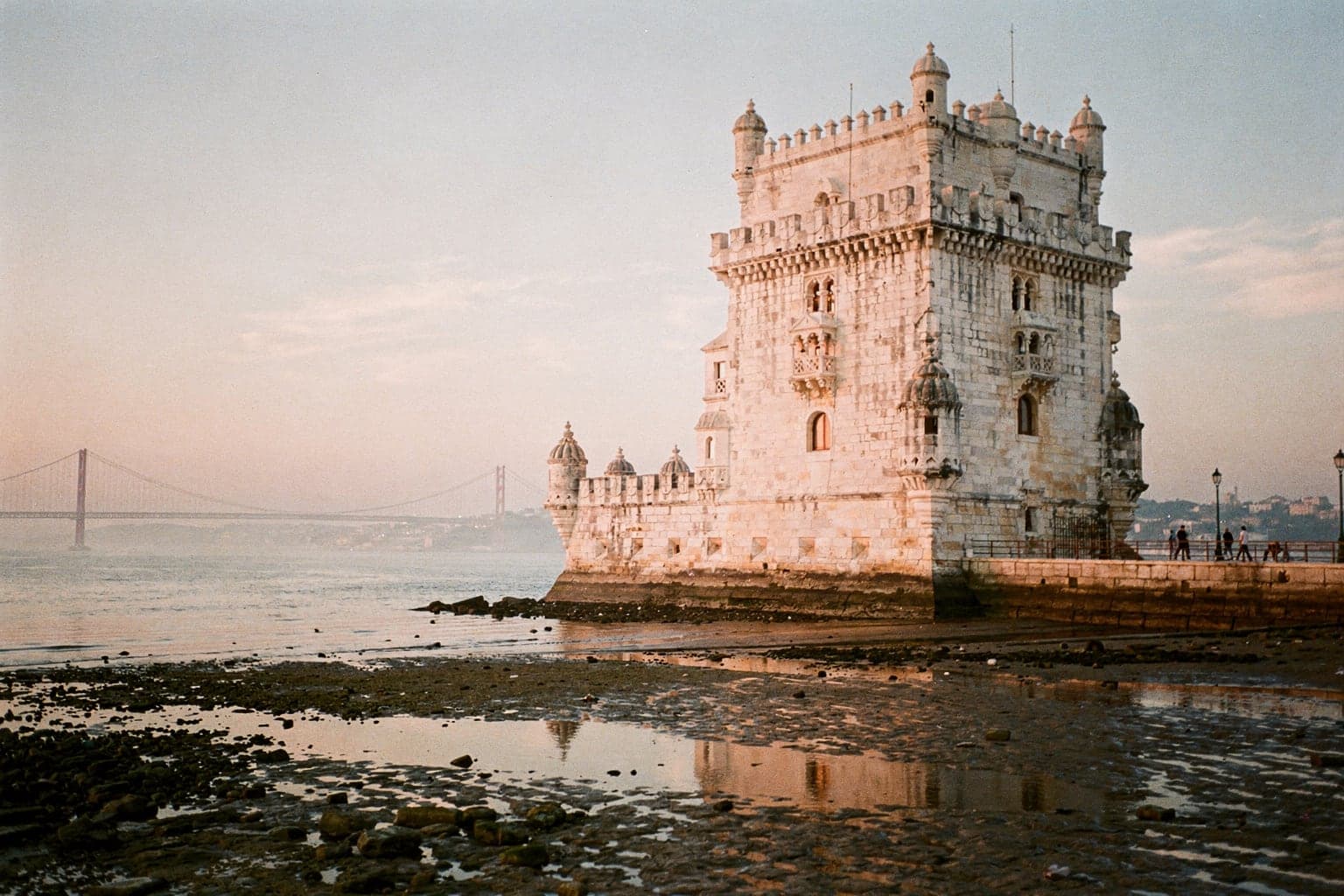
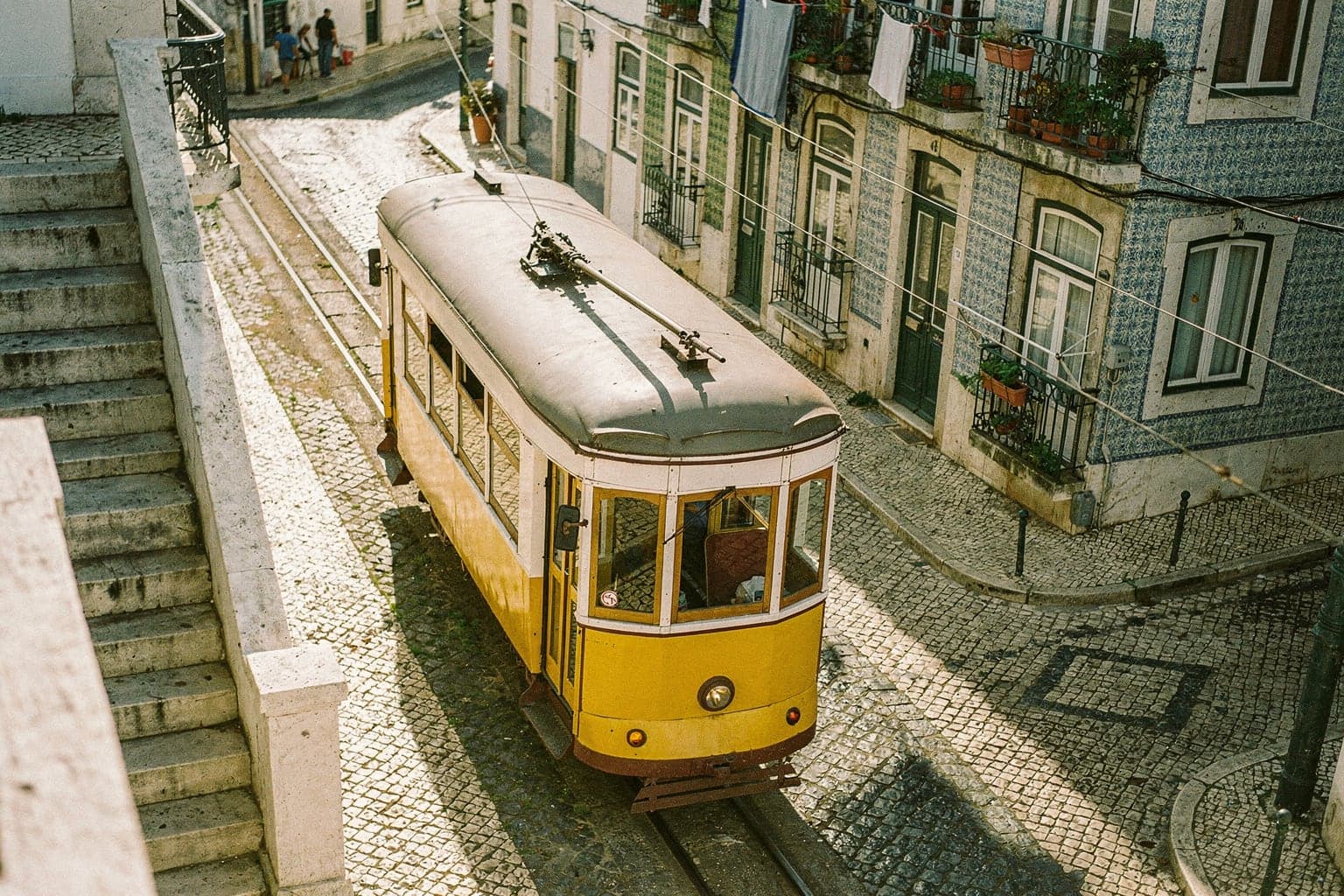
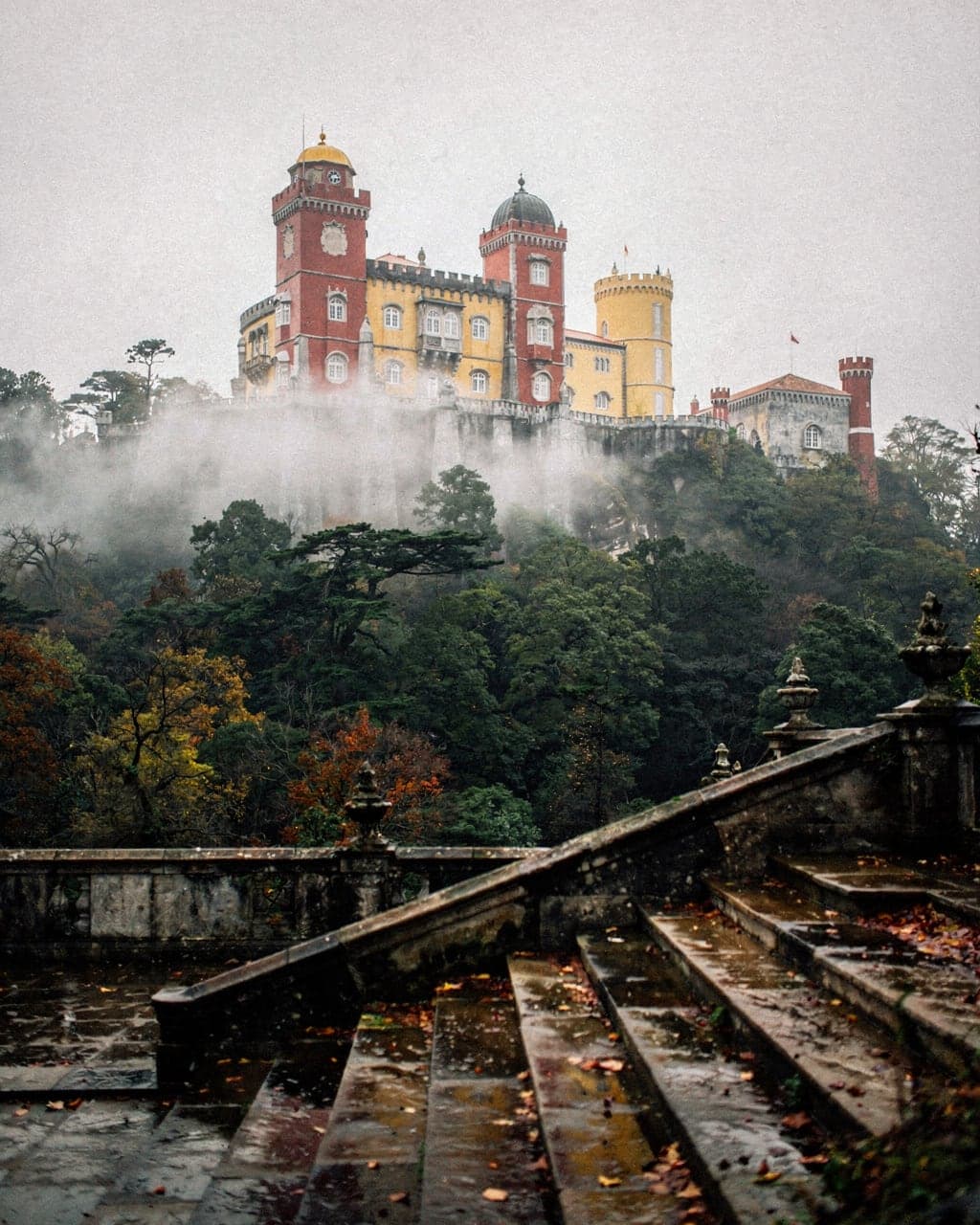
Illustration: Spike Travel (AI-assisted)
Questions people ask
Is Lisbon safe at night?
Yes, by European standards. Violent crime against visitors is uncommon, and the US, Canada and Australia rate Portugal at their lowest advisory level. At night, watch for pickpockets in crowded bar areas such as Bairro Alto and Cais do Sodré, don't leave drinks unattended, and ignore the street sellers offering drugs, which are fake.
How many days do I need in Lisbon?
Three full days covers Belém, Alfama and the castle, Chiado and Bairro Alto, and a fado night. Add a fourth for Sintra and a fifth for Cascais or a slower pace. With fewer than three days, skip Sintra.
Do I need ETIAS to visit Lisbon in 2026?
No. As of 12 October 2026 ETIAS is not in operation and no applications are being taken; the EU says it will announce the start date several months in advance. What has changed is the Entry/Exit System: since 10 April 2026, non-EU visitors register fingerprints and a face photo at their first Schengen entry. It is free and needs no advance step.
Are Lisbon's funiculars and the Santa Justa lift open?
Not the historic ones. After the Glória funicular crash on 3 September 2025, which killed 16 people, Carris suspended the Bica and Lavra funiculars and the Santa Justa lift. None had reopened by September 2026 and Carris had no firm dates; a new Glória funicular is targeted for 2029. The modern Graça funicular reopened on 30 April 2026.
Is the Lisboa Card worth it?
Only if you pack in paid sights. It costs €31 for 24 hours, €51 for 48 and €62 for 72, and includes public transport plus free entry to dozens of museums and monuments. Check that the sights you care about are on the current list, then add up their prices; a 24-hour transit pass alone is €7.25.
Can you drink the tap water in Lisbon?
Yes. Lisbon's tap water is treated and safe to drink, and refilling a bottle saves money and plastic.
Can I do Sintra as a day trip from Lisbon?
Yes. Trains from Rossio take about 40 minutes. Book Pena's timed palace entry in advance, start early, go on a weekday if you can, and limit yourself to two of the big sights.
Sources
Where the facts on this page come from. Dates show when we last checked each one.
- IPMA: Normal Climatológica Lisboa / Instituto Geofísico 1991–2020accessed Oct 12, 2026
- European Union: ETIAS official website (status: not in operation)accessed Oct 12, 2026
- European Commission: The Entry/Exit System is fully operational since 10 April 2026accessed Oct 12, 2026
- US State Department: Portugal travel advisory and entry requirementsaccessed Oct 12, 2026
- GOV.UK: Portugal entry requirementsaccessed Oct 12, 2026
- Government of Canada: Travel advice for Portugalaccessed Oct 12, 2026
- Smartraveller: Portugal travel adviceaccessed Oct 12, 2026
- Smartraveller: Travelling to Europe and the Schengen Area (bilateral visa waivers)accessed Oct 12, 2026
- Your Europe: Travel documents for EU citizensaccessed Oct 12, 2026
- AIMA: Registration certificate for EU nationalsaccessed Oct 12, 2026
- Carris: Occasional fares (on-board tram, bus and lift tickets)accessed Oct 12, 2026
- Metropolitano de Lisboa: Novas tarifas 2026accessed Oct 12, 2026
- Carris: Equipamentos Históricos de Lisboa status pageaccessed Oct 12, 2026
- Lisboa para Pessoas: Um ano depois da tragédia da Glória (1 September 2026)accessed Oct 12, 2026
- Mosteiro dos Jerónimos and Torre de Belém: Visit, hours and pricesaccessed Oct 12, 2026
- Parques de Sintra: Opening times and pricesaccessed Oct 12, 2026
- Quinta da Regaleira: Visits and 2026 pricesaccessed Oct 12, 2026
- Castelo de São Jorge: Choose your ticketaccessed Oct 12, 2026
- Oceanário de Lisboa: Plan your visitaccessed Oct 12, 2026
- Gulbenkian: Ticketsaccessed Oct 12, 2026
- Museu Nacional do Azulejo (closure notice)accessed Oct 12, 2026
- Turismo de Lisboa: Lisboa Card shopaccessed Oct 12, 2026
- Câmara Municipal de Lisboa: Taxa municipal turísticaaccessed Oct 12, 2026
- Lisbon Airport: Getting to and from the airport by public transportaccessed Oct 12, 2026
- Pastéis de Belém: Menuaccessed Oct 12, 2026
- Vodafone Portugal: eSIM Travelaccessed Oct 12, 2026
- Reuters: Lisbon tourism at threat from fake drug dealersaccessed Oct 12, 2026
- Jornal de Negócios: Preço da bica deve chegar a 2026 sem mexidasaccessed Oct 12, 2026
- Sapo: Aumentos nos transportes em 2026 (Alfa Pendular fares)accessed Oct 12, 2026
- INE: Atividade Turística, August 2025 (average room rate)accessed Oct 12, 2026
- Numbeo: Cost of living in Lisbon (crowd-sourced, used as a sanity check)accessed Oct 12, 2026
- European Central Bank: EUR/USD reference rate (1.1181 on 12 October 2026)accessed Oct 12, 2026
If you like Lisbon
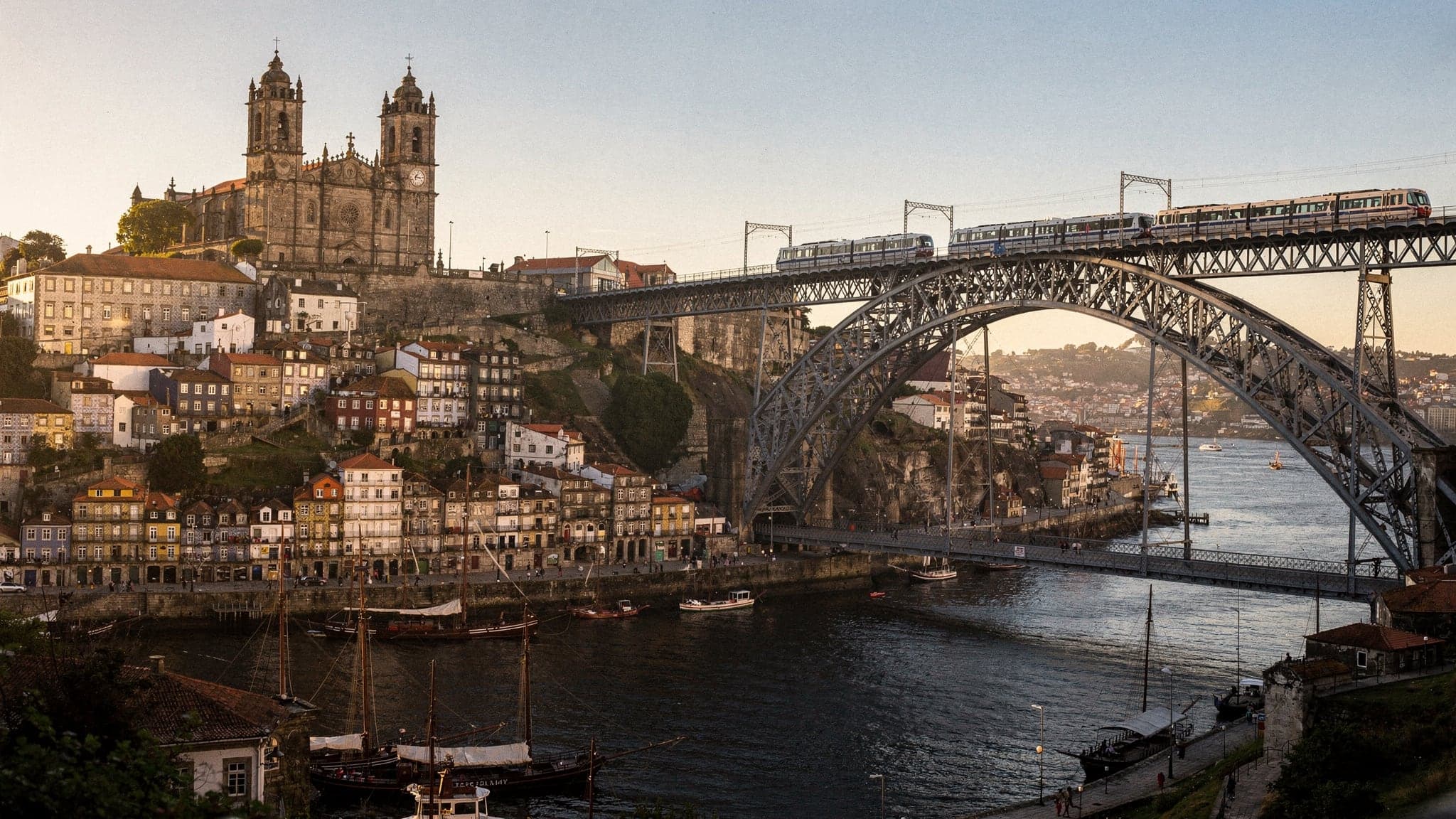
Portugal
Porto
Granite lanes tumbling to the Douro, port lodges across the water, and a sandwich you eat with a knife and fork.
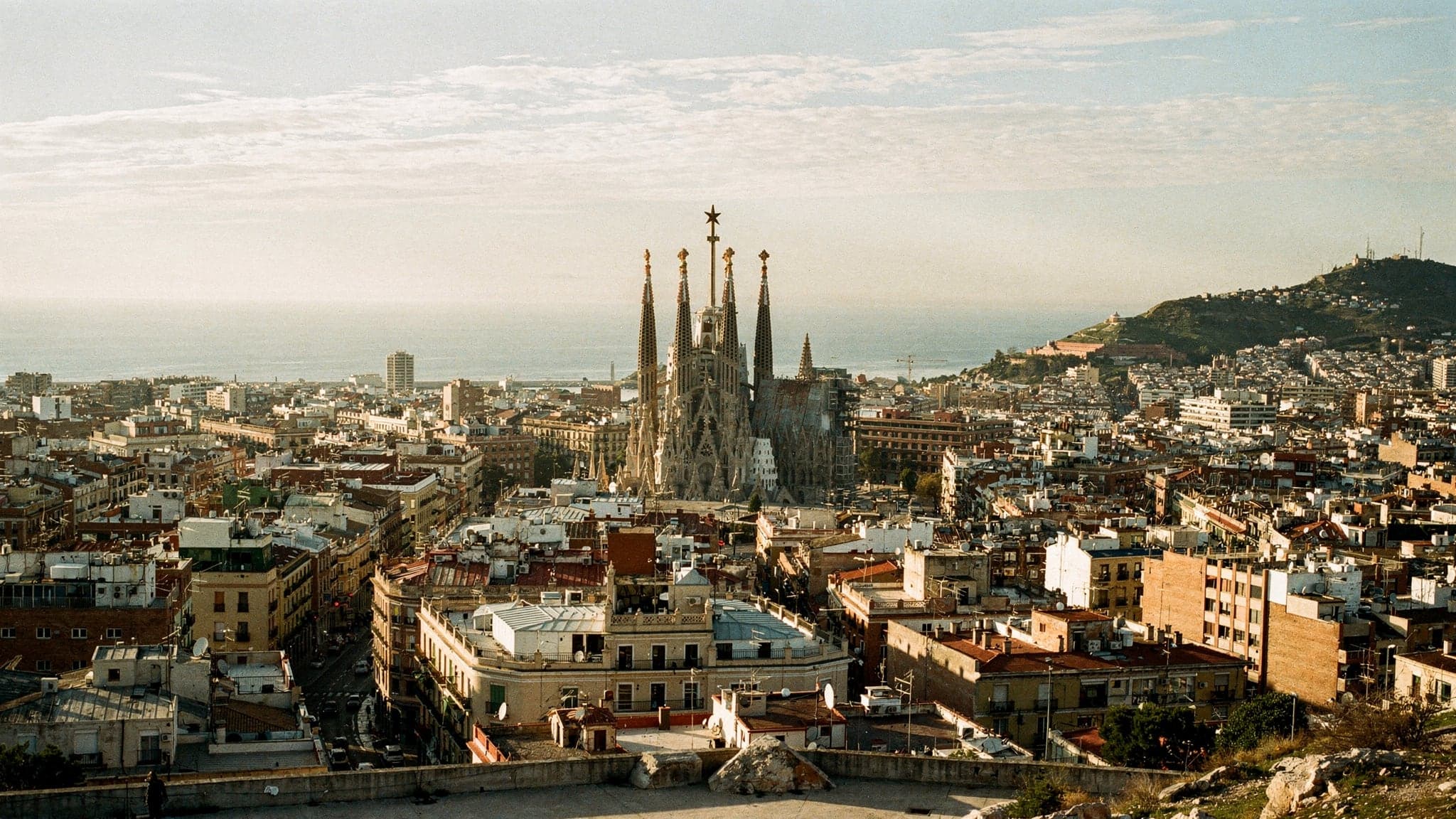
Spain
Barcelona
Gaudí on the skyline, the Mediterranean at the end of the street, and dinner that starts at ten.
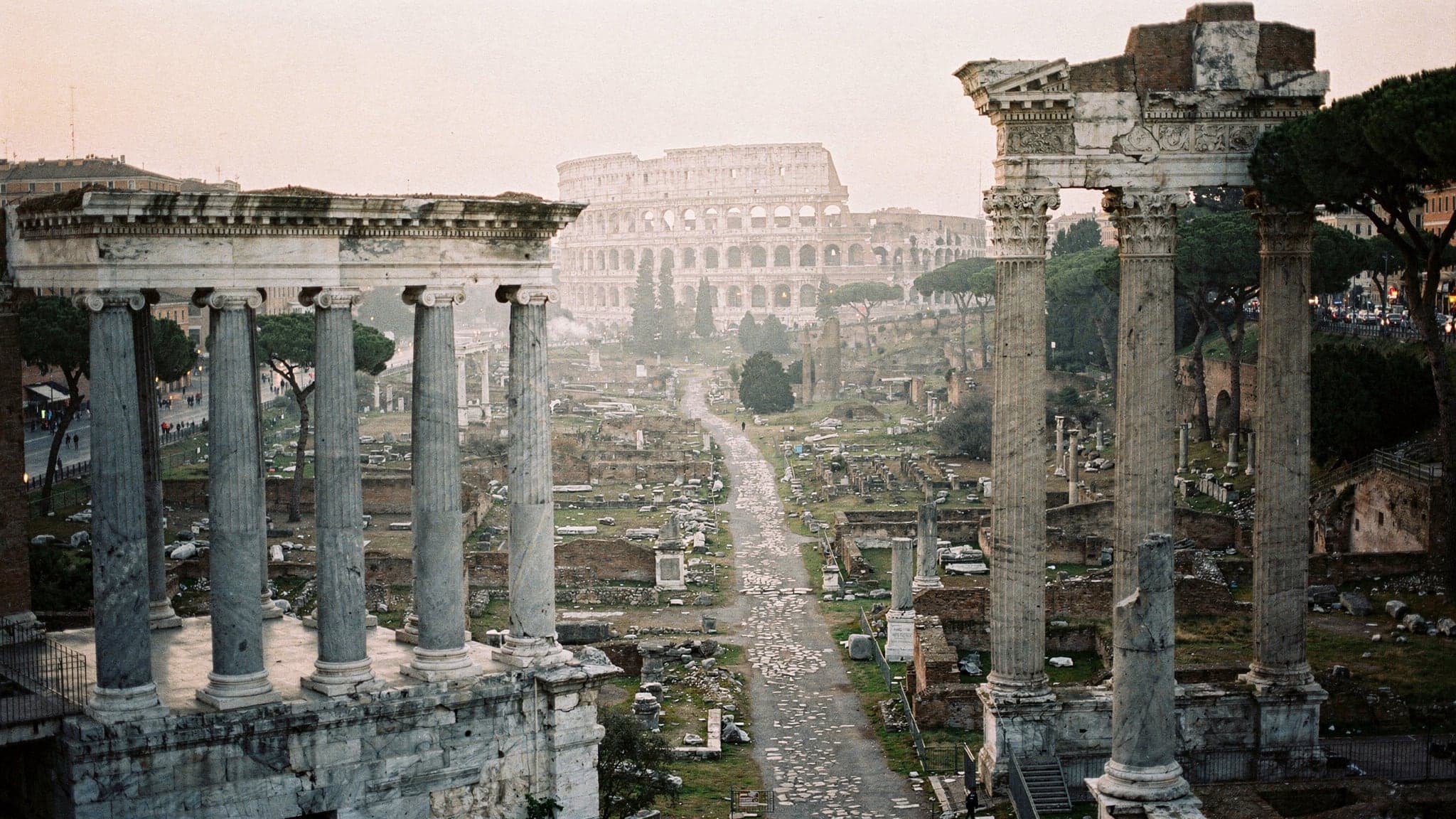
Italy
Rome
Two thousand years of ruins on the walk to dinner, and a city that will not be hurried.
Book Lisbon
These links go to the booking sites we would use ourselves. Nothing here is currently sponsored.
Fast facts
- Currency
- Euro (EUR)
- Languages
- Portuguese
- Plugs
- Type C, F, 230 V, 50 Hz
- Time zone
- Lisbon (GMT+1)
- Tap water
- Safe to drink
- Tipping
- Not expected. Round up in cafés; 5–10% for good table service in restaurants.
- Driving
- On the right
- Emergency
- 112
- Dialing code
- +351
- Safety
- 4/5
When to go
Best: May, Sep.
Good for
- Culture & history5/5
- Food & drink4/5
- Nature & scenery3/5
- Adventure2/5
- Beaches3/5
- Nightlife4/5
- Romance4/5
- Family-friendly3/5
- Value for money3/5
- Big-city energy4/5
- Slow & restorative3/5
- Wildlife1/5