Spain, Southern Europe
Barcelona
Gaudí on the skyline, the Mediterranean at the end of the street, and dinner that starts at ten.
Illustration: Spike Travel (AI-assisted)

By Spike Travel Editorial Desk, Editorial team
Published Oct 12, 2026
Disclosure: A researched briefing compiled from official and published sources. No hotel, attraction or tourism board hosted, paid for or reviewed it before publication.
- Best time
- May
- Daily budget
- $85–600
- Safety
- 4/5
- Strongest for
- Culture & history, Food & drink, Nightlife
Barcelona puts Gaudí's basilica, a medieval old town and a city beach within one metro ride of each other, and eats lunch like it means it. It is also one of Europe's most visited cities: book Sagrada Família and Park Güell ahead, budget for a tourist tax of up to €12 a night, and keep your phone off café tables.
Why go
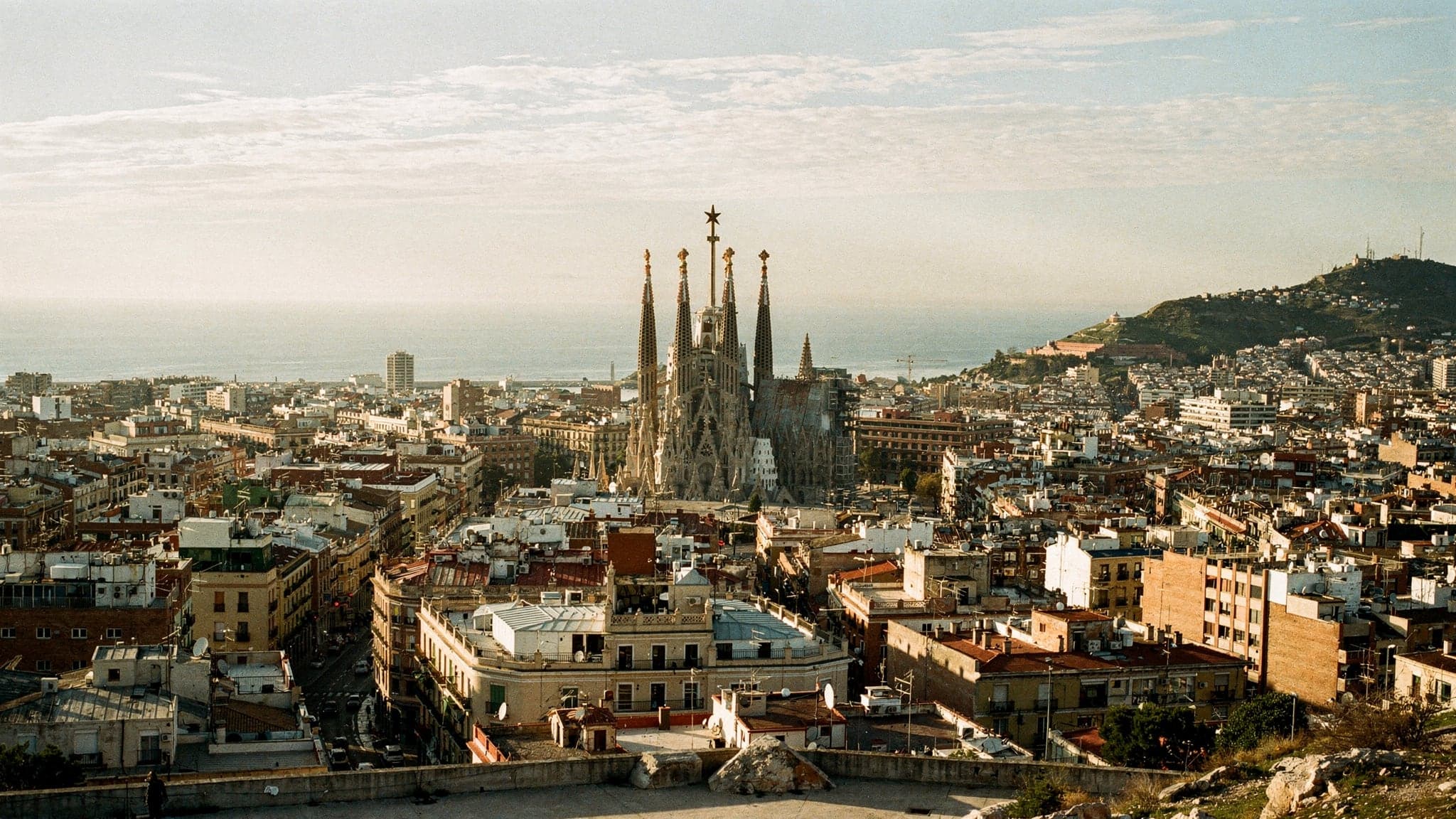
Few cities let you stand inside a building site that started in 1882 and swim in the sea on the same afternoon. The Sagrada Família reached its full height on 20 February 2026, when the cross went onto the 172.5-metre Tower of Jesus Christ. From the hill of the Bunkers del Carmel you can watch it rise out of the Eixample grid with the Mediterranean behind it. An hour later you can be in the water at Barceloneta.
Barcelona's best pleasures are daily ones. Three courses for €15 to €18 at a weekday menú del día. A glass of vermouth at noon on a Sunday, then bombas at a Barceloneta counter that closes by mid-afternoon. Gaudí is everywhere, yet Lluís Domènech i Montaner's Palau de la Música Catalana and Hospital de Sant Pau hold their own against anything on Passeig de Gràcia.
Street signs are in Catalan first. At festival time human towers called castells go up in the squares, and La Mercè in late September turns the streets into a free party with fire runs and concerts.
Barcelona also has a complicated relationship with its visitors. Residents have staged protests against mass tourism in recent summers. The regional tourist tax doubled on 1 April 2026 and the city's own surcharge rose to €5 a night. The city plans to end all 10,101 tourist-flat licences by November 2028. Stay longer, and spend your money in the neighbourhoods beyond the old town.
The lay of the land
Barcelona sits on a gentle slope between the sea and the Collserola hills, boxed in by the Llobregat river to the southwest and the Besòs to the northeast. Locals give directions by these edges: "mar" means towards the sea, "muntanya" towards the hills. Once you know that, the street grid makes sense.
The old town, Ciutat Vella, fans out from the port. La Rambla runs from Plaça de Catalunya down to the waterfront, with El Raval to its west and the Barri Gòtic to its east. Across Via Laietana lies El Born, with Santa Maria del Mar and the Picasso Museum. Barceloneta, the old fishermen's quarter, fills the triangle between the harbour and the beach.
North of Plaça de Catalunya spreads the Eixample, Ildefons Cerdà's 19th-century grid of blocks with cut-off corners. Its grand avenue, Passeig de Gràcia, holds Casa Batlló and La Pedrera. The Sagrada Família stands about 25 minutes' walk east of them, and Avinguda Diagonal slices across the whole grid at an angle.
Gràcia, above the Eixample, was a separate town until 1897 and still feels like one. Park Güell sits on the hillside beyond it, and the Bunkers del Carmel crown the Turó de la Rovira to the east. Montjuïc, the hill southwest of the centre, holds museums, gardens and the 1992 Olympic venues, with Poble-sec and Sant Antoni at its foot. To the northeast, Poblenou's old factories now house offices and lofts, and a string of beaches runs from Barceloneta past the Port Olímpic.
Areas at a glance
Barri Gòtic and El Born$$$$
Medieval lanes, Santa Maria del Mar and the Picasso Museum, busy day and night
Best for: First-timers who want to walk everywhere
Eixample$$$$
Wide modernista avenues, Passeig de Gràcia and calm nights
Best for: Comfort, transit links and Gaudí
Gràcia$$$$
A former village of small squares, independent shops and terrace bars
Best for: Return visitors, couples and longer stays
Poble-sec and Sant Antoni$$$$
Pintxo bars on Carrer de Blai and a revived food market at the foot of Montjuïc
Best for: Eating well on a budget
Barceloneta and Poblenou$$$$
Old fishermen's streets, the beach promenade and converted factories
Best for: Beach days, runners and cyclists
El Raval$$$$
Museums, bars and street life, rough around the edges late at night
Best for: Night owls and budget travellers who keep their wits about them
When to go
The best months are May, June, September and the first half of October. Average highs run from 21°C to 25°C, most people swim from June to September, and the summer queues have either not started or are easing.
July and August are hot and sticky. At AEMET's city-centre station, August averages a high of about 28°C and a low of about 23°C, so book a room with air conditioning. August is also when many residents leave town and some family-run restaurants close for the holidays.
Autumn brings the rain. October is the wettest month, with about 75 mm, but it falls on only five or six days, often in heavy bursts. Winters are mild, with highs around 15°C, and they are the cheapest time to come.
Dates worth planning around:
- On Sant Jordi (23 April), bookstalls and roses line La Rambla and Passeig de Gràcia.
- Sant Joan, on the night of 23 June, brings fireworks, bonfires and beach parties until dawn. Expect little sleep in the centre.
- For the Festa Major de Gràcia in mid-August, residents decorate whole streets, and the neighbourhood is packed for a week.
- La Mercè, around 24 September, is the city's biggest festival, with castells, correfocs (fire runs) and free concerts.
- Calçot season runs roughly from January to March: charred spring onions with romesco sauce, eaten outdoors.
- The Mobile World Congress trade fair (1–4 March 2027) fills hotels and pushes prices up across the city.
Barcelona month by month
Best: May. Bars show our 1–5 rating; numbers are average daily highs in °C. The outlined bar is this month.
Month-by-month table
| Month | Rating | High / low °C | Rain mm | Note |
|---|---|---|---|---|
| January | 3/5 | 15 / 8 | 33 | Quietest, cheapest month; calçot season (grilled spring onions) gets going |
| February | 3/5 | 14 / 8 | 30 | Santa Eulàlia winter festival around 12 February; calçotades in full swing |
| March | 3/5 | 16 / 10 | 38 | Mobile World Congress (1–4 March 2027) sends hotel prices soaring |
| April | 4/5 | 18 / 12 | 47 | Sant Jordi on 23 April fills the streets with books and roses; Easter crowds |
| May | 5/5 | 21 / 15 | 31 | Warm, long days before peak season; Primavera Sound usually late May or early June |
| June | 4/5 | 24 / 19 | 18 | Beach season begins; Sant Joan fireworks and bonfires on the night of 23 June |
| July | 3/5 | 27 / 22 | 25 | Hot, humid and crowded; book air conditioning |
| August | 2/5 | 28 / 23 | 28 | Peak heat and crowds; Festa Major de Gràcia mid-month; some family restaurants close |
| September | 4/5 | 25 / 20 | 65 | Warm sea, thinner crowds; La Mercè festival around 24 September |
| October | 4/5 | 22 / 16 | 75 | Wettest month, though rain falls on only five or six days |
| November | 3/5 | 18 / 11 | 38 | Low season returns; the Santa Llúcia Christmas fair opens late in the month |
| December | 3/5 | 15 / 9 | 33 | Mild, often sunny; Christmas fair by the cathedral |
May, June, September and the first half of October give you warm days and a swimmable sea without August's heat and crowds. Winter is mild and the cheapest time to come, but check trade-fair dates first: Mobile World Congress (1–4 March 2027) fills hotels across the city.
What it costs
Barcelona is mid-priced for Western Europe until you reach the hotel bill: a 3-star double typically runs €140–220 a night, and much more in summer and trade-fair weeks. Lunch is good value and transit is cheap. The Gaudí tickets add up fast: Sagrada Família is €26 (€36 with a tower), Park Güell €18, Casa Batlló from €29 online and La Pedrera from €25 for a sunset entry.
Locals make the weekday menú del día their main meal and ride on a T-casual, which cuts the €2.90 single fare to €1.30 a journey. They use free museum slots: the Picasso Museum is free on Thursdays from 4pm to 7pm and on the first Sunday of the month, if you reserve online. And the beaches and Montjuïc's gardens cost nothing.
The surprises run both ways. Wine, cava and vermouth by the glass are cheap at ordinary bars, and the beaches at Sitges are just a regional train fare away. On the other hand, eating on La Rambla, renting a room during a trade fair and visiting every Gaudí interior will drain a budget quickly.
Loading tool…
What a day costs
Shoestring
$85
per person, per day, no flights
Mid-range
$230
per person, per day, no flights
Luxury
$600
per person, per day, no flights
Shoestring buys a hostel dorm, supermarket breakfasts, a weekday menú del día, a T-casual and one paid sight a day. Mid-range covers half a 3-star double plus the tourist tax, two sit-down meals and a Gaudí ticket or two. Luxury means a 5-star on Passeig de Gràcia or the beach, tasting menus, taxis and guided visits.
| Item | Local price | ≈ USD | Note |
|---|---|---|---|
| Espresso (cafè sol) at the bar | €1.50–2 | $2 | Typical range; Numbeo's crowd-sourced cappuccino average is €2.89 |
| Small draught beer (caña) | €2.50–3.50 | $3.4 | Numbeo pint average €3.50 (crowd-sourced) |
| Cheap meal, menú del día (weekday set lunch) | €15–18 | $18 | Three courses, bread and a drink; Numbeo cheap-meal average €16 |
| Mid-range dinner for two | €60–80 | $78 | Three courses without wine (Numbeo average €60, crowd-sourced) |
| Metro or bus single ticket | €2.90 | $3.25 | TMB 2026 fare; T-casual (10 journeys, one person) €13 |
| Aerobús, airport to Plaça de Catalunya | €7.75 | $8.7 | Return €13.30; airport metro ticket €5.90 |
| Taxi from the airport | €28–38 | $37 | Metered, includes €4.60 airport supplement; €21 minimum from the airport |
| Hostel dorm bed | €20–45 | $36 | Indicative; summer weekends cost more |
| 3-star double room | €140–220 | $200 | Indicative, before tourist tax; far higher in summer and trade-fair weeks |
| Sagrada Família basic ticket | €26 | $29 | €36 with a tower visit; official site |
| Park Güell Monumental Zone | €18 | $20 | Timed, named ticket sold online only |
| Tourist tax, 4-star hotel | €8.40 per person per night | $9.4 | First seven nights only; €12 in a 5-star; under-17s exempt |
| Tourist eSIM (1 GB, 7 days) | from $4 (about €3.60) | $4 | Airalo starting price; larger plans cost more |
Prices verified Oct 12, 2026. Exchange rates move; treat USD as a guide.
Build a budget for BarcelonaGetting there and around
Most visitors land at Josep Tarradellas Barcelona–El Prat (BCN), southwest of the city. The Aerobús runs from both terminals to Plaça de Catalunya for €7.75 one way, or €13.30 return. The L9 Sud metro also serves both terminals, but it needs a special Airport ticket (€5.90), because standard singles and the T-casual are not valid at the airport stations; the Hola Barcelona travel card is. The R2 Nord train leaves from Terminal 2 for Sants and Passeig de Gràcia, and a free shuttle bus connects the terminals.
Taxis are metered: in 2026, €2.80 plus €1.35 a kilometre on weekday daytimes (€1.66 at night and weekends), a €4.60 airport supplement and a €21 minimum from the airport. Most rides to the centre cost €28–38, and a fixed €46 fare covers the airport to the cruise terminal.
Some budget airlines use Girona (GRO) and Reus (REU), where coaches timed to flights take 75 to 90 minutes into town.
Barcelona Sants is the rail hub. High-speed trains reach Madrid in about two and a half hours and Girona in under 40 minutes, and there are through trains to France.
In town, the metro is quick and frequent. It runs until midnight on most weeknights, until 2am on Fridays and all night on Saturdays. The T-casual (€13, 10 journeys in zone 1) also works on buses, trams, the FGC and Rodalies trains and the Montjuïc funicular, but it is single-person. Couples can share a T-familiar (€11.50 for 8 journeys in 30 days).
Walk the flat old town and Eixample, and ride up to the hills. For Park Güell, take the metro to Vallcarca and use the outdoor escalators for part of the climb. You do not need a car in the city, and parking is expensive.
Arriving and moving around
- BCNJosep Tarradellas Barcelona–El Prat. To the centre: Aerobús to Plaça de Catalunya in about 35 min (€7.75); L9 Sud metro with the €5.90 Airport ticket; R2 Nord train from T2; taxi about €28–38
- GROGirona–Costa Brava. To the centre: Sagalés direct coach to Barcelona Nord bus station, timed to flights, about 75 min
- REUReus. To the centre: Coaches to Barcelona Sants timed to flight arrivals, about 1 hr 30 min
Barcelona is a walking city with a fast, clean metro. A TMB single ticket costs €2.90 in 2026, but the T-casual (€13 for 10 journeys in zone 1) brings that to €1.30 a ride on the metro, buses, trams, FGC and Rodalies trains. It is now single-person; groups can share a T-familiar (8 journeys in 30 days, €11.50). The Hola Barcelona card gives unlimited travel and covers the airport metro, which standard tickets do not. The metro runs until 2am on Fridays and all night on Saturdays. Black-and-yellow taxis are metered and easy to hail; taxi apps work too. Walk the old town and the Eixample, and ride up to Park Güell, Montjuïc and the Bunkers del Carmel. You do not need a car in the city.
Where to stay
Barri Gòtic and El Born put you within walking distance of nearly everything. The trade-off is noise at night and the city's highest concentration of pickpockets. Hotel Neri, in an old palace beside the quiet Plaça de Sant Felip Neri, is the old town at its most romantic.
The Eixample is the sensible first-visit choice: wide pavements, metro stations everywhere and calmer nights. Hotel Casa Fuster, in Domènech i Montaner's modernista building at the top of Passeig de Gràcia, is the splurge.
Gràcia feels like a small town of squares and terrace bars, ten minutes by metro from the centre. Generator Barcelona, a well-run hostel with private rooms, sits on its southern edge.
Poble-sec and Sant Antoni are where to stay if food matters more than sights. The pintxo bars of Carrer de Blai and the Sant Antoni market are on your doorstep.
Barceloneta and Poblenou suit beach people. Barceloneta's lanes are cramped and lively; Poblenou is calmer and closer to the quieter beaches. Hotel Arts, the glass tower at Port Olímpic, is the beachfront luxury option.
El Raval has museums, bargains and Casa Camper, the shoe brand's hotel. Some streets in the lower Raval feel rough late at night, so choose your block with care.
Avoid rooms that face La Rambla, which is loud until late. Avoid unlicensed holiday flats too: a legal tourist flat shows its HUT registration number in the listing. In summer, confirm the air conditioning before you pay.
Places we'd book
- Check rates
Generator BarcelonaBudgetGràcia
A big, well-run hostel with dorms and private rooms on the edge of Gràcia, a short walk from Diagonal metro.
- Check rates
Casa Camper BarcelonaMid-rangeEl Raval
The shoe brand's hotel, where each room has its own lounge across the corridor and snacks are free around the clock.
- Check rates
Hotel NeriSomething differentBarri Gòtic
A Relais & Châteaux hotel in an old palace beside the quiet Plaça de Sant Felip Neri, with a roof terrace.
- Check rates
Hotel Casa FusterLuxuryPasseig de Gràcia
Domènech i Montaner's modernista Casa Fuster at the top of Passeig de Gràcia, with a rooftop terrace.
- Check rates
Hotel Arts BarcelonaLuxuryPort Olímpic
The glass-and-steel tower on the beach at Port Olímpic, with sea and city views from its upper floors.
What to do
Start with the Sagrada Família, where the interior is the point: a forest of branching columns under coloured light. Book a timed ticket on the official site (€26, or €36 with a tower). For the warmest light, take a late-afternoon slot, when the low sun comes through the red and orange windows on the west side. From November to February it opens 9am to 6pm, Monday to Saturday, and from 10:30am on Sundays.
Casa Batlló and La Pedrera sit a few blocks apart on Passeig de Gràcia. Casa Batlló has the more theatrical interior. La Pedrera has the better roof, a sculpture park of chimneys, and sunset entries from €25. Unless you love Gaudí, one is enough.
Start early in the old town: walk from the cathedral to the four surviving columns of the Temple of Augustus, hidden in a courtyard on Carrer del Paradís. Then cross into El Born for Santa Maria del Mar, a masterpiece of Catalan Gothic, and the Picasso Museum.
Montjuïc fills a slow day. Ride the funicular from Paral·lel and walk between the Fundació Joan Miró, the national art museum (MNAC) in the Palau Nacional, the 1992 Olympic ring and the castle. For the widest free view in Barcelona, climb to the Bunkers del Carmel, a Civil War anti-aircraft battery on the Turó de la Rovira. Access is now limited to daytime hours, so check the closing time before you set off.
Barceloneta is the busiest beach; Bogatell and Nova Icària, further northeast, have more room.
Montserrat is a saw-toothed mountain with a Benedictine monastery about an hour away: take the FGC R5 train from Plaça d'Espanya, then the rack railway or the Aeri cable car (€15 return). Girona, under 40 minutes by high-speed train, has a grand cathedral stairway, a well-preserved Jewish quarter, walkable city walls and coloured houses along the River Onyar.
The shortlist
Sagrada FamíliaSee
Gaudí's basilica, begun in 1882, reached its full height in February 2026 when the cross went onto the 172.5-metre Tower of Jesus Christ. The forest-like nave and its stained glass are the reason to go inside.
€26, or €36 with a tower; timed tickets online; winter hours Mon–Sat 9am–6pm, Sun from 10:30am
Book ticketsPark GüellSee
Gaudí's hillside garden city, with the mosaic serpentine bench, the dragon stairway and gatehouses that look like gingerbread. The wooded paths outside the paid Monumental Zone are free.
€18; online-only, named tickets for a fixed slot; book days ahead in high season
Book ticketsCasa Batlló and La PedreraSee
Two Gaudí apartment buildings on Passeig de Gràcia. Casa Batlló is the more theatrical interior; La Pedrera's rooftop of warrior-like chimneys is the better view. Most people only need one.
Casa Batlló from €29 online; La Pedrera from €29 by day, €25 at sunset
Book ticketsGothic Quarter and El Born on footDo
Roman walls, the four columns of the Temple of Augustus hidden in a courtyard, Santa Maria del Mar and the Picasso Museum, all within a 20-minute walk. Early morning is the time to see it without the crowds.
Free to wander; Picasso Museum free Thursdays 4–7pm and first Sundays, with a reservation
Book ticketsMontjuïcDo
The hill above the port holds the Fundació Joan Miró, the national art museum (MNAC), the 1992 Olympic ring, gardens and a castle, with views back over the city and the harbour.
Free to walk; funicular from Paral·lel on a standard metro ticket; museums charge
Book ticketsBunkers del CarmelDo
A Spanish Civil War anti-aircraft battery on the Turó de la Rovira, with the widest free panorama in Barcelona: the Eixample grid, the Sagrada Família and the sea in one sweep.
Free; daytime access only, so check the closing time; steep final climb
La Boqueria and Sant Antoni marketsEat
La Boqueria, off La Rambla, is the famous one: go early and eat at the counter bars. Sant Antoni, renovated and far less touristy, is where many locals shop.
Boqueria closed Sundays; arrive before 10am; avoid the pricey cut-fruit stalls at the entrance
MontserratDay trip
A saw-toothed mountain with a Benedictine monastery and a revered Black Madonna, about an hour from the city. Hike the trails above the monastery for space and silence.
FGC R5 train from Plaça d'Espanya, then the rack railway or the Aeri cable car (€15 return)
Book ticketsGironaDay trip
A compact medieval city with a grand cathedral stairway, a well-preserved Jewish quarter, walkable city walls and coloured houses along the River Onyar.
Under 40 minutes by high-speed train from Barcelona Sants; book ahead for the cheapest fares
Eat and drink
Barcelona eats late. Lunch runs from about 2pm to 4pm and dinner rarely starts before 9pm. Breakfast is small: a coffee and a croissant or a slice of pa amb tomàquet, bread rubbed with tomato and olive oil.
Bombas, fried balls of potato and spiced meat, come from La Cova Fumada in Barceloneta, the bar that claims to have invented them; it serves lunch only. Bar Tomàs in Sarrià is the long-standing benchmark for patates braves. Can Solé, open since 1903, does black rice and seafood paella at lunchtime. Quimet & Quimet in Poble-sec, a standing-room bar since 1914, builds montaditos from tinned seafood and takes no reservations. El Xampanyet in El Born pours cava with anchovies, and Can Culleretes, which opened in 1786, serves crema catalana in the Gothic Quarter. For an afternoon pick-me-up, Granja La Pallaresa on Carrer de Petritxol has served thick chocolate and churros since 1947.
Go to La Boqueria before 10am and eat at the counter bars rather than buying cut fruit at the entrance. Sant Antoni, renovated and far less touristy, is where many locals shop, and Santa Caterina, under its wavy roof, is calmer still. On Carrer de Blai in Poble-sec, pintxos are priced by the toothpick.
A few customs help. Tapas are not free, and some places charge for bread. Spanish law requires restaurants to offer tap water free of charge, so ask for "aigua de l'aixeta". On Sundays, join the locals for "el vermut", a pre-lunch vermouth with olives and crisps.
Order this
Bomba
A fist-sized ball of mashed potato and spiced meat, fried and topped with allioli and a hot sauce.
Try it at: La Cova Fumada, Barceloneta, the bar that claims to have invented it (lunch only; closes mid-afternoon)
Pa amb tomàquet
Bread rubbed with ripe tomato, olive oil and salt; the base of almost every Catalan meal.
Try it at: With anchovies and a glass of cava at El Xampanyet, El Born (since 1929)
Patates braves
Fried potato chunks with a spicy sauce and allioli; every bar has an opinion on the recipe.
Try it at: Bar Tomàs de Sarrià, the long-standing benchmark
Arròs negre and paella marinera
Rice cooked in fish stock, black with squid ink or loaded with seafood; a lunchtime dish.
Try it at: Can Solé, Barceloneta (since 1903)
Montaditos and conservas
Small open sandwiches and top-quality tinned seafood, eaten standing at the counter.
Try it at: Quimet & Quimet, Poble-sec (since 1914; no reservations)
Crema catalana
A custard flavoured with lemon and cinnamon under a burnt-sugar crust.
Try it at: Can Culleretes, Barri Gòtic, which opened in 1786
Xocolata amb xurros
Thick drinking chocolate for dipping fried dough sticks; an afternoon ritual.
Try it at: Granja La Pallaresa, Carrer de Petritxol (since 1947)
Calçots amb romesco
Charred spring onions dipped in a nut-and-pepper sauce, eaten with bibs in winter and early spring.
Try it at: Seasonal calçotada menus around the city from roughly January to March
Practicalities
Money. Contactless cards work almost everywhere, though some small bars prefer cash for tiny amounts. When a card machine offers to charge you in your home currency, choose euros.
Data. EU SIM cards roam at no extra cost. Tourist eSIMs start at about $4 for 1 GB, with bigger plans costing more.
Water and power. Tap water is safe but tastes of chlorine, so many residents use filter jugs. Sockets take Type C and F plugs at 230 V.
Safety. Violent crime is rare; theft is not (see below). Call 112 in an emergency and report thefts to the Mossos d'Esquadra, the Catalan police.
Etiquette. Catalan is the first language of many residents and of most signs; Spanish is understood everywhere. Swimwear and bare chests belong on the beach, and the city can fine you for wearing them in the streets.
LGBTQ+. Spain legalised same-sex marriage in 2005, and Barcelona is one of Europe's most relaxed cities for LGBTQ+ travellers. The bars of the Eixample's "Gaixample" are the hub, and Pride takes over the city in summer.
Accessibility. The bus fleet is low-floor and most metro stations have lifts. The old town is flat but crowded and paved with uneven stone, and Park Güell and the Bunkers are steep.
Phrases. Bon dia (good morning). Si us plau (please). Gràcies (thank you). Perdó (sorry, excuse me). La compta, si us plau (the bill, please).
Entry rules by passport
| Passport | Rule | Max stay | Notes | Checked |
|---|---|---|---|---|
| United States | Visa-free | 90 days in any 180 (whole Schengen area) | Passport must be valid for at least three months after you leave the Schengen area and issued within the previous 10 years. Spain applies the EU Entry/Exit System (EES) in full: fingerprints and a facial image are taken at your first entry instead of a passport stamp. Border guards can ask for a return ticket, proof of accommodation and funds of €122 per person per day (minimum €1,099, 2026 figures). ETIAS is not in operation and has no start date; the EU says it will announce one several months ahead (fee €20 once live). | Oct 12, 2026 |
| United Kingdom | Visa-free | 90 days in any 180 (whole Schengen area) | Passport must be less than 10 years old on the day you arrive and valid for at least three months after the day you plan to leave. Expect EES biometric registration (fingerprints and photo) and no stamp. You may be asked for a return ticket, travel insurance, enough money for your stay and a hotel booking, or a carta de invitación if you stay with friends. ETIAS is not yet in operation. | Oct 12, 2026 |
| EU/Schengen | Free movement | No limit; register as a resident after three months | EU, EEA and Swiss citizens travel with a valid national ID card or passport. Carry it: airlines always ask, and police can. EES and ETIAS do not apply. | Oct 12, 2026 |
| Canada | Visa-free | 90 days in any 180 (whole Schengen area) | Passport must be valid for at least three months beyond your planned departure from the Schengen area; airlines may apply stricter rules. EES records your photo and fingerprints at entry. ETIAS applications are not yet open, and Canada warns against fake ETIAS websites. | Oct 12, 2026 |
| Australia | Visa-free | 90 days in any 180 (whole Schengen area) | Standard Schengen short-stay rules: passport valid for at least three months after you leave the EU and issued within the last 10 years. EES biometric registration at your first entry. ETIAS is not in operation and no start date has been set. Smartraveller rates Spain "exercise normal safety precautions". | Oct 12, 2026 |
Entry rules change without notice. Confirm with the official source linked in the Checked column before you travel.
Safety: 4/5
Barcelona has low violent crime for a big city, but it is one of Europe's pickpocketing capitals. Canada's travel advice lists the hot spots: El Prat airport and the Aerobús, La Rambla, Plaça de Catalunya, Passeig de Gràcia, Plaça Reial, Park Güell, the Sagrada Família, beaches and public transit. Keep phones off terrace tables and out of back pockets, wear bags in front on the metro, and never leave anything on the sand while you swim. The US rates Spain Level 2 (exercise increased caution) for terrorism and unrest; Australia advises normal precautions.
- Distraction theft: someone points out a stain on your clothes or asks for directions while a partner lifts your wallet
- Fake plain-clothes police who ask to inspect your wallet or passport; ask for an official badge
- Phone snatching from café tables on La Rambla and around Plaça de Catalunya
- Bags taken from the sand at Barceloneta while their owners swim
- Unlicensed beach sellers (lateros) offering beer and mojitos of unknown origin
- Shell-game tricksters on La Rambla whose 'winners' are accomplices
Fast facts
- Currency
- Euro (EUR)
- Languages
- Catalan, Spanish
- Plugs
- Type C, F, 230 V, 50 Hz
- Time zone
- Madrid (GMT+2)
- Tap water
- Generally safe; locals often filter
- Tipping
- Not expected. Round up at the bar and leave 5–10% for good table service.
- Driving
- On the right
- Emergency
- 112
- Dialing code
- +34
- Safety
- 4/5
What nobody tells you
Pickpocketing is not a rumour. Phones vanish from café tables on La Rambla, bags are opened on crowded L1 and L3 trains, and belongings disappear from the sand while their owners swim. Thieves also work the airport, the Aerobús, Plaça Reial and the queues at Park Güell and the Sagrada Família. Keep your phone in a front pocket and your bag in front of you.
La Rambla is better walked than eaten on. Its terraces charge high prices for reheated paella and jugs of sangria, and the side streets are cheaper and better within two minutes' walk.
The old town is loud. Narrow streets echo, bars spill out after midnight, and street cleaning and rubbish collection happen at night. Light sleepers should ask for a room at the back or stay in the Eixample.
Summer heat is wearing. August nights average about 23°C and old buildings hold the heat, so air conditioning matters more than a view.
Some favourites have changed. The Bunkers del Carmel now close at night, so the famous sunset sessions there are largely over. In August, some family restaurants shut for the holidays.
Leave extra time at the airport on the way home. Non-EU travellers go through EES exit checks, and queues at El Prat can be long in peak season.
And people live here. Keep your voice down in residential stairwells, skip the stag-party pub crawls, and learn to say gràcies.
Insider tips
- For the stained glass at its warmest, book a late-afternoon Sagrada Família slot, when low sun lights the red and orange windows on the west side.
- The T-casual is single-person. Couples need one each, or a shareable T-familiar (8 journeys, €11.50).
- Make lunch your main meal. The weekday menú del día gets you three courses and a drink for around €15–18.
- The Picasso Museum is free on Thursday afternoons and the first Sunday of the month, but you must reserve the free slot online.
- Locals give directions as "mar" (towards the sea) and "muntanya" (towards the hills). Learn the two words and the grid makes sense.
- Restaurants must offer free tap water by law; ask for "aigua de l'aixeta".
- Flying home to the UK, US or anywhere outside Schengen, allow extra time at El Prat for EES exit checks.
- Say "bon dia" and "gràcies". A little Catalan earns a warmer welcome than Spanish alone.
Skip it
- Eating on La Rambla itself. Terrace prices are high, and the paella and sangria are rarely worth it.
- Ticket touts and resale sites for Park Güell and the Sagrada Família; both sell at face value online.
- Leaving a bag on the sand at Barceloneta while you swim.
- Booking during Mobile World Congress (1–4 March 2027) unless you have to be there.
- Unlicensed holiday flats. A legal tourist flat shows its HUT registration number in the listing.
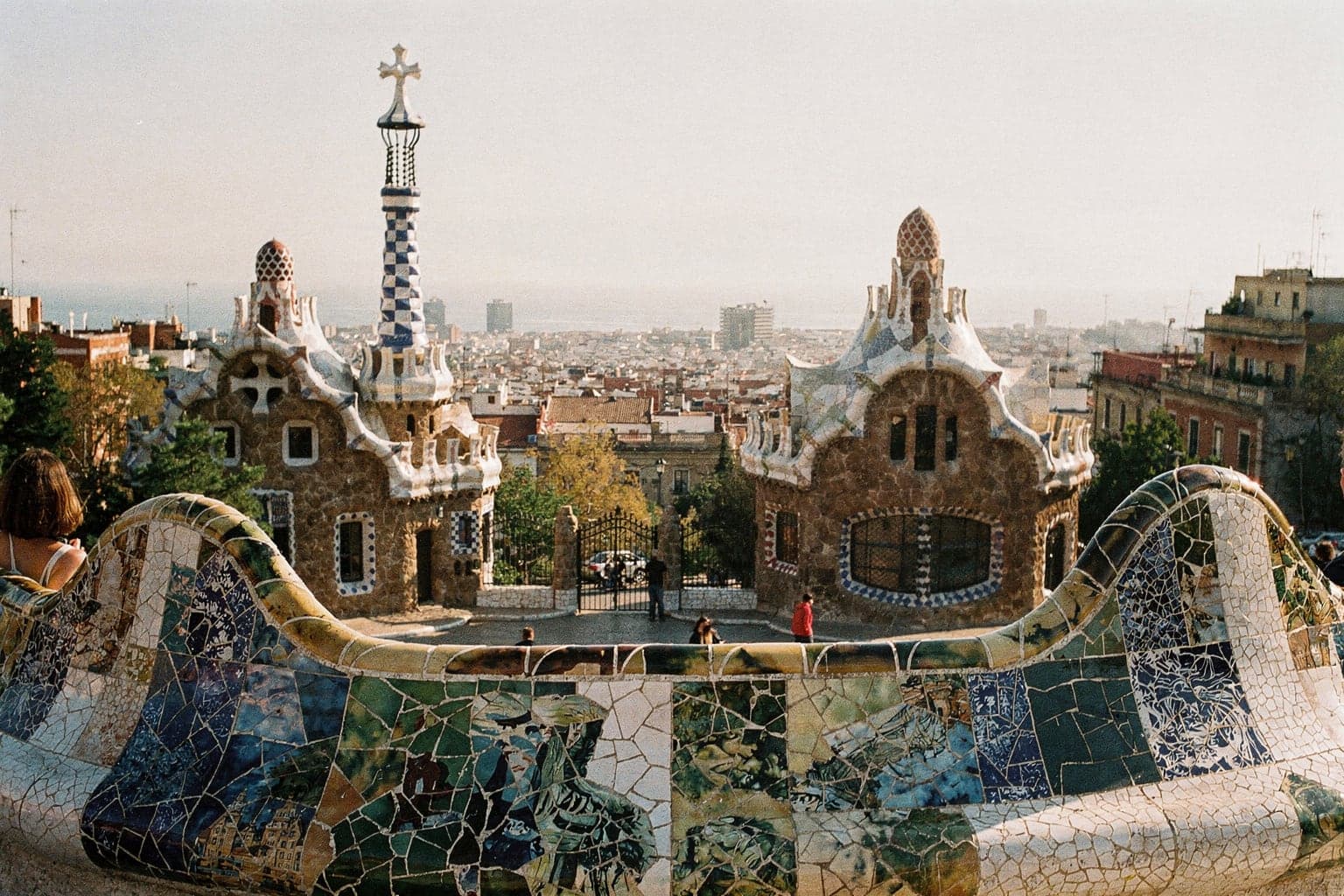
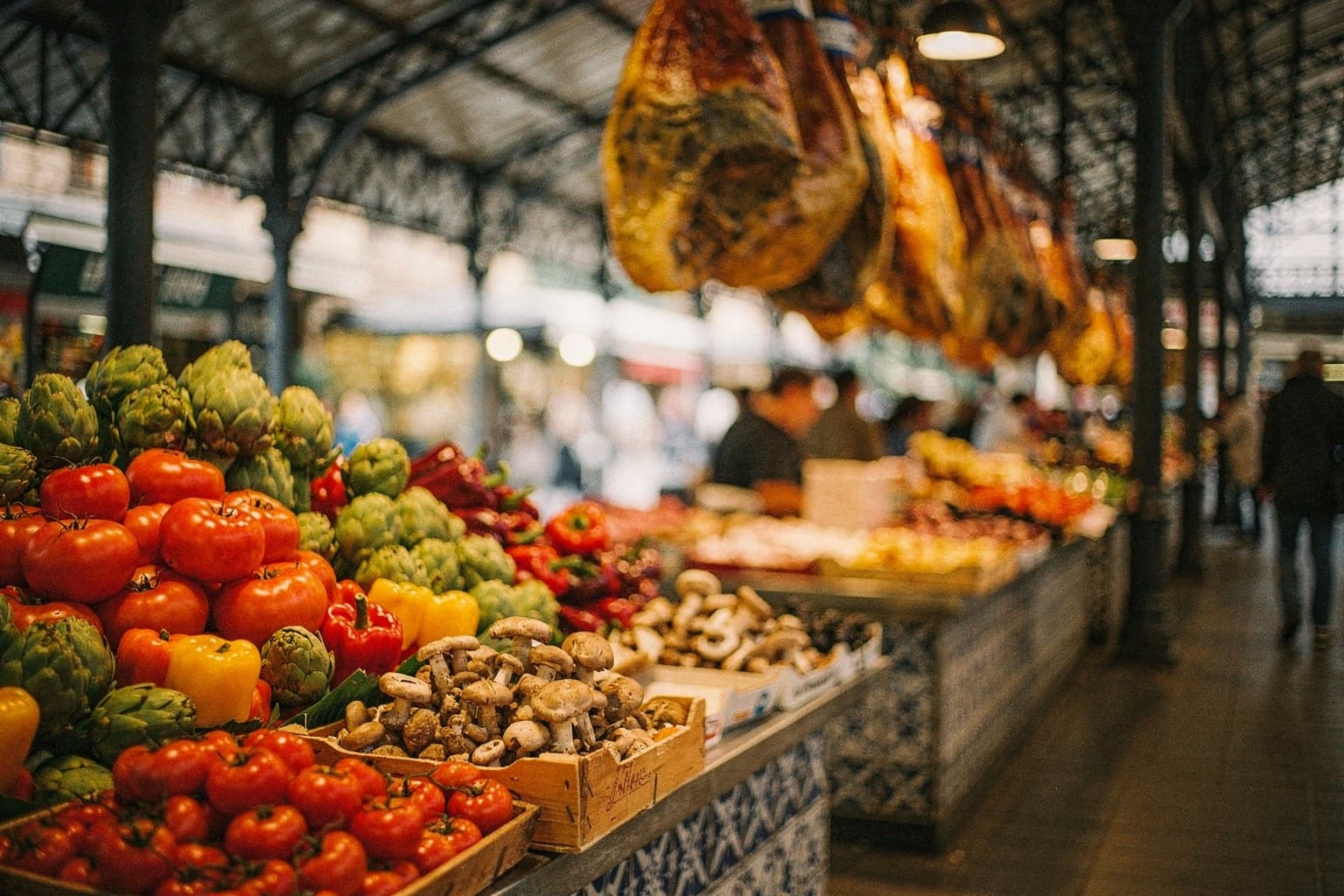
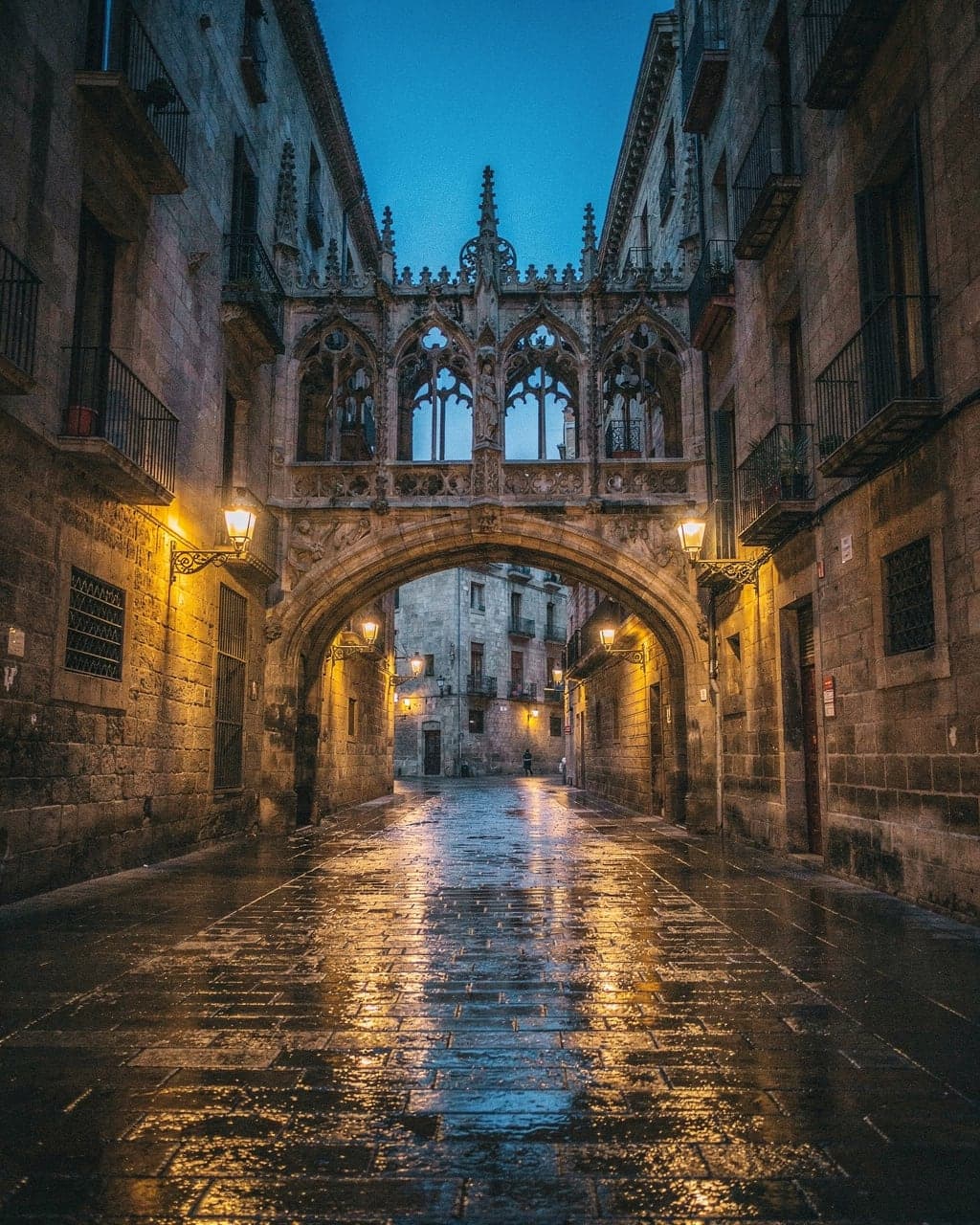
Illustration: Spike Travel (AI-assisted)
Questions people ask
Do I need to book Sagrada Família tickets in advance?
Yes. Entry is by timed slot, sold online for €26 (€36 with a tower), and slots sell out days ahead in spring and summer. The official site sells at face value.
How do I get from Barcelona airport to the city centre?
The Aerobús runs to Plaça de Catalunya for €7.75 one way. The L9 Sud metro needs a special €5.90 Airport ticket, and the R2 Nord train leaves from Terminal 2. Taxis are metered and usually cost €28–38, with a €21 minimum from the airport.
How much is the tourist tax in Barcelona?
Since 1 April 2026 it is €6–12 per person per night: €12 in a 5-star hotel, €8.40 in a 4-star, €9.50 in a licensed tourist flat, €7 in other hotels and guesthouses, and €6 in a youth hostel. It covers the first seven nights, and under-17s are exempt.
Is Barcelona safe for tourists?
Violent crime is low, but pickpocketing is common on La Rambla, the metro, the beaches and around the big Gaudí sights. Keep your phone in a front pocket and your bag zipped and in front of you.
How many days do I need in Barcelona?
Three full days cover the Sagrada Família, Park Güell, the old town and a beach afternoon. Five let you add Montjuïc, Gràcia and a day trip to Montserrat or Girona.
Do I need ETIAS to visit Spain?
Not yet. ETIAS is not in operation and has no start date; the EU says it will announce one several months ahead. You will still register in the Entry/Exit System, with fingerprints and a photo, at your first Schengen border.
Sources
Where the facts on this page come from. Dates show when we last checked each one.
- What is ETIAS (official EU ETIAS website)accessed Oct 12, 2026
- The Entry/Exit System will become fully operational on 10 April 2026 (European Commission)accessed Oct 12, 2026
- Nine EU countries further delay EES border checks (The Guardian, 14 September 2026)accessed Oct 12, 2026
- Conditions for entry into Spain (Consulate General of Spain in Washington)accessed Oct 12, 2026
- Spain entry requirements (UK Foreign, Commonwealth & Development Office)accessed Oct 12, 2026
- Spain travel advice (Government of Canada)accessed Oct 12, 2026
- Spain Travel Advisory (US Department of State)accessed Oct 12, 2026
- Destinations and advice levels (Smartraveller, Australian Government)accessed Oct 12, 2026
- Travel documents for EU nationals (Your Europe, European Union)accessed Oct 12, 2026
- Travel documents for non-EU nationals (Your Europe, European Union)accessed Oct 12, 2026
- Tax on stays in tourism establishments, rates from 1 April 2026 (Agència Tributària de Catalunya)accessed Oct 12, 2026
- Impost sobre les estades en establiments turístics, exemptions (Agència Tributària de Catalunya)accessed Oct 12, 2026
- 2026 transport ticket fares (TMB)accessed Oct 12, 2026
- Metro and bus operating hours (TMB)accessed Oct 12, 2026
- Aerobús fares (Monbus Aerobús)accessed Oct 12, 2026
- Tarifes del taxi 2026 (Àrea Metropolitana de Barcelona)accessed Oct 12, 2026
- Prices (Basílica de la Sagrada Família)accessed Oct 12, 2026
- Opening hours and getting here (Basílica de la Sagrada Família)accessed Oct 12, 2026
- Central tower of Barcelona's Sagrada Família completed (Vatican News)accessed Oct 12, 2026
- Prices and times (Park Güell official website)accessed Oct 12, 2026
- Buy tickets and opening hours (Museu Picasso de Barcelona)accessed Oct 12, 2026
- Tickets (La Pedrera-Casa Milà)accessed Oct 12, 2026
- Online tickets (Casa Batlló)accessed Oct 12, 2026
- Timetables and fares (Aeri de Montserrat)accessed Oct 12, 2026
- Barcelona climate table, Barcelona centre station 1994–2020 (Wikipedia, citing AEMET OpenData)accessed Oct 12, 2026
- Barcelona plans to shut all holiday apartments by 2028 (Reuters)accessed Oct 12, 2026
- MWC Barcelona 2027 dates (GSMA)accessed Oct 12, 2026
- Cost of living in Barcelona (Numbeo, crowd-sourced, sanity check only)accessed Oct 12, 2026
If you like Barcelona
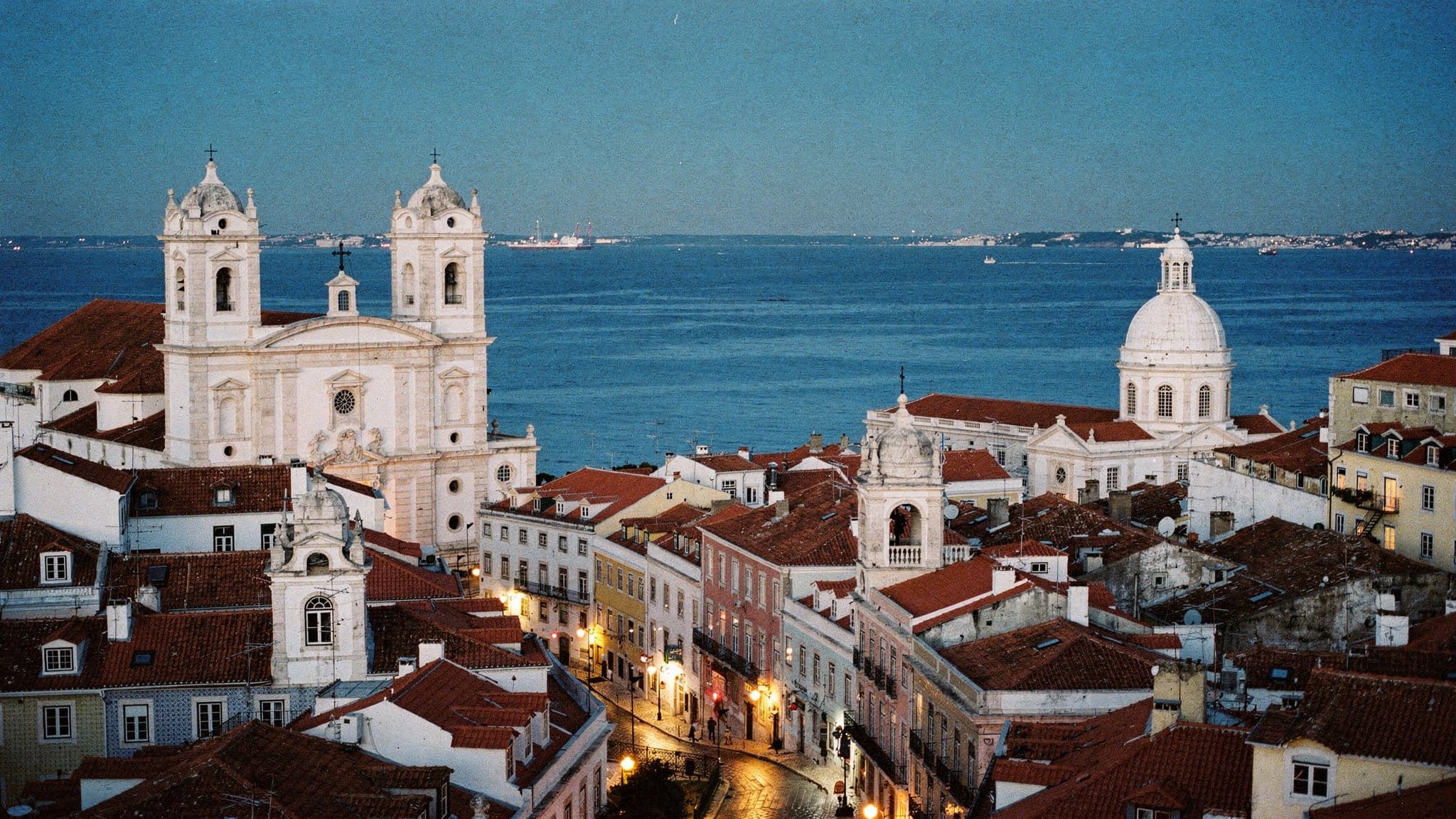
Portugal
Lisbon
Steep cobbled lanes, river light on tiled walls, and a counter espresso that still costs about a euro.
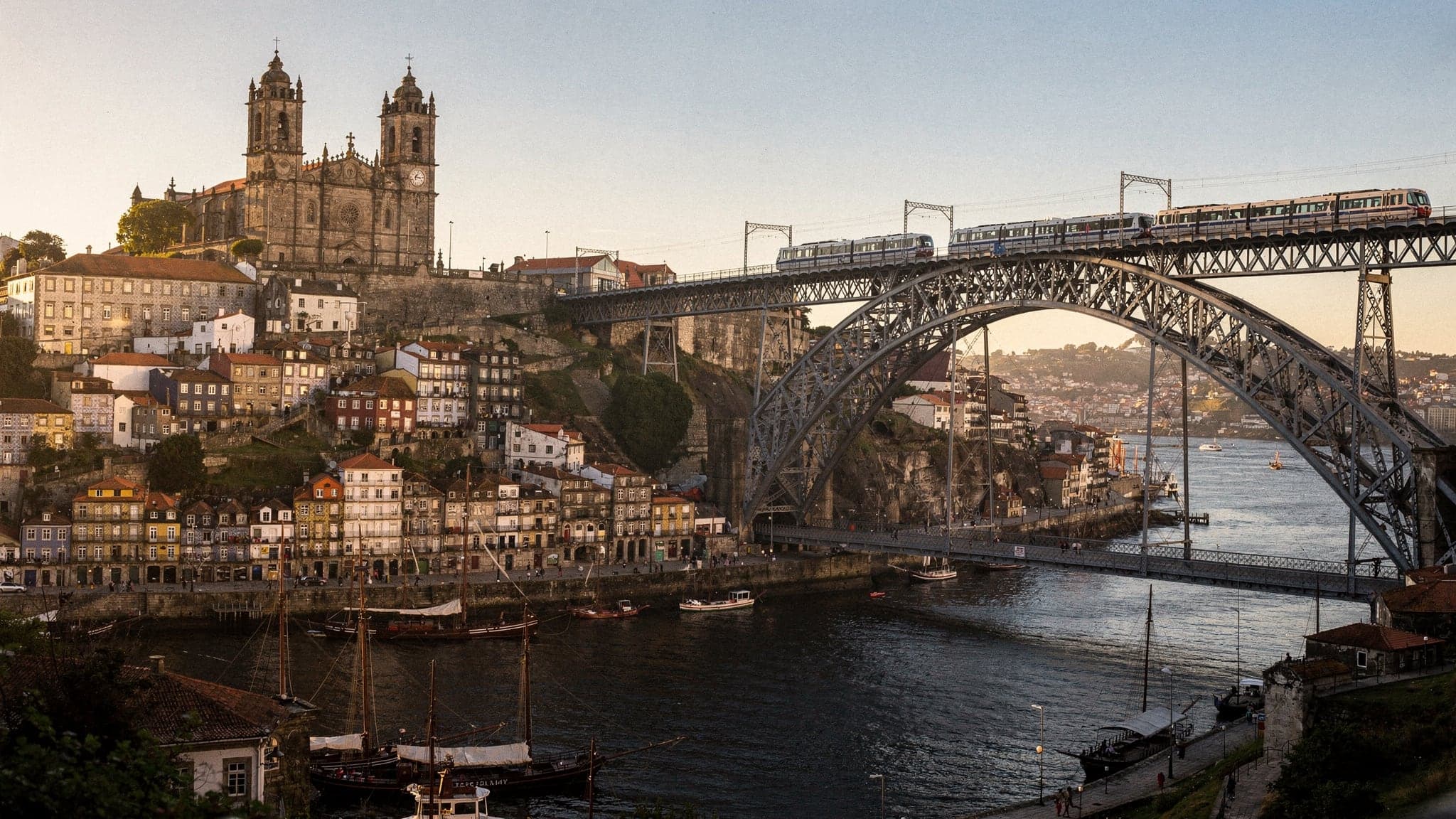
Portugal
Porto
Granite lanes tumbling to the Douro, port lodges across the water, and a sandwich you eat with a knife and fork.
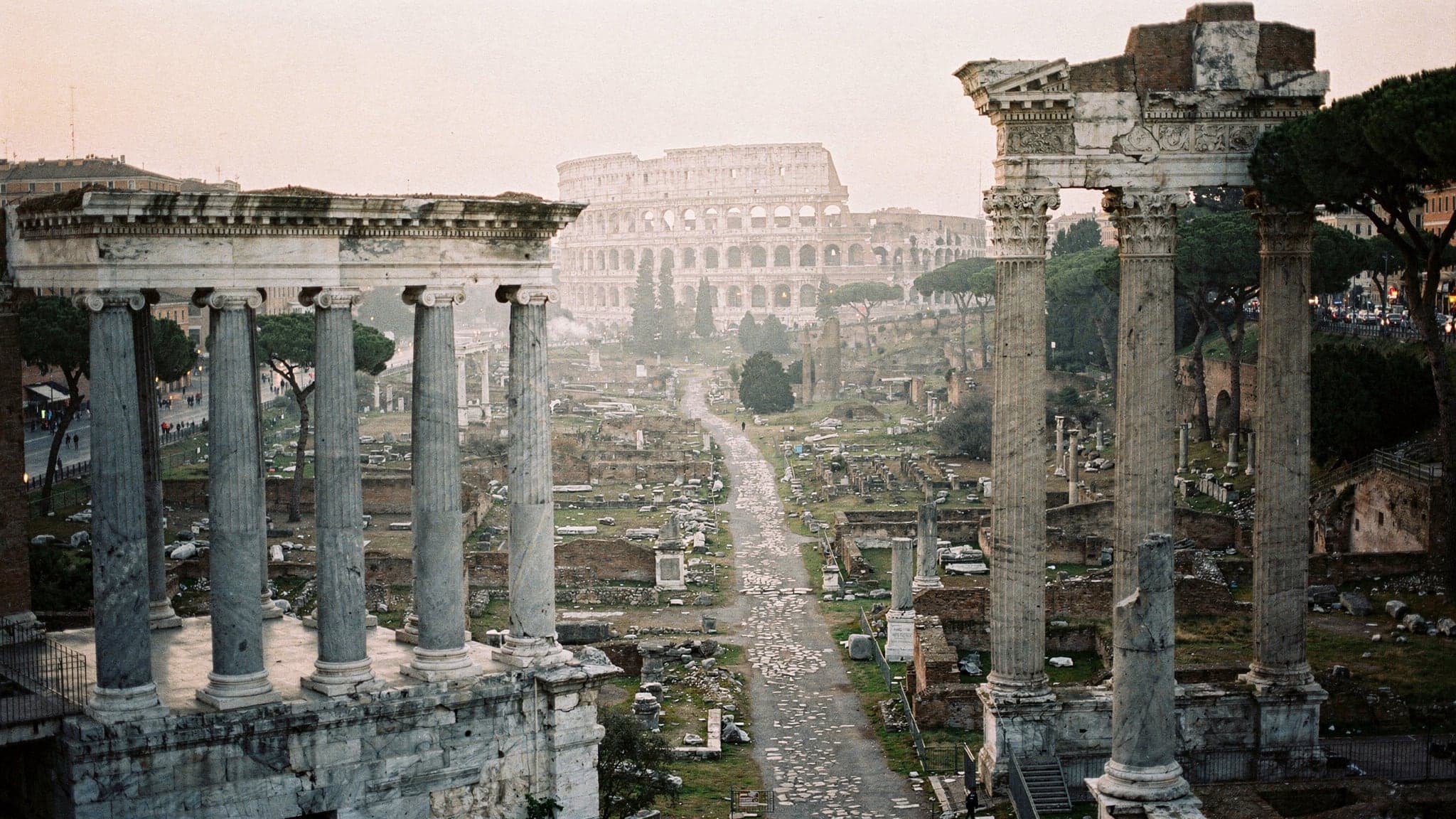
Italy
Rome
Two thousand years of ruins on the walk to dinner, and a city that will not be hurried.
Book Barcelona
These links go to the booking sites we would use ourselves. Nothing here is currently sponsored.
Fast facts
- Currency
- Euro (EUR)
- Languages
- Catalan, Spanish
- Plugs
- Type C, F, 230 V, 50 Hz
- Time zone
- Madrid (GMT+2)
- Tap water
- Generally safe; locals often filter
- Tipping
- Not expected. Round up at the bar and leave 5–10% for good table service.
- Driving
- On the right
- Emergency
- 112
- Dialing code
- +34
- Safety
- 4/5
When to go
Best: May.
Good for
- Culture & history5/5
- Food & drink5/5
- Nature & scenery3/5
- Adventure2/5
- Beaches4/5
- Nightlife5/5
- Romance4/5
- Family-friendly4/5
- Value for money3/5
- Big-city energy5/5
- Slow & restorative3/5
- Wildlife1/5