Italy, Southern Europe
Rome
Two thousand years of ruins on the walk to dinner, and a city that will not be hurried.
Illustration: Spike Travel (AI-assisted)

By Spike Travel Editorial Desk, Editorial team
Published Oct 12, 2026
Disclosure: A researched briefing compiled from official and published sources. No hotel, attraction or tourism board hosted, paid for or reviewed it before publication.
- Best time
- Apr–May
- Daily budget
- $90–650
- Safety
- 4/5
- Strongest for
- Culture & history, Food & drink, Romance
Rome stacks ancient ruins, Baroque piazzas and the Vatican into a centre you can cross on foot, with trattoria cooking to match. It rewards planning: the Colosseum sells named, timed tickets 30 days ahead, the Vatican Museums are best booked online, and the Trevi Fountain now charges €2 for a close look.
Why go
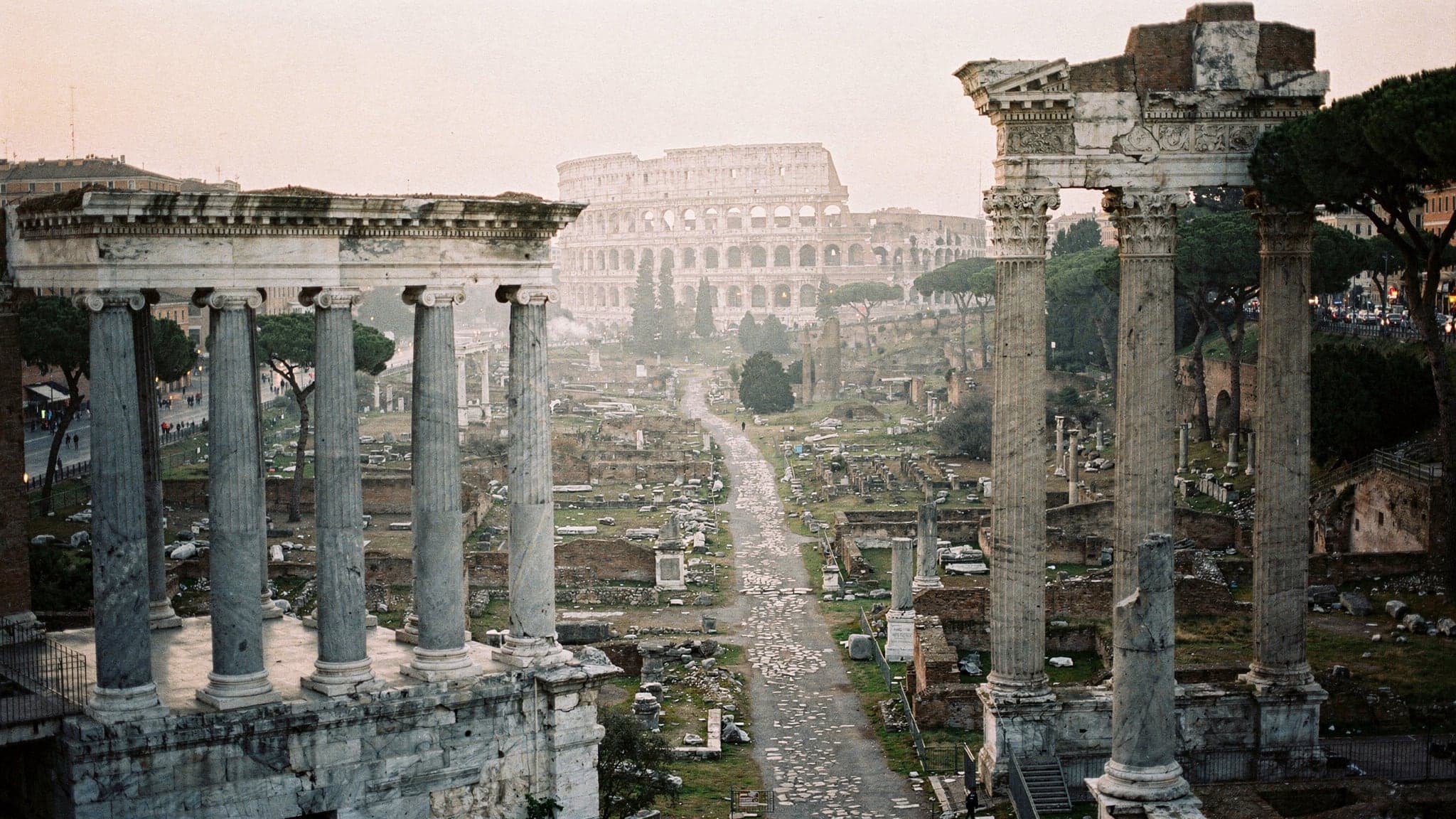
In Rome the past is underfoot. The Pantheon, finished around AD 125, still holds the largest unreinforced concrete dome in the world, and you pass it on the way to coffee. Churches stand on the foundations of temples, Piazza Navona keeps the outline of Domitian's stadium, and the Vatican, a separate state, holds Michelangelo's Sistine Chapel ceiling.
Rome's four great pastas, carbonara, cacio e pepe, amatriciana and gricia, are short lists of ingredients done exactly right. Spring brings whole artichokes fried in the Jewish Ghetto. Supplì and pizza al taglio make lunch on the move cheap, and trattorias that have barely changed their menus in decades are still full of Romans.
The sights sit close together, so you can take Rome slowly. Late-afternoon light turns the facades ochre and orange, and the evening passeggiata and aperitivo give every day a second act.
Rome also asks more of visitors than it used to. The Colosseum sells named, timed tickets. The Trevi Fountain has charged €2 for access to the basin since February 2026, and the Pantheon now costs €7. Sitting on the Spanish Steps can earn you a fine. Plan the big three, the Colosseum, the Vatican and the Borghese, and leave the rest of the trip loose.
The lay of the land
The historic centre fills a bend in the Tiber and is still largely enclosed by the Aurelian Walls, built in the third century. That line matters more than you would think: Fiumicino's €55 fixed taxi fare covers any address inside it.
On the river's east bank, the Centro Storico packs the Pantheon, Piazza Navona and Campo de' Fiori into the old Campus Martius. The white marble Vittoriano on Piazza Venezia is the landmark to steer by. From there, Via dei Fori Imperiali runs southeast past the imperial forums to the Colosseum, with the Roman Forum and the Palatine Hill alongside.
North of Piazza Venezia, Via del Corso runs dead straight to Piazza del Popolo. The Spanish Steps and the designer streets of the Tridente lie to its east, with the Villa Borghese park on the hill above. East of the Forum, Monti climbs towards Termini, the main station, in the Esquilino district. South of the ancient core rise the Aventine Hill and the old slaughterhouse quarter of Testaccio.
Across the river, Trastevere spreads below the Gianicolo hill. Vatican City, the world's smallest state, sits to the northwest beside the orderly grid of Prati.
Areas at a glance
Centro Storico$$$$
The Pantheon, Piazza Navona and Campo de' Fiori, with the big sights on foot
Best for: First-timers with a bigger budget
Trastevere$$$$
Ivy-covered lanes, trattorias and late nights across the river
Best for: Evenings out and food lovers
Monti$$$$
Wine bars, vintage shops and quiet lanes between the Forum and Termini
Best for: Couples and repeat visitors
Prati$$$$
Broad, calm streets and good shopping beside the Vatican
Best for: Families and Vatican-focused trips
Testaccio$$$$
A traditionally working-class district with a much-loved food market and old trattorias
Best for: Eating like a Roman
Esquilino and Termini$$$$
The transport hub, with cheaper rooms, a multicultural market and rough edges at night
Best for: Budget travellers and early trains
When to go
Spring and autumn are best. In April, May and October average highs sit at roughly 19–22°C, and late September is still warm. These are also the busiest months, so book rooms and tickets early.
Summer is hard work. The official 1991–2020 normals for Ciampino show average highs of 31°C in July and 32°C in August, and the stone city holds the heat. Sightsee early and late, rest in the middle of the day, and refill your bottle at the street fountains. Around Ferragosto on 15 August, many family businesses close.
Winter is cooler, wetter and cheaper. November is the wettest month, with about 108 mm of rain. From 25 October 2026 to 28 February 2027 the Colosseum closes at 4:30pm, so start early.
Dates worth planning around:
- Easter falls on 28 March 2027, when crowds pack St Peter's Square for papal ceremonies and hotel prices climb.
- Natale di Roma, the city's birthday on 21 April, is marked with historical parades.
- Festa della Repubblica on 2 June brings a military parade on Via dei Fori Imperiali and free entry at state sites, including the Colosseum.
- The feast of Saints Peter and Paul on 29 June is Rome's own public holiday.
- The Rome Film Fest brings premieres and screenings to the Auditorium Parco della Musica in October.
- On the first Sunday of every month, entry is free at state sites such as the Colosseum, the Pantheon and Villa d'Este. You cannot book the free Colosseum entry, so queues are long.
Rome month by month
Best: Apr–May. Bars show our 1–5 rating; numbers are average daily highs in °C. The outlined bar is this month.
Month-by-month table
| Month | Rating | High / low °C | Rain mm | Note |
|---|---|---|---|---|
| January | 3/5 | 12 / 3 | 66 | Low season and low prices; cold nights, crisp days |
| February | 3/5 | 13 / 3 | 63 | Your best chance of quiet galleries |
| March | 4/5 | 16 / 6 | 59 | Spring arrives; Rome Marathon; Easter 2027 falls on 28 March |
| April | 5/5 | 19 / 9 | 69 | Natale di Roma, the city's birthday, on 21 April; spring artichokes |
| May | 5/5 | 22 / 13 | 57 | Ideal walking weather; the Aventine rose garden opens |
| June | 4/5 | 28 / 17 | 30 | Heat builds; 29 June is Rome's holiday for Saints Peter and Paul |
| July | 2/5 | 31 / 19 | 20 | Fierce heat; sightsee early and late |
| August | 2/5 | 32 / 20 | 30 | Hottest month; Ferragosto (15 August) closes many shops and restaurants |
| September | 4/5 | 27 / 16 | 65 | Heat eases, crowds stay |
| October | 4/5 | 22 / 12 | 88 | Mild and golden, though rain picks up; Rome Film Fest |
| November | 3/5 | 17 / 9 | 108 | Wettest month; the Colosseum closes at 4:30pm until the end of February |
| December | 3/5 | 13 / 5 | 98 | Nativity scenes in churches; Christmas week is busy |
April, May and October bring average highs of roughly 19–22°C and the best walking weather, with late September close behind. July and August average 31–32°C and are crowded; November to February is cooler, wetter and cheaper, with shorter Colosseum hours.
What it costs
Eating out is fair value away from the big piazzas and transit is cheap, so hotels are the big cost: a 3-star double typically runs €130–200 a night before tax. Tickets add up too. The Colosseum is €18 (€24 for the Full Experience), the Vatican Museums €25 booked online, the Borghese €18 with its booking fee, the Pantheon €7 and the Trevi basin €2.
Romans save in small, constant ways. They drink coffee standing at the counter, where an espresso costs €1.20–1.50; sitting down costs more. They buy pizza al taglio by weight and supplì for a couple of euros, and drink from the nasoni, the free street fountains. Most churches, every piazza, the Aventine keyhole and the Gianicolo terrace cost nothing at all.
The bill can surprise you in other ways. A coperto, the cover charge for bread and table, is legal if it is on the menu. Restaurants serve bottled water by default. Tourist-zone terraces near the Pantheon and Piazza Navona can charge double what you would pay two streets away.
Loading tool…
What a day costs
Shoestring
$90
per person, per day, no flights
Mid-range
$240
per person, per day, no flights
Luxury
$650
per person, per day, no flights
Shoestring buys a hostel bed, bar breakfasts, pizza al taglio and supplì for lunch, a 72-hour transit pass and one paid sight a day. Mid-range covers half a 3-star double plus €6 a night in city tax, a trattoria dinner and two major tickets. Luxury means a 5-star near the Spanish Steps, guided Vatican visits and taxis.
| Item | Local price | ≈ USD | Note |
|---|---|---|---|
| Espresso at the bar | €1.20–1.50 | $1.5 | Typical range, standing at the counter; table service costs more |
| Draught beer (pint) | €5 | $5.6 | Numbeo average, range €3–8 (crowd-sourced) |
| Street food (supplì or a slice of pizza al taglio) | €2–6 | $4.5 | Typical; pizza al taglio is priced by weight |
| Trattoria lunch | €15–20 | $20 | Numbeo cheap-meal average €15 (crowd-sourced) |
| Mid-range dinner for two | €60–80 | $78 | Three courses without wine (Numbeo average €60, crowd-sourced) |
| Bus or metro ticket (BIT) | €1.50 | $1.7 | 100 minutes on buses and trams plus one metro ride; 72-hour pass €22 |
| Leonardo Express, Fiumicino to Termini | €14 | $15.7 | Non-stop, 32 minutes; FL1 regional train €8 |
| Taxi from Fiumicino | €55 fixed | $61.6 | To any address inside the Aurelian Walls; €40 from Ciampino |
| Hostel dorm bed | €25–50 | $42 | Indicative; spring and autumn weekends cost more |
| 3-star double room | €130–200 | $185 | Indicative, before city tax |
| Colosseum, Forum and Palatine (24h ticket) | €18 | $20 | €24 Full Experience; named, timed tickets on sale 30 days ahead |
| Vatican Museums | €25 booked online | $28 | €20 ticket plus €5 online booking; free on the last Sunday of the month |
| City tax, 4-star hotel | €7.50 per person per night | $8.4 | First 10 nights only; €10 in a 5-star; under-10s exempt |
| Tourist eSIM (1 GB, 7 days) | from $4 (about €3.60) | $4 | Airalo starting price; larger plans cost more |
Prices verified Oct 12, 2026. Exchange rates move; treat USD as a guide.
Build a budget for RomeGetting there and around
Most flights land at Fiumicino (FCO), on the coast west of the city. The Leonardo Express runs non-stop to Termini in 32 minutes for €14. The slower FL1 regional train (€8) is better for Trastevere, Ostiense or Tiburtina. Licensed white taxis charge a fixed €55 to any address inside the Aurelian Walls; use the official rank and ignore anyone who approaches you in arrivals.
Ciampino (CIA), southeast of the city, handles mainly budget airlines. Coaches run to Termini from about €6.50 and take around 40 minutes, and the fixed taxi fare to the centre is €40.
Termini is also the rail hub. High-speed trains reach Naples in about 1 hour 10 minutes and Florence in about 1 hour 30, which makes both possible day trips.
In town, walk. Most of the big sights are within half an hour of each other on foot, and walking is how you find the side streets. The metro's three lines skirt the historic centre, so buses and trams fill the gaps. A BIT ticket (€1.50) covers 100 minutes on buses and trams plus a single metro ride. Passes cost €8.50 for 24 hours, €15 for 48 and €22 for 72. Easier still, tap a contactless card or phone at the metro gates and on bus and tram validators, using ATAC's Tap&Go. If you use paper tickets, validate them, or risk an on-the-spot fine.
Licensed taxis are white with a TAXI sign on the roof. Take them from ranks or book by app or phone. Transport strikes are announced in advance, so check before an airport run. Do not drive in the centre: camera-enforced ZTL zones fine unauthorised cars automatically.
Arriving and moving around
- FCORome Fiumicino (Leonardo da Vinci). To the centre: Leonardo Express to Termini in 32 min (€14); FL1 train to Trastevere, Ostiense or Tiburtina (€8); fixed €55 taxi fare inside the Aurelian Walls
- CIARome Ciampino. To the centre: Coaches to Termini from about €6.50, around 40 min; fixed €40 taxi fare inside the Aurelian Walls
Central Rome is best on foot, and most of the big sights are within a 30-minute walk of each other. The metro's three lines (A, B and C) skirt the historic centre, so buses and trams fill the gaps. A BIT ticket (€1.50) covers 100 minutes on buses and trams plus one metro ride; passes cost €8.50 for 24 hours, €15 for 48 and €22 for 72. You can skip paper tickets entirely: tap a contactless card or phone at the metro gates and on bus and tram validators (Tap&Go). Validate paper tickets or risk an on-the-spot fine. Licensed taxis are white with a roof sign; take them from ranks or book by app or phone. Driving in the centre is restricted by camera-enforced ZTL zones, so leave hire cars for day trips.
Where to stay
The Centro Storico puts the Pantheon, Navona and Campo de' Fiori outside your door, at the highest prices in the city. Hotel Raphaël, the ivy-covered hotel beside Piazza Navona, has a rooftop terrace with a view across the domes.
Monti suits a first visit: wine bars and small shops a short walk from both the Colosseum and Termini, with a metro stop at Cavour.
Trastevere is the loudest base, especially on weekends. It has no metro, but tram 8 runs to the centre. Hotel Santa Maria keeps its rooms around a quiet courtyard nearby.
Prati, beside the Vatican, is calm, safe-feeling and on metro Line A. It suits families and anyone planning several Vatican visits.
The Tridente, around the Spanish Steps and Piazza del Popolo, is luxury territory. Hotel de Russie has a terraced garden that climbs towards the Pincio.
Esquilino and Termini are the budget base, with the best transport links in Rome. The Beehive, a long-running small hostel and guesthouse, is a few minutes from the station; Hotel Artemide on nearby Via Nazionale is a solid four-star. The streets right around Termini feel rough late at night, so pick your block with care.
Avoid saving money by staying far out unless you are on a metro line. In summer, confirm the air conditioning. If you rent an apartment, a legal short let shows its national CIN registration code in the listing.
Places we'd book
- Check rates
The BeehiveBudgetEsquilino (Termini)
A long-running small hostel and guesthouse a few minutes' walk from Termini, with dorms and private rooms.
- Check rates
Hotel ArtemideMid-rangeVia Nazionale
A polished four-star on Via Nazionale, walkable to Termini, Monti and the Forum.
- Check rates
Hotel Santa MariaMid-rangeTrastevere
Rooms around a quiet internal courtyard, a short walk from Santa Maria in Trastevere.
- Check rates
Hotel RaphaëlSomething differentPiazza Navona
The ivy-covered hotel steps from Piazza Navona, with a rooftop terrace looking across the domes.
- Check rates
Hotel de RussieLuxuryPiazza del Popolo
Rocco Forte's hotel between Piazza del Popolo and the Spanish Steps, with a terraced garden below the Pincio.
What to do
The Colosseum, Roman Forum and Palatine come on one ticket. The €18 version is valid for 24 hours and includes one timed entry to the Colosseum. The €24 Full Experience adds the arena floor or the underground. Give the Palatine Hill time: its palace ruins and umbrella pines are the calmest part of the site.
The Vatican Museums open Monday to Saturday from 8am to 8pm, with last entry at 6pm. Tickets cost €20, or €25 booked online, which is the only sensible way to go. The route is long and ends in the Sistine Chapel, where photography is not allowed. Next door, St Peter's Basilica is free, though the security queue can be long. Inside are Michelangelo's Pietà and Bernini's bronze canopy. The dome climb costs €17 by stairs or €22 with the lift for the first stretch. Cover your shoulders and knees for both.
The Pantheon (€7, free for under-18s and on the first Sunday of the month) is best early or late, when the light falls through the oculus without a tour group under it. The Galleria Borghese (€16 plus a €2 booking fee) holds Bernini's most famous sculptures and a run of Caravaggio paintings, with numbers capped per timed slot.
At the Trevi Fountain, the €2 ticket for the basin applies from 9am to 10pm, starting at 11:30am on Mondays and Fridays. Early mornings are the calmest time.
Save an evening for Trastevere: see the mosaics of Santa Maria in Trastevere, eat, then climb the Gianicolo for the view over the city's domes. On the Aventine, peer through the Knights of Malta keyhole for a framed view of St Peter's dome, then watch the sunset from the Orange Garden.
Two day trips stand out. Ostia Antica, Rome's ancient port, is half an hour away by the Roma–Lido train from Porta San Paolo, beside Piramide metro, on a standard ticket. Its streets, baths and apartment blocks (€18, valid for eight days across the park's sites) are usually far calmer than the Forum. Tivoli is about an hour by train from Tiburtina. Villa d'Este's Renaissance water gardens cost €15, and the VILLÆ pass (€30 for 72 hours) adds Hadrian's Villa on the plain below.
The shortlist
Colosseum, Roman Forum and PalatineSee
The amphitheatre and the political heart of ancient Rome, with the imperial palaces of the Palatine Hill above. Allow at least half a day; the Palatine is the calmest part.
€18 for 24 hours (one timed Colosseum entry plus the Forum and Palatine); €24 with the arena or underground; named tickets on sale 30 days ahead
Book ticketsVatican Museums and Sistine ChapelSee
Miles of papal collections, from ancient sculpture to Raphael's rooms, ending under Michelangelo's ceiling in the Sistine Chapel, where photography is not allowed.
€20, or €25 booked online; Mon–Sat 8am–8pm, last entry 6pm; free on the last Sunday of the month, with huge queues
Book ticketsSt Peter's Basilica and domeSee
The basilica is free and holds Michelangelo's Pietà and Bernini's bronze canopy. The climb to the top of the dome ends with a view straight down Via della Conciliazione.
Basilica free; dome €17 by stairs or €22 with the lift; shoulders and knees covered; expect a security queue
Book ticketsPantheonSee
Hadrian's temple, finished around AD 125, still holds the world's largest unreinforced concrete dome, open to the sky through its oculus.
€7; free for under-18s and on the first Sunday of the month
Book ticketsGalleria BorgheseSee
Bernini's marble sculptures and a run of Caravaggio paintings in a villa inside the Villa Borghese park. Visitor numbers are capped per slot, so it rarely feels crowded.
€16 plus a compulsory €2 booking fee; timed slots; book well ahead
Book ticketsTrevi FountainSee
Nicola Salvi's Baroque fountain is at its best before the crowds arrive. Viewing from the piazza is free; a ticket gets you down to the basin.
€2 from 9am to 10pm (from 11:30am on Mondays and Fridays); free for Rome residents
Trastevere and the GianicoloDo
An evening walk past the mosaics of Santa Maria in Trastevere, then up the Gianicolo hill for the view over the city's domes.
Free; tram 8 from Largo di Torre Argentina
Book ticketsThe AventineDo
Peer through the Knights of Malta keyhole to see St Peter's dome framed by hedges, then watch the sun go down from the Orange Garden.
Free; expect a short queue at the keyhole
Mercato di TestaccioEat
A much-loved neighbourhood market where street-food stalls sit among the butchers, cheesemongers and greengrocers.
Monday to Saturday, morning to mid-afternoon; closed Sundays
Ostia AnticaDay trip
Rome's ancient port: streets, apartment blocks, baths and a theatre spread among umbrella pines, and usually far calmer than the Forum.
€18, valid for eight days across the park's sites; Roma–Lido train from Porta San Paolo, beside Piramide metro, on a standard ticket
Book ticketsTivoliDay trip
The Renaissance water gardens of Villa d'Este in the hill town, and the vast ruins of Hadrian's Villa on the plain below.
Villa d'Este €15; VILLÆ pass €30 for 72 hours; trains from Tiburtina take about an hour
Book tickets
Eat and drink
Romans start the day with a cornetto and a cappuccino at the counter, eat lunch from about 1pm, take an aperitivo from around 7pm and sit down to dinner at 8:30pm or later.
The four great pastas anchor every menu. Salumeria Roscioli on Via dei Giubbonari and Armando al Pantheon, a family trattoria since 1961, are benchmarks for carbonara. Felice a Testaccio has served cacio e pepe since 1936. In the Jewish Ghetto, Giggetto al Portico d'Ottavia has fried carciofi alla giudia since 1923, and artichokes are best in spring. In Testaccio, Checchino dal 1887 keeps the quinto quarto tradition alive with coda alla vaccinara, oxtail braised with tomato and celery.
Rome also eats well on the move. Antico Forno Roscioli on Via dei Chiavari sells pizza bianca from early morning, Pizzarium on Via della Meloria near the Vatican does pizza al taglio by weight, and Supplizio on Via dei Banchi Vecchi specialises in supplì. For something sweet, Pasticceria Regoli in Esquilino has filled maritozzi with whipped cream since 1916, and Giolitti, near the Pantheon, has scooped gelato since 1900.
The Mercato di Testaccio is the market to visit. It opens Monday to Saturday from morning to mid-afternoon, with street-food stalls among the butchers and greengrocers. Campo de' Fiori's market now leans heavily towards souvenirs.
A few customs help. A coperto on the menu is normal. Tipping is not expected, though rounding up is appreciated. Romans drink cappuccino in the morning, but nobody will refuse to make you one at 4pm.
Order this
Carbonara
Pasta with guanciale (cured pork cheek), egg yolk, pecorino romano and black pepper; no cream.
Try it at: Salumeria Roscioli on Via dei Giubbonari, or Armando al Pantheon (since 1961)
Cacio e pepe
Pecorino and black pepper emulsified with pasta water; three ingredients and no room to hide.
Try it at: Felice a Testaccio, a trattoria since 1936
Carciofi alla giudia
Whole artichokes deep-fried until the leaves open like a flower; best in spring.
Try it at: Giggetto al Portico d'Ottavia in the Jewish Ghetto (since 1923)
Supplì
Fried rice croquettes with tomato sauce and a string of molten mozzarella in the middle.
Try it at: Supplizio on Via dei Banchi Vecchi
Pizza bianca and pizza al taglio
Olive-oil flatbread and rectangular pizza sold by weight, Rome's favourite food on the move.
Try it at: Antico Forno Roscioli on Via dei Chiavari, or Pizzarium on Via della Meloria near the Vatican
Coda alla vaccinara
Oxtail braised slowly with tomato and celery, a dish from the old slaughterhouse district.
Try it at: Checchino dal 1887, Testaccio
Maritozzo
A soft sweet bun split and filled with whipped cream, eaten at breakfast.
Try it at: Pasticceria Regoli, Esquilino (since 1916)
Gelato
Look for muted colours and metal tubs; the best is made in-house daily.
Try it at: Giolitti, near the Pantheon (since 1900)
Practicalities
Money. Cards work almost everywhere, though small bars and market stalls may prefer cash. Canada warns that card skimming is common in tourist areas, so use ATMs inside banks and shield your PIN. Always pay in euros when a card machine offers to convert.
Data. EU SIM cards roam at no extra cost. Tourist eSIMs start at about $4 for 1 GB.
Water and power. Tap water is safe and good, and the nasoni run all day. Sockets take Type C, F and L plugs at 230 V; a Type C adapter fits most of them.
Safety. Watch for bag snatchers on scooters, distraction thefts on buses and around Termini, and drink spiking in nightlife areas. Call 112 in an emergency. Licensed taxis are white with a roof sign.
Rules and etiquette. Cover your shoulders and knees in churches. Rome fines people for sitting on the Spanish Steps, eating on monuments and paddling in fountains.
LGBTQ+. Italy has recognised same-sex civil unions since 2016 but not marriage. Rome is relaxed in the centre, Rome Pride takes place in June, and the bars on Via di San Giovanni in Laterano near the Colosseum are a long-standing hub.
Accessibility. Cobbles, steps and broken pavements make Rome hard going with a wheelchair or pram. Step-free access on the metro is patchy, so check lifts before you rely on them.
Phrases. Buongiorno (good morning). Per favore (please). Grazie (thank you). Permesso (excuse me, to get past). Il conto, per favore (the bill, please).
Entry rules by passport
| Passport | Rule | Max stay | Notes | Checked |
|---|---|---|---|---|
| United States | Visa-free | 90 days in any 180 (whole Schengen area) | Passport must be valid for at least three months beyond your departure from the Schengen area; the US Embassy recommends six months and two blank pages. You register in the EU Entry/Exit System (fingerprints and facial image) at your first Schengen entry, though Italy is one of nine countries still running reduced biometric checks at some crossings. Carry proof of funds and onward travel. ETIAS is not in operation and has no start date (fee €20 once live). | Oct 12, 2026 |
| United Kingdom | Visa-free | 90 days in any 180 (whole Schengen area) | Passport must be less than 10 years old on the day you arrive and valid for at least three months after you leave. Expect EES biometric checks and no stamp. You may be asked for a return ticket, accommodation, insurance and funds. If you arrive from another Schengen country and are not staying somewhere that registers guests, file a dichiarazione di presenza at the questura within eight days. ETIAS is not yet in operation. | Oct 12, 2026 |
| EU/Schengen | Free movement | No limit; register with the local anagrafe after three months | EU, EEA and Swiss citizens travel with a valid national ID card or passport, and hotels register it with the police at check-in. EES and ETIAS do not apply. | Oct 12, 2026 |
| Canada | Visa-free | 90 days in any 180 (whole Schengen area) | Passport must be valid for at least three months beyond your planned departure from the Schengen area; airlines may apply stricter rules. EES records your photo and fingerprints at entry. ETIAS applications are not yet open, and Canada warns of fraudulent sites claiming to sell ETIAS authorizations. | Oct 12, 2026 |
| Australia | Visa-free | 90 days in any 180 (whole Schengen area) | Standard Schengen short-stay rules: passport valid for at least three months after you leave the EU and issued within the last 10 years. EES registration at your first entry. ETIAS is not in operation and no start date has been set. Smartraveller rates Italy "exercise normal safety precautions". | Oct 12, 2026 |
Entry rules change without notice. Confirm with the official source linked in the Checked column before you travel.
Safety: 4/5
Rome is a safe big city when it comes to violent crime; the everyday risks are pickpockets, bag snatchers and scams. Canada's travel advice flags tourist sites, outdoor restaurant tables, hotel lobbies and airports, thefts by passing scooter riders, card skimming in tourist areas, and buses, trains and stations as theft hotspots. Bus 64 between Termini and the Vatican has a long-standing reputation. The US rates Italy Level 2 (exercise increased caution) for terrorism; Australia advises normal safety precautions.
- Friendship bracelets tied onto your wrist near the Spanish Steps and the Trevi Fountain, followed by a demand for cash
- Costumed 'centurions' near the Colosseum who demand money after a photo
- Ticket touts selling overpriced 'skip-the-line' entry outside the Colosseum and the Vatican
- Unlicensed taxis at Termini and the airports; licensed cabs are white with a TAXI roof sign
- Pickpocketing on crowded buses and metro trains, especially Line A and bus 64
- Restaurant bills padded with items you did not order; check the bill against the menu
Fast facts
- Currency
- Euro (EUR)
- Languages
- Italian
- Plugs
- Type C, F, L, 230 V, 50 Hz
- Time zone
- Rome (GMT+2)
- Tap water
- Safe to drink
- Tipping
- Not expected. A listed coperto (cover charge) is normal; round up or leave a few euros for good service.
- Driving
- On the right
- Emergency
- 112
- Dialing code
- +39
- Safety
- 4/5
What nobody tells you
The Trevi Fountain is a scrum for most of the day. The €2 ticket controls numbers at the basin, but the piazza around it is packed. Go early in the morning, or accept that you will see it over a sea of phones.
The free last-Sunday entry at the Vatican Museums is rarely worth it. The queue can take hours, and the galleries are shoulder to shoulder when you get in. Pay the €25 on another day.
In summer, the Forum and the Palatine have little shade, and the stone holds the warmth well into the evening. Carry water, refill at the nasoni and go back to your room after lunch.
Touts work every famous corner. Men tie "friendship" bracelets on your wrist and then ask for money. Costumed centurions near the Colosseum charge for photos. Ticket sellers outside the Colosseum and the Vatican offer "skip-the-line" entry at inflated prices. Say no and keep walking.
Restaurants with touts, picture menus and a view of a famous fountain are almost never good. Walk two streets away before you sit down, and check your bill.
Bus 64 between Termini and the Vatican is notorious for pickpockets, and the area right around Termini feels rough late at night.
Rome is loud. Scooters buzz through the night, Trastevere's bars spill out until late, and rubbish collection is noisy. Pack earplugs.
Things close. Many shops and restaurants shut around Ferragosto, and strikes can disrupt the metro and buses for a day.
And allow time at Fiumicino on the way out. EES exit checks for non-EU travellers can make the passport queues slow.
Insider tips
- Colosseum tickets go on sale 30 days ahead and carry the visitor's name. Have every traveller's name ready, and bring matching ID on the day.
- Drink your coffee standing at the counter. Table service costs more, especially near the Pantheon and Piazza Navona.
- Fill your bottle at the nasoni, the always-running street fountains. Block the spout with a finger and water jets up from the hole on top.
- A BIT covers only one metro ride in its 100 minutes. Tap a contactless card instead and skip the ticket machines.
- The Vatican Museums close on Sundays except the last of the month, so plan Vatican days from Monday to Saturday.
- For the Borghese, book the earliest slot of the day; reservation is compulsory, even for free tickets.
- Romans eat in Testaccio, Monti and Pigneto. Walk two streets away from any big piazza before you sit down.
- Transport strikes (scioperi) are announced in advance. Check the dates before an airport run.
Skip it
- The free last-Sunday entry at the Vatican Museums, when queues run for hours and the galleries are packed.
- Restaurants with touts and picture menus around Piazza Navona, the Pantheon and the Trevi.
- Unofficial "skip-the-line" sellers outside the Colosseum and the Vatican; buy from the official sites or a reputable partner.
- Bus 64 at rush hour with a backpack on your back.
- Sitting on the Spanish Steps or paddling in fountains; both can earn a fine.
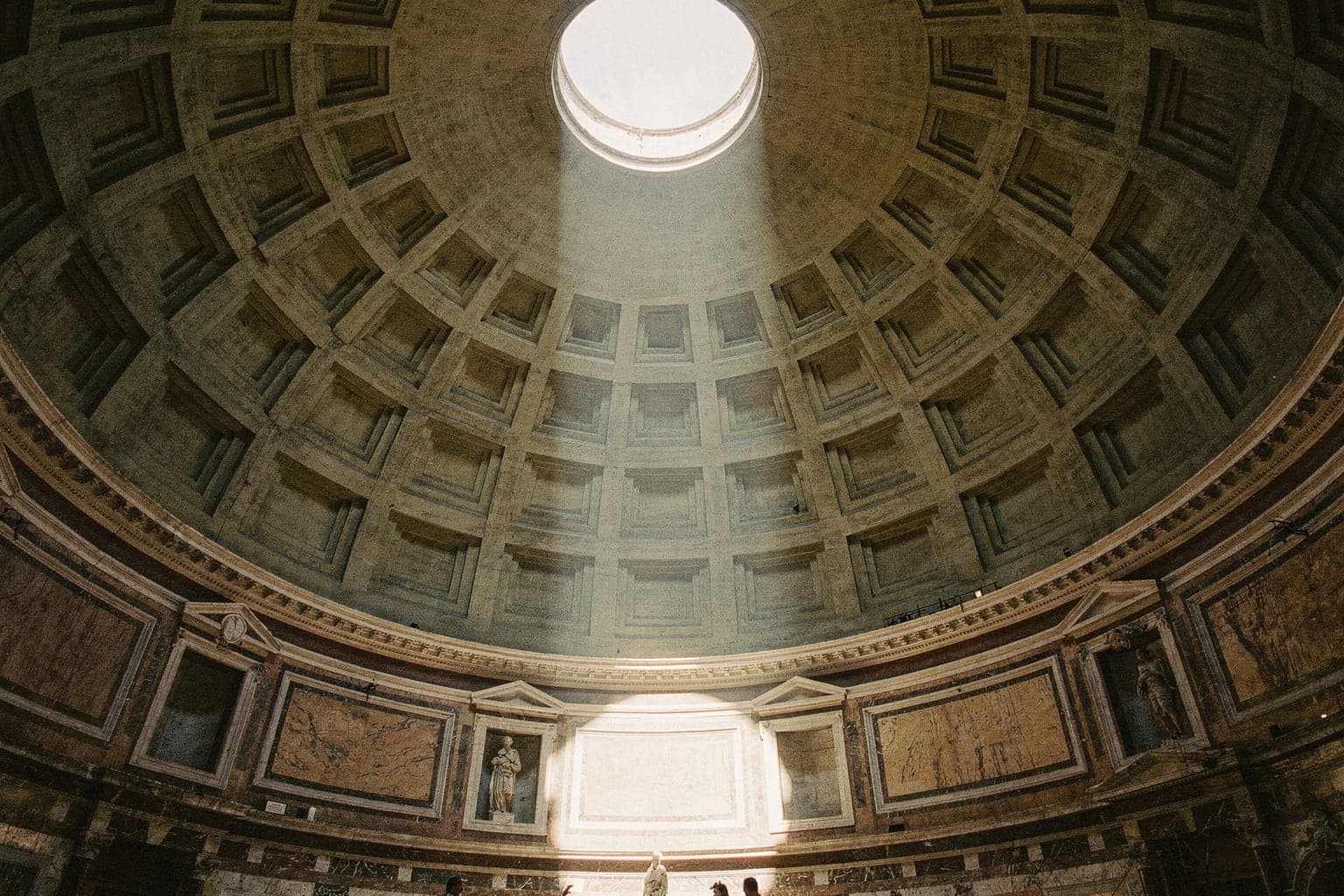
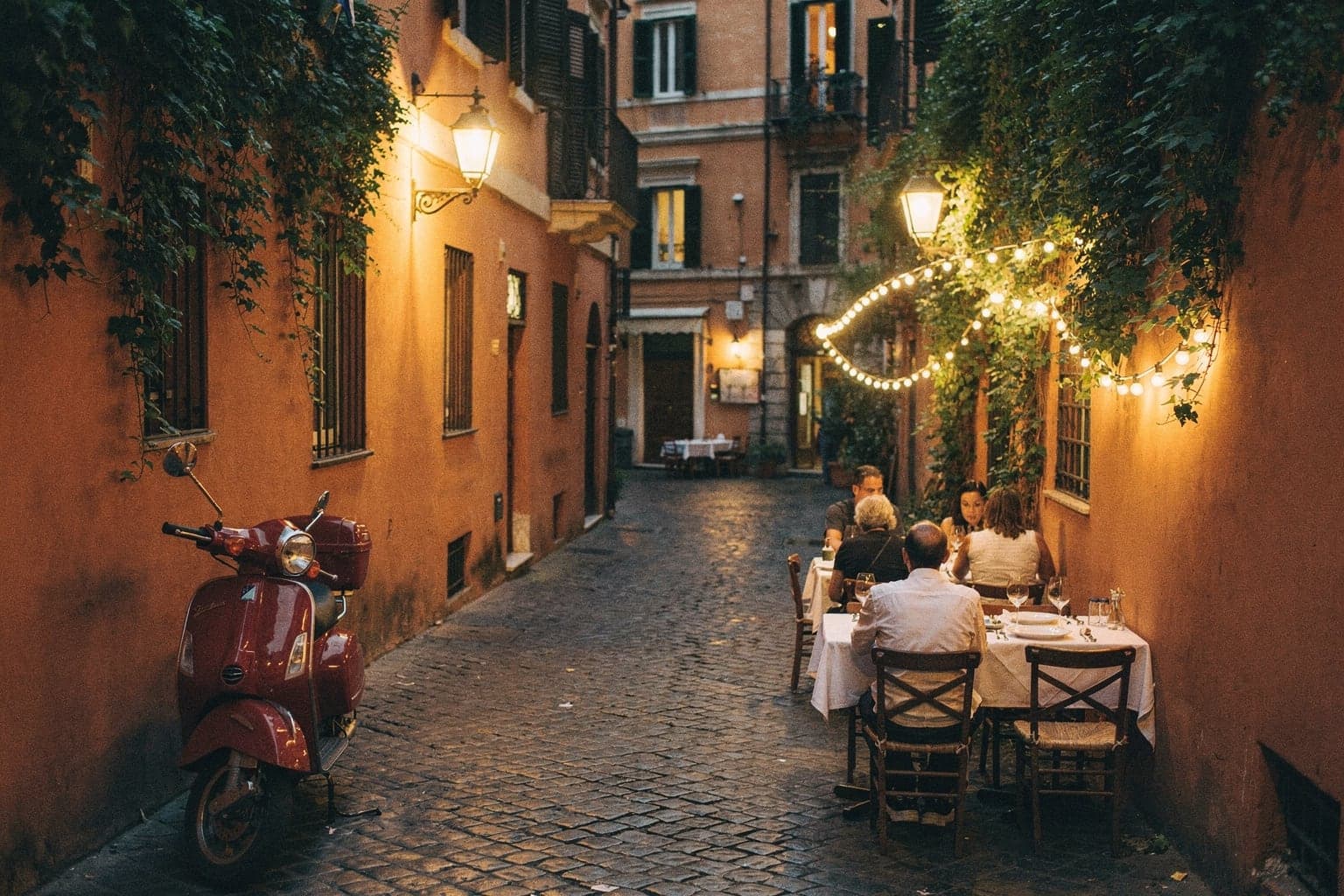
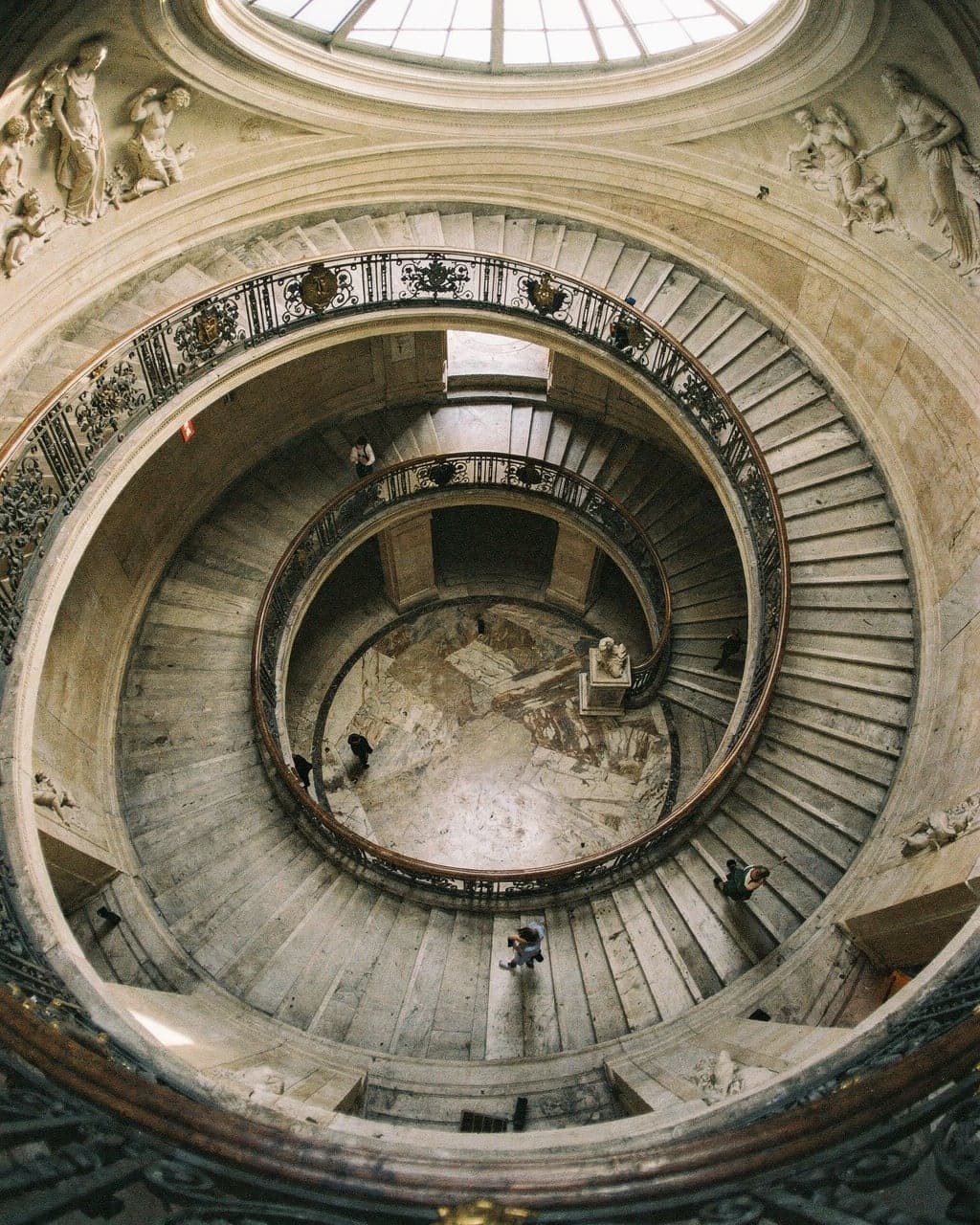
Illustration: Spike Travel (AI-assisted)
Questions people ask
Do I need to book the Colosseum in advance?
Yes. Entry is by named, timed ticket (€18, or €24 for the Full Experience), and sales open 30 days before each date. Popular morning slots go within hours. On free first Sundays you cannot book, so expect long queues.
How do I get from Fiumicino airport to central Rome?
The Leonardo Express runs non-stop to Termini in 32 minutes for €14. The FL1 regional train (€8) stops at Trastevere, Ostiense and Tiburtina. Licensed white taxis charge a fixed €55 to any address inside the Aurelian Walls.
Is the Trevi Fountain free?
Looking at it from the piazza is free. Since February 2026, getting down to the basin costs €2 from 9am to 10pm (from 11:30am on Mondays and Fridays). Rome residents do not pay.
How much is the tourist tax in Rome?
It is charged per person for the first 10 nights: €6 in a 3-star hotel, €7.50 in a 4-star and €10 in a 5-star, €6 in B&Bs and short-term rentals and €3.50 in hostels. Children under 10 are exempt.
How many days do I need in Rome?
Three full days cover the Colosseum and Forum, the Vatican and the historic centre. With five you can add the Borghese, Trastevere at leisure and a day trip to Ostia Antica or Tivoli.
Do I need ETIAS to visit Italy?
Not yet. ETIAS is not in operation and has no start date; the EU says it will announce one several months ahead. You still register in the Entry/Exit System at your first Schengen border, although Italy is still phasing in its biometric checks at some crossings.
What should I wear to the Vatican?
Cover your shoulders and knees for St Peter's Basilica and the Sistine Chapel. A light scarf and long trousers or a skirt solve it in summer.
Sources
Where the facts on this page come from. Dates show when we last checked each one.
- What is ETIAS (official EU ETIAS website)accessed Oct 12, 2026
- The Entry/Exit System will become fully operational on 10 April 2026 (European Commission)accessed Oct 12, 2026
- Nine EU countries further delay EES border checks (The Guardian, 14 September 2026)accessed Oct 12, 2026
- Visiting and living in Italy (US Mission Italy)accessed Oct 12, 2026
- Italy Travel Advisory (US Department of State)accessed Oct 12, 2026
- Italy entry requirements (UK Foreign, Commonwealth & Development Office)accessed Oct 12, 2026
- Italy travel advice (Government of Canada)accessed Oct 12, 2026
- Destinations and advice levels (Smartraveller, Australian Government)accessed Oct 12, 2026
- Travel documents for EU nationals (Your Europe, European Union)accessed Oct 12, 2026
- Travel documents for non-EU nationals (Your Europe, European Union)accessed Oct 12, 2026
- Individual tickets (Parco archeologico del Colosseo, official ticketing)accessed Oct 12, 2026
- Opening times and tickets (Parco archeologico del Colosseo)accessed Oct 12, 2026
- Colosseo, dal 18 ottobre via al biglietto nominativo (Ministero della Cultura)accessed Oct 12, 2026
- Prices and tickets (Musei Vaticani)accessed Oct 12, 2026
- Opening days and times (Musei Vaticani)accessed Oct 12, 2026
- Dome with lift, official booking (Basilica di San Pietro)accessed Oct 12, 2026
- Pantheon ticket prices (Direzione Musei nazionali della città di Roma)accessed Oct 12, 2026
- Info biglietti (Galleria Borghese, official ticket office)accessed Oct 12, 2026
- Tickets (Fontana di Trevi, Roma Capitale)accessed Oct 12, 2026
- Rome introduces Trevi Fountain access fee (Reuters, 2 February 2026)accessed Oct 12, 2026
- Applicazione nuove tariffe Contributo di Soggiorno (Roma Capitale)accessed Oct 12, 2026
- Tassa di soggiorno Roma 2026, full rate table under Delibera G.C. 255/2023 (Chekin)accessed Oct 12, 2026
- Biglietti e abbonamenti (ATAC Roma)accessed Oct 12, 2026
- Tap&Go contactless payment (ATAC Roma)accessed Oct 12, 2026
- Leonardo Express (Trenitalia)accessed Oct 12, 2026
- Fiumicino Airport taxi fares and pick-up points (Aeroporti di Roma)accessed Oct 12, 2026
- Ticket for the archaeological area of Ostia Antica (CoopCulture, official ticketing)accessed Oct 12, 2026
- Orari e biglietti, Villa Adriana e Villa d'Este (Ministero della Cultura)accessed Oct 12, 2026
- Rome climate table, Rome Ciampino 1991–2020 (Wikipedia, citing NOAA)accessed Oct 12, 2026
- Annuario statistico 2025, popolazione (Roma Capitale)accessed Oct 12, 2026
- Cost of living in Rome (Numbeo, crowd-sourced, sanity check only)accessed Oct 12, 2026
If you like Rome
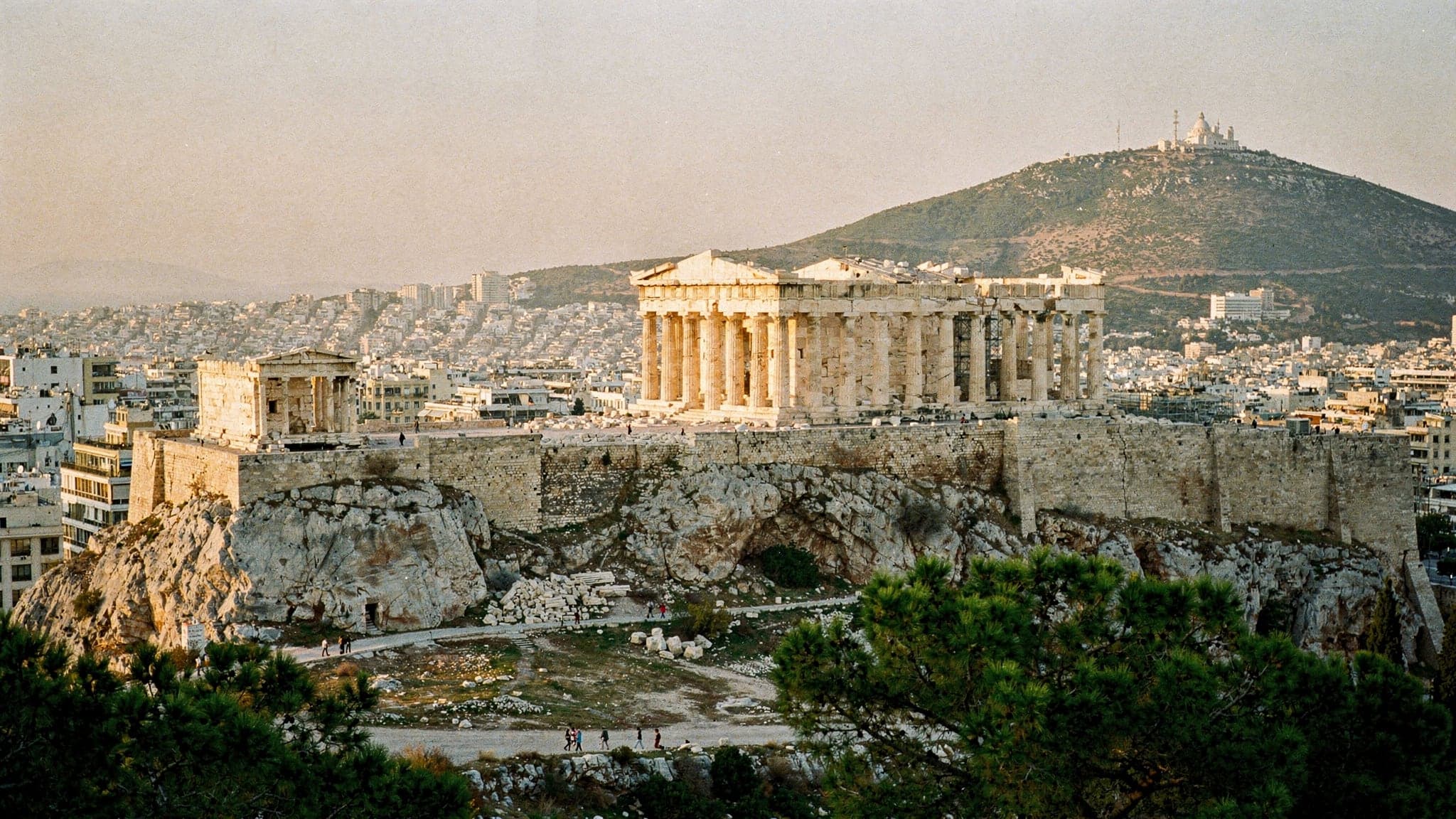
Greece
Athens
The Parthenon above the rooftops, souvlaki for under €5 and dinners that start after nine.
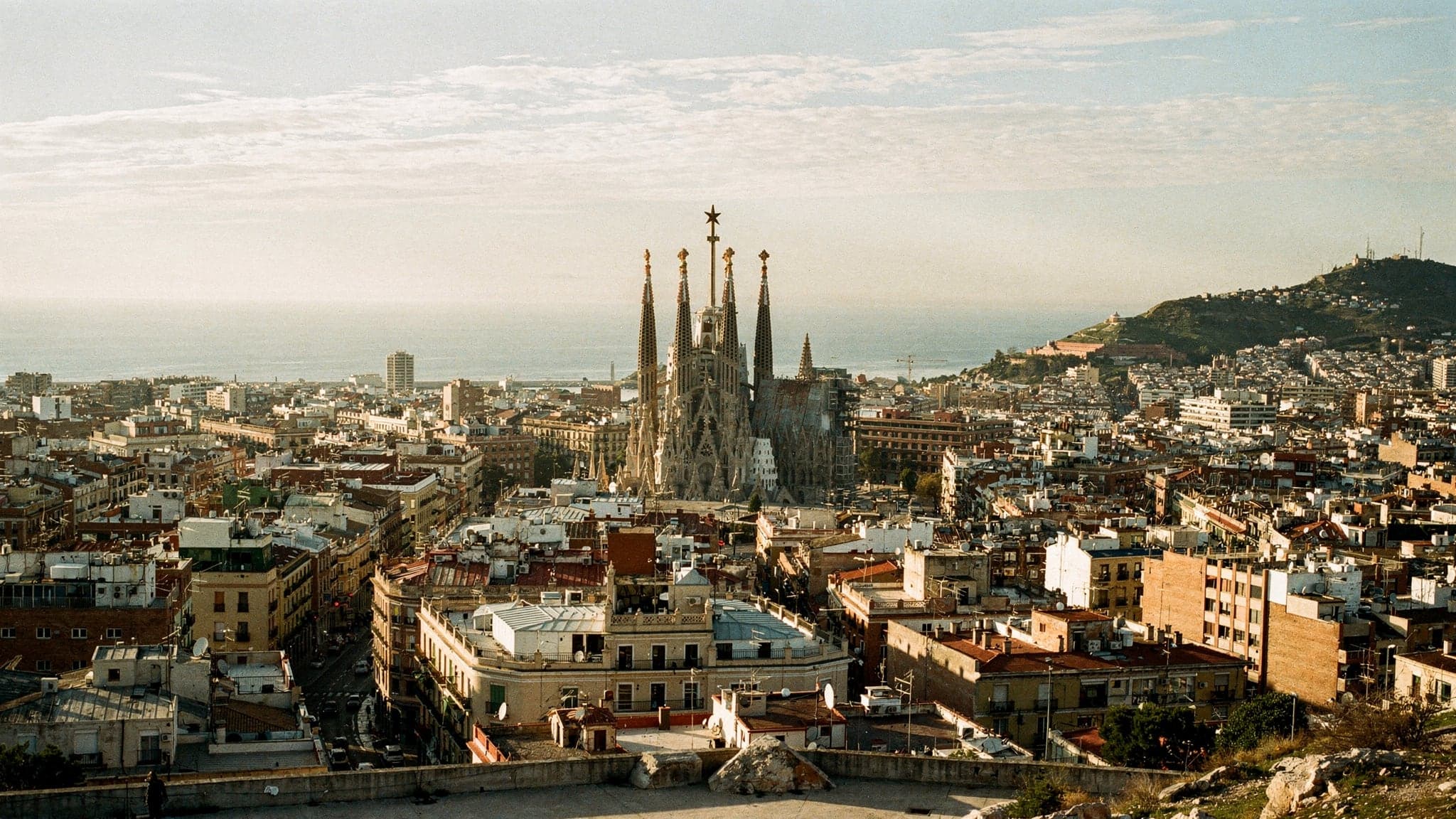
Spain
Barcelona
Gaudí on the skyline, the Mediterranean at the end of the street, and dinner that starts at ten.
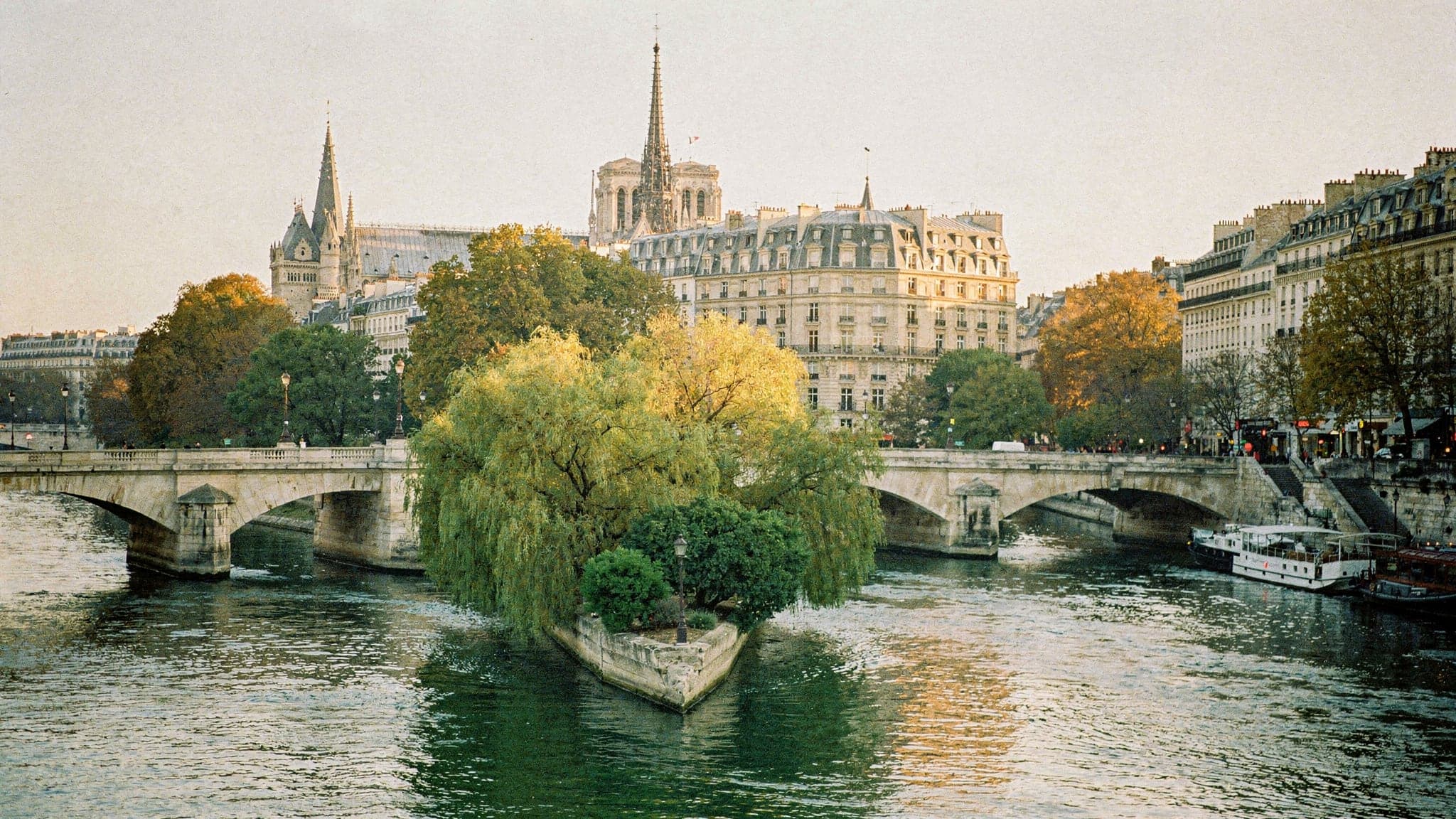
France
Paris
One river, twenty arrondissements and a city that rewards the walker far more than the queue.
Book Rome
These links go to the booking sites we would use ourselves. Nothing here is currently sponsored.
Fast facts
- Currency
- Euro (EUR)
- Languages
- Italian
- Plugs
- Type C, F, L, 230 V, 50 Hz
- Time zone
- Rome (GMT+2)
- Tap water
- Safe to drink
- Tipping
- Not expected. A listed coperto (cover charge) is normal; round up or leave a few euros for good service.
- Driving
- On the right
- Emergency
- 112
- Dialing code
- +39
- Safety
- 4/5
When to go
Best: Apr–May.
Good for
- Culture & history5/5
- Food & drink5/5
- Nature & scenery2/5
- Adventure1/5
- Beaches2/5
- Nightlife3/5
- Romance5/5
- Family-friendly3/5
- Value for money3/5
- Big-city energy4/5
- Slow & restorative2/5
- Wildlife1/5