Türkiye, Türkiye / Eastern Mediterranean
Istanbul
A commuter ferry to Asia, a sixth-century dome before lunch, and tea in a tulip glass wherever you stop.
Illustration: Spike Travel (AI-assisted)

By Spike Travel Editorial Desk, Editorial team
Published Oct 12, 2026
Disclosure: A researched briefing compiled from official sources, operator price lists and reporting, checked on 12 October 2026. No hosted travel, comps or free products were involved.
- Best time
- Apr–May, Sep–Oct
- Daily budget
- $55–400
- Safety
- 4/5
- Strongest for
- Culture & history, Food & drink, Big-city energy
Istanbul spreads across the Bosphorus, with Byzantine and Ottoman monuments on the historic peninsula and lived-in neighbourhoods on both shores. Transport is cheap and good, food is the reason many people come back, and the big sights now charge foreigners euro-level prices. This dossier covers entry rules, lira prices dated October 2026, where to stay and what to skip.
Why go
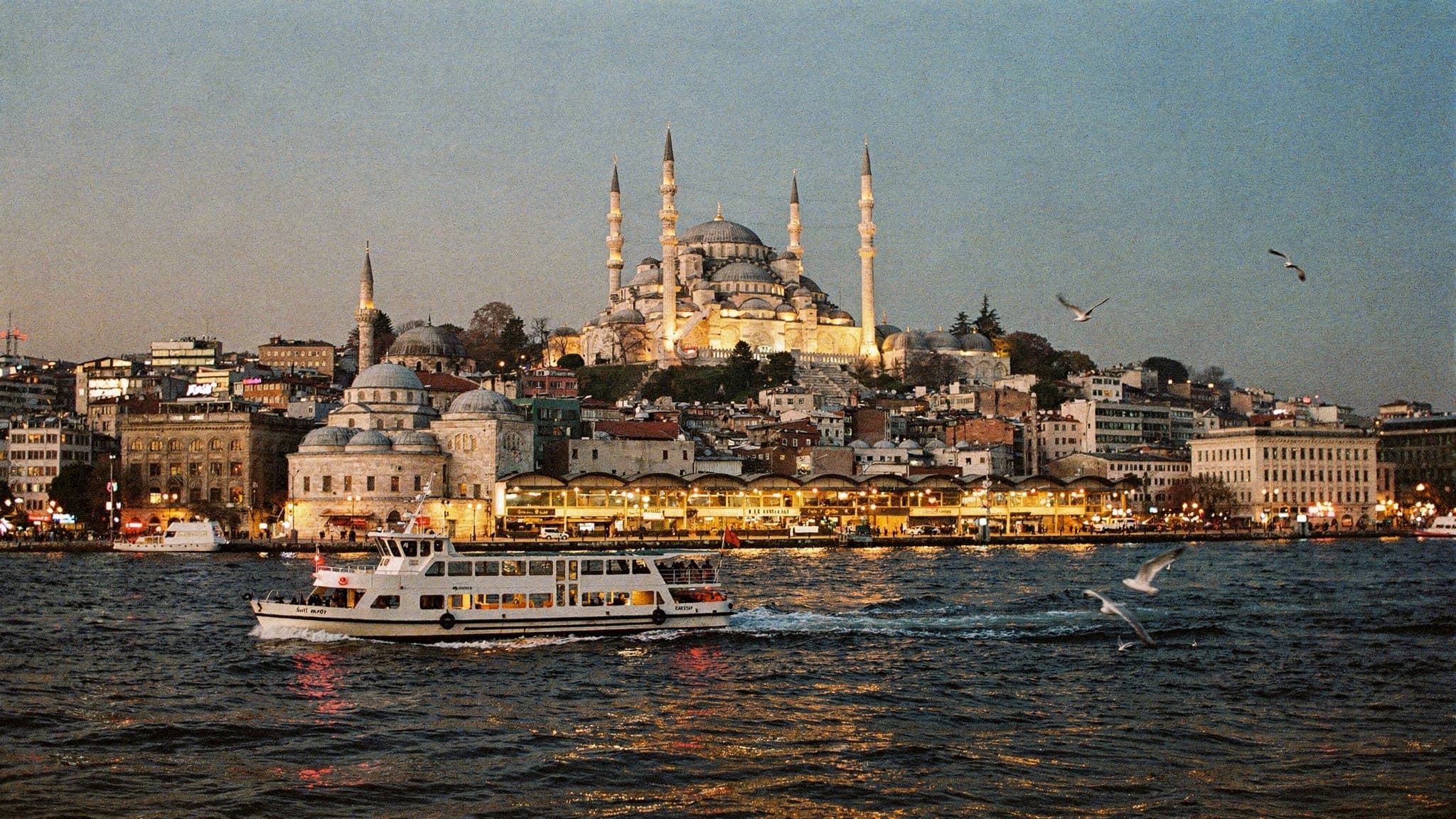
Istanbul is the city where you commute between continents. You tap a transit card at Eminönü, take a seat on the open deck of a ferry and spend twenty minutes watching tankers, gulls and minarets slide past on the way to Asia. The crossing to Kadıköy costs 65.21 lira, about $1.30.
Hagia Sophia was finished in 537 and has served as a cathedral, a mosque, a museum and, since 2020, a mosque again. Topkapı Palace was the seat of the Ottoman court for nearly four centuries. Mimar Sinan's Süleymaniye Mosque still holds the skyline above the Golden Horn. All three fit into one long day.
What brings people back is the ordinary city around the monuments. Shopkeepers send out for tea in tulip-shaped glasses while you browse, and lunch is a point-at-the-tray stew in a lokanta. Evenings stretch on in the meyhanes of Beyoğlu and Kadıköy, where meze keeps arriving until someone asks for the bill. More than 15.7 million people live here, and they fill the streets until late.
The lay of the land
Water organises everything. The Bosphorus strait divides the city into a European side and an Asian side, and the Golden Horn, a long inlet, splits the European side again.
South of the Golden Horn lies the historic peninsula, the district of Fatih. Sultanahmet sits at its eastern tip, with Hagia Sophia, the Blue Mosque, the Basilica Cistern and Topkapı Palace within ten minutes' walk of one another. Uphill to the west are the Grand Bazaar and the Süleymaniye Mosque. Further out, near the Byzantine land walls, are Fener, Balat and the Chora Mosque. Eminönü and Sirkeci line the waterfront with the ferry piers and the Spice Bazaar.
Cross the Galata Bridge and you reach Karaköy, which climbs past the Galata Tower to Beyoğlu, İstiklal Avenue and Taksim Square. North of there, the European shore of the Bosphorus runs past Dolmabahçe Palace, Beşiktaş and Ortaköy towards the Black Sea.
On the Asian side, Üsküdar and Kadıköy face the old city across the water. Kadıköy and its seaside neighbour Moda are where many young Istanbullus live, eat and go out.
Distances are large and road traffic is heavy, so plan your days by tram line and ferry route.
Areas at a glance
Sultanahmet$$$$
The monument district, with Hagia Sophia, the Blue Mosque and Topkapı within ten minutes' walk; quiet after dinner.
Best for: First-timers on a short trip
Sirkeci and Eminönü$$$$
Ferry piers, the Spice Bazaar and wholesale lanes; loud and crowded by day.
Best for: Budget stays with good transport
Karaköy and Galata$$$$
Converted warehouses, coffee bars and design hotels on steep lanes below the Galata Tower.
Best for: Couples and design-minded travellers
Cihangir and Beyoğlu$$$$
Bohemian apartment streets and cafés near İstiklal Avenue; nightlife and noise.
Best for: Nightlife and longer stays
Kadıköy and Moda$$$$
Market streets, meyhanes and a seafront promenade on the Asian side, with a mostly local crowd.
Best for: Food lovers and repeat visitors
Beşiktaş and Ortaköy$$$$
Bosphorus waterfront with palaces, five-star hotels and busy weekend cafés.
Best for: Luxury stays with water views
When to go
Spring and autumn are the best bets. From late April to early June, average highs climb from 16°C to 26°C and monthly rainfall stays under 50 mm, according to the Turkish State Meteorological Service's 1991–2020 normals. Tulip beds fill the city's parks in April, when the İKSV foundation also runs the Istanbul Film Festival. Its Istanbul Music Festival follows in June.
September and October bring warm sea air, highs of 20–25°C and thinner crowds once the school year starts. In 2027 the third and final leg of the 18th Istanbul Biennial runs from 18 September to 14 November. Rain returns in October, which averages 98 mm.
July and August average 28°C, and the humidity makes it feel hotter. Queues at the Sultanahmet sights are at their longest.
Winter is wet and grey. December averages 125 mm of rain, the most of any month, and the occasional heavy snowfall brings traffic to a halt. In return, rooms are cheaper and the mosques are quieter.
Plan around the religious holidays. Türkiye's Directorate of Religious Affairs (Diyanet) has published the 2027 dates: Ramadan begins on 8 February, Ramazan Bayramı falls on 9–11 March and Kurban Bayramı on 16–19 May. Most restaurants in central Istanbul stay open through Ramadan, and evenings turn festive around the sunset meal, iftar. During the bayram holidays, buses, flights and hotels fill with domestic travellers, and Topkapı Palace closes on the first day of Ramazan Bayramı.
Istanbul month by month
Best: Apr–May, Sep–Oct. Bars show our 1–5 rating; numbers are average daily highs in °C. The outlined bar is this month.
Month-by-month table
| Month | Rating | High / low °C | Rain mm | Note |
|---|---|---|---|---|
| January | 2/5 | 9 / 4 | 96 | Coldest month; occasional snow and the lowest room rates |
| February | 2/5 | 9 / 4 | 88 | Ramadan begins on 8 February 2027; cold and wet |
| March | 3/5 | 12 / 5 | 70 | Ramazan Bayramı on 9–11 March 2027; Topkapı closes on the first day |
| April | 5/5 | 16 / 8 | 45 | Tulip beds in the parks; İKSV's Istanbul Film Festival |
| May | 5/5 | 21 / 13 | 37 | Warm and dry; Kurban Bayramı on 16–19 May 2027 fills transport |
| June | 4/5 | 26 / 17 | 45 | Istanbul Music Festival; long evenings and growing crowds |
| July | 3/5 | 28 / 20 | 36 | Hot and humid; longest queues; the Istanbul Jazz Festival usually runs into mid-July |
| August | 3/5 | 28 / 21 | 44 | Warmest month; many locals head for the coast |
| September | 5/5 | 25 / 17 | 81 | Warm sea air; the 18th Istanbul Biennial's final leg opens on 18 September 2027 |
| October | 5/5 | 20 / 14 | 98 | Mild days, rain returning late in the month; Republic Day on 29 October |
| November | 3/5 | 15 / 9 | 101 | Wet and cheaper; the Biennial runs to 14 November 2027 |
| December | 2/5 | 11 / 6 | 125 | Wettest month; boza season at Vefa |
Late April to early June and mid-September to October bring 16–26°C days, drier streets and full ferry timetables. July and August are hot and humid, with the longest queues around Sultanahmet, while November to February is wet but cheaper. Check the religious calendar: Ramadan 2027 begins on 8 February and Kurban Bayramı falls on 16–19 May.
What it costs
On 12 October 2026 one US dollar bought about 49.3 lira, and the lira had lost roughly 16% of its value against the dollar over the previous twelve months. Prices in lira catch up in sudden steps: the standard transit fare rose from 42 to 46.20 TL on 20 July 2026, and taxi tariffs went up the same week.
Everyday life is good value. A metro, tram or bus ride costs 46.20 TL ($0.94) on an Istanbulkart. A simit from a street cart costs 30 TL, and a small glass of tea in a neighbourhood tea house about 20 TL. Crowd-sourced Numbeo data puts a cheap restaurant meal at around 600 TL ($12) and a three-course dinner for two in a mid-range restaurant at about 2,750 TL ($56).
The big sights are where the money goes. Foreign visitors pay separate prices, often set in euros: Hagia Sophia is €25, Galata Tower €30 and the Chora Mosque €20, while Topkapı Palace's combined ticket costs 2,750 TL ($56) and Dolmabahçe 2,000 TL ($41). Add the Basilica Cistern and a first-timer can spend about $200 on entry tickets alone.
Alcohol is the other surprise: it is heavily taxed, and a pint of local draught averages around 235 TL ($4.80) in bars on Numbeo's figures.
Loading tool…
What a day costs
Shoestring
$55
per person, per day, no flights
Mid-range
$140
per person, per day, no flights
Luxury
$400
per person, per day, no flights
Shoestring is a dorm bed, lokanta lunches, street food and transit, with a paid sight every other day. Mid-range buys a boutique or 3-star double in Sultanahmet or Karaköy shared by two, sit-down dinners with a drink, some taxis and the main museums. Luxury covers a Bosphorus-side five-star, private guides and tasting menus. Prices dated 12 October 2026, at about 49.3 lira to the US dollar.
| Item | Local price | ≈ USD | Note |
|---|---|---|---|
| Tea (çay) in a neighbourhood tea house | about 20 TL | $0.4 | Smart cafés charge 70–100 TL or more |
| Simit from a street cart | 30 TL | $0.6 | Istanbul price since late September 2026 |
| Local draught beer (pint) in a bar | about 235 TL | $4.8 | Numbeo crowd-sourced average, October 2026 |
| Cheap restaurant or lokanta meal | about 600 TL | $12 | Numbeo crowd-sourced average |
| Mid-range dinner for two (three courses, no drinks) | about 2,750 TL | $56 | Numbeo crowd-sourced average |
| Metro, tram or bus ride | 46.20 TL | $0.94 | Istanbulkart full fare from 20 July 2026; single-use ticket 65 TL |
| Istanbulkart card | 165 TL | $3.35 | Card fee only; load credit separately |
| Taxi from Istanbul Airport to Sultanahmet | about 2,500 TL plus tolls | $51 | Meter estimate for about 50 km at the July 2026 tariff; the Havaist coach is 420 TL |
| Hostel dorm bed | about €18 (1,000 TL) | $20 | Hostelworld city average |
| 3-star double in Sultanahmet | about 3,000–4,000 TL | $71 | Shoulder-season rates; higher in May, June, September and October |
| Hagia Sophia visitor ticket | €25 | $28 | Charged in lira at the booth's rate; Topkapı's combined ticket is 2,750 TL |
| Turkcell tourist SIM (20 GB) | 1,800 TL | $36.5 | Includes 200 minutes and 100 texts |
| Long Bosphorus Tour by public ferry (return) | 640 TL | $13 | Foreign-visitor fare on Şehir Hatları |
Prices verified Oct 12, 2026. Exchange rates move; treat USD as a guide.
Build a budget for IstanbulGetting there and around
Most long-haul flights land at Istanbul Airport (IST), far out on the European side near the Black Sea coast. The M11 metro leaves from beneath the terminal and reaches Gayrettepe in about half an hour, where you change to the M2 for Taksim, Şişhane and the old city. The gates charge an Istanbulkart the line's full 73.19 TL and refund the difference when you tap out. Since 20 June 2026 the M11 also runs south to Halkalı, where it meets Marmaray trains to Sirkeci. Havaist coaches go to Sultanahmet for 420 TL and to Taksim for 470 TL. A taxi to Sultanahmet costs roughly 2,500 TL on the meter, plus tolls and traffic time.
Sabiha Gökçen Airport (SAW), on the Asian side, is the hub for low-cost airlines such as Pegasus. The M4 metro runs from the terminal to Kadıköy in about 52 minutes for a single 46.20 TL fare, and ferries cross from Kadıköy to Eminönü and Karaköy.
In town, buy an Istanbulkart (165 TL) from the machines at metro stations and piers, then top it up. A first ride costs 46.20 TL, and transfers within two hours get cheaper, falling to 17.18 TL from the third. A contactless bank card works at many gates but pays the 65 TL single-ticket rate.
The T1 tram is the visitor's workhorse, linking Sultanahmet, Sirkeci, Eminönü, Karaköy and Kabataş. The F1 funicular climbs from Kabataş to Taksim, and the 19th-century Tünel railway runs from Karaköy up to the bottom of İstiklal Avenue.
Taxis are metered at 71.94 TL plus 47.92 TL per kilometre, with a 230 TL minimum. Book through BiTaksi or Uber, which dispatches licensed cabs in Istanbul, so you have a record of the route and fare. Walking works within districts, but the hills are steep and the pavements uneven.
Arriving and moving around
- ISTIstanbul Airport. To the centre: M11 metro to Gayrettepe in about 30 min, then the M2 (Istanbulkart charged 73.19 TL, refunded on exit by distance); Havaist coach to Sultanahmet 420 TL; taxi about 2,500 TL plus tolls
- SAWSabiha Gökçen Airport. To the centre: M4 metro to Kadıköy in about 52 min for one 46.20 TL fare, then a ferry to Eminönü or Karaköy; airport coach to Taksim 485 TL
Buy an Istanbulkart (165 TL) from a machine at any metro station or ferry pier and top it up with cash or card. A first ride costs 46.20 TL and transfers within two hours get cheaper, down to 17.18 TL; one card can be tapped for each person in your group. Contactless bank cards work at many gates but pay the 65 TL single-ticket rate. The T1 tram links Sultanahmet, Eminönü, Karaköy and Kabataş, the M2 metro runs through Taksim, Marmaray trains tunnel under the Bosphorus, and ferries are the best way between the shores. Taxis are metered (71.94 TL plus 47.92 TL per km, 230 TL minimum); book through BiTaksi or Uber, which dispatches licensed cabs here, to keep a record. The old city is walkable but hilly, with uneven pavements and few step-free routes.
Where to stay
On a short first trip, stay in Sultanahmet. You can walk to the big sights before the tour groups arrive, and the streets go quiet after dinner. The trade-off is touristy restaurants and touts on the main squares.
Sirkeci and Eminönü, a few minutes downhill, are cheaper and closer to the ferries, the tram and Marmaray. They are loud and crowded by day and flat in the evening.
Karaköy and Galata suit couples and anyone who likes design hotels, coffee bars and a walk across the Galata Bridge to the old city. Expect steep lanes and stairs everywhere.
Cihangir and the lanes off İstiklal Avenue in Beyoğlu are the choice for nightlife and apartment stays. Pick a street away from the bars if you want to sleep.
Kadıköy and Moda put you among the city's best food streets and a mostly local crowd, with a ferry commute to the sights. Luxury hotels line the Bosphorus at Beşiktaş and Ortaköy.
Avoid the wholesale districts of Laleli and Aksaray, which have cheap rooms but little else for visitors, and listings that say "Istanbul" but sit out near the airports. Check the map before you book.
Places we'd book
- Check rates
Cheers HostelBudgetSultanahmet
A long-running hostel a minute from Hagia Sophia, with dorms, private rooms and a roof terrace bar.
- Check rates
Sirkeci MansionMid-rangeSirkeci
A family-run hotel beside Gülhane Park, near the tram and Marmaray, that lists free cooking classes and city walks among its extras.
- Check rates
Hotel Empress ZoeMid-rangeSultanahmet
A small, quiet hotel on a lane just below Hagia Sophia, known for its garden courtyard.
- Check rates
Witt Istanbul SuitesMid-rangeCihangir
Apartment-style suites with kitchenettes on a Cihangir side street, rated 9.4 by Booking.com guests.
- Check rates
Four Seasons Hotel Istanbul at SultanahmetLuxurySultanahmet
A former prison building turned courtyard hotel between Hagia Sophia and the Blue Mosque.
- Check rates
Pera Palace HotelSomething differentBeyoğlu (Tepebaşı)
Opened in 1892 for Orient Express passengers and restored as a grand hotel above the Golden Horn.
What to do
Start early at Hagia Sophia. Foreign visitors enter by a separate gate opposite the Sultan Ahmed III Fountain, pay €25 and follow a ramp to the upper gallery, from where you look down into the prayer hall and see the Byzantine mosaics up close. The visitor route closes from 12:00 to 14:00 on Fridays, and women need a headscarf, sold at the booth for €1. Across the square, the Blue Mosque is free but closes to sightseers during prayers.
Topkapı Palace needs three hours. The 2,750 TL combined ticket covers the courtyards, the Treasury, the Harem and the Byzantine church of Hagia Irene. The palace is closed on Tuesdays and the ticket office shuts at 17:00. Underground nearby, the sixth-century Basilica Cistern lights its forest of columns and two Medusa-head bases. Foreigners paid between 1,950 and 2,400 TL for a day ticket in reports from 2026, with dearer evening sessions.
Then climb to the Süleymaniye Mosque, Mimar Sinan's 1550s masterpiece, for a quieter courtyard and a free terrace view over the Golden Horn. Walk down through the workshop lanes to the Spice Bazaar, or across to the Grand Bazaar, which has traded since the 1460s and closes on Sundays.
Give one day to the water. Şehir Hatları's long Bosphorus tour leaves Eminönü at 10:35, sails to Anadolu Kavağı near the Black Sea and gives you about two and a half hours ashore to climb to Yoros Castle and eat fish before the return. Foreigners pay 640 TL return. Another day, Dolmabahçe Palace (closed Mondays, 2,000 TL) shows how the sultans lived after they left Topkapı in 1856.
Further out, the Chora Mosque (€20) holds 14th-century mosaics and frescoes that rank among the finest Byzantine art anywhere. Pair it with a wander through the former Greek and Jewish quarters of Fener and Balat. Galata Tower (€30) has the classic view and a long queue around sunset. For a hammam, Çemberlitaş Hamamı, a Sinan building opened in 1584, charges 4,050 TL for entry with a scrub and foam wash.
For a day trip, take a ferry from Kabataş to the Princes' Islands for 151.23 TL each way. Private cars are banned on the islands, and Büyükada's wooden mansions and pine hills are best seen by bike or on foot. Avoid summer weekends, when the boats are packed.
The shortlist
Hagia SophiaSee
Justinian's great church, finished in 537, has been a mosque again since 2020. Foreign visitors enter by a separate gate and follow a ramp to the upper gallery, looking down into the prayer hall and passing the Byzantine mosaics up close.
€25 at the booth opposite the Sultan Ahmed III Fountain or online; 09:00–19:30 in winter, from 08:00 April–September; visitor route closed 12:00–14:00 on Fridays; headscarf required for women (€1); no Museum Pass
Book ticketsTopkapı PalaceSee
The Ottoman court's palace for nearly four centuries: shaded courtyards, the Imperial Treasury, the relic rooms and the tiled apartments of the Harem. Allow at least three hours.
2,750 TL combined ticket (palace, Harem and Hagia Irene); closed Tuesdays; ticket office 09:00–17:00; closed on the first day of Ramazan Bayramı
Book ticketsBasilica CisternSee
A sixth-century underground reservoir of 336 columns, walked on raised platforms above shallow water, with two Medusa-head column bases at the far end.
Foreigners paid 1,950–2,400 TL for a day ticket in 2026 reports (the operator's site was unreachable when we checked); evening sessions cost more; 09:00–22:00 with a break around 18:30–19:30
Book ticketsSüleymaniye MosqueSee
Mimar Sinan's 1550s masterpiece on the third hill, calmer than the Blue Mosque, with a courtyard terrace that looks over the Golden Horn to Galata.
Free; closed to sightseers at prayer times; cover shoulders and knees, women cover hair
Grand Bazaar and Spice BazaarDo
The Grand Bazaar has traded since the 1460s across dozens of covered streets and inner courtyards; the Spice Bazaar by the Eminönü piers dates from the 1660s.
Grand Bazaar Mon–Sat 08:30–19:00, closed Sundays and religious holidays; Spice Bazaar daily 08:00–19:30; haggle for carpets and leather, not for food sold by weight
Long Bosphorus Tour by public ferryDo
Şehir Hatları's ferry sails from Eminönü past Ortaköy, Bebek and the Rumeli Fortress to Anadolu Kavağı near the Black Sea, with about two and a half hours ashore for fish and the climb to Yoros Castle.
640 TL return for foreign visitors; departs Eminönü 10:35; for a short version, take the 58–65 TL commuter ferry to Üsküdar or Kadıköy
Book ticketsDolmabahçe PalaceSee
The 19th-century Bosphorus palace the sultans moved to from Topkapı in 1856, all chandeliers and gilt, where Atatürk died in 1938.
2,000 TL for the Selamlık, Harem and Painting Museum; closed Mondays; ticket office 09:00–17:00
Book ticketsChora Mosque, Fener and BalatSee
The Chora's 14th-century mosaics and frescoes rank among the finest Byzantine art anywhere. Pair it with a walk downhill through the old Greek and Jewish quarters of Fener and Balat.
€20 for foreign visitors; open to tourists roughly 09:00–18:00, closed at prayer times
Galata TowerSee
A medieval Genoese stone tower with a narrow balcony that circles the top, looking across the Golden Horn to the mosques of the old city.
€30, or covered by Museum Pass İstanbul (enter by 18:14 on the pass); the queue is longest around sunset
Book ticketsÇemberlitaş HamamıExperience
A double bathhouse by Mimar Sinan, opened in 1584, with separate men's and women's sides and a heated marble platform under each dome.
3,200 TL entry; 4,050 TL with scrub and foam wash; 5,200 TL with a 30-minute oil massage; daily 06:00–00:00
Kadıköy market streetsEat
The lanes around the Kadıköy ferry terminal sell fish, pickles, cheese, coffee and meze, and Çiya Sofrası serves dishes collected from across Anatolia.
Ferry from Eminönü or Karaköy for 65.21 TL; go hungry at lunchtime
Princes' IslandsDay trip
Car-free islands in the Sea of Marmara. On Büyükada, the largest, wooden Ottoman-era mansions give way to pine hills you can walk or cycle.
Şehir Hatları ferry from Kabataş, 151.23 TL each way on an Istanbulkart; avoid summer weekends
Book tickets
Eat and drink
Mornings start with a simit from a street cart, or with a full Turkish breakfast of cheeses, olives, eggs, honey and kaymak, the local clotted cream. Lunch is the hour of the lokanta, where you point at stews, stuffed vegetables and pilafs kept warm in steam trays. Çiya Sofrası in Kadıköy, founded by chef Musa Dağdeviren, serves regional Anatolian dishes you will struggle to find elsewhere.
In the old city, Tarihi Sultanahmet Köftecisi Selim Usta has served plain grilled beef köfte on Divanyolu since 1920; order them with piyaz, a white-bean salad. Pandeli, founded in 1901 and above the Spice Bazaar's entrance since the 1950s, does hünkar beğendi, lamb on smoky aubergine purée. Near the Eminönü piers, stands sell balık ekmek, grilled fish in bread with onion and lettuce.
Evenings belong to the meyhane. A meal means cold meze first, then fish or grilled meat, with aniseed rakı diluted with water and ice. The lanes of Asmalımescit in Beyoğlu and Kadıköy's market quarter are full of them. For sweets, Karaköy Güllüoğlu sells baklava by weight, and in winter Vefa Bozacısı, open since 1876, serves boza, a thick fermented millet drink topped with cinnamon and roasted chickpeas.
Tea is offered constantly, and accepting a glass in a shop puts you under no obligation to buy. Tip 5–10% in cash at sit-down restaurants. Shops stop selling alcohol at 22:00, though licensed bars and restaurants keep serving. During Ramadan, eat and drink discreetly by day in conservative neighbourhoods.
Order this
Simit
A sesame-crusted bread ring sold from street carts from early morning, best with a glass of tea.
Try it at: Any street cart; 30 TL in October 2026.
Köfte with piyaz
Plain grilled beef meatballs served with a white-bean and onion salad and pickled chillies.
Try it at: Tarihi Sultanahmet Köftecisi Selim Usta on Divanyolu, open since 1920.
Lokanta lunch
Stews, stuffed vegetables and pilafs kept warm in steam trays; you point at what you want.
Try it at: Çiya Sofrası in Kadıköy, founded by chef Musa Dağdeviren.
Hünkar beğendi
Lamb stew served on a smoky aubergine purée enriched with cheese.
Try it at: Pandeli, founded in 1901 and above the Spice Bazaar's entrance since the 1950s.
Meze and rakı
Cold plates of white cheese, melon, fava and smoked aubergine, eaten slowly with aniseed rakı diluted with water and ice.
Try it at: The meyhanes of Asmalımescit in Beyoğlu and Kadıköy's market quarter.
Baklava
Fine layers of pastry with pistachio or walnut and syrup, sold by weight.
Try it at: Karaköy Güllüoğlu, a long-standing baklava house in Karaköy.
Boza
A thick, slightly sour fermented millet drink topped with cinnamon and roasted chickpeas, a winter habit.
Try it at: Vefa Bozacısı, selling boza since 1876.
Practicalities
Money and cards. Cards work almost everywhere, including transit top-up machines. Carry lira in cash for tea houses, tips, street food and small lokantas, and use bank ATMs.
Data. Turkcell's Tourist Welcome Pack costs 1,800 TL for 20 GB, 200 minutes and 100 texts, and the other networks sell similar packs. A foreign phone can use a Turkish SIM for up to 120 days without registration.
Water and power. Tap water is treated, but most residents drink bottled or filtered water, and you should too. Sockets are types C and F at 230 V, 50 Hz.
Safety specifics. Pickpocketing and street robbery are common in the main tourist areas, so keep phones out of back pockets on crowded trams and in the bazaars. Carry your passport: photo ID is a legal requirement and police run checks in busy areas. Stay away from demonstrations. Istanbul sits in an earthquake zone, and a magnitude 6.2 quake in the Sea of Marmara in April 2025 was felt strongly across the city.
Laws and etiquette. In mosques, take off your shoes, cover shoulders and knees, and women cover their hair; don't photograph people praying. Insulting Atatürk, the flag, the state or "religious feelings" is a criminal offence, including on social media. Some common medicines, among them codeine and pseudoephedrine cold remedies, can lead to arrest, so carry prescriptions.
LGBTQ+ travellers. Same-sex activity between adults is legal, but relationships are not widely accepted outside parts of the big cities and have no legal recognition. Authorities have banned or broken up Pride events since 2015 and have carried out operations against LGBTQ+ groups. Australia's Smartraveller advises everyone to avoid public displays of affection.
Accessibility. The old city is hilly and cobbled, with few dropped kerbs. Hagia Sophia's visitor ramps and stairs are not suitable for wheelchair users, who are directed to the Turkish-citizen entrance with their ticket. Havaist runs accessible midibuses from the airport if you ask at its counter at least an hour ahead.
Phrases. Merhaba (hello). Lütfen (please). Teşekkür ederim (thank you). Ne kadar? (how much?). Hesap, lütfen (the bill, please).
Entry rules by passport
| Passport | Rule | Max stay | Notes | Checked |
|---|---|---|---|---|
| United States | Visa-free | 90 days in any 180 | Ordinary passports have been exempt since December 2023 for tourism and business. The State Department asks for six months' passport validity beyond entry and one blank page. Get entry and exit stamps. | Oct 12, 2026 |
| United Kingdom | Visa-free | 90 days in any 180 | British citizen passports only; other British passport types need a visa from a Turkish mission. Your passport must be valid for at least 150 days from arrival, with one blank page. | Oct 12, 2026 |
| EU/Schengen | Visa-free (Cyprus excepted) | 90 days in any 180 | All EU and Schengen states are exempt except Republic of Cyprus passports, which need an e-Visa or a consular visa (visas on arrival for them ended on 2 January 2026). Germany, France, Italy, Spain, the Netherlands, Belgium, Greece, Portugal, Luxembourg, Malta, Switzerland and Liechtenstein nationals can enter on a national ID card. | Oct 12, 2026 |
| Canada | Visa-free | 90 days in any 180 | Exempt since December 2023. Your passport must be valid for at least 150 days from entry. After a 90-day stay you must spend 90 days outside Türkiye before another visa-free visit. | Oct 12, 2026 |
| Australia | Visa-free | 90 days in any 180 | Exempt for tourism and transit since 17 April 2026; before that Australians needed an e-Visa, so ignore older advice and third-party e-Visa sites. Official passports still need a visa. | Oct 12, 2026 |
Entry rules change without notice. Confirm with the official source linked in the Checked column before you travel.
Safety: 4/5
Istanbul is a large, heavily policed city where most visits pass without trouble, and violent crime against tourists is uncommon. The everyday risks are pickpocketing and street robbery in the main tourist areas, confidence tricks that end in a bar bill, and unmetered taxis. The US rates Türkiye Level 2 (exercise increased caution) for terrorism, armed conflict and arbitrary detentions, and the UK notes frequent demonstrations that police disperse with tear gas and water cannon. Carry your passport, since photo ID is a legal requirement. Counterfeit spirits containing methanol have killed visitors, so buy alcohol only from licensed venues.
- The friendly stranger who suggests a bar or nightclub in Beyoğlu, where hostesses join you and the bill runs to thousands of lira.
- Drink spiking by new acquaintances; buy your own drinks and keep them in sight.
- Taxi drivers who skip the meter or take a long route; book through an app or note the plate.
- Shop introductions from helpful locals around Sultanahmet who happen to have a cousin selling carpets.
- Third-party e-Visa websites charging fees for a visa that the five passports in this guide do not need.
Fast facts
- Currency
- Turkish lira (TRY)
- Languages
- Turkish
- Plugs
- Type C, F, 230 V, 50 Hz
- Time zone
- Istanbul (GMT+3)
- Tap water
- Generally safe; locals often filter
- Tipping
- Leave 5–10% in cash at sit-down restaurants and round up taxi fares; tea and counter service need no tip.
- Driving
- On the right
- Emergency
- 112
- Dialing code
- +90
- Safety
- 4/5
What nobody tells you
Istanbul is no longer a cheap city for sightseeing. Ferries and kebabs cost little, but the headline sights charge foreigners several times what residents pay, often in euros. Budget for that or choose fewer, better visits.
As a working mosque, Hagia Sophia shows tourists the interior from the upper gallery on a one-way route, and the prayer hall below is for worshippers. Go at opening, and skip it on Friday around midday.
Queues are partly about security. Passes and skip-the-line tickets skip the ticket line only; everyone joins the bag scan, so peak-hour waits at Topkapı and the cistern are hard to avoid.
The hills are real. The climb from Karaköy to İstiklal Avenue is steep enough that the Tünel railway was built for it in the 1870s; use it, and the funicular from Kabataş to Taksim.
The lira moves. Prices here were checked on 12 October 2026, and lira prices will probably have risen by the time you travel, even if the dollar cost has not. At fish restaurants without menus, ask the price before you order.
Taxis remain the weak link. Some drivers refuse short trips or the meter around Sultanahmet and Taksim at night, so use an app and note the plate.
Insider tips
- Top up an Istanbulkart instead of tapping a bank card: contactless cards pay the 65 TL single-ticket rate against 46.20 TL on the Istanbulkart.
- Topkapı closes on Tuesdays, Dolmabahçe on Mondays and the Grand Bazaar on Sundays; build your days around those three.
- For the cheapest Bosphorus cruise, ride the commuter ferry from Eminönü to Üsküdar or Kadıköy at sunset for 58–65 TL.
- Shops cannot sell alcohol between 22:00 and 06:00, so buy wine for the hotel before ten; licensed bars and restaurants keep serving.
- Hagia Sophia's visitor route closes from 12:00 to 14:00 on Fridays, and every mosque pauses sightseeing at prayer times; check a prayer-time app.
- Museum Pass İstanbul (€105) pays off only if you add Galata Tower and the Archaeology Museums to Topkapı; it does not cover Hagia Sophia or the Basilica Cistern.
- Ask the price before you order at fish restaurants without a menu; fish is often sold by weight.
Skip it
- Hailing taxis at the Sultanahmet tram stops or outside the Grand Bazaar at closing time, when refusals to use the meter are most common; walk a block or use an app.
- Dinner-and-show Bosphorus cruises that sell a buffet and a floor show; the public ferry shows you more of the strait for a fraction of the price.
- Demonstrations and big gatherings around Taksim Square; police use tear gas and water cannon.
- Hagia Sophia tours sold as including the ground floor; tourists follow the same upper-gallery route as everyone else.
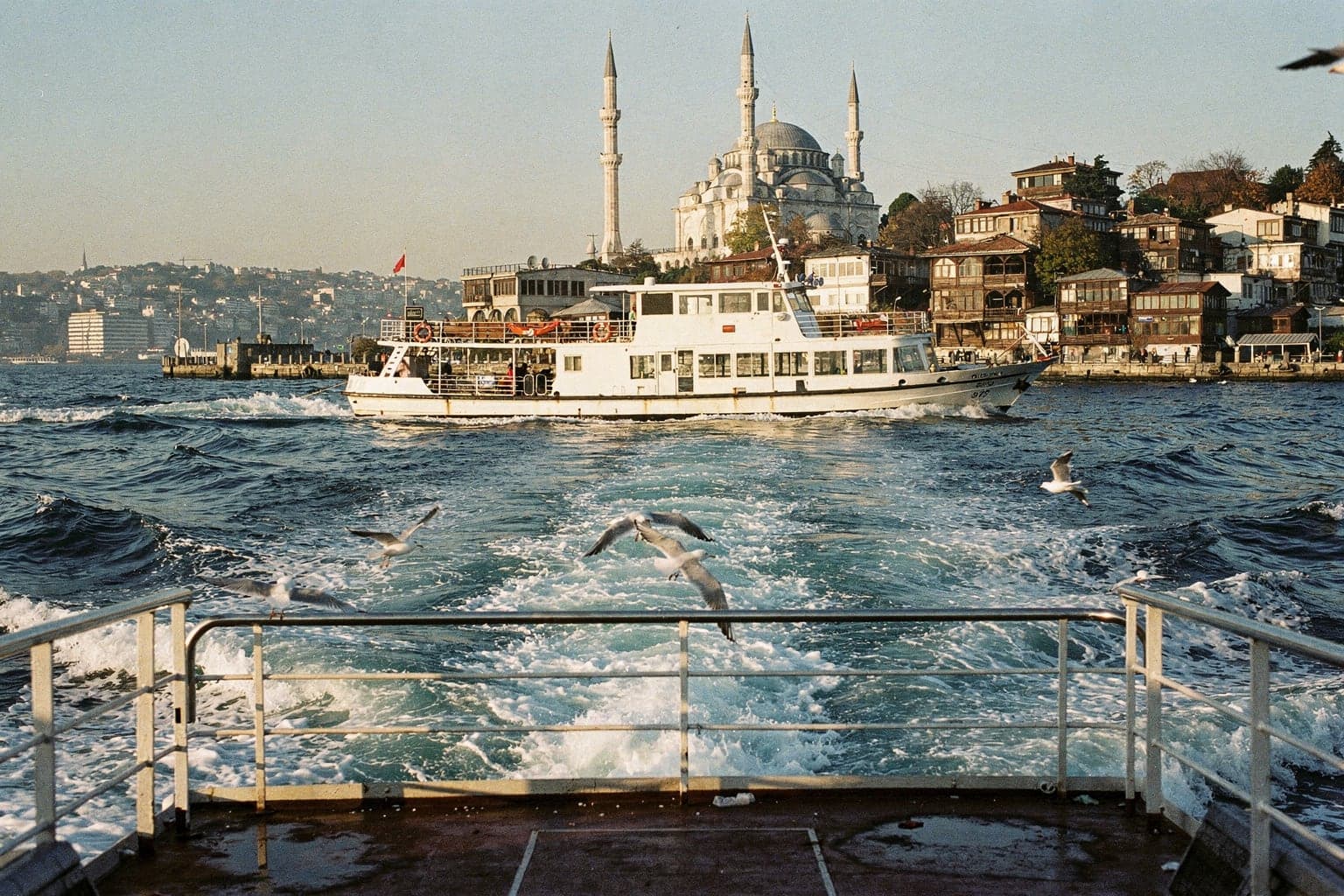
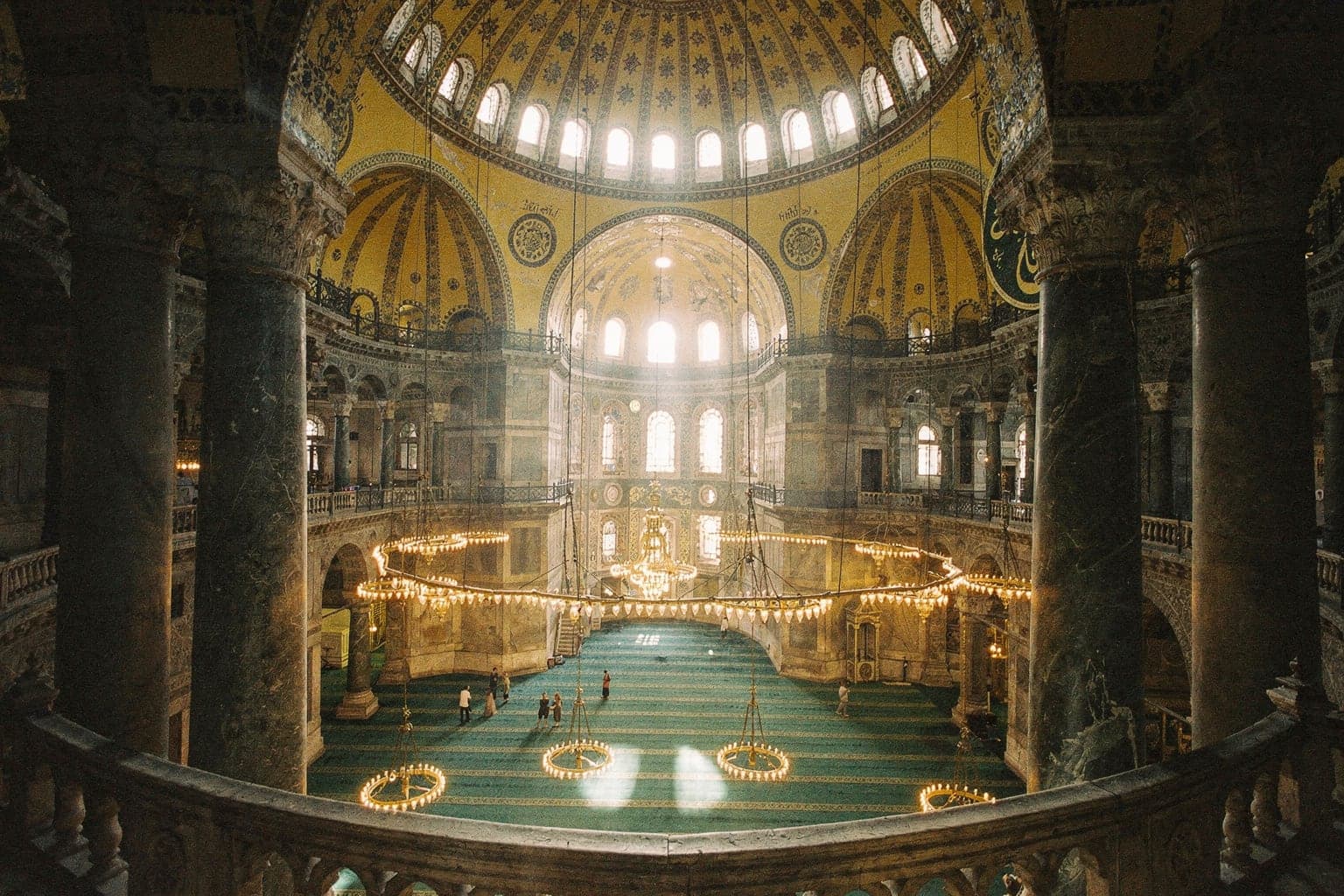
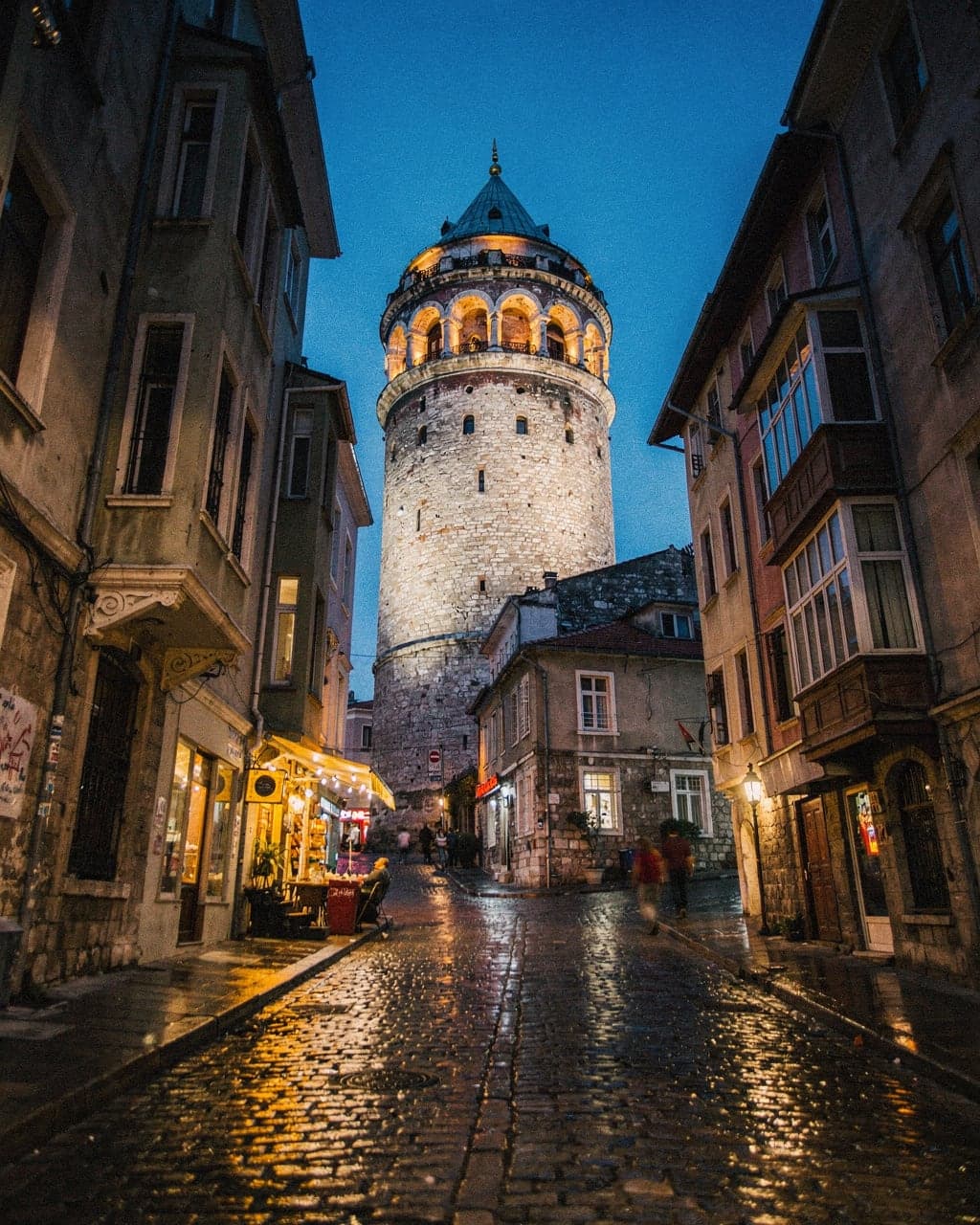
Illustration: Spike Travel (AI-assisted)
Questions people ask
Do I need a visa for Türkiye?
Not for stays of up to 90 days in any 180 if you hold a US, UK, Canadian, Australian or EU/Schengen passport; Republic of Cyprus passports are the exception. Australians became visa-exempt on 17 April 2026. Allow at least 150 days of passport validity on arrival and check your own government's advice before you fly.
Is Istanbul safe for tourists?
Generally, yes. The main problems are pickpocketing, bar and taxi scams, protests and a background terrorism risk. The US rates Türkiye Level 2, exercise increased caution. Avoid demonstrations, keep your passport with you and buy alcohol only from licensed venues.
How many days do you need in Istanbul?
Three full days covers the historic peninsula, a Bosphorus ferry and an evening in Kadıköy. Five days lets you add Dolmabahçe, the Chora Mosque, Balat and the Princes' Islands at an easier pace.
Is the Istanbul Museum Pass worth it?
Only if you will visit Topkapı plus two or three other state museums, such as Galata Tower and the Archaeology Museums, within five days. It costs €105 and does not cover Hagia Sophia or the Basilica Cistern.
How much does Hagia Sophia cost for tourists?
€25 for foreign adults, with children under 8 free. You pay at the booth opposite the Sultan Ahmed III Fountain or online through the official seller, and the ticket covers the upper-gallery visitor route.
Should I pay in lira or euros in Istanbul?
Pay in lira wherever you can. Sights that quote euros charge lira at their own rate, shops that take euros round in their favour, and card terminals that offer your home currency use a worse exchange rate.
Can you drink alcohol in Istanbul?
Yes, in licensed bars, restaurants and meyhanes. Shops cannot sell alcohol from 22:00 to 06:00, drinking in the street is banned in most cities, and counterfeit spirits have caused methanol deaths.
Sources
Where the facts on this page come from. Dates show when we last checked each one.
- Republic of Türkiye Ministry of Foreign Affairs: Visa information for foreignersaccessed Oct 12, 2026
- Republic of Türkiye Ministry of Foreign Affairs: Countries whose citizens may enter with national IDaccessed Oct 12, 2026
- US Department of State: Türkiye travel advisory and entry requirementsaccessed Oct 12, 2026
- US Embassy and Consulates in Türkiye: Obtaining a visa for Türkiyeaccessed Oct 12, 2026
- UK FCDO: Turkey entry requirementsaccessed Oct 12, 2026
- UK FCDO: Turkey safety and securityaccessed Oct 12, 2026
- Government of Canada: Türkiye travel advice and advisoriesaccessed Oct 12, 2026
- Smartraveller (Australian Government): Türkiyeaccessed Oct 12, 2026
- Hürriyet Daily News: Türkiye grants visa-free travel for Australian touristsaccessed Oct 12, 2026
- İstanbul Metropolitan Municipality: Public transport tariff valid from 20 July 2026 (PDF)accessed Oct 12, 2026
- İstanbulkart: Card fees and limitsaccessed Oct 12, 2026
- Habertürk: Istanbul taxi tariff from July 2026accessed Oct 12, 2026
- İstanbul Airport: Public transportation (M11 metro, Havaist)accessed Oct 12, 2026
- Metro İstanbul: M4 Kadıköy–Sabiha Gökçen Airport lineaccessed Oct 12, 2026
- Milli Saraylar: Topkapı Palace visiting hours and ticket pricesaccessed Oct 12, 2026
- Milli Saraylar: Dolmabahçe Palace visiting hours and ticket pricesaccessed Oct 12, 2026
- Ministry of Culture and Tourism (muze.gov.tr): MuseumPass İstanbulaccessed Oct 12, 2026
- Müze İstanbul portal: Hagia Sophia visiting rules, hours and feesaccessed Oct 12, 2026
- BBC Türkçe: Kariye Mosque entry fee for foreign visitorsaccessed Oct 12, 2026
- Hürriyet: Basilica Cistern hours and the April 2026 fee changeaccessed Oct 12, 2026
- Şehir Hatları: Bosphorus tour price tariffsaccessed Oct 12, 2026
- Çemberlitaş Hamamı: Packages and pricesaccessed Oct 12, 2026
- Turkish State Meteorological Service normals for Kireçburnu 1991–2020, as tabulated on Wikipediaaccessed Oct 12, 2026
- Turkish State Meteorological Service (MGM): Official statistics for Istanbulaccessed Oct 12, 2026
- Yeni Şafak: Diyanet 2027 calendar (Ramadan, Ramazan Bayramı, Kurban Bayramı)accessed Oct 12, 2026
- İKSV: Istanbul festivals and the 18th Istanbul Biennialaccessed Oct 12, 2026
- Ministry of Agriculture and Forestry (TADAB): 22:00–06:00 retail alcohol sales banaccessed Oct 12, 2026
- Turkcell: Prepaid tourist SIMaccessed Oct 12, 2026
- TÜİK: Address-based population registration results, 2025accessed Oct 12, 2026
- Onedio: Istanbul simit price rises to 30 TLaccessed Oct 12, 2026
- Numbeo: Cost of living in Istanbul (crowd-sourced; sanity check only)accessed Oct 12, 2026
- Hostelworld: Hostels in Turkey, average city pricesaccessed Oct 12, 2026
- Trading Economics: Turkish lira (USD/TRY on 12 October 2026)accessed Oct 12, 2026
If you like Istanbul
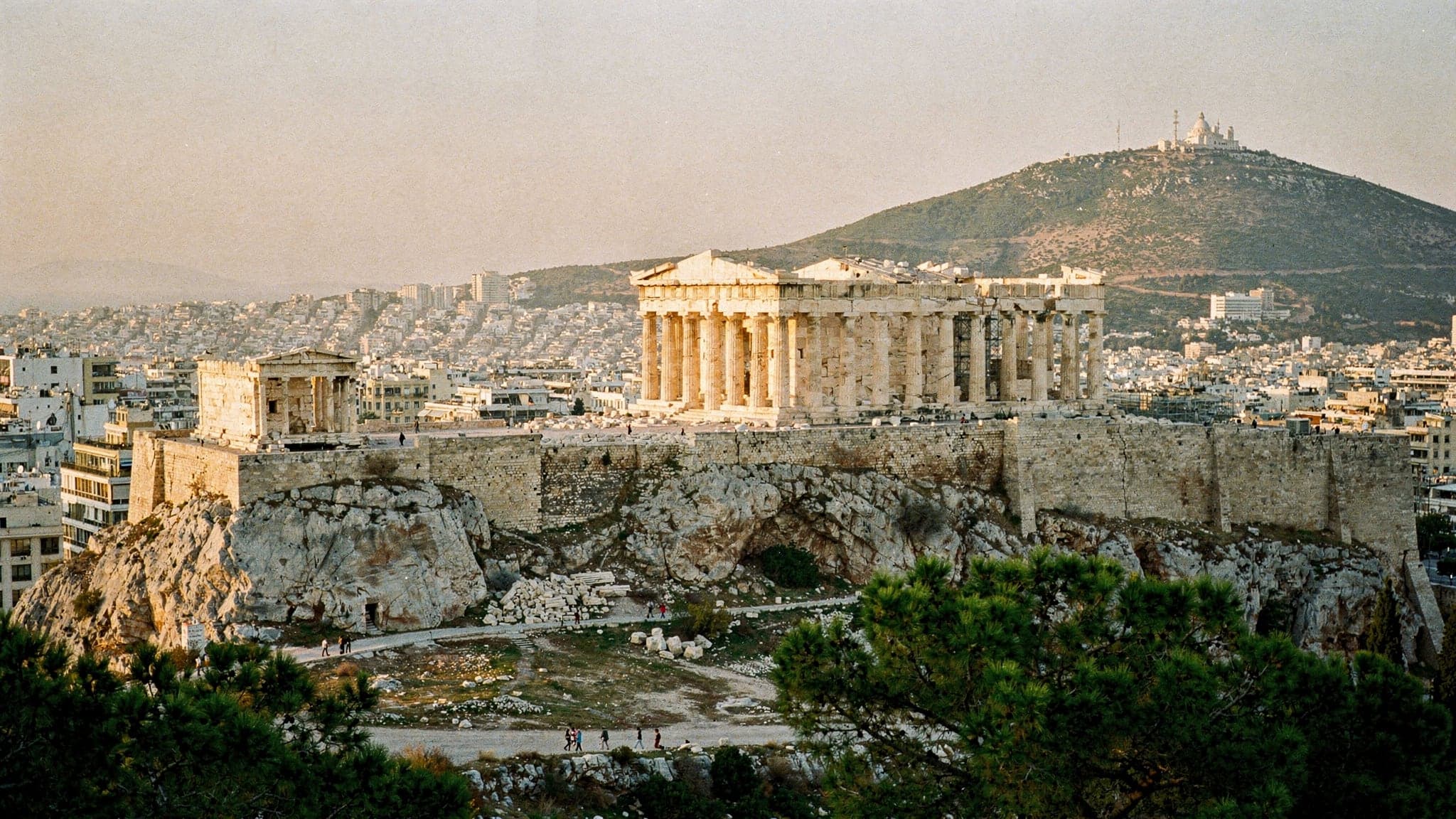
Greece
Athens
The Parthenon above the rooftops, souvlaki for under €5 and dinners that start after nine.
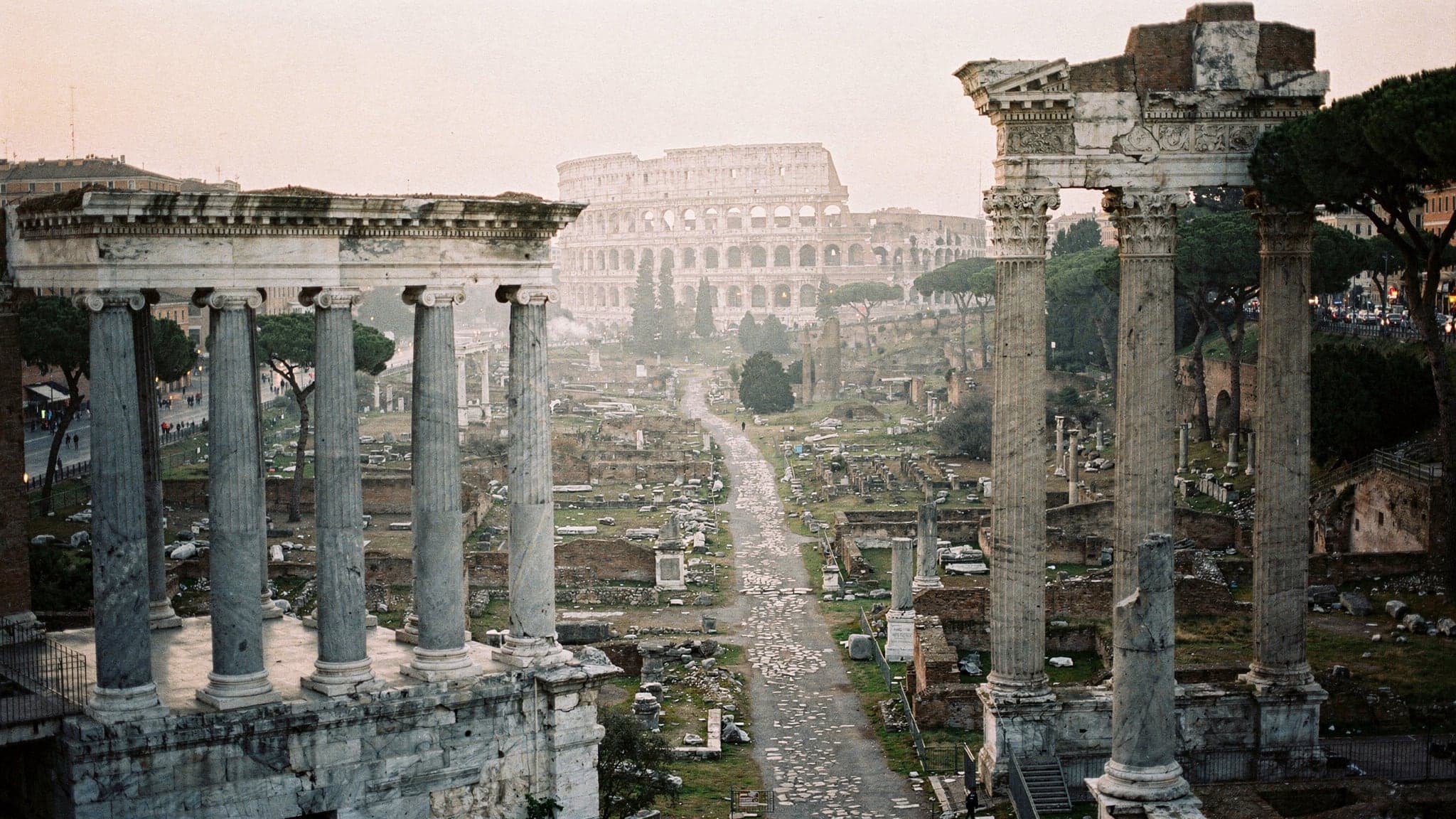
Italy
Rome
Two thousand years of ruins on the walk to dinner, and a city that will not be hurried.
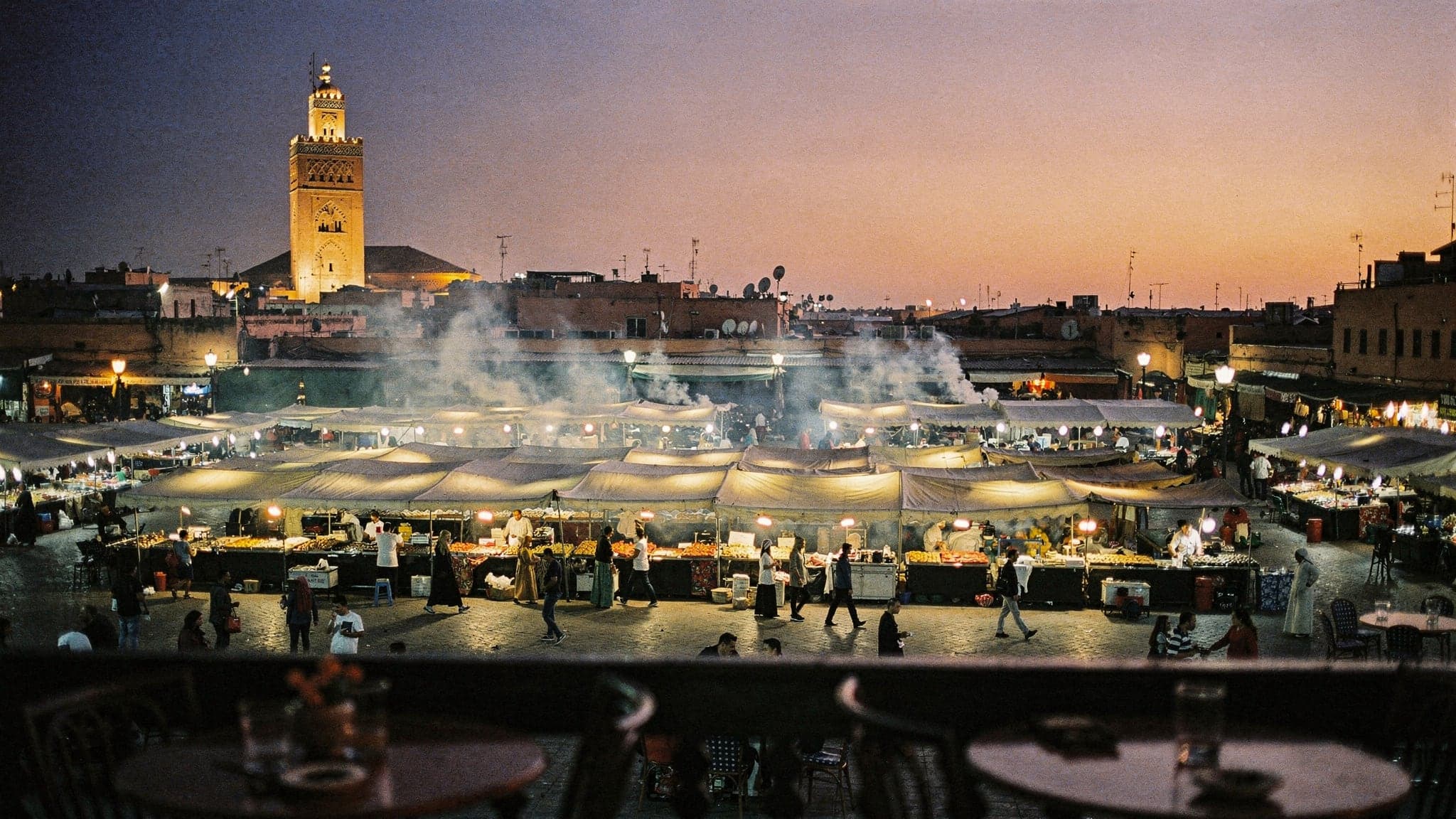
Morocco
Marrakech
Riad courtyards, a square that becomes an open-air kitchen at dusk, and Atlas snow above the rooftops in winter.
Book Istanbul
These links go to the booking sites we would use ourselves. Nothing here is currently sponsored.
Fast facts
- Currency
- Turkish lira (TRY)
- Languages
- Turkish
- Plugs
- Type C, F, 230 V, 50 Hz
- Time zone
- Istanbul (GMT+3)
- Tap water
- Generally safe; locals often filter
- Tipping
- Leave 5–10% in cash at sit-down restaurants and round up taxi fares; tea and counter service need no tip.
- Driving
- On the right
- Emergency
- 112
- Dialing code
- +90
- Safety
- 4/5
When to go
Best: Apr–May, Sep–Oct.
Good for
- Culture & history5/5
- Food & drink5/5
- Nature & scenery2/5
- Adventure2/5
- Beaches2/5
- Nightlife4/5
- Romance4/5
- Family-friendly3/5
- Value for money3/5
- Big-city energy5/5
- Slow & restorative2/5
- Wildlife1/5