Greece, Southern Europe
Athens
The Parthenon above the rooftops, souvlaki for under €5 and dinners that start after nine.
Illustration: Spike Travel (AI-assisted)

By Spike Travel Editorial Desk, Editorial team
Published Oct 12, 2026
Disclosure: This dossier is a researched briefing compiled from the official and published sources listed below. No travel, accommodation or tickets were hosted or paid for by a third party.
- Best time
- Apr–May, Oct
- Daily budget
- $70–520
- Safety
- 4/5
- Strongest for
- Culture & history, Food & drink, Nightlife
Athens is a loud, working capital built around the Acropolis, with world-class antiquities, the superb Acropolis Museum, cheap street food and late tavernas, and island ferries half an hour away by metro. Summer heat is serious, the old combined site ticket is gone, and Schengen's EES border registration now applies. Here is what it costs and how to time the Acropolis.
Why go
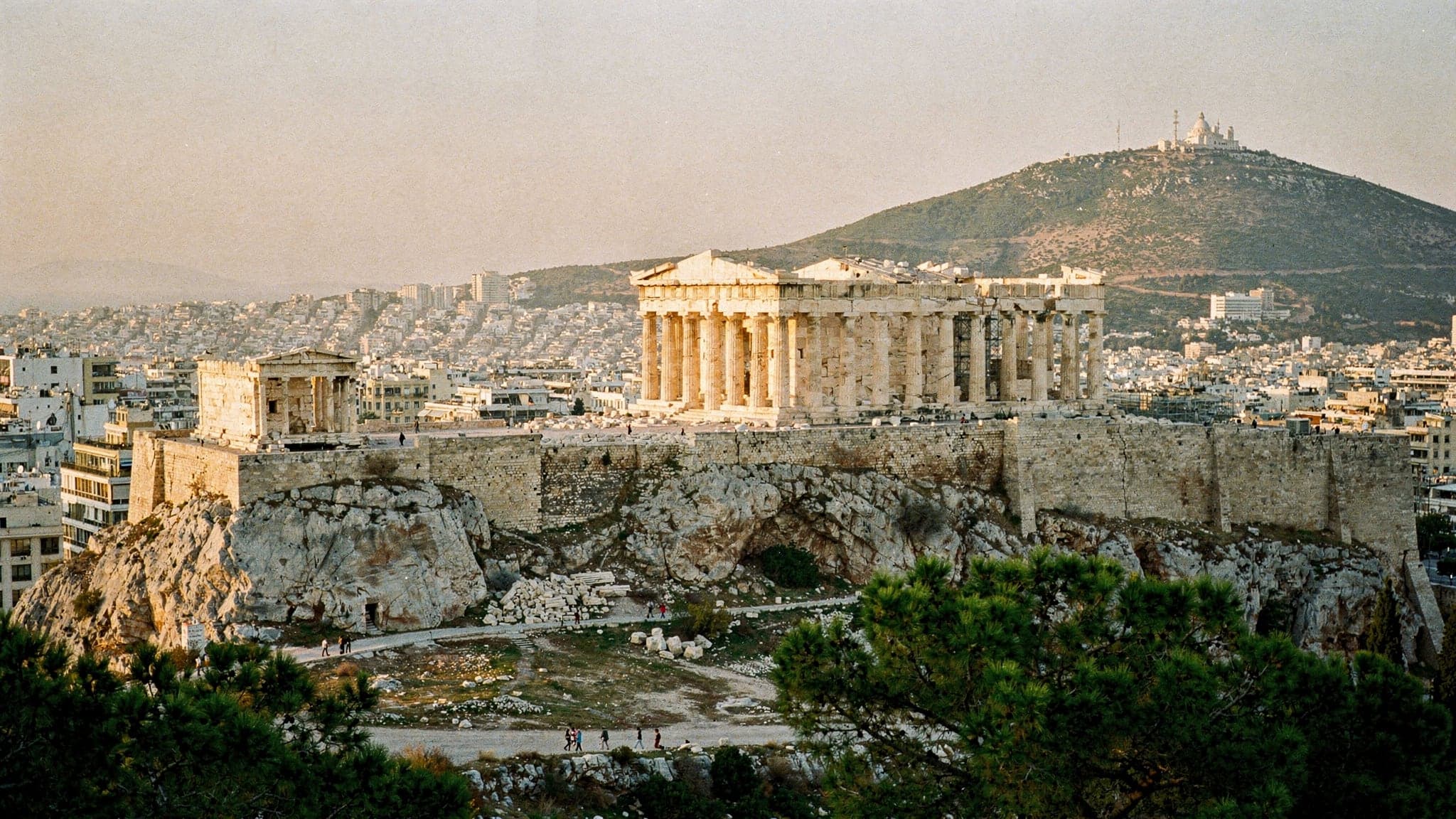
In Athens the Acropolis follows you around. The Parthenon appears at the end of residential streets in Koukaki, over the café tables of Monastiraki and above the open-air platform at Thissio. It was finished in 432 BC, and nearly two and a half thousand years later it still sets the skyline of a city of 3.6 million people.
The city around it is noisy and unpolished. Concrete apartment blocks climb the hills, graffiti covers shutters and kiosks stay open late. Then you turn a corner and find a Byzantine chapel sunk below street level, or the columns of the Temple of Olympian Zeus beside a busy avenue. You can buy a souvlaki for €3.50 next to Hadrian's Library and eat it on the steps.
Athens also runs late. Dinner starts at 9pm or later, tavernas fill with families at 11pm, and a freddo espresso is something you nurse for an hour. Food is cheap by the standards of western European capitals, and the Acropolis Museum is one of the best in Europe. The sea is close, too: the tram runs from Syntagma down to the coast, and fast ferries from Piraeus reach Hydra in a little over an hour.
The lay of the land
Syntagma Square, with Parliament on its eastern side, is the hub. The airport metro stops here, and Ermou, the main shopping street, runs west to Monastiraki. The Acropolis rock rises just to the south-west. Plaka and the tiny island-style lanes of Anafiotika wrap around its north and east slopes. On the south side, the pedestrian promenade of Dionysiou Areopagitou curves past the Acropolis Museum towards Thissio and Filopappou Hill. Koukaki and Makrygianni are the residential streets south of the museum.
North-west of Monastiraki lie Psyrri and, further out, Kerameikos and Gazi, the nightlife districts. North of Ermou, Athinas Street runs up past the central market to Omonia Square. Kolonaki sits to the north-east under Lycabettus Hill, and Pangrati lies east beyond the Panathenaic Stadium. The coast at Faliro is about 8 km south, with the port of Piraeus to the south-west.
The centre is small. Syntagma to Monastiraki takes ten minutes on foot, and Plaka to Koukaki about fifteen.
Areas at a glance
Plaka and Anafiotika$$$$
Neoclassical lanes on the Acropolis's north slope; the most touristy and the most walkable.
Best for: First-timers who want to walk everywhere
Koukaki and Makrygianni$$$$
Residential streets south of the Acropolis, by the museum, with neighbourhood cafés.
Best for: Couples and longer stays
Monastiraki and Psyrri$$$$
Flea market, souvlaki joints and late bars; central and noisy.
Best for: Nightlife and tight budgets
Syntagma$$$$
Parliament square and the transport hub, with grand hotels and the airport metro.
Best for: Short stays and early flights
Kolonaki$$$$
Upscale cafés, galleries and boutiques at the foot of Lycabettus.
Best for: Shopping and a polished base
Pangrati$$$$
Local tavernas and bars behind the Panathenaic Stadium, about 20 minutes' walk from Syntagma.
Best for: Eating like a resident
When to go
Athens is hot and dry for half the year. The National Observatory of Athens' 1991–2020 normals for its central Thiseio station show average highs of 13°C in January and 34°C in July and August. Rain falls mostly in winter: 76 mm in December against 5 mm in August.
April, May and October are the best months. Days are warm (highs of 21–27°C), the hills are green in spring and the sea is warm in autumn. June and September work well if you sightsee early and rest at midday. July and August are for the heat-tolerant. Heatwaves have pushed temperatures past 40°C, and the Acropolis has closed from 12:00 to 17:00 during heat alerts in recent summers. Wildfire risk runs from April to October.
Winter is mild, wetter and quiet, with short opening hours at the ancient sites (the Acropolis closes at 17:00 from November) and low room rates.
Orthodox Easter falls on 2 May 2027, with candlelit processions on Good Friday and roast lamb on Sunday; sites close on Easter Sunday and on 1 May. Clean Monday (15 March 2027) means kite-flying on Filopappou Hill. Independence Day brings a parade on 25 March, and Ochi Day another on 28 October. The Athens Epidaurus Festival fills the Odeon of Herodes Atticus on summer nights. Around 15 August the city empties and some tavernas close. The Athens Marathon runs from Marathon to the Panathenaic Stadium on 8 November 2026. Expect demonstrations in the centre on 17 November and 6 December.
Athens month by month
Best: Apr–May, Oct. Bars show our 1–5 rating; numbers are average daily highs in °C. The outlined bar is this month.
Month-by-month table
| Month | Rating | High / low °C | Rain mm | Note |
|---|---|---|---|---|
| January | 2/5 | 13 / 7 | 56 | The quietest month; empty museums and low room rates, with some wet days. |
| February | 2/5 | 14 / 7 | 44 | Carnival season builds; occasional cold snaps. |
| March | 3/5 | 17 / 9 | 46 | Free entry on 6 March; kite-flying for Clean Monday (15 March 2027); parade on 25 March. |
| April | 5/5 | 21 / 12 | 28 | Wildflowers on the hills and warm evenings; 18 April is free at state sites. |
| May | 5/5 | 27 / 17 | 21 | Orthodox Easter is 2 May 2027; sites close on Easter Sunday and 1 May. |
| June | 4/5 | 32 / 22 | 12 | The sea is warm enough to swim and the summer festival season starts. |
| July | 2/5 | 34 / 24 | 11 | Peak heat; heatwaves have closed the Acropolis from 12:00 to 17:00. |
| August | 2/5 | 34 / 24 | 5 | Athenians head for the islands around 15 August and some tavernas close. |
| September | 4/5 | 30 / 20 | 26 | Still hot early on; free entry on the European Heritage Days weekend at month's end. |
| October | 5/5 | 24 / 16 | 39 | Ideal walking weather; 28 October brings parades and free entry to state sites. |
| November | 3/5 | 19 / 12 | 71 | Athens Marathon on 8 November 2026; rain returns; 17 November demonstrations. |
| December | 2/5 | 14 / 9 | 76 | The wettest month; Christmas lights in Syntagma; demonstrations on 6 December. |
April to early June and late September to October are the sweet spot, with highs of 21–27°C, long evenings and a swimmable sea from June. July and August average highs of 34°C, and heatwaves can close the Acropolis at midday. Winter is mild, wetter and quiet, and the best time for empty museums.
What it costs
Athens is good value next to Rome or Paris, but rooms near the Acropolis are not cheap. Budget €100–€170 for a three-star double and €22–€40 for a hostel dorm bed, more in summer and for an Acropolis view. Every booking also carries Greece's climate resilience fee, charged per room per night and higher from April to October.
Eating is where you save. A souvlaki or gyros pita costs €3.50–€5, a freddo espresso €2.50–€4 and a half-litre of local beer €4.50–€6. A taverna dinner for two with house wine runs €45–€70. Cafés on Syntagma and Monastiraki squares and the restaurants of central Plaka charge noticeably more.
Transport is cheap: €1.20 buys 90 minutes on any metro, bus, trolleybus or tram, and contactless taps cap at €4.10 a day. The airport costs extra, with the metro at €9 and the taxi flat fare now €50 by day.
The Acropolis is €30, and the Acropolis Museum, the Ancient Agora, the Olympieion and the National Archaeological Museum are €20 each. Five sites come to €110 a person.
Loading tool…
What a day costs
Shoestring
$70
per person, per day, no flights
Mid-range
$190
per person, per day, no flights
Luxury
$520
per person, per day, no flights
Shoestring is a dorm bed (€22–€40), souvlaki and bakery food, one paid site a day and a capped transport day (€4.10). Mid-range is half of a €100–€170 three-star double, taverna dinners, the Acropolis (€30) and a museum (€20). Luxury covers a five-star room with an Acropolis view, private guides and taxis.
| Item | Local price | ≈ USD | Note |
|---|---|---|---|
| Freddo espresso or cappuccino | €2.50–€4 | $3.6 | Numbeo's crowd-sourced cappuccino average is €3.67; cafés on the big squares charge more. |
| Local beer (0.5 litre) in a taverna | €4.50–€6 | $5.9 | |
| Souvlaki or gyros pita | €3.50–€5 | $4.8 | |
| Taverna dinner for two with house wine | €45–€70 | $64 | |
| Metro, bus or tram ride (90 minutes) | €1.20 | $1.3 | Tap a Visa or Mastercard; daily cap €4.10. Airport trips cost extra. |
| Taxi, airport to the centre | €50 (05:00–24:00), €65 (00:00–05:00) | $56 | Flat fares raised in September 2026. |
| Airport metro | €9 (€16 return) | $10 | |
| Hostel dorm bed | €22–€40 | $34 | |
| Three-star double room | €100–€170 | $151 | A nightly climate resilience fee is charged per room on top of the rate. |
| Acropolis ticket | €30 | $34 | €15 reduced. There has been no combined site ticket since April 2025. |
| Acropolis Museum ticket | €20 | $22 | |
| Prepaid SIM with data | About €20 for a week | $22 | Cosmote's Travellers' SIM; EU SIM cards roam at no extra cost. |
Prices verified Oct 12, 2026. Exchange rates move; treat USD as a guide.
Build a budget for AthensGetting there and around
Athens International Airport is 40 minutes from Syntagma on metro Line 3, which costs €9 one way or €16 return. The X95 express bus costs €5.50 and is slower in traffic. Taxis charge a flat €50 to the centre from 05:00 to midnight and €65 overnight, after the government raised fares in September 2026. If you are staying three days, the €20 tourist ticket covers the airport run both ways plus unlimited city travel.
In town, the metro is the fastest way to cross the city, and on Saturdays Lines 2 and 3 run through the night. Line 1 runs through Monastiraki and Thissio down to Piraeus for the ferries, Line 2 links Syntagma, the Acropolis station and Omonia, and Line 3 heads to the airport. Pay with Tap2Ride: tap a Visa or Mastercard, or a phone, on the validators, and you are charged €1.20 for 90 minutes, capped at €4.10 a day. Use the same card or device for every tap, or you risk double charges and losing the cap. Paper tickets and ATH.ENA cards still work.
The T6 tram runs from Syntagma down to the coast at Faliro, where the T7 line follows the shore between Piraeus and Voula; the tram also runs all night on Saturdays. Taxis are yellow, plentiful and metered; FreeNow and Uber both dispatch licensed taxis. The double tariff is legal only between midnight and 5am.
Walking is the default in the centre, with two warnings. The polished marble pavements of Plaka and the Acropolis slopes are slippery, especially when wet, so wear shoes with grip. And from June to September, do your walking before 11:00 and after 17:00. Driving in central Athens is a test of nerves with little parking at the end; hire a car only for day trips.
Arriving and moving around
- ATHAthens International (Eleftherios Venizelos). To the centre: Metro Line 3 to Syntagma in about 40 minutes (€9, or €16 return); X95 express bus to Syntagma for €5.50, slower in traffic; taxi flat fare to the centre €50 from 05:00 to midnight and €65 overnight
The centre is compact. Syntagma to Monastiraki is a ten-minute walk, and most sights sit within half an hour on foot, although the marble pavements turn slippery after rain and summer afternoons are punishing. The metro has three lines: Line 3 runs to the airport and Line 1 to Piraeus for the ferries. Tap a Visa or Mastercard on the validators (Tap2Ride): €1.20 buys 90 minutes across metro, bus, trolleybus and tram, with a €4.10 daily cap, as long as you use the same card all day. The tram runs from Syntagma to the coast, and on Saturdays the tram and metro Lines 2 and 3 run all night. Taxis are yellow and metered, and FreeNow and Uber dispatch licensed taxis. Driving in the centre is not worth the stress.
Where to stay
First-timers who want to walk everywhere should stay in Plaka, under the Acropolis. It is pretty, safe and touristy, with restaurant touts to match. Koukaki and Makrygianni, south of the Acropolis Museum, are the best all-round choice: residential, close to the sites and the metro, with neighbourhood cafés and fewer crowds.
Monastiraki and Psyrri put you in the middle of the souvlaki joints, flea market and late bars. They are great for nightlife and budgets and noisy after midnight, especially at weekends. Syntagma suits short stays and early flights, with the airport metro outside and the grand hotels on the square. Kolonaki is the polished, upmarket choice for shopping and cafés. Pangrati, behind the Panathenaic Stadium, is where to eat like a resident, about 20 minutes' walk from Syntagma.
Hotels around Omonia are cheaper, but the area is grittier after dark than the streets south of Ermou. In summer, check for air conditioning and double glazing, since motorbikes and late diners keep the centre loud.
Places we'd book
- Check rates
Athens BackpackersBudgetMakrygianni
A long-running hostel on Makri Street, a few minutes from the Acropolis Museum, with a rooftop bar that faces the Acropolis.
- Check rates
City Circus AthensSomething differentPsyrri
A design hostel with dorms, private rooms and a rooftop terrace on Sarri Street, between Psyrri and Thissio.
- Check rates
Herodion HotelMid-rangeMakrygianni
A four-star at the foot of the Acropolis with a roof garden that looks straight at it.
- Check rates
Electra Palace AthensLuxuryPlaka
A neoclassical five-star in Plaka with a rooftop pool facing the Acropolis.
- Check rates
Hotel Grande BretagneLuxurySyntagma
Athens' grand hotel since 1874, opposite Parliament, with a rooftop restaurant over Syntagma Square.
What to do
Start with the Acropolis, and start early. Every ticket carries a timed entry slot, the site admits up to about 20,000 people a day, and summer mornings sell out first. Book on tickets.hh.gr, the Ministry of Culture's own site, at €30. Until 15 October it opens 08:00–18:30, then 08:00–18:00 until the end of the month and 08:00–17:00 through the winter. Allow time for the Parthenon, the Erechtheion and the view over the city from the rock's edge.
The Acropolis Museum (€20) sits at the foot of the rock, built over an excavated ancient neighbourhood you can see through the glass floors. The top-floor Parthenon gallery is aligned with the temple, and the museum stays open until 22:00 on Fridays. Next, walk down to the Ancient Agora (€20), the marketplace of ancient Athens, where the Temple of Hephaestus is the best-preserved Doric temple in Greece. The National Archaeological Museum (€20) is a short metro ride north and holds the gold "Mask of Agamemnon" and the Antikythera mechanism. It opens at 13:00 on Tuesdays.
For views, climb Filopappou Hill at sunset, which is free, or ride the funicular up Lycabettus (€10 one way, €13 return). The marble Panathenaic Stadium (€12) hosted the first modern Olympics in 1896. Down by the sea at Kallithea, Renzo Piano's Stavros Niarchos Foundation Cultural Center has a park, a canal and the national opera, free to visit, with free shuttle buses from Syntagma.
Day trips start with Cape Sounion, where the Temple of Poseidon (€20) stands on a cliff about 70 km south-east; KTEL buses take around two hours along the coast, and sunset is the time to be there. Hydra, a car-free island of stone mansions, is 1 hour 5 minutes to 2 hours from Piraeus by fast ferry, with fares from about €40 each way. Delphi (€20 for the site and museum) is the big one: the sanctuary of Apollo on Mount Parnassus, 2.5–3 hours each way by road, and a long day by bus or tour.
The shortlist
The Acropolis and the ParthenonSee
The fifth-century BC citadel: the Parthenon, the Erechtheion with its porch of caryatids, the Propylaia gateway and the Temple of Athena Nike, high above the city.
€30 (€15 reduced) with a timed entry slot, sold on tickets.hh.gr, the official site. Until 15 October 08:00–18:30, then 08:00–18:00 to 31 October and 08:00–17:00 in winter; last entry 30 minutes before closing. Can close 12:00–17:00 in heatwaves.
Book ticketsAcropolis MuseumSee
A glass-floored museum over an excavated ancient neighbourhood, with the Parthenon sculptures shown in a top-floor gallery aligned with the temple itself.
€20. Open 09:00–20:00 most days to 31 October (Mondays to 17:00, Fridays to 22:00). From November, Monday to Thursday close at 17:00; Fridays stay open until 22:00.
Ancient Agora and the Temple of HephaestusSee
The civic heart of ancient Athens, with the best-preserved Doric temple in Greece and the rebuilt Stoa of Attalos.
€20 (€10 reduced) for the site and museum. Winter hours 08:00–16:30. The upper floor of the Stoa of Attalos has been closed since November 2025.
National Archaeological MuseumSee
Greece's largest archaeological museum, home to the gold "Mask of Agamemnon", the Antikythera mechanism and the Artemision bronze.
€20. Until 15 November 08:00–20:00 (Tuesdays from 13:00); winter hours are 08:30–15:30, with Tuesdays 13:00–20:00. Free on the first and third Sundays from November to March.
Filopappou Hill and LycabettusDo
Two viewpoints. Pine-covered Filopappou faces the Acropolis across a small valley, and Lycabettus, the highest hill in central Athens, looks back at it from the north-east.
Filopappou is free and best at sunset. The Lycabettus funicular costs €10 one way or €13 return; walking up from Kolonaki takes about half an hour.
Panathenaic StadiumSee
The all-marble stadium rebuilt for the first modern Olympics in 1896, where the Athens Marathon still finishes.
€12 (€6 reduced); open daily from 08:00.
Varvakios central marketEat
The covered meat and fish halls on Athinas Street, with the produce market across the road and cheap tavernas in the surrounding lanes.
Monday to Saturday, roughly 07:00–18:00; closed Sundays. Go before noon. Diporto, the basement taverna on Sokratous, is around the corner.
Stavros Niarchos Foundation Cultural CenterDo
Renzo Piano's seafront cultural centre at Kallithea, home to the National Library and the Greek National Opera, with a large park and a canal.
Free to enter the park and buildings; free shuttle buses run daily from Syntagma.
Cape Sounion and the Temple of PoseidonDay trip
A marble temple on a cliff at the southern tip of Attica, about 70 km from Athens, known for its sunsets over the Aegean.
€20 (€10 reduced). KTEL Attikis buses from Pedion tou Areos take about two hours along the coast; organised trips leave in the late afternoon.
Book ticketsHydraDay trip
A car-free island of stone mansions and pack donkeys around a horseshoe harbour, the easiest island day trip from Piraeus.
High-speed ferries from Piraeus take 1 hour 5 minutes to 2 hours, from about €40 each way; book ahead in summer. Day cruises combine Hydra with Poros and Aegina.
Book ticketsDelphiDay trip
The sanctuary of Apollo on the slopes of Mount Parnassus, with its theatre, stadium and the museum's bronze Charioteer.
€20 for the site and museum; winter hours 08:30–15:30. It is 2.5–3 hours each way by road, so a KTEL bus or a tour makes a long day.
Book tickets
Eat and drink
Start with souvlaki. Kostas, on Agias Irinis Square since 1950, serves a pork souvlaki pita that sells out by mid-afternoon. O Thanasis, at Mitropoleos 69 in Monastiraki, has made kebab since 1964. For breakfast, Ariston on Voulis Street has baked spinach and cheese pies since 1910, and street carts sell sesame koulouri rings outside many metro exits. Krinos on Aiolou Street has fried loukoumades, honey-soaked dough puffs, since 1923. Stani, near Omonia since 1931, serves thick sheep's-milk yoghurt with honey and walnuts.
For a proper taverna lunch, look for Diporto, a basement room on Sokratous by the central market, where the day's chickpea soup and stews come with barrel wine. The Varvakios market itself trades from Monday to Saturday, and the fish and meat halls are worth a walk even if you buy nothing.
Greeks eat late and share. Order several plates for the table, and expect bread and a cover charge to appear on the bill. Lunch runs from about 13:00 to 16:00 and dinner from 21:00. Restaurants must give you an itemised receipt, so ask for one. Service is not usually added; round up or leave 5–10%. A freddo espresso or freddo cappuccino can occupy a café table for an hour, and nobody will rush you.
Order this
Souvlaki and gyros pita
Grilled pork skewers or shaved gyros wrapped in pita with tomato, onion and tzatziki.
Try it at: Kostas on Agias Irinis Square (since 1950; closes mid-afternoon); O Thanasis, Mitropoleos 69, for kebab (since 1964)
Spanakopita and tyropita
Spinach or cheese pies in flaky filo, the standard breakfast on the go.
Try it at: Ariston, Voulis Street near Syntagma (since 1910)
Loukoumades
Fried dough puffs soaked in honey syrup and dusted with cinnamon.
Try it at: Krinos, Aiolou Street (since 1923)
Sheep's-milk yoghurt with honey
Thick, tangy sheep's-milk yoghurt topped with thyme honey and walnuts.
Try it at: Stani, near Omonia (since 1931)
Revithia and taverna stews
Chickpea soup, beans and the day's stews from the pot, eaten with bread and barrel wine.
Try it at: Diporto, a basement taverna on Sokratous by the central market
Freddo espresso
Espresso shaken with ice and poured over more ice; Athenians make one last an hour.
Try it at: Any neighbourhood café
Koulouri
Sesame-crusted bread rings sold from street carts every morning.
Try it at: Street carts around Syntagma and the metro exits
Practicalities
Money and cards. Cards are accepted in most shops, restaurants and taxis, but carry some cash for kiosks, small tavernas and market stalls. Choose euros when a card machine offers to charge you in your home currency.
Data. EU SIM cards roam in Greece at no extra cost. Others can buy a local SIM: Cosmote's Travellers' SIM costs about €20 for a week of data, and travel eSIMs are widely sold.
Water and power. Tap water in Athens is safe to drink; EYDAP, the city's water company, runs quality checks. Plugs are types C and F, on 230 V and 50 Hz.
Safety. Pickpocketing is the main risk, on the metro and in crowded places around Monastiraki and the Acropolis. Keep away from demonstrations, which often gather at Syntagma and can involve tear gas, and expect strikes to disrupt metro, buses and ferries at short notice. In summer, turn on emergency alerts on your phone for heat and wildfire warnings. Call 112 in any emergency, or 1571 for the tourist police.
Etiquette. Cover shoulders and knees in churches and monasteries. The open-palm gesture known as the moutza is a serious insult, so do not wave at someone with your palm pushed forward.
LGBTQ+ travellers. Same-sex marriage has been legal in Greece since 2024. Gazi has the city's best-known gay bars, and Athens Pride takes place in June. Public displays of affection draw more attention in conservative suburbs than in the centre.
Accessibility. The Acropolis has a lift for visitors with mobility impairments; contact the site before your visit. Many pavements are narrow, broken or blocked by parked scooters, and the marble is slippery. The newer metro stations have lifts.
A few phrases. Yia sas (hello), efharistó (thank you), parakaló (please, and you're welcome), to logariasmó, parakaló (the bill, please). "Ne" means yes, not no.
Entry rules by passport
| Passport | Rule | Max stay | Notes | Checked |
|---|---|---|---|---|
| United States | Visa-free (Schengen) | 90 days in any 180 | Your passport must have been issued within the last ten years and stay valid for at least three months after you leave the Schengen area. The EU Entry/Exit System (EES) has been fully operational since 10 April 2026: at your first entry, officers record your passport, fingerprints and a facial image, and the record lasts three years. ETIAS is not operating and has no start date; ignore sites selling it. | Oct 12, 2026 |
| United Kingdom | Visa-free (Schengen) | 90 days in any 180 | Your passport must be less than ten years old on the day you arrive and valid for at least three months after the day you plan to leave. EES applies to British travellers, but the FCDO says Greek authorities have indicated they will not collect fingerprints and photos from UK travellers. Reports have shifted several times in 2026, so be ready to give them. ETIAS is not yet operating. | Oct 12, 2026 |
| EU/Schengen | Free movement | No limit for visits; register if staying over 3 months | Travel on a valid passport or national identity card. EES registration and ETIAS do not apply to EU, EEA or Swiss citizens. Flights from other Schengen countries normally skip passport control, but airlines still check ID at boarding. | Oct 12, 2026 |
| Canada | Visa-free (Schengen) | 90 days in any 180 | Your passport must be valid for at least three months beyond the date you expect to leave the Schengen area. EES records your face photo and fingerprints when you enter; nothing is needed before departure. Canada notes ETIAS applications are not yet open and warns about fraudulent sites. | Oct 12, 2026 |
| Australia | Visa-free (Schengen) | 90 days in any 180 | Standard Schengen rules apply: a passport issued within the last ten years and valid for three months beyond departure. Expect EES fingerprints and a photo at your first Schengen entry. ETIAS is not yet required; the EU says it will announce a start date several months before launch. | Oct 12, 2026 |
Entry rules change without notice. Confirm with the official source linked in the Checked column before you travel.
Safety: 4/5
Athens is generally safe, and the US, Canada and Australia all rate Greece at their lowest advisory level. Pickpocketing is the main problem: thieves work the metro, including the trains to and from the airport, and the crowds around Monastiraki and the Acropolis. Demonstrations are frequent around Syntagma, especially on 17 November and 6 December, and police use tear gas. In summer, heat and wildfires are the bigger risks; turn on emergency alerts and call 112.
- A friendly stranger suggests a drink at a bar he knows near Syntagma or in Plaka, and the bill runs to hundreds of euros.
- Taxi meters left on the double tariff ("2") in daytime. It applies only from midnight to 5am.
- Restaurant touts on Adrianou Street steering you to set menus. Ask for prices first and an itemised receipt after.
- Websites selling ETIAS "applications". The system is not operating yet.
- Pickpocket teams on packed metro carriages and in the queues at the Acropolis gates.
Fast facts
- Currency
- Euro (EUR)
- Languages
- Greek
- Plugs
- Type C, F, 230 V, 50 Hz
- Time zone
- Athens (GMT+3)
- Tap water
- Safe to drink
- Tipping
- Round up or leave 5–10% in tavernas, where service is not usually added. Leave small change at cafés.
- Driving
- On the right
- Emergency
- 112 for all emergencies; 100 police; 166 ambulance; 199 fire; 1571 tourist police (24 hours)
- Dialing code
- +30
- Safety
- 4/5
What nobody tells you
The combined ticket is gone, and the sites add up. A full sweep of the big five costs €110 a person, so decide in advance which you care about, and use the free days if you can cope with the crowds.
The heat is a real constraint. From June to September the Acropolis rock reflects the sun, there is almost no shade, and closures during heatwaves cancel midday slots. Plan the day in two halves, with a long lunch and a rest in between.
Plaka's prettiest streets have its worst restaurants. On Adrianou Street touts stand outside with photo menus and set meals. Walk ten minutes to Koukaki or Pangrati and you eat better for less.
First impressions can be rough. Graffiti, closed shopfronts and the area around Omonia make some visitors wonder why they came. Give it a day; the city improves the more you walk.
Strikes and demonstrations are routine. General strikes can halt the metro and ferries for a day, and big protests close streets around Syntagma. Check the news the night before a ferry or a flight.
If someone strikes up a conversation near Syntagma or in Plaka and suggests a drink at a bar he knows, say no. Travellers report bills of hundreds of euros at the end of those evenings.
Insider tips
- Buy Acropolis tickets on tickets.hh.gr, the Ministry of Culture's own e-ticketing site. Resellers charge more for the same €30 timed slot.
- Take the 08:00 slot or one of the last before closing. Midday is the hottest and busiest time, and there is almost no shade on the rock.
- The 3-day tourist ticket (€20) covers unlimited city transport plus the airport metro or bus both ways; an airport return alone costs €16.
- Tap the same Visa or Mastercard every time on Tap2Ride. Mixing a phone and a watch can double-charge you and stop the €4.10 daily cap from working.
- State sites are free on 6 March, 18 April, 18 May, the last weekend of September and 28 October. Free also means the biggest crowds of the year.
- The Acropolis Museum stays open until 22:00 on Fridays, the calmest time to see the Parthenon gallery.
- Restaurants must give you an itemised receipt. Ask for one, and check what you are charged for bread and cover.
- Plan around Sundays: the central market and most shops close, while the Monastiraki flea market is at its busiest.
Skip it
- The restaurants with touts and photo menus on Adrianou Street and in central Plaka. Walk ten minutes to Koukaki or Pangrati.
- The Acropolis at midday in July or August. Heatwaves have closed it from 12:00 to 17:00, and the marble reflects the sun.
- A drink invitation from a friendly stranger near Syntagma. Bar bills in these set-ups run to hundreds of euros.
- Hiring a car for Athens itself. Parking is scarce and traffic is aggressive; rent one only for day trips.
- Paying anyone for an "ETIAS". The system is not running, and sites taking money for it are not official.
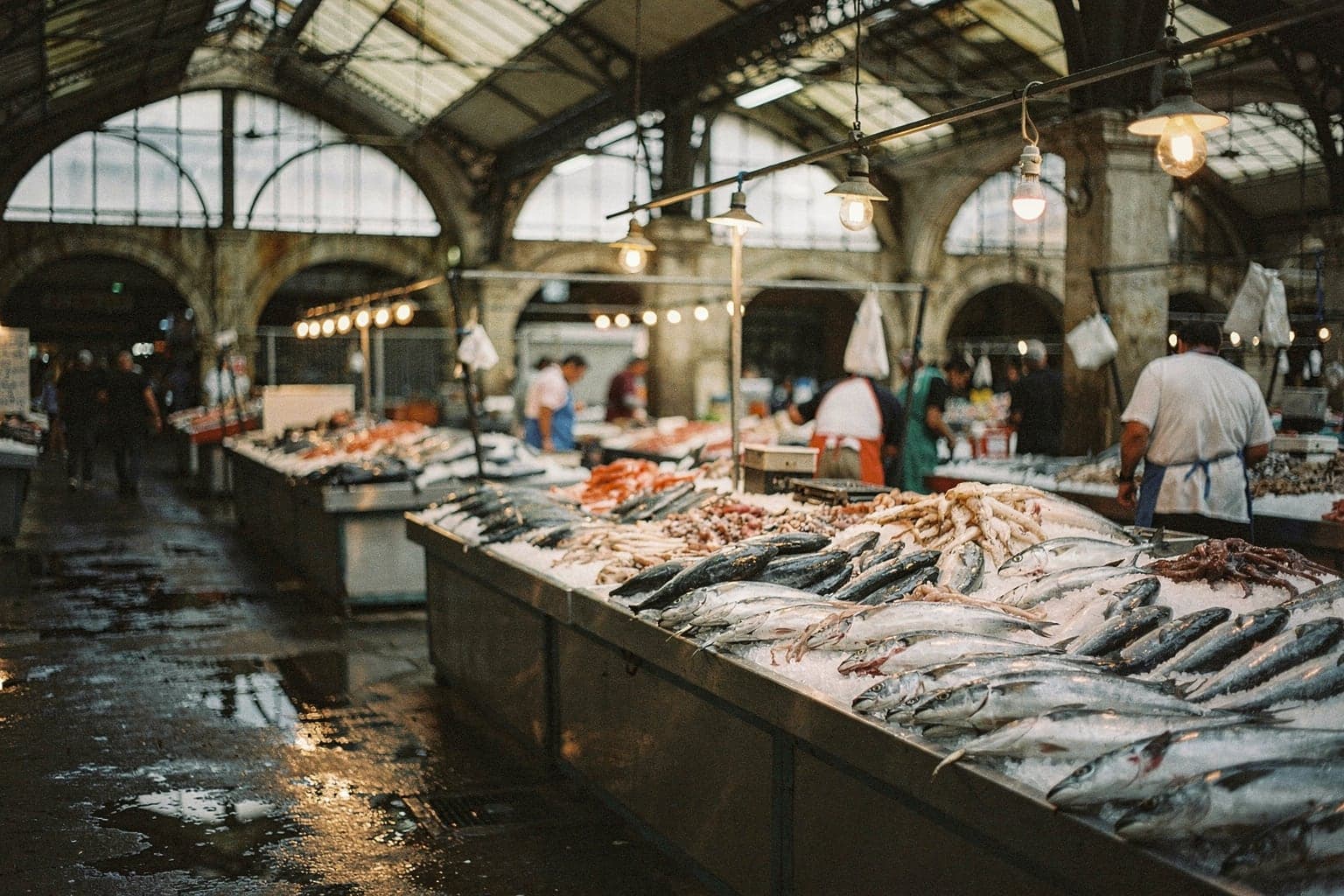
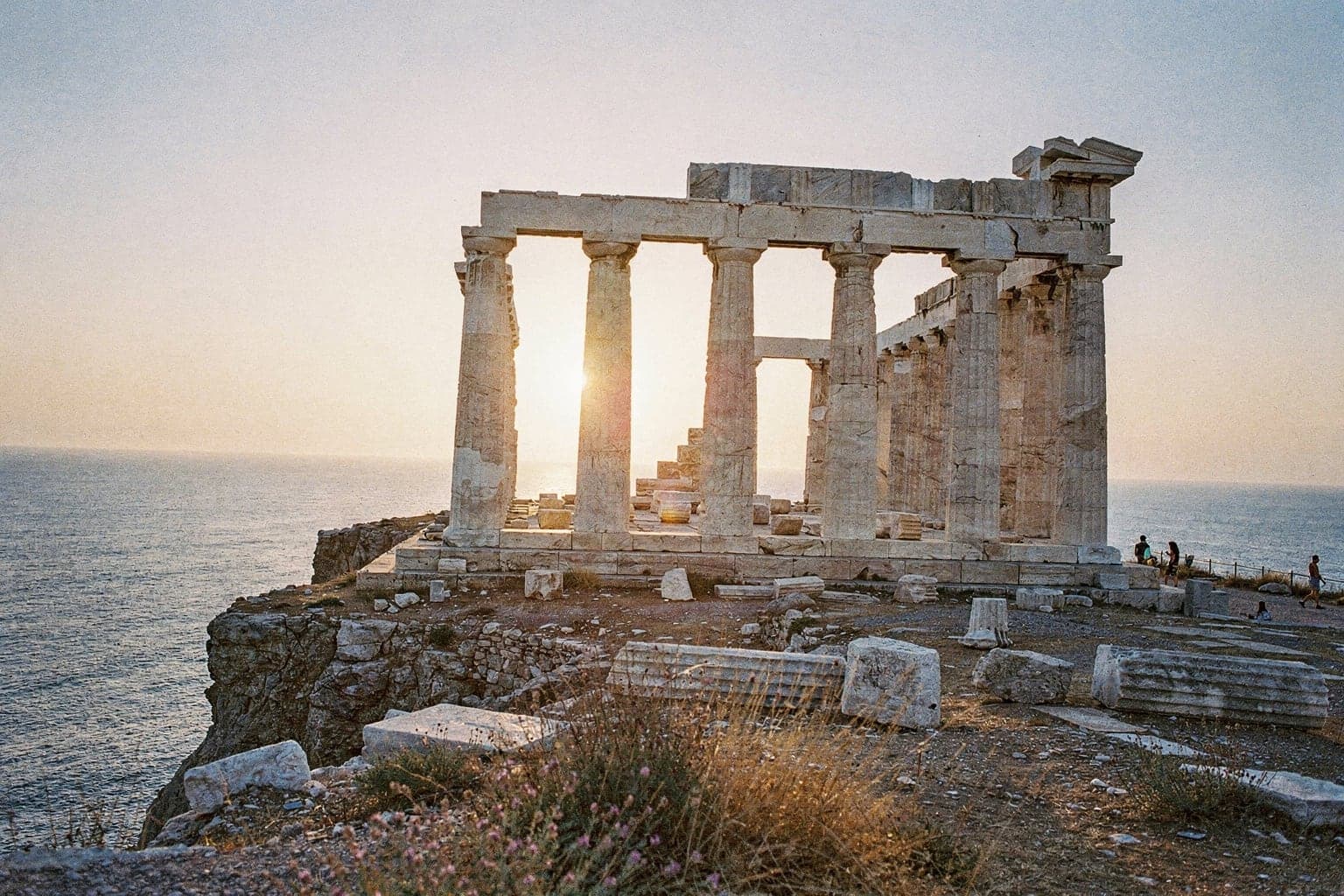
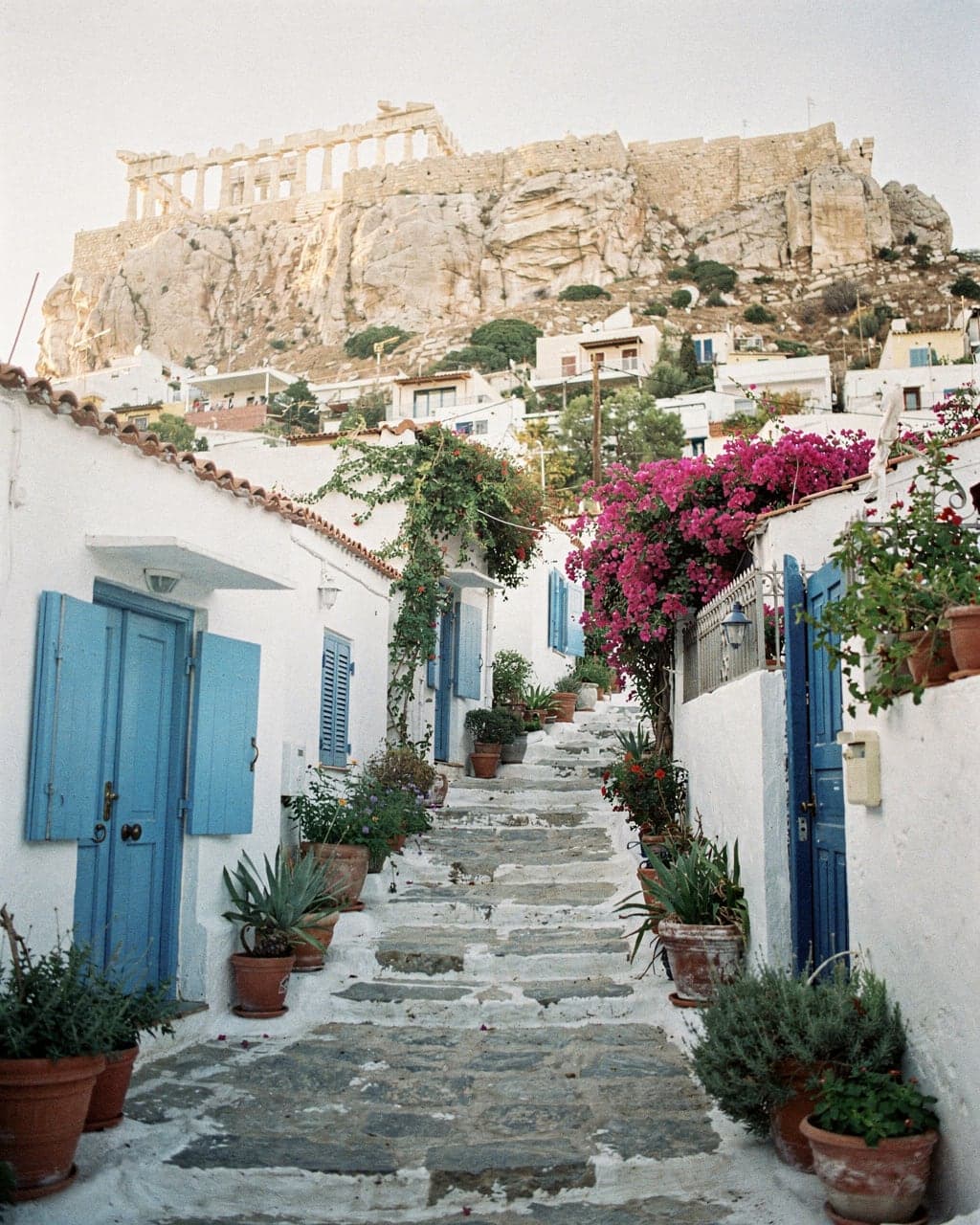
Illustration: Spike Travel (AI-assisted)
Questions people ask
Do I need ETIAS for Greece?
Not yet. ETIAS, the EU's planned €20 travel authorisation for visa-exempt visitors, is not operating, and the EU has not set a start date; it says it will announce one several months ahead. You will still pass through the Entry/Exit System (EES), which records fingerprints and a facial image at your first Schengen entry.
How do the Acropolis time slots work?
Every ticket carries an entry time, and the site admits up to about 20,000 people a day in hourly slots. Book on tickets.hh.gr, arrive at the start of your slot and bring water. Early slots sell out first in summer.
Is there still a combined ticket for Athens' ancient sites?
No. The €30 ticket covering the Acropolis and six other sites over five days was discontinued on 1 April 2025. Each site now sells its own ticket: €30 for the Acropolis, €20 each for the Ancient Agora and the Olympieion, and €10 for Hadrian's Library.
How many days do I need in Athens?
Three full days covers the Acropolis, the Acropolis Museum, the Ancient Agora, the National Archaeological Museum and a few neighbourhoods. Add a fourth day for Cape Sounion or Hydra and a fifth for Delphi.
How much is a taxi from Athens airport?
A flat €50 to the city centre between 05:00 and midnight and €65 from midnight to 05:00, after an increase published in September 2026. The metro costs €9 and the X95 bus €5.50.
Is Athens too hot in summer?
July and August average highs of 34°C, and heatwaves have pushed past 40°C. Sightsee from 08:00 to 11:00 and after 17:00, and expect midday closures at the Acropolis during heat alerts.
Is Athens safe at night?
Mostly. Central areas stay busy late because dinner starts after 9pm. Watch for pickpockets on the metro, keep away from demonstrations around Syntagma and turn down invitations from strangers to a bar nearby.
Sources
Where the facts on this page come from. Dates show when we last checked each one.
- European Commission: Main differences between the EES and ETIAS (28 April 2026)accessed Oct 12, 2026
- European Commission: European Travel Information and Authorisation System (ETIAS)accessed Oct 12, 2026
- Official ETIAS websiteaccessed Oct 12, 2026
- GOV.UK: Greece entry requirementsaccessed Oct 12, 2026
- GOV.UK: Greece safety and securityaccessed Oct 12, 2026
- Government of Canada: Travel advice for Greece (updated 5 October 2026)accessed Oct 12, 2026
- Smartraveller: Greece travel advice (exercise normal safety precautions)accessed Oct 12, 2026
- US State Department: Greece travel advisory (Level 1)accessed Oct 12, 2026
- The Guardian: Nine EU countries further delay EES border checks (14 September 2026)accessed Oct 12, 2026
- Hellenic Ministry of Culture: Acropolis of Athens (tickets, hours, free days)accessed Oct 12, 2026
- Hellenic Ministry of Culture: Ancient Agora of Athensaccessed Oct 12, 2026
- Hellenic Ministry of Culture: Olympieionaccessed Oct 12, 2026
- Hellenic Ministry of Culture: Hadrian's Libraryaccessed Oct 12, 2026
- Hellenic Ministry of Culture: Sounionaccessed Oct 12, 2026
- Hellenic Ministry of Culture: Delphiaccessed Oct 12, 2026
- Archaeology Travel: The Athens combined ticket was discontinued in April 2025accessed Oct 12, 2026
- Associated Press (via Spectrum News): Greece caps Acropolis visitors at 20,000 a day with hourly slotsaccessed Oct 12, 2026
- BBC News: Greece heatwave closes the Acropolis temporarily (July 2025)accessed Oct 12, 2026
- Acropolis Museum: Plan your visitaccessed Oct 12, 2026
- National Archaeological Museum: Visitaccessed Oct 12, 2026
- Panathenaic Stadium: Visitaccessed Oct 12, 2026
- Lycabettus Hill: Cable caraccessed Oct 12, 2026
- SNFCC: Shuttle bus serviceaccessed Oct 12, 2026
- OASA: Prices of productsaccessed Oct 12, 2026
- OASA: Contactless payments with bank cards (Tap2Ride)accessed Oct 12, 2026
- Athens International Airport: Private transportation (taxi flat fares)accessed Oct 12, 2026
- CNN Greece: New taxi fares for Athens and Thessaloniki airports (16 September 2026)accessed Oct 12, 2026
- National Observatory of Athens, Thiseio station 1991–2020 normals (via Wikipedia's Athens climate table)accessed Oct 12, 2026
- National Observatory of Athens: Historical climate time series of Athensaccessed Oct 12, 2026
- Ferryhopper: Piraeus to Hydra ferriesaccessed Oct 12, 2026
- Hellenic Statistical Authority: 2021 Population-Housing Censusaccessed Oct 12, 2026
- Athens Authentic Marathon: 2026 registrations (race on 8 November 2026)accessed Oct 12, 2026
- Numbeo: Cost of living in Athens (crowd-sourced, sanity check only)accessed Oct 12, 2026
- European Central Bank: EUR/USD reference rate, 12 October 2026 (1.1181)accessed Oct 12, 2026
- EYDAP: Drinking water quality controlaccessed Oct 12, 2026
- STASY: Tram timetables (T6 Syntagma line; 24-hour Saturday service)accessed Oct 12, 2026
- Filoxenos: Climate Crisis Resilience Fee guide (industry summary of Law 5162/2024)accessed Oct 12, 2026
- Gigago: Cosmote Travellers' SIM prices, August 2026 (secondary)accessed Oct 12, 2026
- Tripadvisor Greece forum: Athens bar scams (traveller reports, crowd-sourced)accessed Oct 12, 2026
If you like Athens
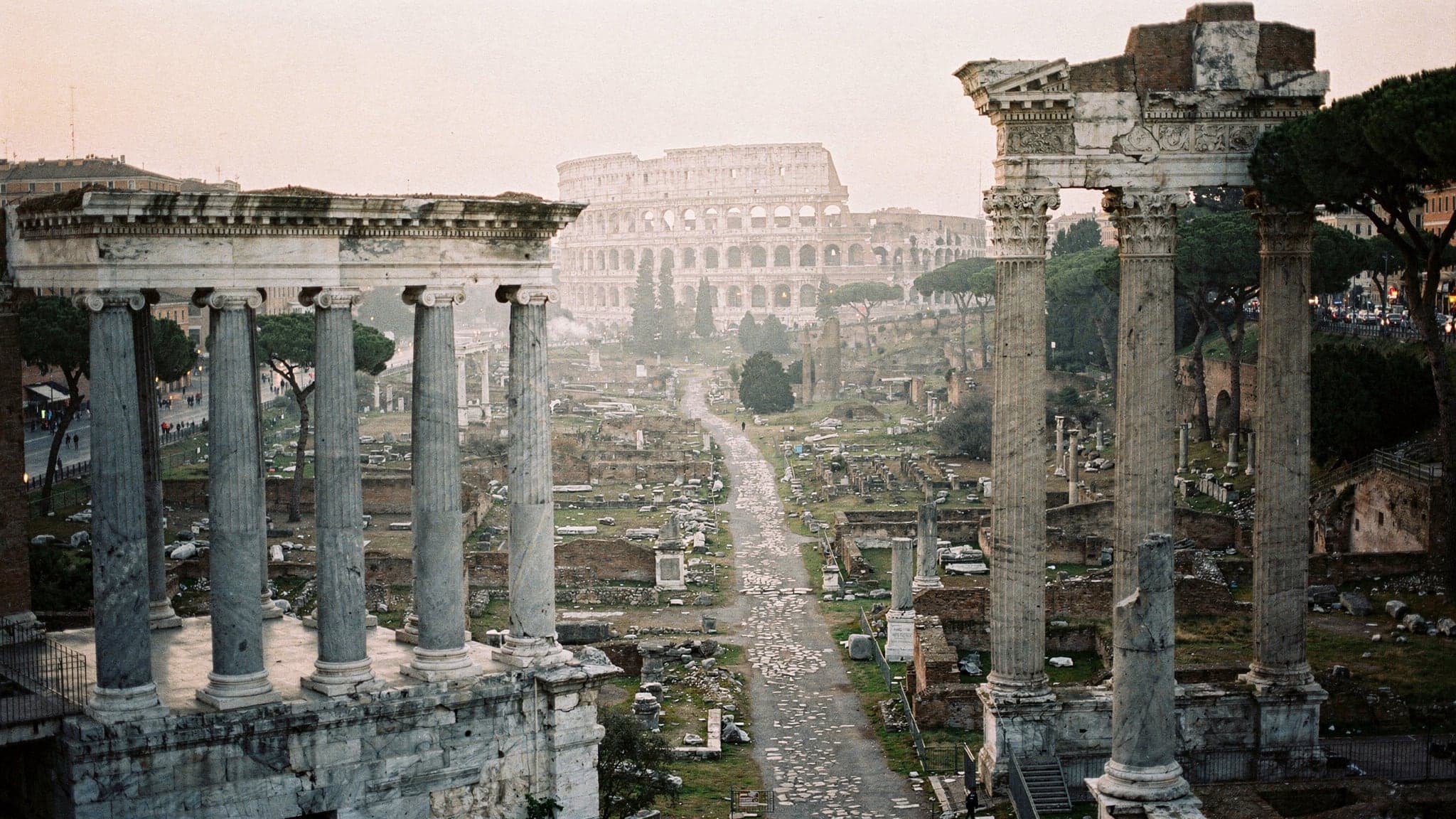
Italy
Rome
Two thousand years of ruins on the walk to dinner, and a city that will not be hurried.
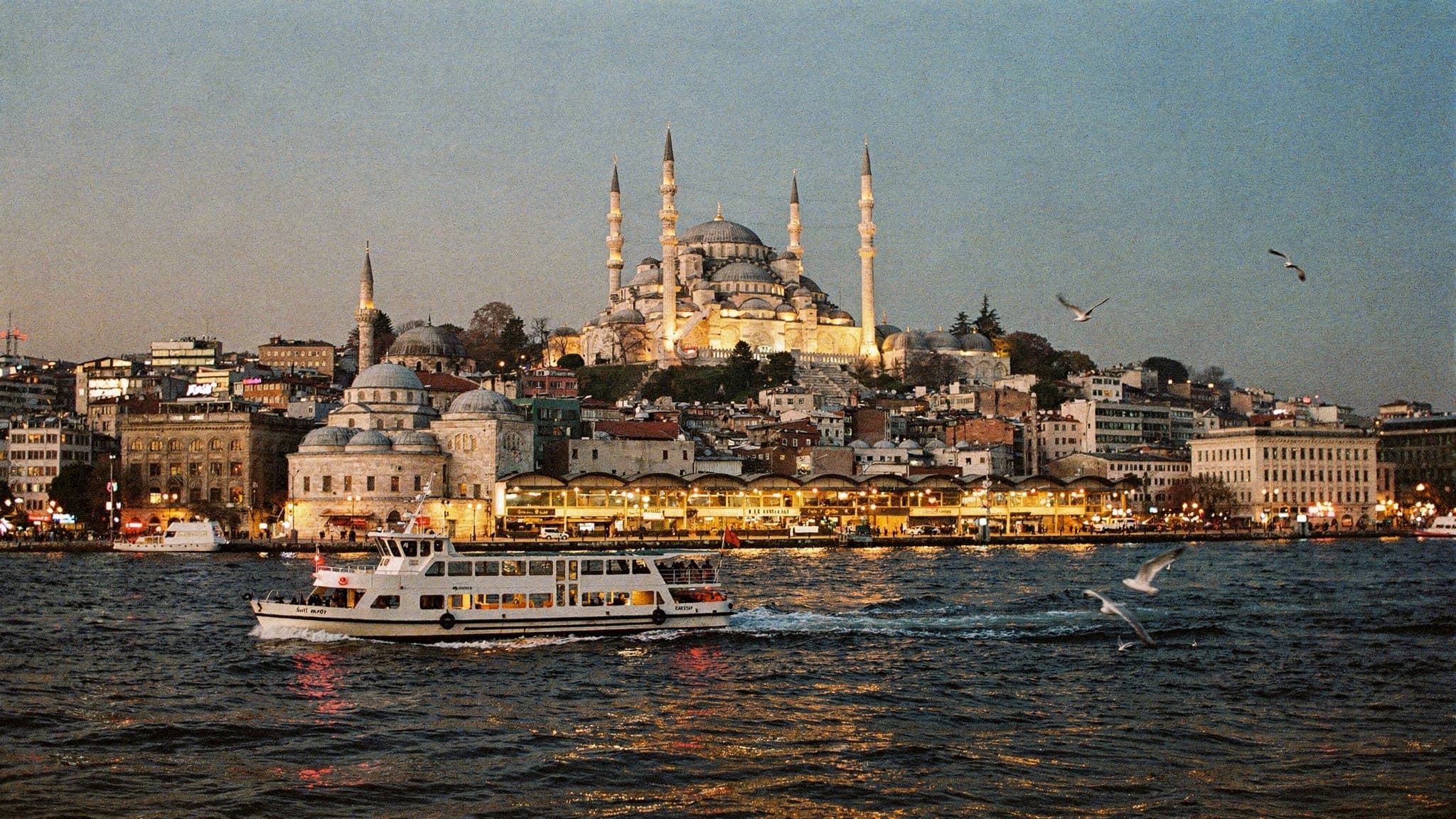
Türkiye
Istanbul
A commuter ferry to Asia, a sixth-century dome before lunch, and tea in a tulip glass wherever you stop.
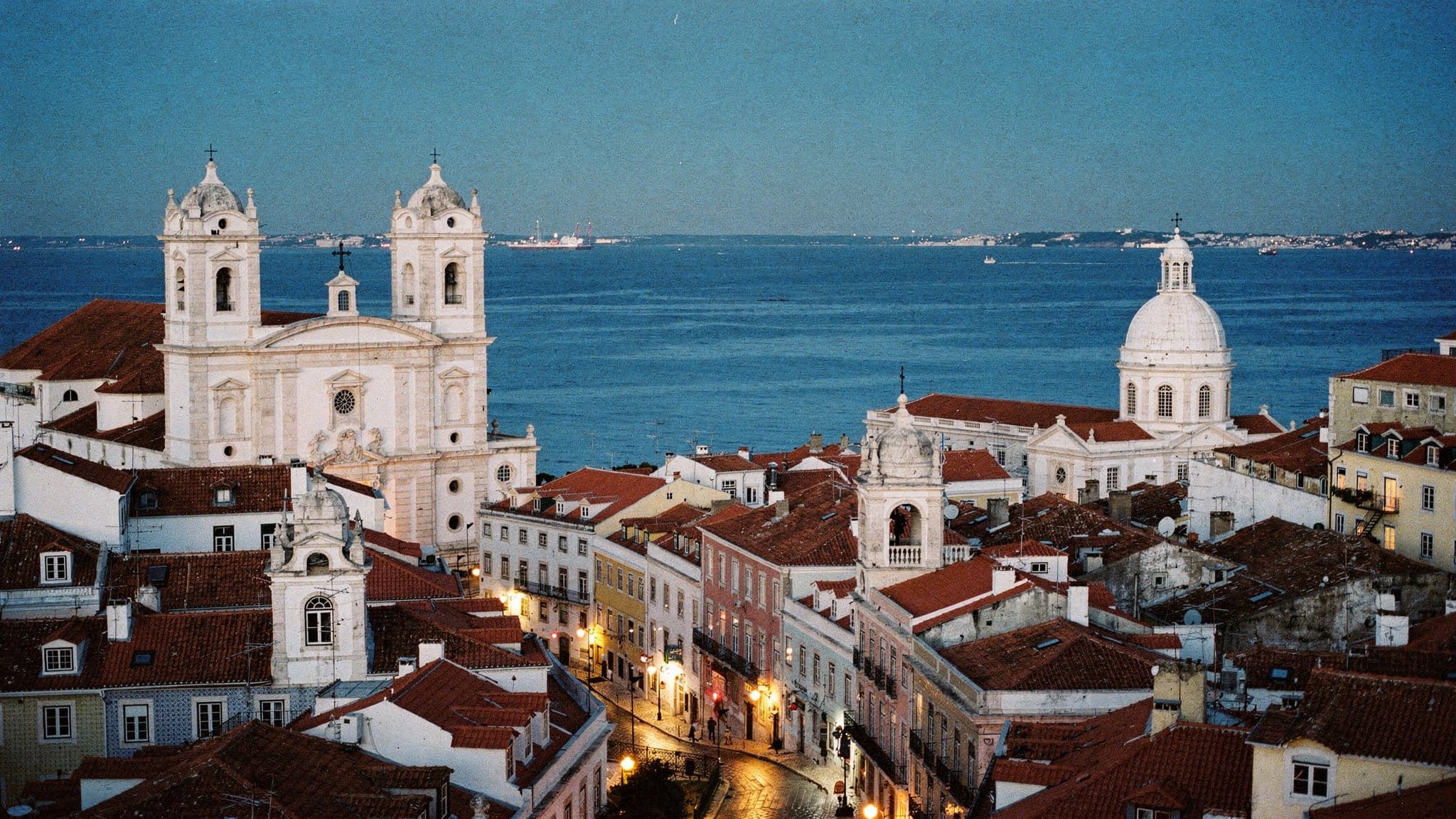
Portugal
Lisbon
Steep cobbled lanes, river light on tiled walls, and a counter espresso that still costs about a euro.
Book Athens
These links go to the booking sites we would use ourselves. Nothing here is currently sponsored.
Fast facts
- Currency
- Euro (EUR)
- Languages
- Greek
- Plugs
- Type C, F, 230 V, 50 Hz
- Time zone
- Athens (GMT+3)
- Tap water
- Safe to drink
- Tipping
- Round up or leave 5–10% in tavernas, where service is not usually added. Leave small change at cafés.
- Driving
- On the right
- Emergency
- 112 for all emergencies; 100 police; 166 ambulance; 199 fire; 1571 tourist police (24 hours)
- Dialing code
- +30
- Safety
- 4/5
When to go
Best: Apr–May, Oct.
Good for
- Culture & history5/5
- Food & drink4/5
- Nature & scenery3/5
- Adventure2/5
- Beaches3/5
- Nightlife4/5
- Romance4/5
- Family-friendly3/5
- Value for money4/5
- Big-city energy4/5
- Slow & restorative2/5
- Wildlife1/5